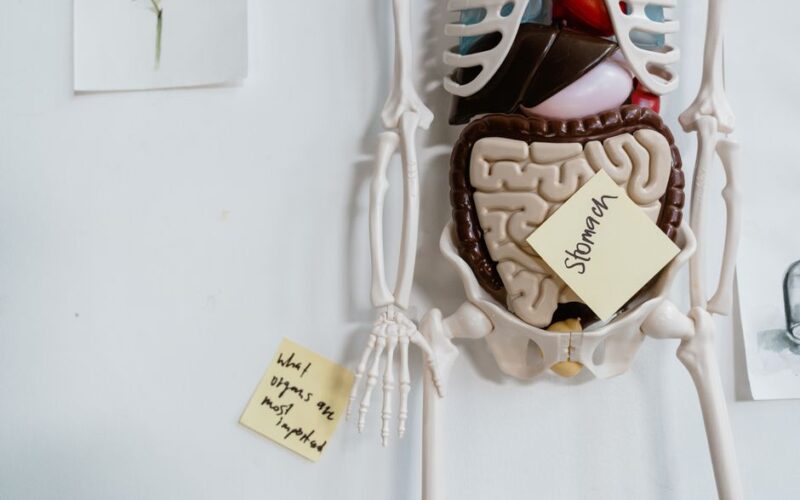

You follow a solid skincare routine, drink enough water, and eat plenty of vegetables. But your complexion still looks dull or uneven, and you are not sure why. The answer might not be on your bathroom shelf. It might be in what happens to your body in the 30 minutes after you eat.
Digestive movement and skin health are more connected than most people expect. The cells that build collagen, regulate oil production, and repair surface damage all depend on nutrients that first have to travel through your digestive system efficiently. When digestion is sluggish, that supply chain slows down, and your skin often reflects it.
A short walk after eating is one of the most underrated tools for both. Here is why it works and how to build the habit without overhauling your day.
Why Digestion Shows Up in Your Skin
Your gut and skin share a surprisingly close relationship. Research published in journals focused on gastroenterology and dermatology has explored what is sometimes called the gut-skin axis, noting that gut inflammation, poor nutrient absorption, and microbiome imbalance may contribute to skin conditions including acne, dullness, and uneven tone.
The mechanism is practical: nutrients like vitamin C, zinc, vitamin A, and omega-3 fatty acids are absorbed in the small intestine and later used by skin cells. If your digestion is inefficient, even a nutrient-dense meal may not fully deliver those compounds to the tissue that needs them.
Skin Health From Digestive Wellness: How Gut Function, Nutrient Absorption, and Food Order Shape Your Complexion covers the gut-skin connection in detail. The short version: better digestion tends to mean better delivery of the building blocks your complexion depends on.
What Post-Meal Walking Actually Does Internally
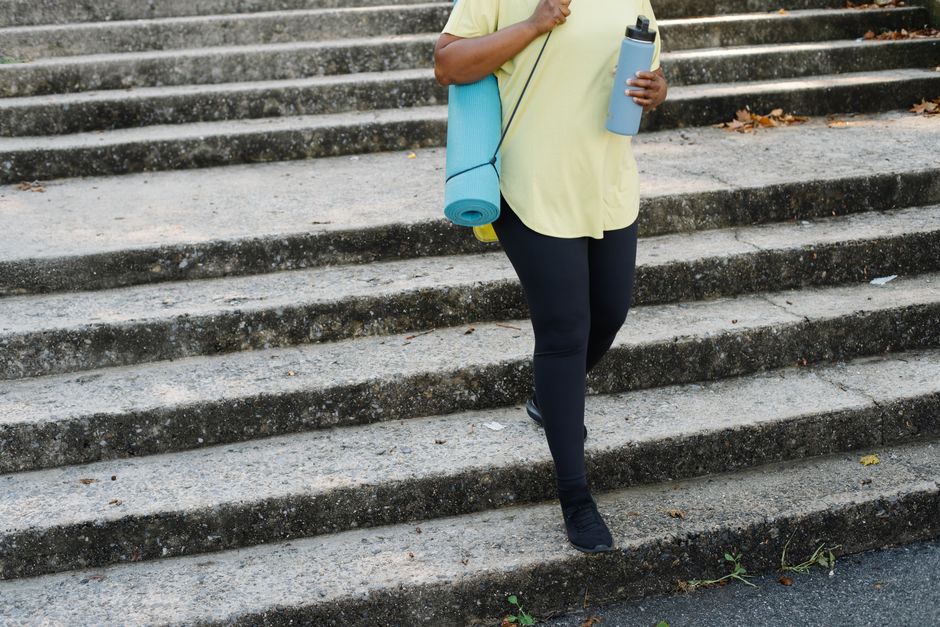
Walking after eating gently stimulates gastric motility, which is the rhythmic muscular movement that moves food through your digestive tract. The American Diabetes Association and multiple clinical studies have recognized post-meal walking as an effective way to moderate blood sugar after meals, but the benefits extend further.
Here is what happens at a physical level when you take a short walk within 30 minutes of eating:
- Peristalsis gets a nudge. Light movement encourages the muscular contractions that move food through the gut, reducing the sluggish transit time that often causes bloating and fermentation.
- Blood sugar stabilizes. Muscle contractions during walking use circulating glucose, helping prevent the rapid spike-and-drop pattern that triggers inflammatory skin responses over time.
- Circulation increases modestly. Gentle movement directs blood flow through the digestive organs, which may support the uptake and delivery of fat-soluble nutrients including vitamins A, D, E, and K.
- Stress hormones ease. Even a 10-minute walk can reduce cortisol slightly, and chronic high cortisol is associated with increased skin oil production and delayed skin repair (according to research cited by the American Psychological Association).
For a complementary angle on how posture and movement affect digestion separately, see Stretching for Digestion: How Post-Meal Movement Supports Nutrient Absorption and Comfort.
The Skin Connection: From Gut to Complexion
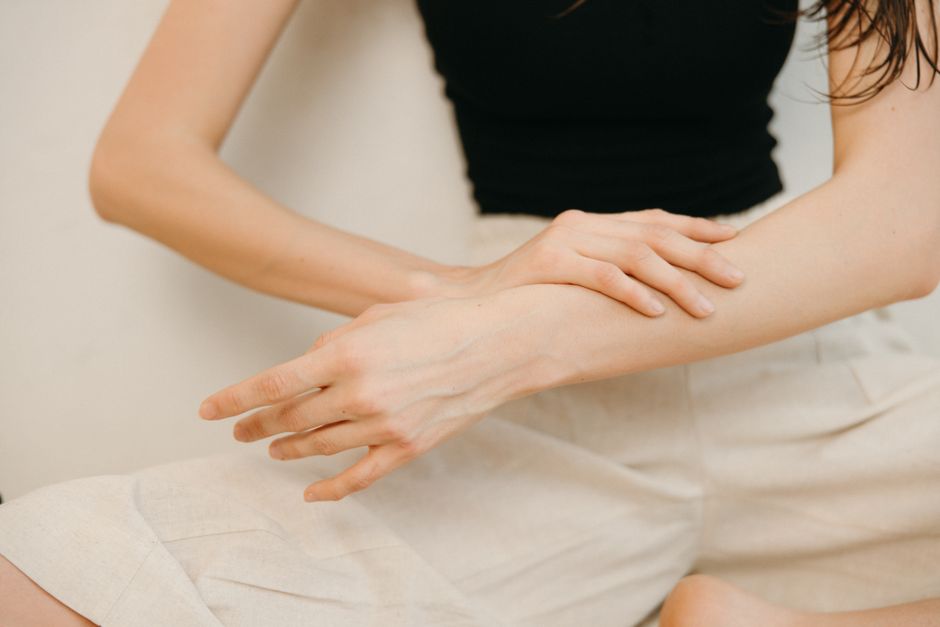
Blood sugar instability is one of the less-discussed drivers of complexion changes. When glucose spikes repeatedly, it triggers a process called glycation, in which sugar molecules attach to proteins like collagen, making them stiff and less functional. Over time, this contributes to dullness and loss of elasticity.
By moderating that spike with post-meal movement, you are protecting collagen at a structural level, not just hydrating it from the outside.
The circulation piece also matters. Improved microcirculation in the gut supports more consistent delivery of skin-building nutrients. And if you couple that with nutrient-dense meals, the effect compounds. Skin Clarity From Nutrient Density: Which Foods Actually Show Up in Your Complexion explains which specific foods contribute most visibly to skin tone and texture.
The visible changes from digestive movement and skin health improvements are gradual, usually noticeable over two to four weeks of consistency, not overnight. Expecting slow, real progress is part of what makes this approach sustainable.
A Simple Post-Meal Walking Routine
You do not need a fitness tracker, a trail, or dedicated gym clothes. This routine is designed for real life.
Step 1: Set a 20-minute timer after finishing your meal.
You do not need to rush out the door. Give yourself a few minutes to settle, then head out before the timer ends. Sitting for too long after eating slows gastric motility.
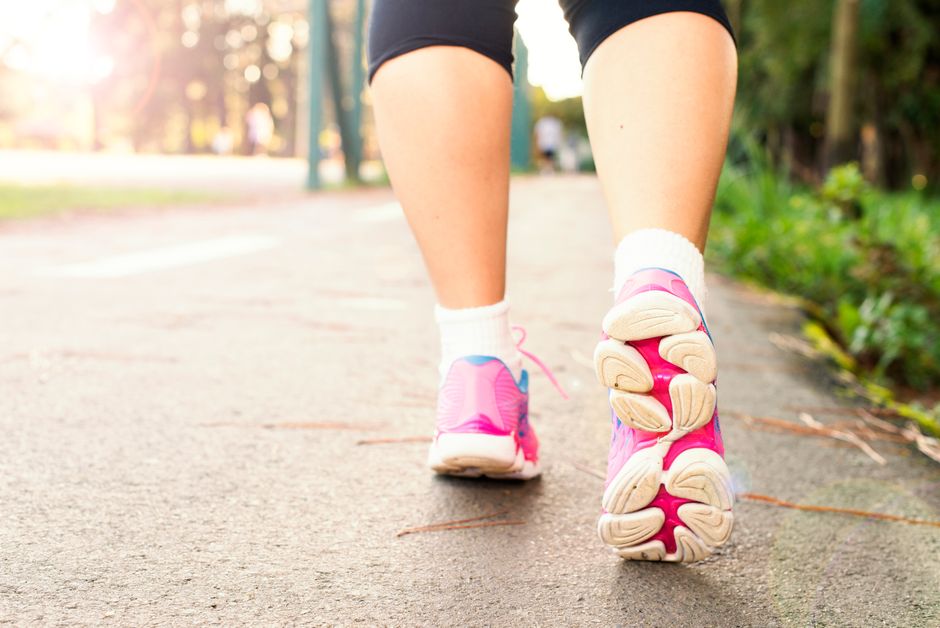
Step 2: Walk for 10 minutes at a comfortable pace.
This is not a workout. You should be able to hold a conversation. A slow, relaxed pace is enough to stimulate the digestive benefits without redirecting too much blood flow away from your gut.
Step 3: Stay upright and breathe normally.
Avoid hunching over your phone. Keeping an upright posture supports both digestion and diaphragmatic breathing, which also promotes gut motility. Digestive Comfort Through Breathing and Posture: Why How You Sit Matters More Than What You Eat has more on this.
Step 4: Return and rest if needed.
After 10 minutes, you can sit back down. You are not trying to burn calories or raise your heart rate dramatically. The goal is mild movement during the active digestion window.
Step 5: Be consistent across at least two meals per day.
Lunch and dinner tend to be the most practical targets. Breakfast walks are a bonus if your schedule allows. Consistency across weeks, rather than intensity on any single day, is what produces visible skin changes.
If building the habit is the hard part, Five Reasons Your Walking Habit Fades by Week Three and How to Make Movement Stick for Real addresses exactly why this happens and how to work around it.
Realistic Expectations and Helpful Adjustments
Post-meal walking is one input among many. Your complexion also responds to sleep, hydration, stress load, and the nutrient quality of your food. Think of walking as reinforcing your other habits rather than replacing them.
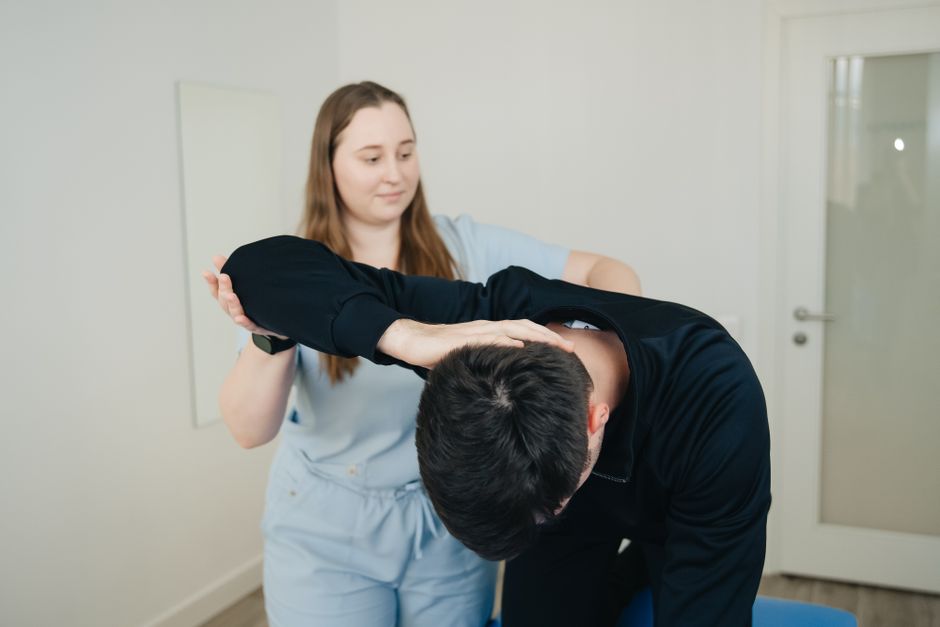
If you have a condition that affects digestion, such as irritable bowel syndrome, gastroparesis, or reflux, check with a qualified healthcare professional before significantly changing your post-meal movement routine, since the timing and intensity that works best may differ.
For most healthy adults, a 10-minute walk is a low-risk, high-reward habit. It costs nothing, needs no equipment, and works with almost any schedule.
Start with one meal today. Walk for 10 minutes at a casual pace and notice how you feel. If you want more context on the full picture of digestive wellness and skin, Digestive Wellness and Skin Clarity: How Gut Function Shapes Your Complexion is a natural next read. And if you want practical weekly guidance on sustainable wellness habits like this one, joining the Clean Body Mentor newsletter is a good next step.
This article is for general educational and informational purposes only and is not a substitute for medical advice, diagnosis, or treatment. Health needs vary by individual. Consult a qualified healthcare professional before making significant changes to your diet, exercise routine, supplements, medication, or treatment plan, especially if you have a medical condition, are pregnant or breastfeeding, take medication, or have concerns about your symptoms.
Sources
- Salem I et al. “The Gut Microbiome as a Major Regulator of the Gut-Skin Axis.” Frontiers in Microbiology, 2018.
- Buffey AJ et al. “The Acute Effect of Walking on Post-Meal Blood Glucose Levels in Healthy Adults.” Sports Medicine Open, 2022.
- American Psychological Association. “Stress effects on the body.” APA.org.
- Danby FW. “Nutrition and aging skin: sugar and glycation.” Clinics in Dermatology, 2010.