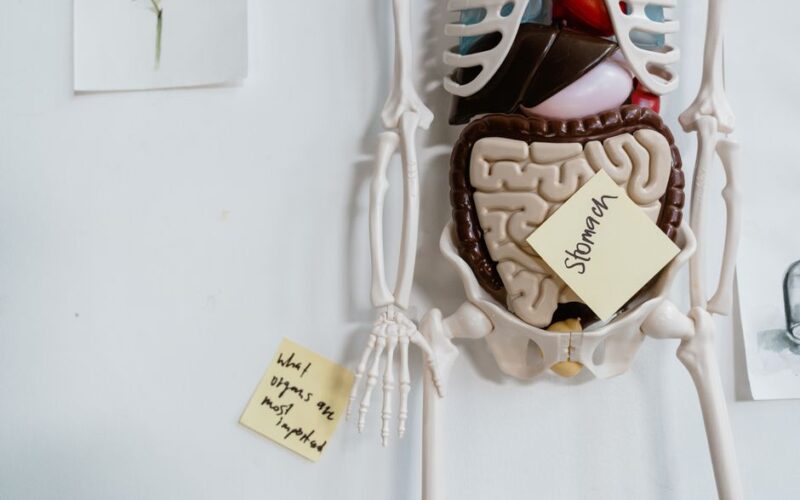


You finish a meal and expect to feel good. Instead, you feel heavy, bloated, or strangely tired within an hour. Sound familiar? Most conversations about digestion focus almost entirely on what you eat. But a growing body of research suggests that when you eat, how long you wait between meals, and even the order you eat foods within a meal can meaningfully shape how you feel afterward.
This guide covers the practical science behind digestive comfort meal timing so you can make small, sustainable adjustments without overhauling your entire diet.

Why Spacing Between Meals Matters More Than You Might Think
Your digestive system works in cycles. Between meals, a process called the migrating motor complex (MMC) sweeps undigested material through your small intestine to prepare for the next meal. Research published in journals reviewing gastrointestinal motility indicates the MMC activates roughly every 90 to 120 minutes during a fasted state, and eating interrupts it.
What this means in practice: eating too frequently, especially grazing on small amounts throughout the day without clear breaks, can interfere with this natural housekeeping process. For many people, leaving three to four hours between meals supports better motility and reduces the likelihood of bloating and sluggishness.
This does not mean you need to follow a rigid fasting protocol. It simply means giving your gut enough downtime to do its job. If you find afternoons particularly difficult, snack timing for sustained energy offers a realistic framework for choosing when and what to eat between meals without disrupting this rhythm.
The Case for Eating Your Vegetables and Protein First
The order in which you eat foods during a meal is a surprisingly practical lever for digestive comfort and blood sugar stability.
A well-cited 2015 study published in Diabetes Care found that eating vegetables and protein before carbohydrates significantly reduced post-meal blood glucose and insulin levels in people with type 2 diabetes. Subsequent research has replicated similar effects in people without diabetes as well.
Here is how the sequencing generally works:
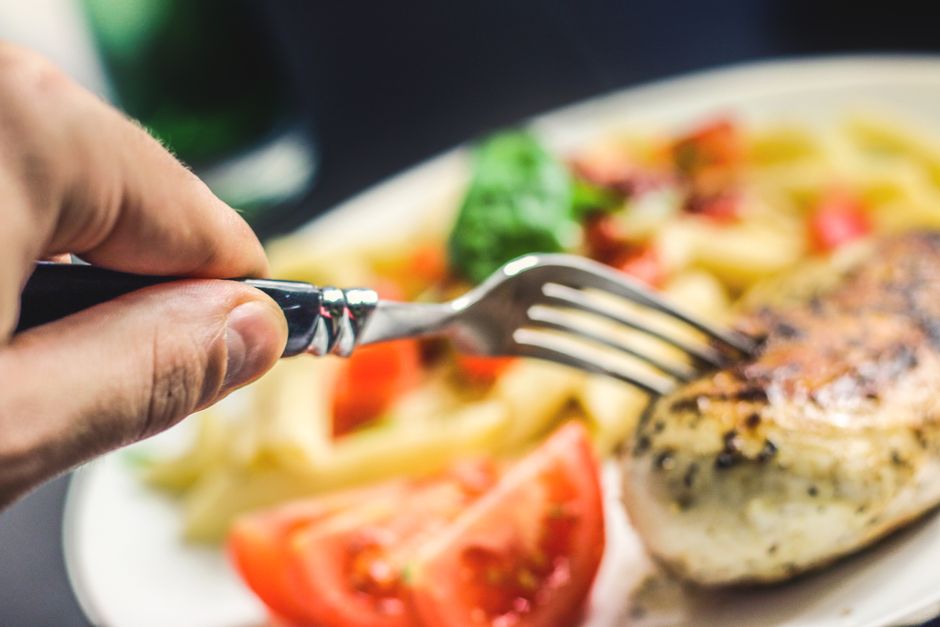
- Start with non-starchy vegetables. Fiber slows gastric emptying slightly and creates a kind of physical buffer in your stomach before more quickly digested carbohydrates arrive.
- Follow with protein and healthy fat. Both slow digestion and blunt sharp rises in blood sugar that can leave you feeling tired or mentally foggy an hour after eating.
- Eat starchy carbohydrates last. Rice, bread, pasta, and potatoes digest quickly. Eating them after fiber and protein means their glucose release is more gradual.
This is not about avoiding carbohydrates. It is about sequencing them in a way that keeps your energy steadier and your digestive system less overwhelmed. For a deeper look at this topic, protein sequencing for stable blood sugar explains the mechanism in more detail.

Meal Timing and Your Body Clock
Your body does not treat a meal at 7 a.m. and a meal at 10 p.m. identically. Your circadian rhythm, the internal 24-hour clock that governs sleep, hormones, and metabolism, also influences digestion.
Research from institutions including the Salk Institute and Harvard Medical School suggests that digestive enzyme activity, insulin sensitivity, and gut motility are all higher earlier in the day. Eating a larger proportion of your calories earlier, especially a nourishing breakfast and lunch, tends to support better digestion, more stable energy, and more restful sleep.
Late, heavy meals create a specific problem: your body is preparing for rest, but your digestive system is asked to handle a large workload. This mismatch can disrupt sleep quality and leave you waking up feeling less than refreshed. If you have noticed a connection between your evening meal and poor rest, meal timing for better sleep walks through practical adjustments you can make without skipping dinner.
A reasonable target for most adults: finish your last full meal two to three hours before bed. This is not a strict rule, but it gives your stomach time to empty and your body a clearer runway into sleep.

Eating Speed, Chewing, and the Satiety Delay
Digestive comfort is not only about scheduling. How fast you eat plays a meaningful role.
Satiety hormones, including GLP-1 and peptide YY, take approximately 15 to 20 minutes to signal fullness to your brain after food enters your stomach. Eating quickly means you often overshoot your actual comfort level before those signals catch up. The result: that heavy, overfull feeling that sets in about 20 minutes after finishing a fast meal.
Chewing thoroughly serves a mechanical purpose too. Saliva contains amylase, an enzyme that begins breaking down carbohydrates before food even reaches your stomach. Larger, poorly chewed pieces require more digestive work downstream, which can contribute to gas and discomfort.
Mindful eating practices, even simple ones like putting your fork down between bites, can meaningfully improve both the comfort and enjoyment of eating. Mindful eating without restriction offers practical techniques you can apply at any meal without turning eating into a performance.

Hydration Timing Around Meals
A persistent myth suggests that drinking water with meals “dilutes digestive juices” and harms digestion. Current evidence does not support this for most healthy adults. However, hydration timing does matter in a subtler way.
Drinking large amounts of fluid immediately before a meal may temporarily reduce appetite, which can be useful for portion awareness. Sipping water throughout a meal is generally fine and may even help with chewing and swallowing. Staying well hydrated between meals supports the mucus lining of your gut and overall motility.
If bloating is a concern, carbonated beverages with meals are worth reconsidering since the bubbles introduce gas into your digestive tract. Plain water remains your most supportive option. For more on how hydration affects energy and mood beyond digestion, hydration for energy and mood is a useful companion read.

One Small Change Worth Starting Today
Digestive comfort meal timing is less about perfection and more about consistent small shifts. You do not need to restructure every meal at once.
Pick one adjustment from this guide that feels realistic and relevant to where you are right now. Maybe that means adding a short gap between your last snack and dinner. Maybe it means eating your salad before your pasta a few nights this week. Maybe it simply means slowing down and chewing more deliberately.
If you want to keep building practical, evidence-informed eating habits, explore more guides in the Clean Body Mentor nutrition hub, or sign up for the newsletter for weekly wellness ideas you can actually use.
This article is for general educational and informational purposes only and is not a substitute for medical advice, diagnosis, or treatment. Health needs vary by individual. Consult a qualified healthcare professional before making significant changes to your diet, exercise routine, supplements, medication, or treatment plan, especially if you have a medical condition, are pregnant or breastfeeding, take medication, or have concerns about your symptoms.
Sources
- Shukla AP, et al. “Food Order Has a Significant Impact on Postprandial Glucose and Insulin Levels.” Diabetes Care, 2015. (American Diabetes Association)
- Greenwood DC, et al. Research on meal frequency and metabolic health. Published summaries available via PubMed (National Library of Medicine).
- Longo VD and Panda S. “Fasting, Circadian Rhythms, and Time-Restricted Feeding in Healthy Lifespan.” Cell Metabolism, 2016. (Salk Institute / Cell Press)
- Konturek PC, et al. “Gut clock: implication of circadian rhythms in the gastrointestinal tract.” Journal of Physiology and Pharmacology, 2011.
- National Institute of Diabetes and Digestive and Kidney Diseases (NIDDK). Digestive system overview. Available at niddk.nih.gov.