

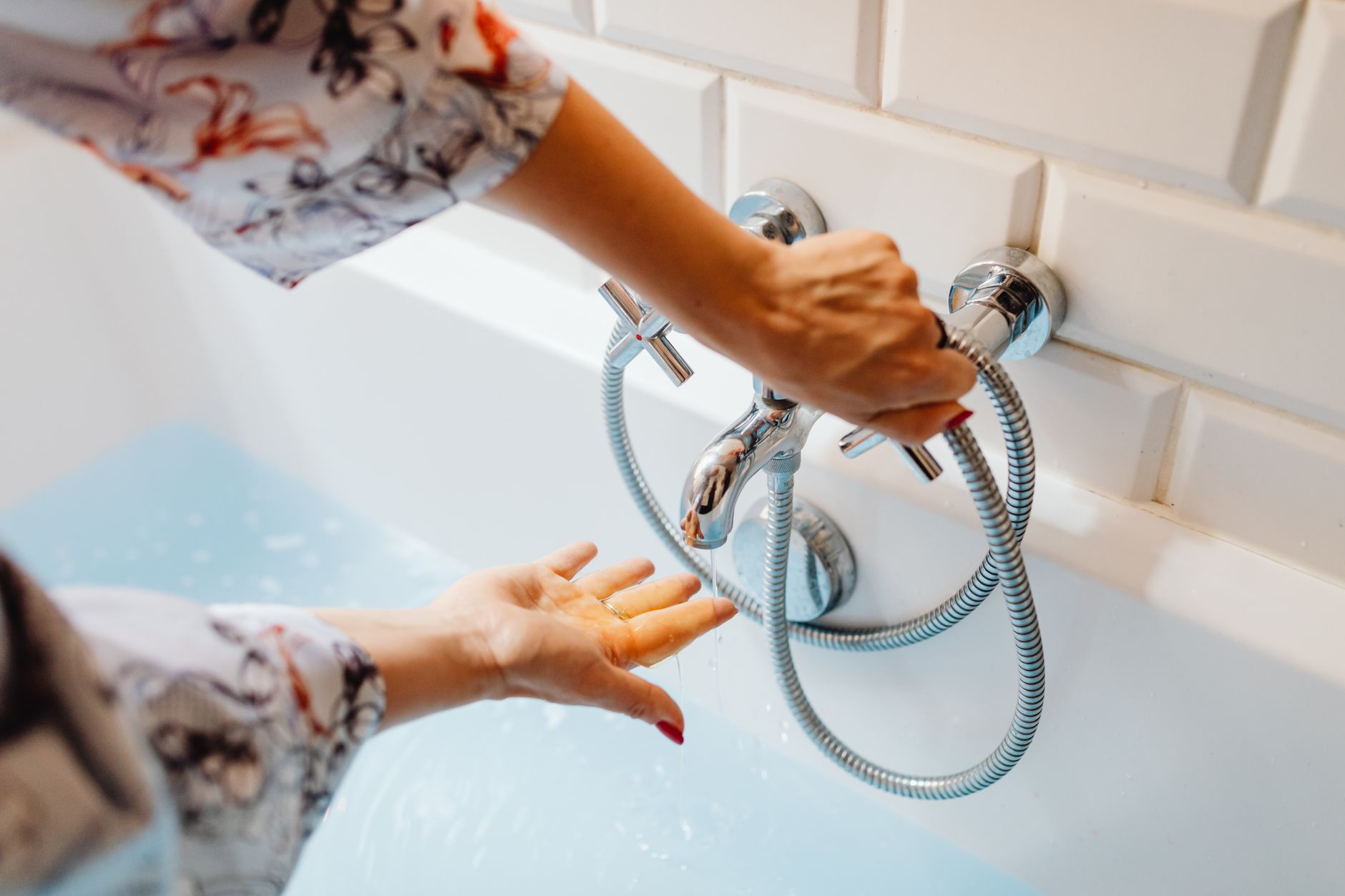
Most people reach for a cold shower after a hard workout and notice an immediate mood shift. What they rarely notice is what that temperature jolt is doing a few inches below their ribcage. Cold water therapy for digestion is a quieter conversation than the one about recovery or mental focus, but the physiology behind it is genuinely interesting and worth understanding before you turn that dial.
This guide walks through the emerging science, the practical protocols, and the honest limitations so you can decide whether cold exposure deserves a spot in your digestive wellness routine.

What Cold Water Actually Does to Your Body in the First 30 Seconds
The moment cold water contacts your skin, your nervous system registers a thermal threat. Your body initiates what researchers call a cold shock response: heart rate spikes briefly, breathing quickens, and the sympathetic nervous system (your fight-or-flight branch) fires up fast.
Within the next minute or two, something shifts. If you stay calm and breathe through the discomfort, the parasympathetic nervous system begins to reassert itself. That recovery is where the digestive connection lives.
The parasympathetic system governs what physiologists sometimes call rest-and-digest functions. It slows the heart, calms the stress response, and signals the gastrointestinal tract to resume normal motility. Regular, deliberate exposure to cold stress may help the body rehearse this sympathetic-to-parasympathetic switch, potentially improving what researchers call vagal tone, your vagus nerve’s capacity to regulate that transition efficiently.
The Vagus Nerve: Your Gut’s Direct Line to the Brain
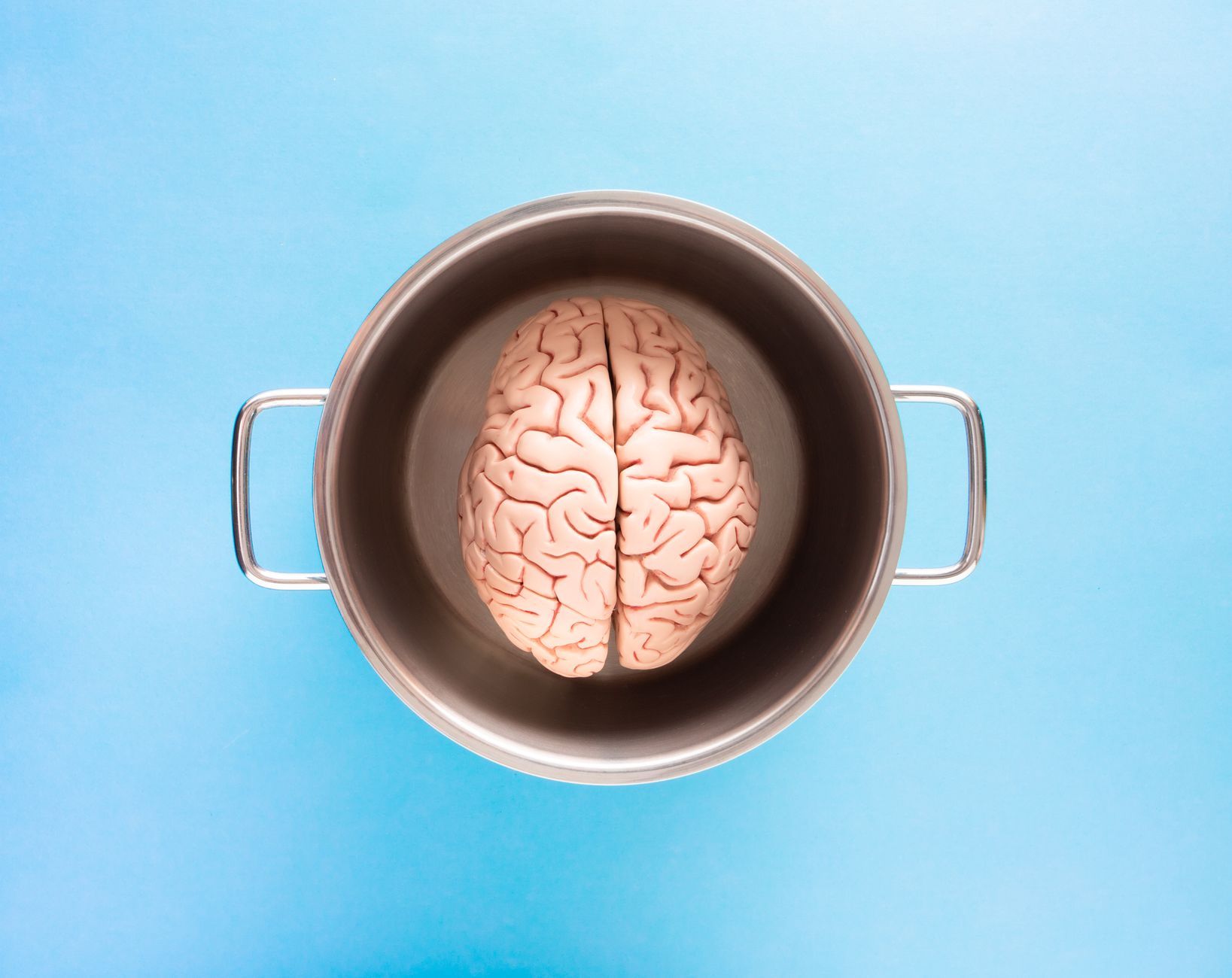
The vagus nerve runs from the brainstem through the neck, chest, and abdomen, communicating bidirectionally with the stomach, small intestine, and large intestine. High vagal tone is associated with better heart rate variability, more effective stress recovery, and, according to research published in the journal Neurogastroenterology and Motility, stronger gut motility regulation.
Cold water exposure, particularly when applied to the face or the back of the neck, stimulates the diving reflex, a parasympathetic response that activates the vagus nerve directly. This is a well-documented mechanism: a 2021 review in Frontiers in Physiology noted that cold face immersion reliably triggers vagal activation and lowers heart rate.
Whether that vagal activation translates to measurable improvements in digestion over time is still an area of active research. The connection is biologically plausible and preliminary evidence is encouraging, but it is too early to call it a proven digestive treatment. Think of it as one input in a system with many levers.
If you are curious about how breathwork works through a similar pathway, Building Emotional Resilience Through Breathwork: A Four-Week Progressive Practice for Stress Relief covers the overlap between breath control, vagal tone, and stress recovery in practical detail.
How Temperature Stress May Influence Gut Motility and Absorption
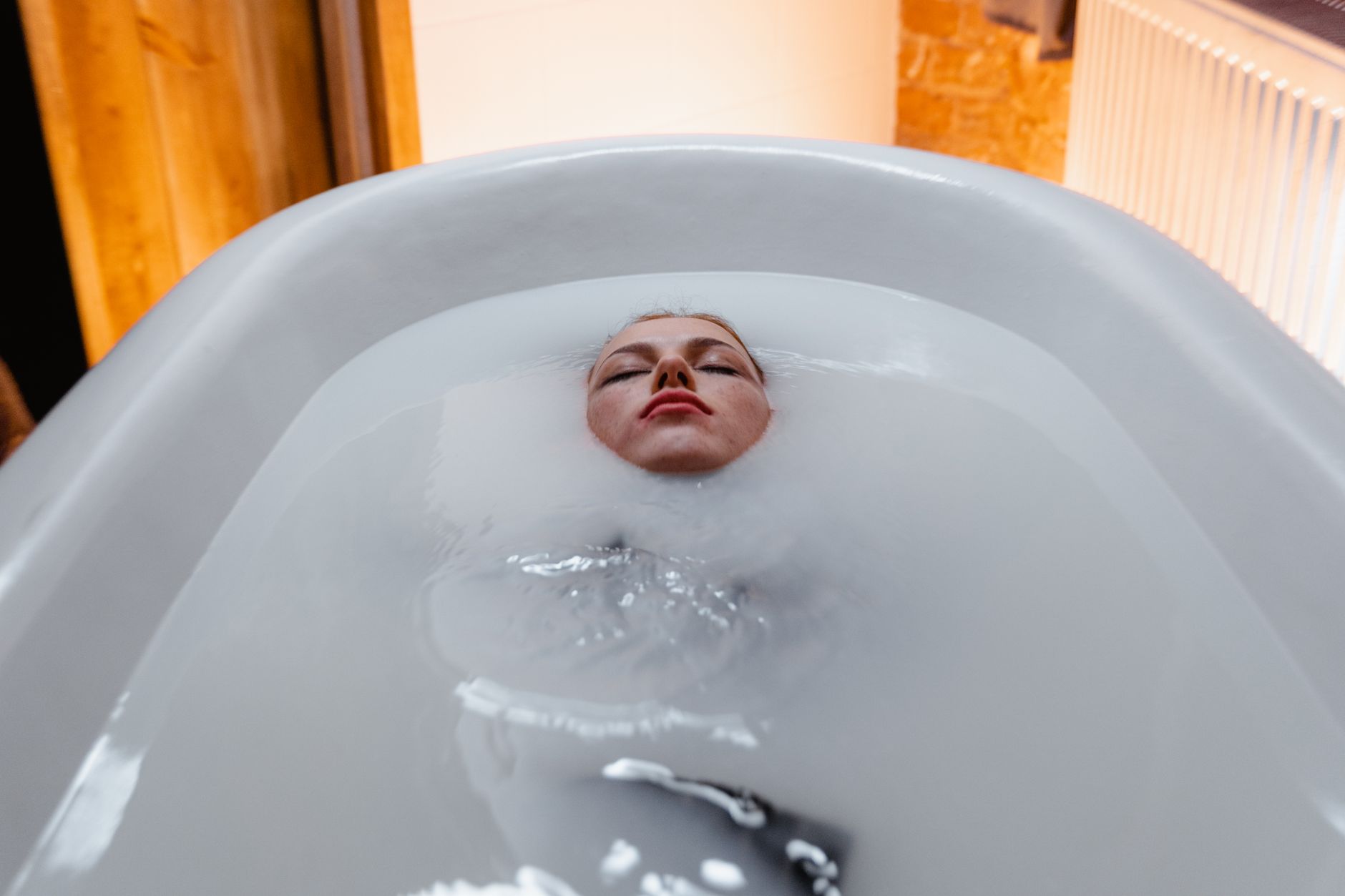
Gut motility, the rhythmic muscle contractions that move food through the digestive tract, is partly regulated by the enteric nervous system (sometimes called the second brain) and partly by signals from the vagus nerve and stress hormones.
Chronic psychological stress tends to disrupt motility, contributing to sluggishness or irregularity. Cold exposure introduces a brief, controlled physical stressor that is different in character from psychological stress. Rather than the prolonged cortisol elevation seen with chronic anxiety, an acute cold stimulus produces a sharp but short stress response followed by a parasympathetic rebound.
Some researchers speculate that this rebound may help reset gut motility patterns, particularly in people whose digestion has been dulled by sedentary habits or low vagal tone. The relationship between movement, the nervous system, and digestion is explored in more depth in Digestive Sluggishness on Rest Days: Why Your Gut Slows Without Movement and How to Eat Lighter Without Restriction, which pairs well with this topic.
Nutrient absorption is a downstream variable. If motility improves and the gut-brain axis communicates more efficiently, absorption may benefit indirectly. No studies have directly measured changes in nutrient absorption from cold water protocols alone, so this remains a reasonable hypothesis rather than a confirmed outcome.

A Beginner-Friendly Cold Exposure Protocol
If you want to explore cold water therapy for digestion and overall nervous system health, start small and build tolerance gradually. The goal is to stimulate the adaptation, not to endure unnecessary discomfort.
Week 1 to 2: Cold Finish
- End your normal warm shower with 20 to 30 seconds of cold water
- Keep water at the coldest comfortable setting
- Focus on slow, nasal breathing throughout
Week 3 to 4: Extend and Breathe
- Extend the cold phase to 60 to 90 seconds
- Try brief cold water on the face and back of the neck to target the diving reflex
- Notice how quickly your breathing settles; this is a rough proxy for vagal responsiveness
Week 5 and beyond: Optional Cold Immersion
- If you are ready, cold plunge tubs, cool baths, or open-water swimming in appropriate conditions offer longer exposure
- Keep initial immersions to 2 to 3 minutes at temperatures between roughly 50 and 60 degrees Fahrenheit (10 to 15 degrees Celsius)
- Never practice cold immersion alone
For a side-by-side look at cold plunges compared to sauna recovery, Cold Water Plunges vs. Sauna Sessions: Which Recovery Method Actually Works for You gives an honest comparison of the evidence for each approach.

When Cold Exposure May Help or Hinder Digestion
Cold water therapy is not universally beneficial for the gut. Timing matters.
When it may help:
- As a morning routine practice that activates the parasympathetic system before eating
- As a tool for reducing chronic stress that is already disrupting digestive patterns
- As one part of a broader gut-nervous system wellness approach that includes good sleep, varied movement, and balanced nutrition
When to be cautious:
- Immediately after a large meal: cold exposure redirects circulation away from the digestive organs, potentially slowing gastric emptying temporarily. Wait at least 60 to 90 minutes after eating
- If you have irritable bowel syndrome or inflammatory bowel conditions, check with a gastroenterologist before experimenting; cold stress can be unpredictable for sensitive guts
- During illness, pregnancy, or if you have cardiovascular conditions: cold immersion carries real physiological risk and requires medical clearance
Small Habit, Meaningful Signal
Cold water therapy for digestion is not a replacement for the basics: fiber-rich meals, consistent movement, adequate sleep, and managed stress. What it may offer is a practical, low-cost way to train the gut-brain axis through repeated, controlled stress and recovery cycles.
If this idea resonates with you, pick one entry point from the protocol above and practice it consistently for two weeks before deciding whether it belongs in your routine. Sustainable habits built gradually tend to outperform ambitious ones abandoned by week three.
For more on the connections between breathing, nervous system health, and gut function, the article on Breathwork for Digestion: How Intentional Breathing Stops Afternoon Bloating Better Than Food Swaps is a natural next step. And if you want broader digestive support across different life circumstances, Building Digestive Resilience When Your Routine Changes: How to Eat Through Travel, Shift Work, and Seasonal Transitions offers a practical companion framework.
This article is for general educational and informational purposes only and is not a substitute for medical advice, diagnosis, or treatment. Health needs vary by individual. Consult a qualified healthcare professional before making significant changes to your diet, exercise routine, supplements, medication, or treatment plan, especially if you have a medical condition, are pregnant or breastfeeding, take medication, or have concerns about your symptoms.

Sources
- Brunt, V. E., et al. (2016). Passive heat therapy improves endothelial function. Journal of Physiology. (Context for thermal stress physiology.)
- Manik, M. K., et al. (2021). Cardiovascular autonomic effects of cold face immersion. Frontiers in Physiology.
- Browning, K. N., and Travagli, R. A. (2014). Central nervous system control of gastrointestinal motility and secretion. Physiological Reviews.
- Mayer, E. A. (2011). Gut feelings: the emerging biology of gut-brain communication. Nature Reviews Neuroscience. (Foundational overview of the gut-brain axis.)
- Thayer, J. F., et al. (2012). A meta-analysis of heart rate variability and neuroimaging studies. Neuroscience and Biobehavioral Reviews. (Vagal tone and regulatory function.)


