

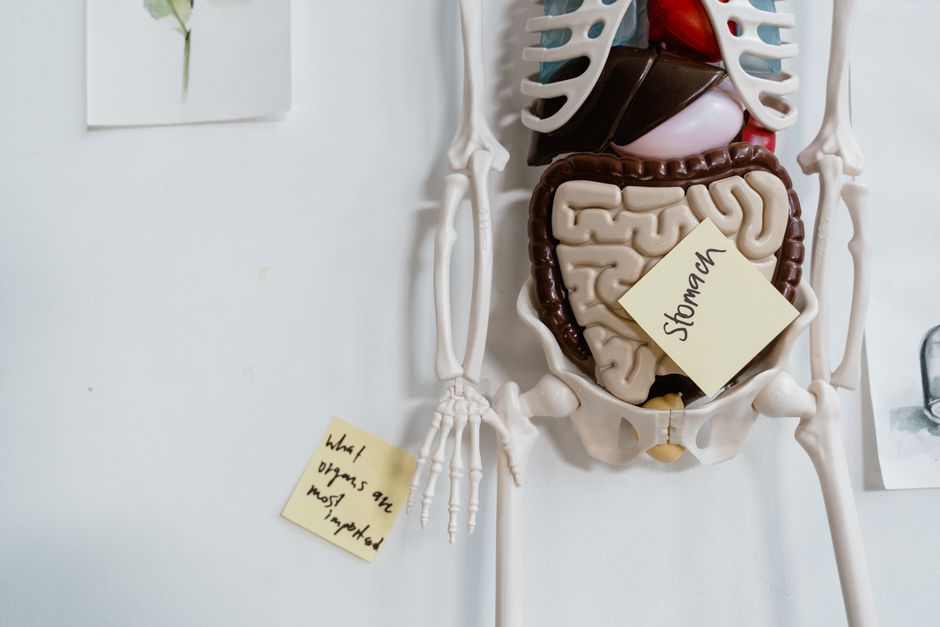
By 2 p.m., the familiar pressure starts. Your waistband feels tighter, your stomach gurgles, and your first instinct is to blame lunch. Maybe it was the beans. Maybe too much bread. So you start mentally drafting a new food plan.
But here is the thing: for many people, the real driver of afternoon bloating is not what they ate. It is how they breathed, sat, and moved after they ate. Shallow chest breathing, hunched posture, and rushing through a meal all suppress the parasympathetic nervous system, the branch of your autonomic nervous system that actually runs digestion.
This tutorial covers three progressive breathwork techniques specifically for digestion. Each takes under five minutes, requires no equipment, and can be practiced at your desk. No meal overhaul needed.

Why Breathing Affects Your Gut
Your digestive system is controlled largely by the vagus nerve, the longest cranial nerve in the body. The vagus nerve signals your stomach to contract, your intestines to move food along (a process called peristalsis), and your digestive glands to secrete enzymes. It operates best in a parasympathetic, or “rest-and-digest,” state.
When you breathe shallowly using only your chest, your body interprets the pattern as low-grade stress. This activates the sympathetic nervous system and dials down vagal tone, which can slow gastric emptying, increase gas retention, and create the tight, bloated feeling you are trying to fix.
Research published in the journal Neurogastroenterology and Motility suggests that diaphragmatic breathing significantly improves gastrointestinal symptoms and quality of life in people with functional digestive disorders. Even outside clinical settings, the mechanism is straightforward: deep belly breathing stimulates the vagus nerve, restores parasympathetic tone, and helps your gut do its job.
If you have already explored how posture and breathing affect digestion after meals, you know that how you sit and breathe can reshape your gut comfort without touching your menu. This tutorial builds on that foundation by giving you a structured sequence to follow.
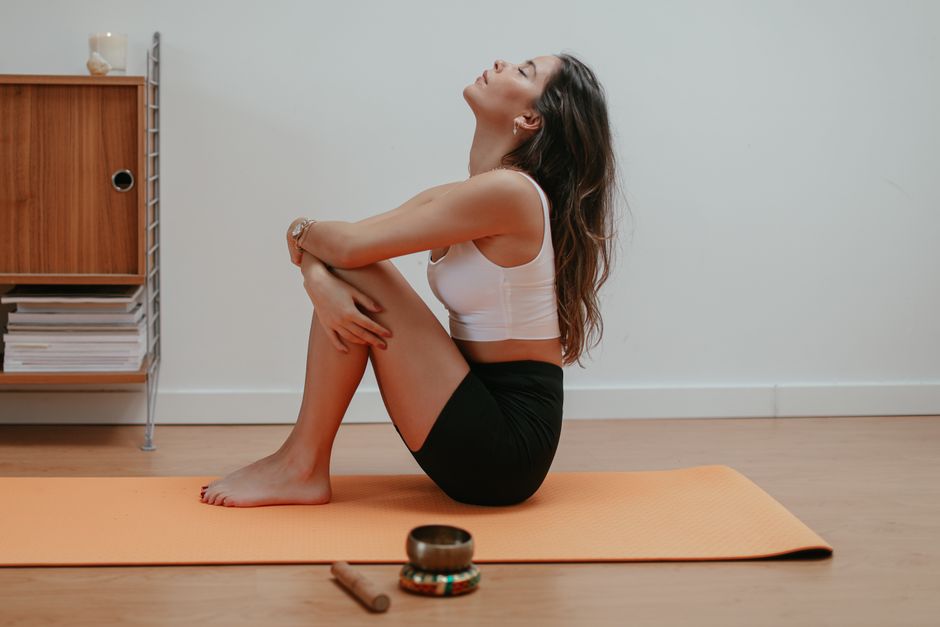
Technique 1: Diaphragmatic Reset (Best Right After a Meal)
This is the starting point for breathwork for digestion. Use it within 15 to 20 minutes after lunch to shift your body from “stress mode” into the parasympathetic state digestion actually requires.
How to do it:
- Sit upright with both feet flat on the floor. Uncross your legs.
- Place one hand on your chest and one on your belly.
- Inhale slowly through your nose for a count of four, letting your belly press forward (not your chest).
- Hold gently for one count.
- Exhale slowly through your nose or slightly parted lips for a count of six.
- Repeat for eight to ten breath cycles, about two minutes total.
The extended exhale is key. A longer exhale relative to the inhale is what activates the parasympathetic response. If a 4-6 count feels hard at first, start with 3-5 and build from there.

Technique 2: Box Breathing for Mid-Afternoon Gut Tension
If your bloating tends to peak between 2 and 4 p.m. alongside an energy dip, your nervous system state is part of the picture. Afternoon cortisol fluctuations can tighten smooth muscle in the gut, contributing to cramping and trapped gas. Box breathing interrupts that cycle.
It is worth noting that afternoon energy crashes and blood sugar patterns often accompany this same stress window, so the two issues sometimes share a root cause.
How to do it:
- Sit tall or stand with relaxed shoulders.
- Exhale completely to clear your lungs.
- Inhale through your nose for four counts.
- Hold for four counts.
- Exhale for four counts.
- Hold the empty breath for four counts.
- Repeat for four to six full cycles, about three minutes.
Box breathing was originally developed for use in high-stress professions (the U.S. Navy SEAL training manual includes it), but its application for gut tension is practical and accessible. The equal inhale-hold-exhale-hold pattern regulates heart rate variability, which is closely linked to vagal tone and digestive function.

Technique 3: Pursed-Lip Abdominal Release (For Active Bloating and Gas Discomfort)
When you are actively bloated and uncomfortable mid-afternoon, this slower technique helps relax the muscles around the abdomen and may encourage gas to move through the intestines more comfortably.
How to do it:
- Lie on your back if possible, or recline slightly in your chair.
- Place both hands lightly on your lower abdomen.
- Inhale through your nose for four counts, expanding your belly fully.
- Exhale slowly through pursed lips (as if cooling a spoonful of soup) for eight to ten counts.
- As you exhale, gently draw your belly button in and downward, creating mild internal compression.
- Repeat for six to eight cycles.
The slow pursed-lip exhale extends exhalation time, which deepens parasympathetic activation. The gentle abdominal compression during exhalation provides light manual stimulation to the intestines. Think of it as a non-invasive internal massage.
For a broader perspective on how emotional stress freezes digestion, the guide on stress, digestion, and what breathwork actually fixes goes deeper into the gut-brain axis and when professional support may be appropriate.

Building a Realistic Workday Breathing Routine
The techniques above are most useful when practiced consistently rather than only during a crisis. Here is a simple structure that fits into a typical workday without requiring dedicated breaks:
- After lunch (2 minutes): Diaphragmatic reset before returning to your screen.
- Around 2:30 to 3 p.m. (3 minutes): Box breathing at your desk, ideally between tasks.
- If discomfort peaks (3 to 5 minutes): Pursed-lip abdominal release, ideally with a brief walk to the bathroom or a quiet corner.
If you are also dealing with how desk posture contributes to your symptoms, the article on digestive bloating from desk posture and stretches that help pairs well with this breathing practice as a combined five-minute intervention.
Consistency matters more than perfection here. Even practicing the diaphragmatic reset daily after lunch, and nothing else, may produce noticeable changes in gut comfort within a week or two.
A Note on When Bloating Needs More Than Breathwork
Breathwork for digestion is a genuinely useful tool, but it is not a treatment for underlying conditions. If your bloating is severe, persistent, accompanied by pain, blood in stool, unexplained weight changes, or significant changes in bowel habits, those symptoms warrant a conversation with a qualified healthcare professional. Breathwork is a complement to good care, not a replacement for it.

Sources
- Martino, G. et al. (2019). “Diaphragmatic Breathing and Its Effectiveness for the Management of Motion Sickness.” Neurogastroenterology and Motility (the diaphragmatic breathing-GI symptom relationship is supported by research in this and related journals; cite the specific NIH PubMed record for “diaphragmatic breathing functional gastrointestinal disorder” for precision).
- National Institutes of Health, National Center for Complementary and Integrative Health: information on mind-body practices and digestive health (nccih.nih.gov).
- Breit, S. et al. (2018). “Vagus Nerve as Modulator of the Brain-Gut Axis in Psychiatric and Inflammatory Disorders.” Frontiers in Psychiatry. Available via PubMed.
This article is for general educational and informational purposes only and is not a substitute for medical advice, diagnosis, or treatment. Health needs vary by individual. Consult a qualified healthcare professional before making significant changes to your diet, exercise routine, supplements, medication, or treatment plan, especially if you have a medical condition, are pregnant or breastfeeding, take medication, or have concerns about your symptoms.
Choose one technique from this tutorial and try it tomorrow after lunch. Even two minutes of diaphragmatic breathing is a meaningful starting point. For more practical guidance on digestion, movement, and sustainable wellness habits, consider subscribing to the Clean Body Mentor newsletter.


