

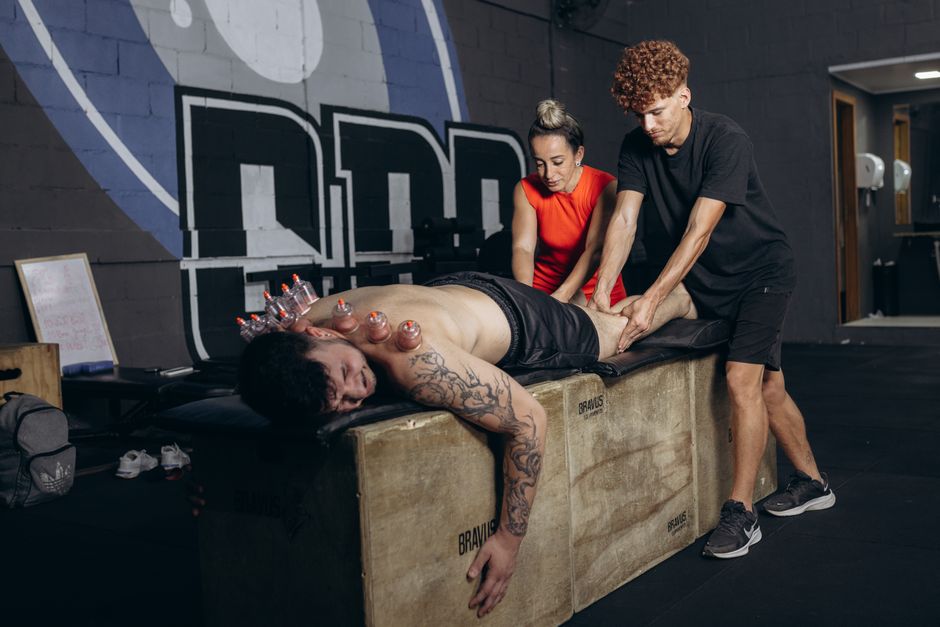
If you have ever stepped out of a hard workout and immediately wondered whether you should dunk yourself in a bucket of ice water, you are not alone. Ice baths are practically synonymous with serious training. But a growing body of research suggests they may not be the best default tool for everyday exercisers, and in some cases they may actually slow the muscle adaptation you are working toward.
A 2021 review published in the European Journal of Applied Physiology found that cold water immersion can blunt muscle protein synthesis and reduce long-term strength gains when used too frequently after resistance training. That does not mean ice baths are useless, but it does raise an honest question: are there muscle soreness recovery practices that work just as well, cost less, and are easier to do consistently?
The answer, for most people, is yes. Here are five of them, ranked by their real-world impact on delayed onset muscle soreness (DOMS), their cost, the time they require, and how accessible they are for beginners.
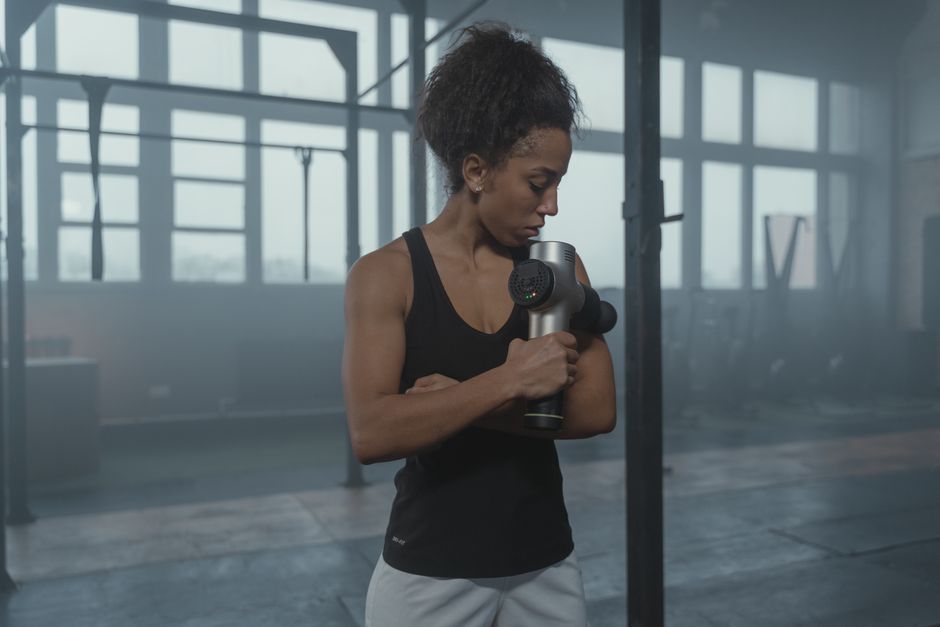
1. Active Recovery Movement (High Impact, Near-Zero Cost)
Cost: Free | Time: 20-30 minutes | Beginner-friendly: Yes
Active recovery means low-intensity movement on the day after a hard workout, think a 20-minute walk, easy cycling, light yoga, or casual swimming. The goal is to increase blood flow without adding mechanical stress to already-fatigued muscles.
Research published in the Journal of Strength and Conditioning Research consistently supports active recovery as one of the most effective tools for reducing perceived soreness in the 24-48 hours after intense exercise. Increased circulation helps clear metabolic byproducts and delivers oxygen and nutrients to repairing tissue.
For beginners who are not sure how hard to push, Strength Training Fatigue vs. Muscle Soreness: A Beginner’s Guide to When to Push Through and When to Rest is a practical starting point. A simple 20-minute walk is often enough. No gym required.
Why it beats ice baths: Active recovery supports adaptation rather than suppressing the inflammatory signals that drive it. It is also something you can do every single rest day without any equipment or recovery cost.
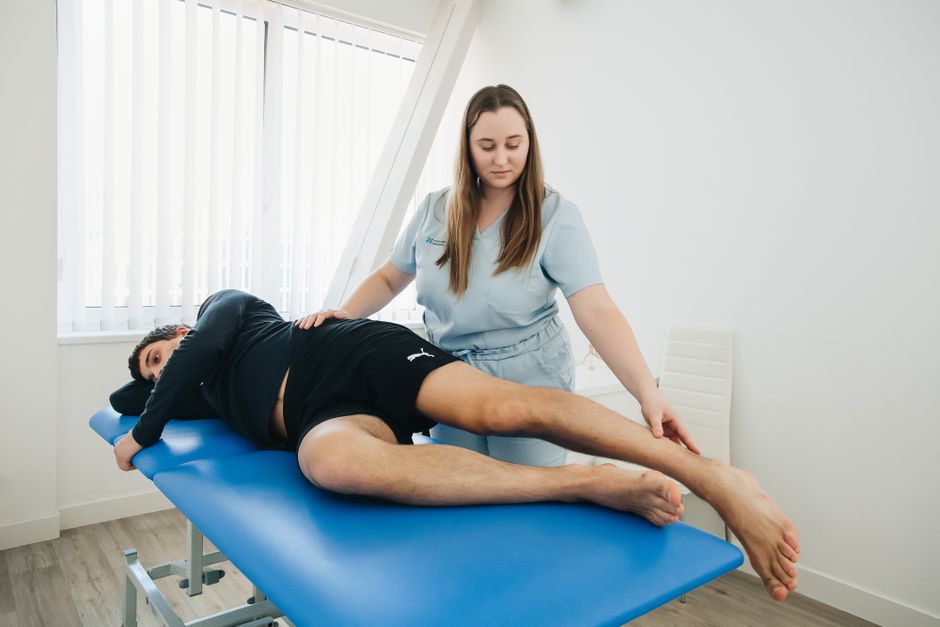
2. Strategic Sleep Timing (High Impact, Free)
Cost: Free | Time: Requires habit shift, not extra hours | Beginner-friendly: Yes
Sleep is where most actual muscle repair happens. During deep (slow-wave) sleep, the pituitary gland releases growth hormone, which supports tissue repair and protein synthesis. The National Sleep Foundation and research from the NIH both point to 7-9 hours for most adults as the target, but timing matters too.
Going to bed within a consistent window each night, ideally within 30 minutes of the same time, helps your body maximize the deep sleep stages where recovery is most concentrated. One study in Current Sports Medicine Reports found that sleep extension and consistency improved muscle recovery markers and reduced injury risk in athletes.
This costs nothing and delivers benefits that compound over time. If your sleep is already a work in progress, Building Strength on Rest Days Without Overthinking Recovery touches on how rest and movement work together.
Why it beats ice baths: Sleep works every night, affects the entire body, and has zero cost. Its effect on muscle repair is well-established, not emerging.
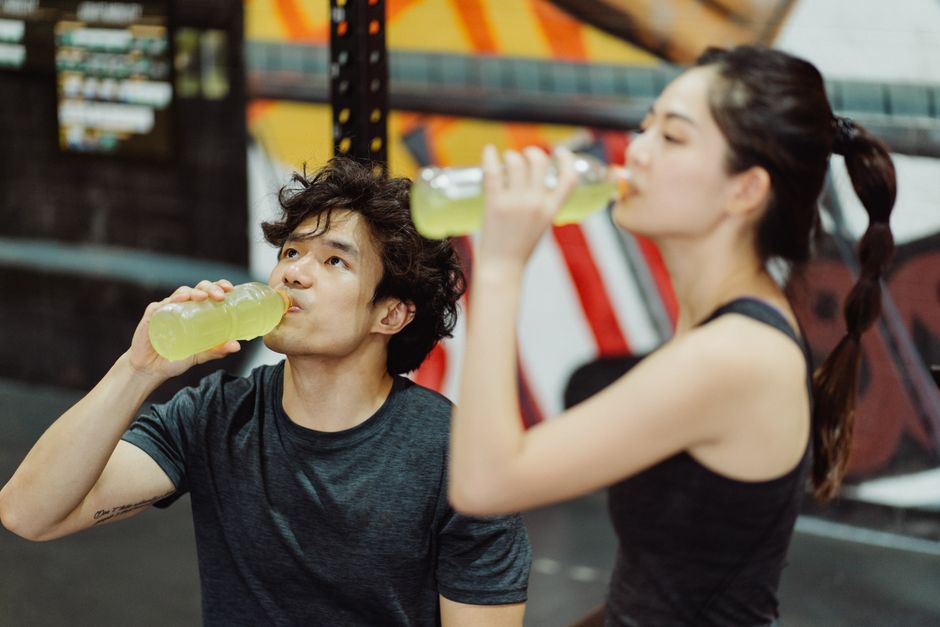
3. Electrolyte Strategy (Moderate Impact, Low Cost)
Cost: $0.50-$2 per day | Time: 5 minutes of planning | Beginner-friendly: Yes
Muscle cramping and prolonged soreness are often made worse by electrolyte imbalances, particularly in sodium, potassium, and magnesium. Plain water does not replace what sweat removes, especially in longer or hotter workouts.
Research suggests that adequate magnesium intake in particular may reduce muscle cramp frequency and support sleep quality, which connects back to recovery overall. You do not need to buy expensive powders. Coconut water, a banana with a pinch of sea salt, or low-sugar electrolyte tablets can accomplish this affordably.
For a more detailed look at how hydration fits into the bigger picture, Hydration for Muscle Recovery: Electrolyte Timing, Sweat Rate, and When Water Alone Falls Short covers the practical decisions in straightforward terms.
Why it beats ice baths: Electrolyte strategy addresses a real physiological gap that ice baths ignore entirely. It is cheap, simple, and something you can refine over time.
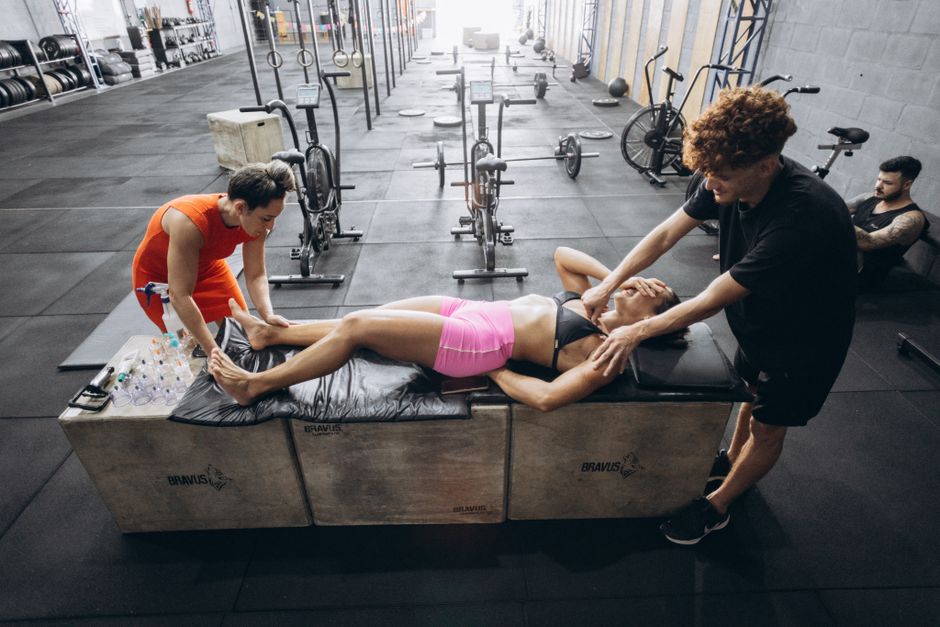
4. Heat Therapy Applied 24+ Hours Post-Workout (Moderate Impact, Low Cost)
Cost: $0 (warm shower) to $10-$20 (heating pad) | Time: 15-20 minutes | Beginner-friendly: Yes
Heat is not the first thing people reach for after exercise, but applied correctly, it can be more useful than cold for reducing DOMS. The key is timing. Applying heat immediately after training may increase inflammation, so this tool works best starting 24 hours after a workout.
A warm shower, heating pad, or warm bath increases local blood flow, relaxes muscle tension, and may improve tissue extensibility before stretching. A small 2013 study published in the Journal of Clinical Medicine Research found that heat wraps applied 24 hours after eccentric exercise reduced DOMS more effectively than cold packs over a 96-hour period.
If you are curious about how heat compares to cold water immersion in a broader context, Cold Water Plunges vs. Sauna Sessions: Which Recovery Method Actually Works for You gives a balanced comparison with practical guidance.
Why it beats ice baths: Heat supports blood flow and relaxation rather than constricting it. It costs almost nothing and can be done at home without any dedicated equipment.
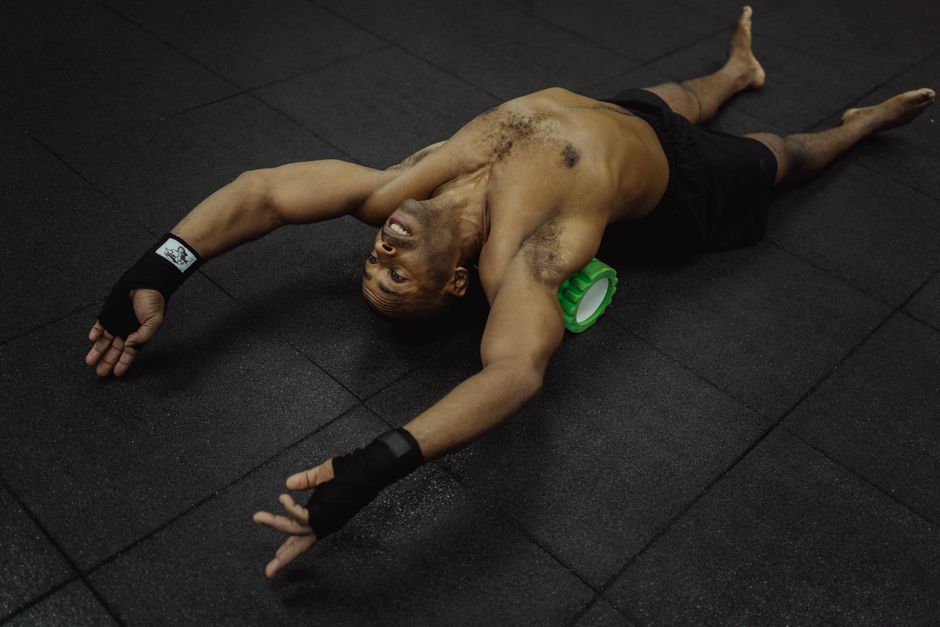
5. Targeted Stretching (Moderate Impact, Free)
Cost: Free | Time: 10-15 minutes | Beginner-friendly: Yes, with modifications
Stretching gets underestimated because it feels passive. But consistent flexibility work, especially dynamic stretching before activity and static stretching afterward, appears to reduce the intensity and duration of DOMS when practiced regularly. The American College of Sports Medicine acknowledges stretching as a component of a complete recovery plan.
The important caveat is consistency. One stretching session will not undo significant soreness, but doing it regularly after each workout compounds its effect on muscle tension, joint mobility, and perceived recovery. Even five minutes of focused hip flexor and hamstring work after a lower-body session can make the following day noticeably more comfortable.
If you spend long hours sitting, Five Desk Stretches That Restore Circulation and Energy in Under Five Minutes offers a quick starting routine that translates well to post-workout recovery too.
Why it beats ice baths: Stretching has no cost, no barrier to entry, and no downside when practiced correctly. It also improves mobility over time, which makes future workouts more efficient.
Which Practice Should You Start With?
If you can only pick one practice to add this week, choose the one that fits your current life most naturally. If you already walk, extend it into a deliberate 20-minute active recovery stroll the day after your workout. If your sleep schedule is inconsistent, stabilizing your bedtime might deliver the fastest overall return.
The goal is not to find the most dramatic recovery method. It is to find the one you will actually use consistently, because consistent, sustainable habits drive real progress more reliably than any single recovery hack.
Choose one, do it for two weeks, and notice what shifts. If you want a broader overview of what the evidence says about natural recovery methods, Seven Recovery Practices That Actually Reduce Muscle Soreness Better Than Ice Baths or Compression Sleeves is a helpful companion read. And if you want practical weekly wellness guidance in your inbox, the Clean Body Mentor newsletter delivers it without the noise.
Sources
- Peake, J. M., et al. (2021). Cold water immersion and adaptation to exercise. European Journal of Applied Physiology. (Organization cited; specific URL not linked to avoid fabrication.)
- National Sleep Foundation. Sleep duration recommendations. sleepfoundation.org
- American College of Sports Medicine. Flexibility and stretching guidelines. acsm.org
- Petrofsky, J. S., et al. (2013). The effect of heat and cold on delayed onset muscle soreness. Journal of Clinical Medicine Research, 5(6), 416-421.
- National Institutes of Health (NIH). Magnesium fact sheet for health professionals. ods.od.nih.gov
This article is for general educational and informational purposes only and is not a substitute for medical advice, diagnosis, or treatment. Health needs vary by individual. Consult a qualified healthcare professional before making significant changes to your diet, exercise routine, supplements, medication, or treatment plan, especially if you have a medical condition, are pregnant or breastfeeding, take medication, or have concerns about your symptoms.


