

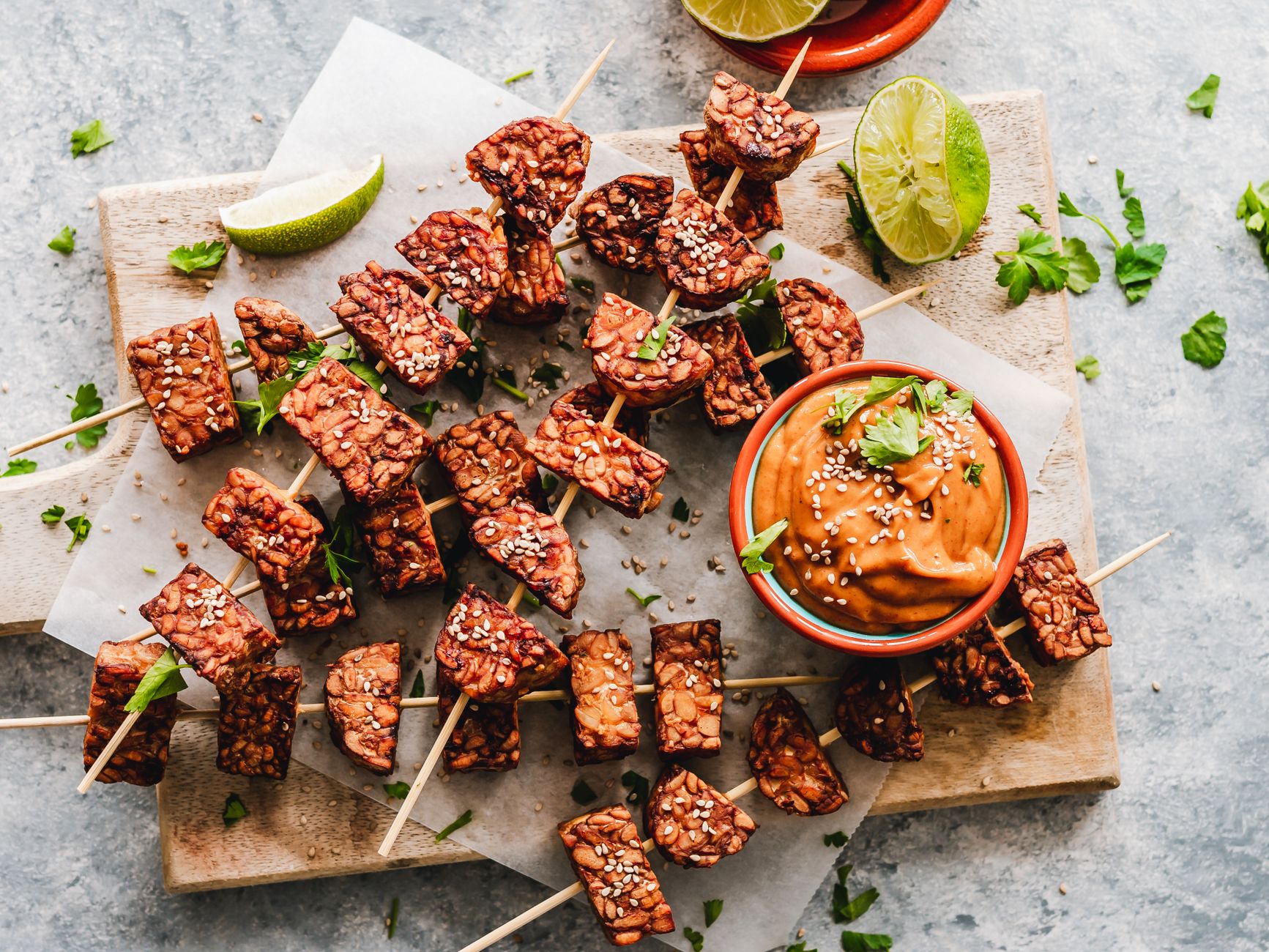
One of the most common reasons people hesitate to eat more plant-forward dinners is a quiet worry: will I actually feel full, and am I getting enough protein? Both are fair questions, and the answer to each is yes, as long as you pair foods thoughtfully.
You do not need protein powders, pricey meat alternatives, or any single “superfood” to cover all nine essential amino acids at dinner. Research from the NIH Office of Dietary Supplements confirms that combining complementary plant proteins throughout the day, or in a single meal, reliably meets essential amino acid needs for most healthy adults.
The five combinations below are ranked by real-world cost per serving, satiety, and ease of prep. Each one is a practical plant-based complete protein dinner recipe you can build tonight.
For a deeper look at which individual whole foods score highest for amino acid completeness, see Plant Protein Completeness Ranked: Which Whole Foods Deliver All Nine Amino Acids Without Powder or Meat.
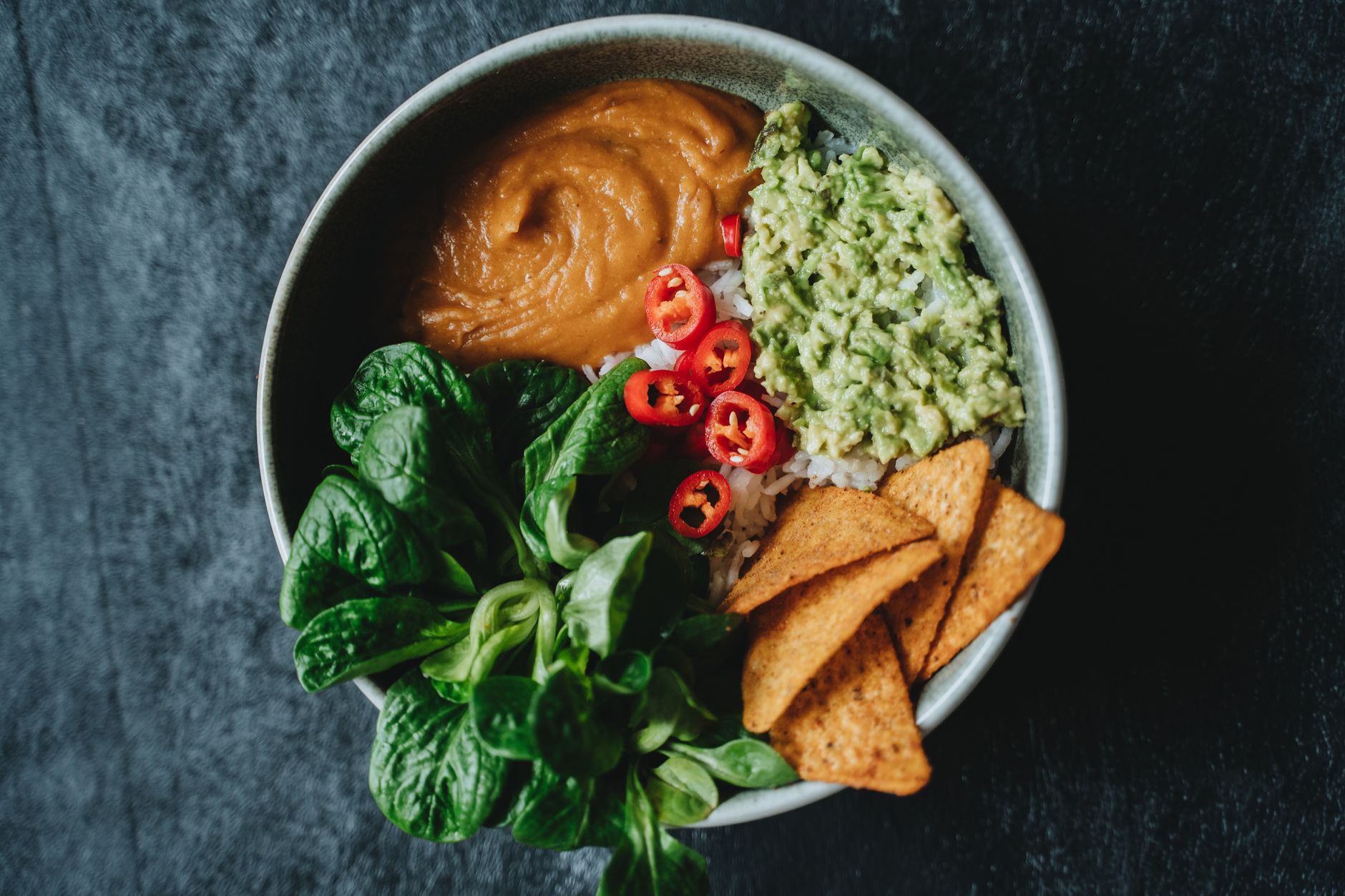
How These Combinations Were Evaluated
Each combination was assessed on three factors:
- Amino acid completeness: Does the pairing, together, cover all nine essential amino acids in meaningful amounts?
- Cost per serving: Based on average U.S. grocery prices for shelf-stable and common produce items. All five come in under $3.00 per serving.
- Hunger satisfaction: Protein content, fiber load, and healthy fat content all influence how long a meal holds you. Each combination was selected to deliver at least 15 to 20 grams of protein per serving.
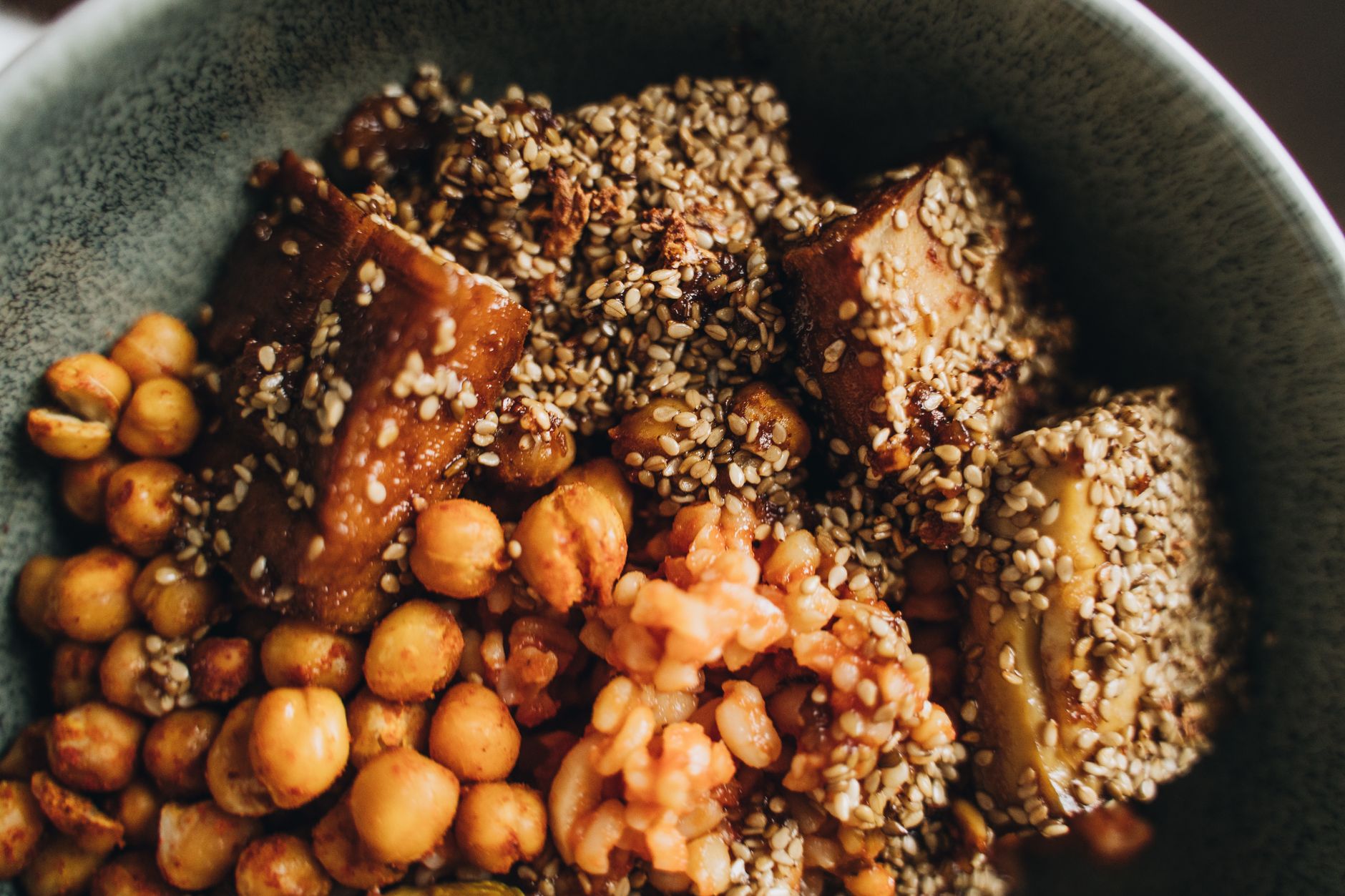
The Five Combinations, Ranked
1. Black Beans and Brown Rice With Roasted Peppers
Cost per serving: approximately $1.10
This is the gold standard of budget plant protein. Black beans supply lysine, which rice lacks, and brown rice rounds out the methionine content that legumes tend to come up short on. Together, they form a genuinely complete amino acid profile. Add roasted bell peppers for vitamin C (which supports iron absorption from the beans) and a drizzle of olive oil for staying power.
A half-cup serving of cooked black beans delivers roughly 7 to 8 grams of protein, and a cup of brown rice adds another 5 grams, bringing a full plate to around 18 to 20 grams total before toppings. This is an excellent starting point if you are new to plant-forward eating and want a recognizable, filling base.
2. Lentil and Quinoa Stew With Wilted Spinach
Cost per serving: approximately $1.60
Quinoa is one of the few single plant foods that is considered a complete protein on its own, containing all nine essential amino acids (per USDA FoodData Central data). Pairing it with lentils amplifies total protein and adds substantial fiber, which slows digestion and extends fullness. Wilted spinach brings iron, magnesium, and folate into the bowl.
This combination works especially well for meal prep. A big pot of lentil-quinoa stew keeps well for four days in the fridge, making it one of the most practical plant-based complete protein dinner recipes for a busy week.
If you are building out your whole week of balanced meals, Five Plant-Based Lunch Combinations That Deliver Complete Protein and Stop Afternoon Bloating pairs naturally with this dinner plan.
3. Edamame and Farro Bowl With Sesame and Cucumber
Cost per serving: approximately $1.90
Edamame (young soybeans) is another complete protein plant food, delivering around 17 grams of protein per cooked cup. Farro, an ancient wheat grain, adds texture, B vitamins, and additional amino acids that make this bowl nutritionally dense without feeling heavy. Tahini (sesame paste) used as a dressing contributes healthy fats and a small but meaningful bump in methionine.
The flavor profile here is fresh and satisfying, which matters, because a dinner you enjoy eating is a dinner you will actually repeat. This bowl comes together in about 20 minutes if you use pre-shelled frozen edamame.
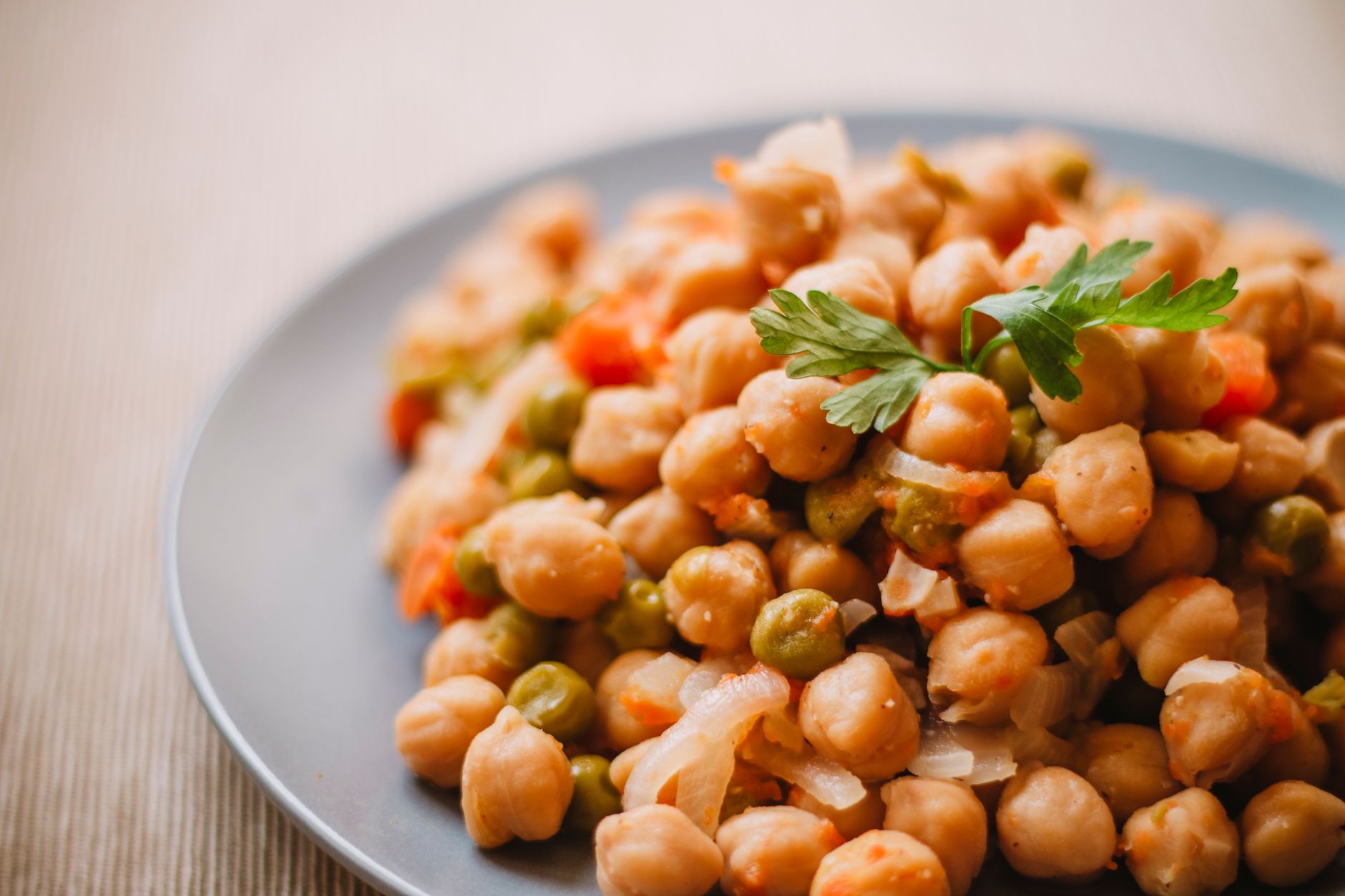
4. Chickpea and Whole-Wheat Pita With Hummus and Tabbouleh
Cost per serving: approximately $2.10
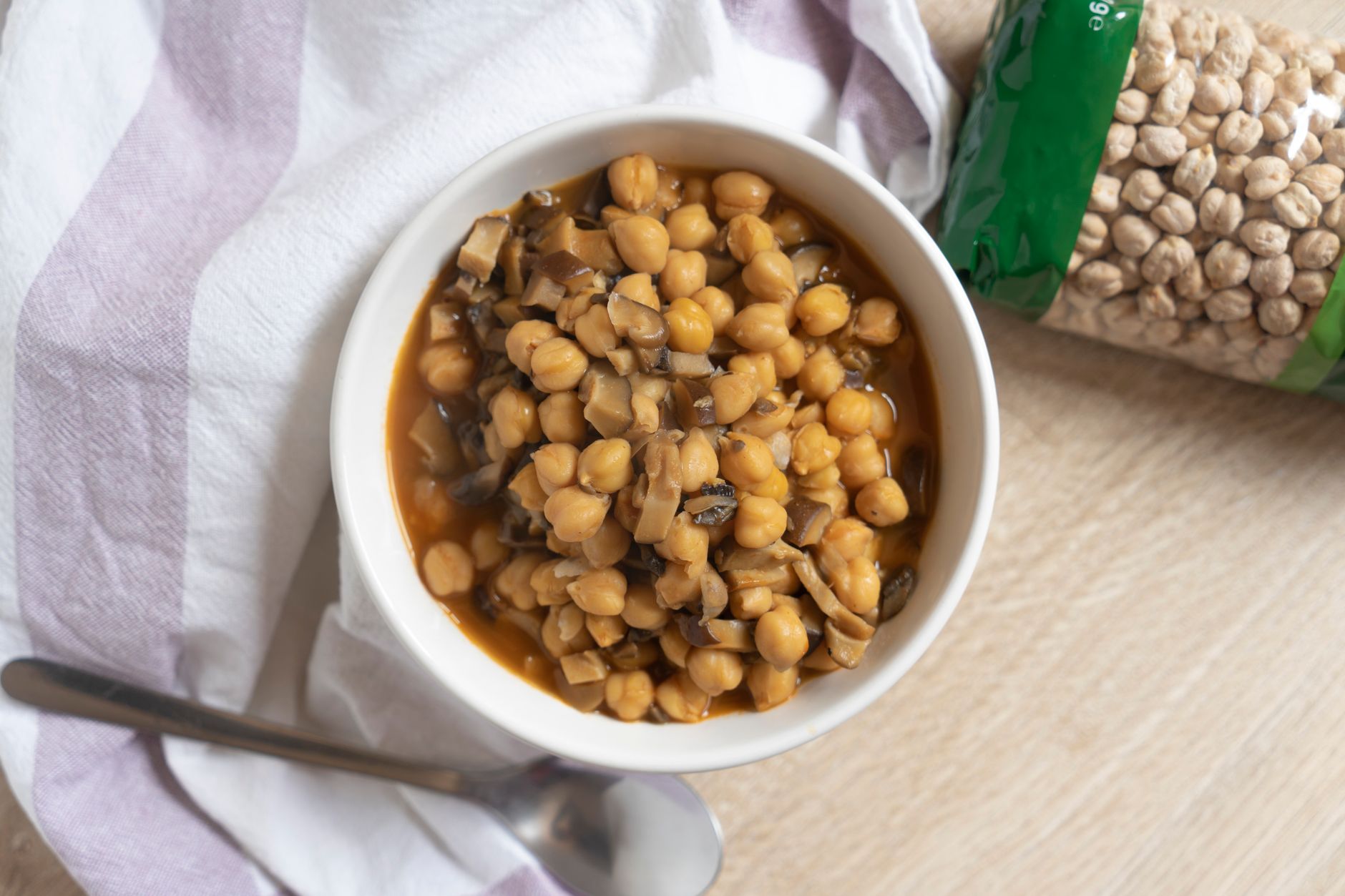
Chickpeas and sesame (via hummus) is a classic pairing for a reason. Legumes are rich in lysine but limited in methionine and cysteine; sesame provides those missing pieces. Whole-wheat pita and bulgur wheat (the grain in tabbouleh) contribute additional amino acids, fiber, and slow-digesting carbohydrates that sustain energy.
This combination feels like a Mediterranean spread rather than a “budget meal,” which helps with long-term adherence. Research suggests that enjoyment and variety are among the strongest predictors of dietary consistency, so meals that feel satisfying culturally and texturally matter as much as the macros.
5. Tofu and Buckwheat Noodles With Stir-Fried Bok Choy
Cost per serving: approximately $2.50
Firm tofu (made from soybeans) is a complete protein and one of the most cost-effective animal-free protein sources available, delivering roughly 10 grams of protein per half-cup serving at a price far below chicken breast in most U.S. markets. Buckwheat noodles add their own impressive amino acid profile; buckwheat is not a true grain but a seed, and it contains all nine essential amino acids. Bok choy contributes calcium, vitamin K, and volume that fills the plate without adding significant calories.
Press and pan-fry the tofu for 10 minutes before adding to the stir-fry and you will get satisfying texture that holds up in the bowl.
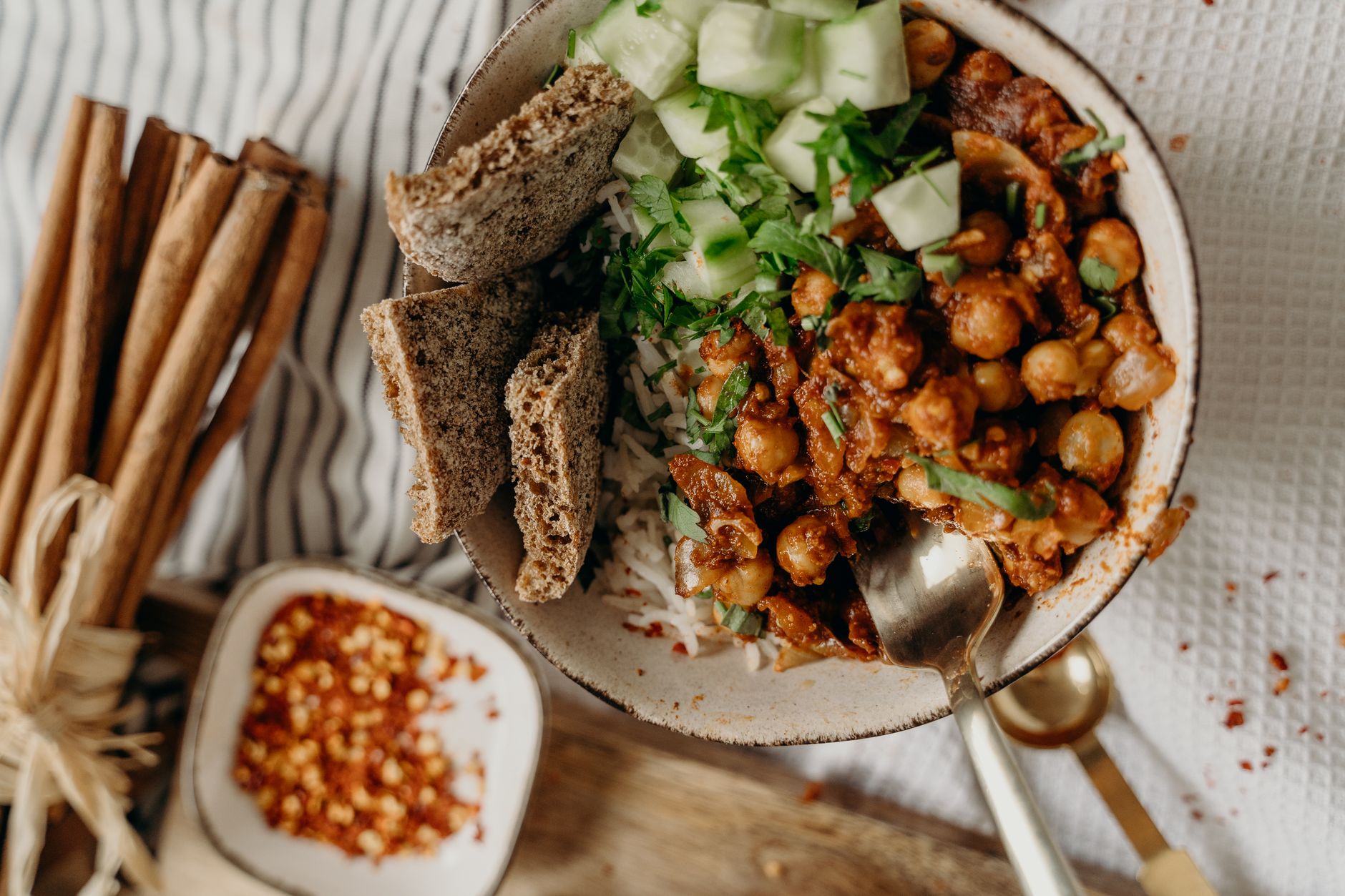
A Few Practical Notes Before You Cook
You do not need to combine complementary proteins at every single meal. The current consensus, reflected in guidance from the Academy of Nutrition and Dietetics, is that eating a varied diet with sufficient total protein across the day is enough for most healthy adults. That said, building complete-protein meals at dinner is a simple habit that removes the guesswork entirely.
Canned beans and frozen edamame count as whole foods for these purposes. The processing involved in canning or freezing does not meaningfully reduce protein content, and both options dramatically reduce prep time.
Cost estimates will vary by region and store. Buying dry lentils, dry beans, and whole grains in bulk will push costs even lower, in some cases under $0.80 per serving.
If you are tracking protein across the whole day and want guidance on what to pair with breakfast, Balancing Omega-3s, Fiber, and Protein at Breakfast: Five Three-Food Combinations That Keep You Stable Until Lunch covers the morning piece of the puzzle.
A Simple Starting Point
Pick one of these five combinations this week and cook it twice. Notice how full you feel and how long that fullness lasts. That single repeated choice, more than any overhaul, is what builds a sustainable plant-forward eating pattern over time.
For more practical guidance on balanced eating and whole-person wellness delivered weekly, consider joining the Clean Body Mentor newsletter.
Sources
- NIH Office of Dietary Supplements, Protein Fact Sheet for Health Professionals: ods.od.nih.gov
- USDA FoodData Central (quinoa, black beans, edamame, tofu nutrient data): fdc.nal.usda.gov
- Academy of Nutrition and Dietetics, Position Paper on Vegetarian Diets (Journal of the Academy of Nutrition and Dietetics, 2016)
- Rand WM, Pellett PL, Young VR. “Meta-analysis of nitrogen balance studies for estimating protein requirements in healthy adults.” American Journal of Clinical Nutrition, 2003.
This article is for general educational and informational purposes only and is not a substitute for medical advice, diagnosis, or treatment. Health needs vary by individual. Consult a qualified healthcare professional before making significant changes to your diet, exercise routine, supplements, medication, or treatment plan, especially if you have a medical condition, are pregnant or breastfeeding, take medication, or have concerns about your symptoms.


