

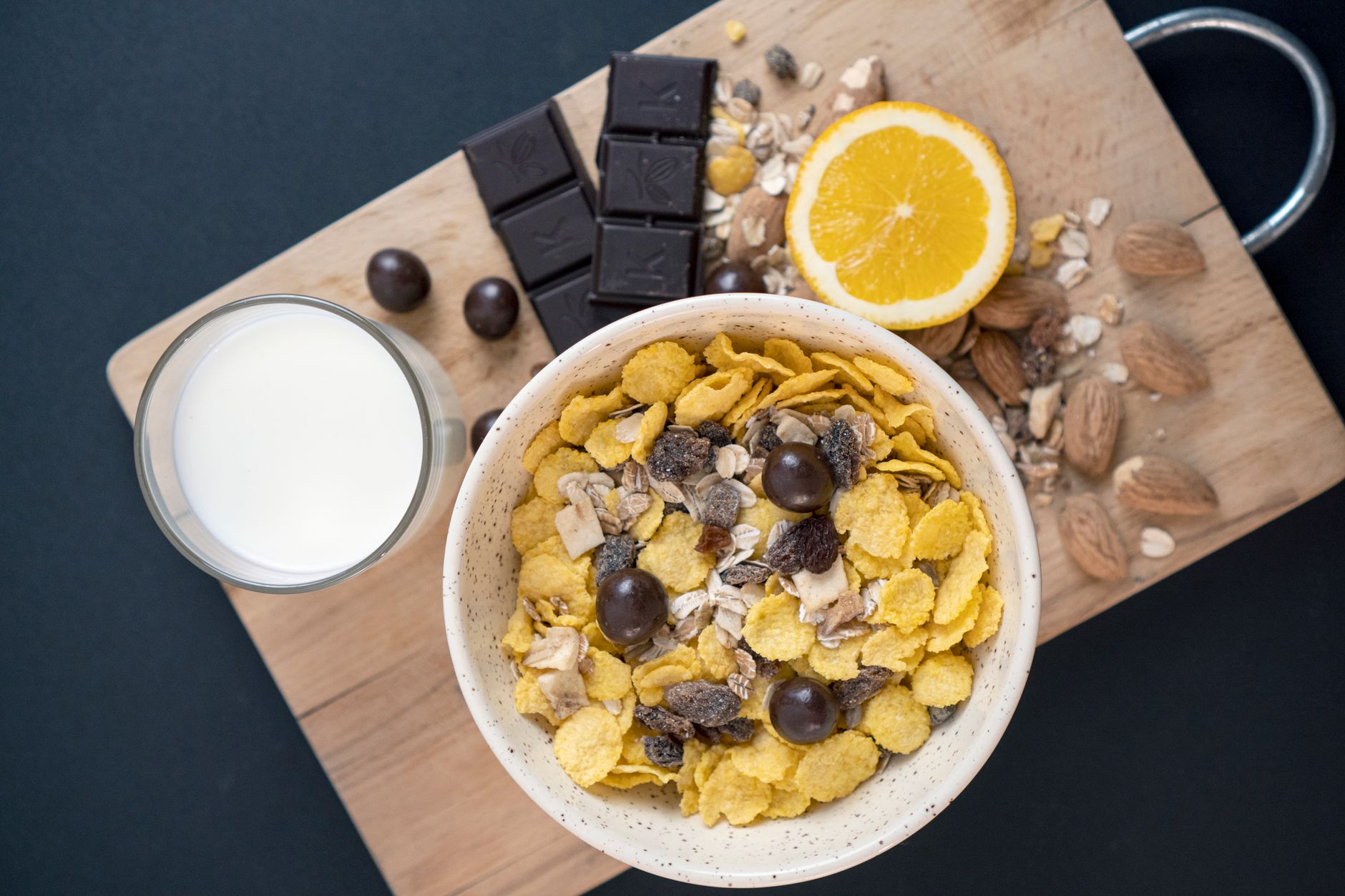
You eat lunch, sit back down at your desk, and by 1:30 p.m. your focus has completely dissolved. You reach for coffee. You blame the portion size. You tell yourself you ate too much.
But the research points somewhere else entirely.
Studies on postprandial glycemia consistently show that the macronutrient composition of a meal, specifically the ratio of protein, fiber, and fat relative to rapidly digested carbohydrates, has a larger influence on blood glucose response than total calorie count does. That blood glucose arc is the main driver of how alert or how foggy you feel in the two hours after eating.
This article explains the mechanism clearly and then ranks four specific meal patterns by how well they sustain energy, so you can choose one and start building a consistent habit around it.

Why Blood Glucose Is the Engine Behind the Crash
After you eat, carbohydrates break down into glucose and enter your bloodstream. Your pancreas releases insulin to shuttle that glucose into cells. When a meal is high in rapidly digested carbohydrates and low in protein, fat, or fiber, glucose rises steeply and quickly. Insulin surges in response, glucose drops sharply, and that drop is what registers in your body as fatigue, difficulty concentrating, and the desire to eat again soon.
This is not a willpower issue. It is a physiological response to a particular fuel pattern.
Research published in the American Journal of Clinical Nutrition and reviewed through sources at the National Institutes of Health shows that adding protein and fat to a carbohydrate-containing meal slows gastric emptying, blunts the glycemic peak, and extends the period of stable glucose availability. Soluble fiber from vegetables, legumes, and whole grains adds further braking effect by slowing glucose absorption in the small intestine.
If you are curious about how eating order within a single meal also affects this curve, Eating Vegetables First at Meals Changes Your Blood Sugar More Than Portion Size covers that mechanism in useful depth.
The Four Macronutrient Patterns, Ranked by Energy Duration
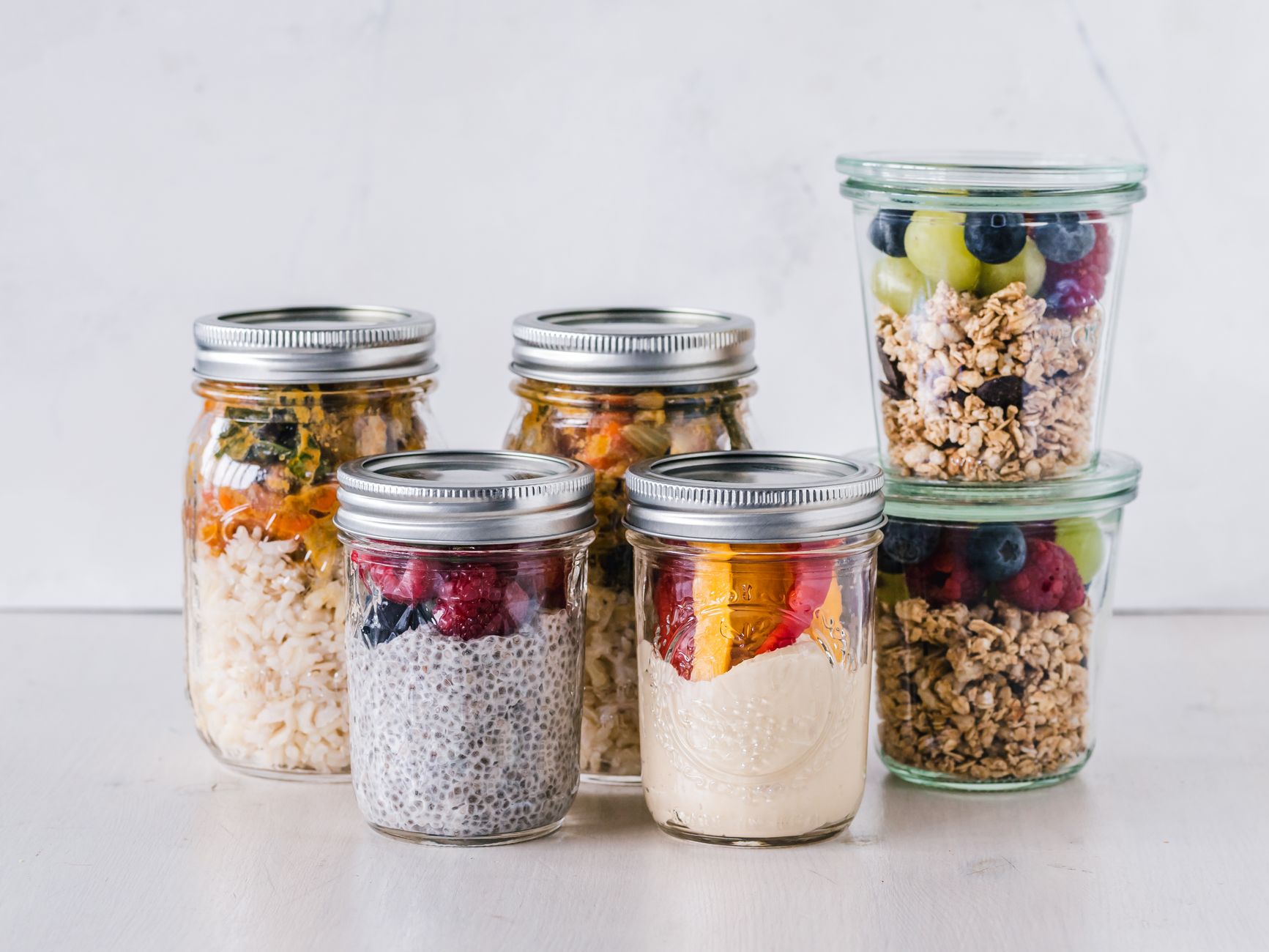
The following patterns are ranked from shortest to longest sustained energy window based on their effect on glycemic response and satiety signaling. None of these are restrictive. They are structural choices about what you pair together.
Pattern 1: High Refined Carb, Low Everything Else (Rank 4)
Example: White-bread sandwich with low-fat deli meat, side of crackers, fruit juice.
Energy window: 60 to 90 minutes before significant fatigue sets in.
Refined carbohydrates with minimal protein, fat, or fiber create a steep glucose spike followed by an equally steep drop. This is the classic postprandial energy crash meal composition that most afternoon slumps are built on. The fix is not to remove the carbohydrates but to change what surrounds them.
Pattern 2: Moderate Carb with Lean Protein (Rank 3)
Example: Chicken breast with white rice and a small salad with no dressing.
Energy window: 90 to 120 minutes.
Adding protein substantially blunts the glucose spike compared to Pattern 1 because protein triggers insulin-independent satiety signals and slows digestion. The absence of significant fat or fiber, though, still leaves the energy curve somewhat short. This is a meaningful improvement and is a reasonable starting point for people adjusting from pattern 1.
Pattern 3: Protein Plus Healthy Fat Plus Fiber (Rank 2)
Example: Salmon or eggs with roasted vegetables cooked in olive oil and a side of lentils or black beans.
Energy window: 2.5 to 3.5 hours.
This combination works because all three macronutrient modifiers are present simultaneously. Fat slows gastric emptying. Fiber blunts glucose absorption. Protein supports satiety hormones including GLP-1 and peptide YY, both of which are linked to reduced appetite and stable blood sugar in clinical research. This pattern consistently performs well in studies of postprandial energy and hunger.
For a practical look at how meal structure like this applies on rest days and active days differently, How Meal Timing on Rest Days Shapes Your Digestion and Hunger Signals is worth reading next.
Pattern 4: Protein-Anchored with Complex Carbs, Fat, and Volume Fiber (Rank 1)
Example: High-protein grain bowl: cooked quinoa, grilled chicken thigh or tofu, roasted sweet potato, shredded cabbage or kale, tahini dressing, pumpkin seeds.
Energy window: 3.5 to 5 hours in most research contexts.
This pattern earns the top rank because it stacks every glycemic buffer simultaneously. Quinoa and sweet potato provide complex carbohydrates with lower glycemic index values than refined grains. Tahini and seeds contribute fat and micronutrients. The leafy greens add volume and insoluble fiber for gut motility. The protein anchors satiety signaling for the longest window.
It also happens to be a genuinely satisfying and flexible meal format. You can build dozens of variations using whatever proteins and vegetables are available to you that week. This is exactly the kind of practical structure covered in Sustainable Weight Loss Without Restriction: How Real Meal Patterns Beat Calorie Counting.

A Note on Timing and Caffeine
Meal composition is the primary lever for the postprandial energy crash, but timing and hydration also interact with it. If you rely on caffeine to override the afternoon slump, you may be masking a composition problem rather than solving it. Caffeine Timing: Morning vs. Afternoon Tea and Coffee Ranked by Focus, Sleep, and Energy Stability explains how to work with caffeine rather than against your natural rhythm.
For sustained energy without caffeine dependence, Electrolyte Timing for Afternoon Energy Without Caffeine Crashes offers a complementary approach.
How to Actually Apply This Starting Tomorrow
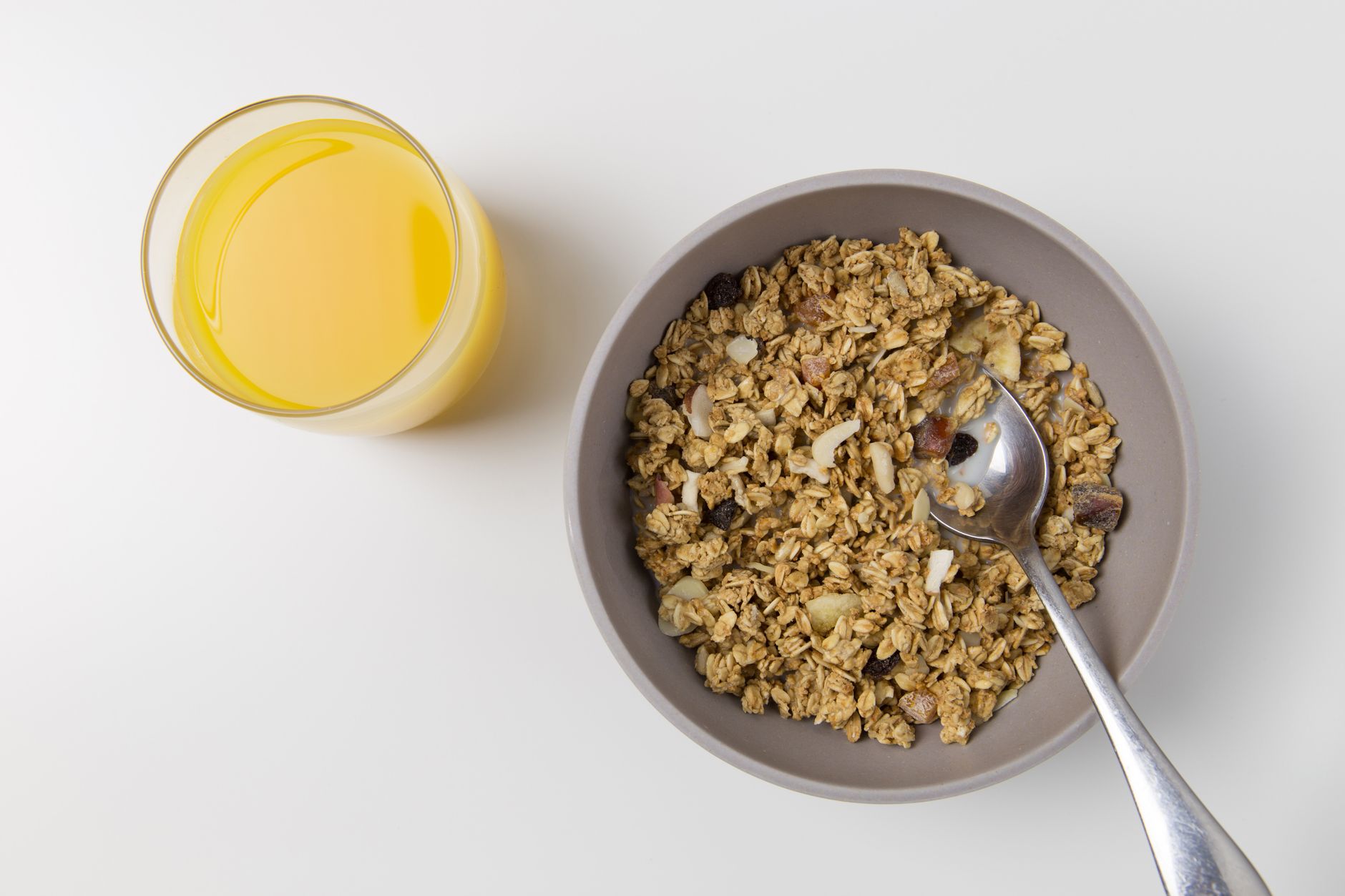
You do not need to overhaul every meal. The simplest and most evidence-supported shift is this: before you assemble lunch, ask yourself whether the plate contains a meaningful protein source, a source of fat, and something fibrous. If two of the three are missing, adjust one thing.
- Stir a tablespoon of nut butter into oatmeal instead of eating it plain.
- Add half an avocado and two eggs to a salad instead of eating it with crackers alone.
- Swap white rice for a mix of brown rice and lentils as a base.
- Add pumpkin seeds or hemp seeds on top of anything.
Small structural changes consistently outperform dramatic dietary overhauls for sustainable habits. Choose one meal this week to rebuild around pattern 3 or pattern 4, eat it for three to five days, and notice how your 2 p.m. focus changes.
If you want broader guidance on how meal patterns connect to digestion and body composition over time, the Digestive Comfort Without Posture Fixes: Why Your Meal Composition Matters More Than Sitting Upright guide extends this framework into digestive health.
This article is for general educational and informational purposes only and is not a substitute for medical advice, diagnosis, or treatment. Health needs vary by individual. Consult a qualified healthcare professional before making significant changes to your diet, exercise routine, supplements, medication, or treatment plan, especially if you have a medical condition, are pregnant or breastfeeding, take medication, or have concerns about your symptoms.
Sources
- Augustin, L.S.A. et al. (2015). Glycemic index, glycemic load, and glycemic response. Nutrition, Metabolism and Cardiovascular Diseases. Referenced via the National Institutes of Health (NIH) database.
- Piya, M.K., et al. Research on GLP-1 and satiety hormones in relation to protein intake. National Library of Medicine, PubMed.
- U.S. Department of Agriculture Dietary Guidelines for Americans 2020-2025 on macronutrient balance and nutrient-dense food patterns. USDA.gov.
- Livesey, G. et al. Research on glycemic response and dietary fiber. Published in peer-reviewed nutrition journals indexed on PubMed.


