

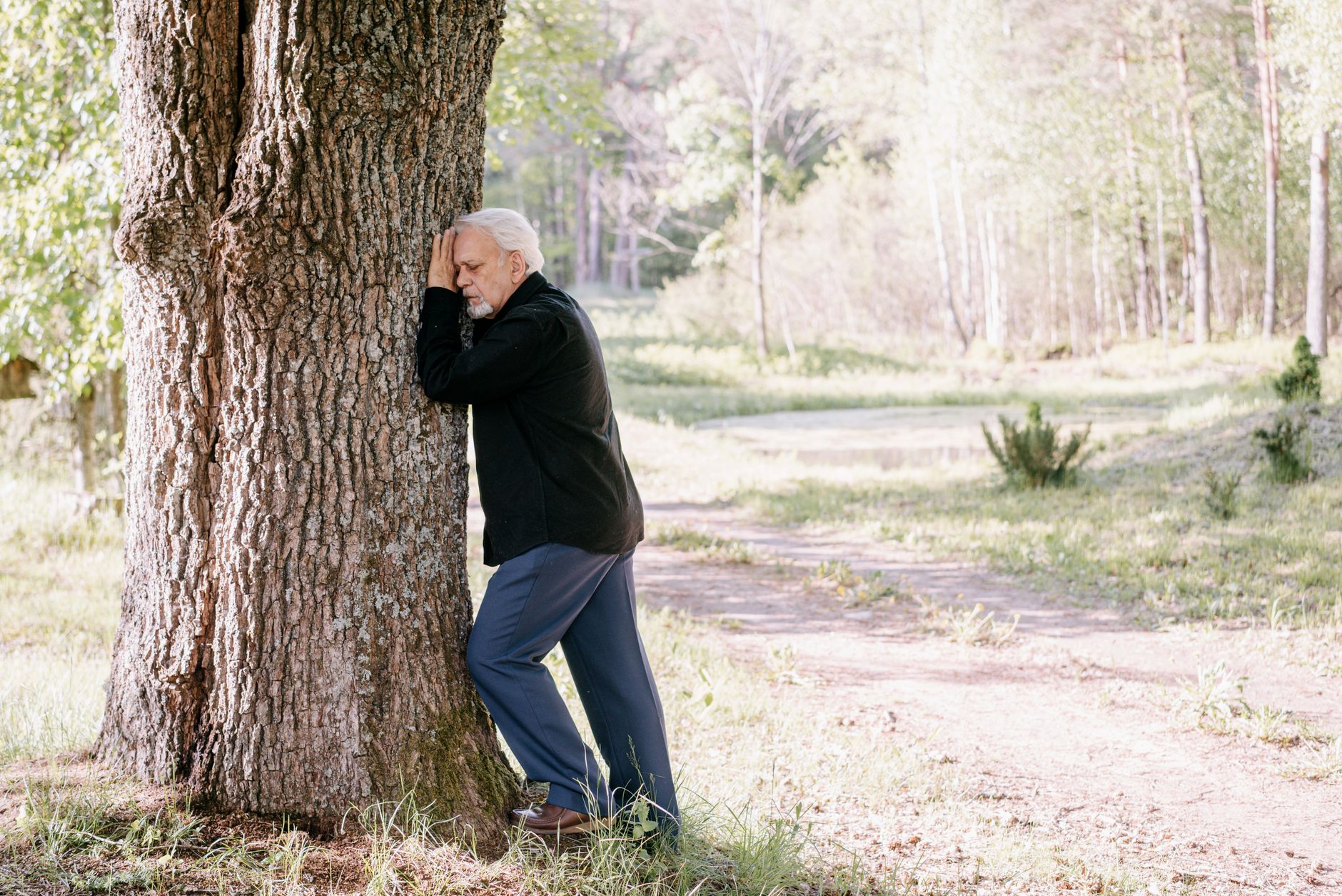
Grief does not announce a convenient time to arrive. It shows up after a death, a diagnosis, a job loss, or the quiet end of a relationship you thought would last. And when it does, well-meaning advice often piles up: journal more, meditate, see a therapist, give it time.
All of that can help. But many people find they need something simpler and more physical as a first step, something that does not require talking, interpreting, or performing wellness. Walking offers exactly that. Research published in Frontiers in Psychology suggests that rhythmic, repetitive physical activity can reduce emotional rumination and shift nervous system arousal in ways that passive rest does not. The bilateral movement of walking, left foot, right foot, appears to help the brain process distressing experiences by engaging similar mechanisms to bilateral stimulation used in trauma-informed therapies.
This case study follows four people, each carrying a different kind of loss, who rebuilt emotional resilience over eight to twelve weeks through consistent walking. Their names have been changed.
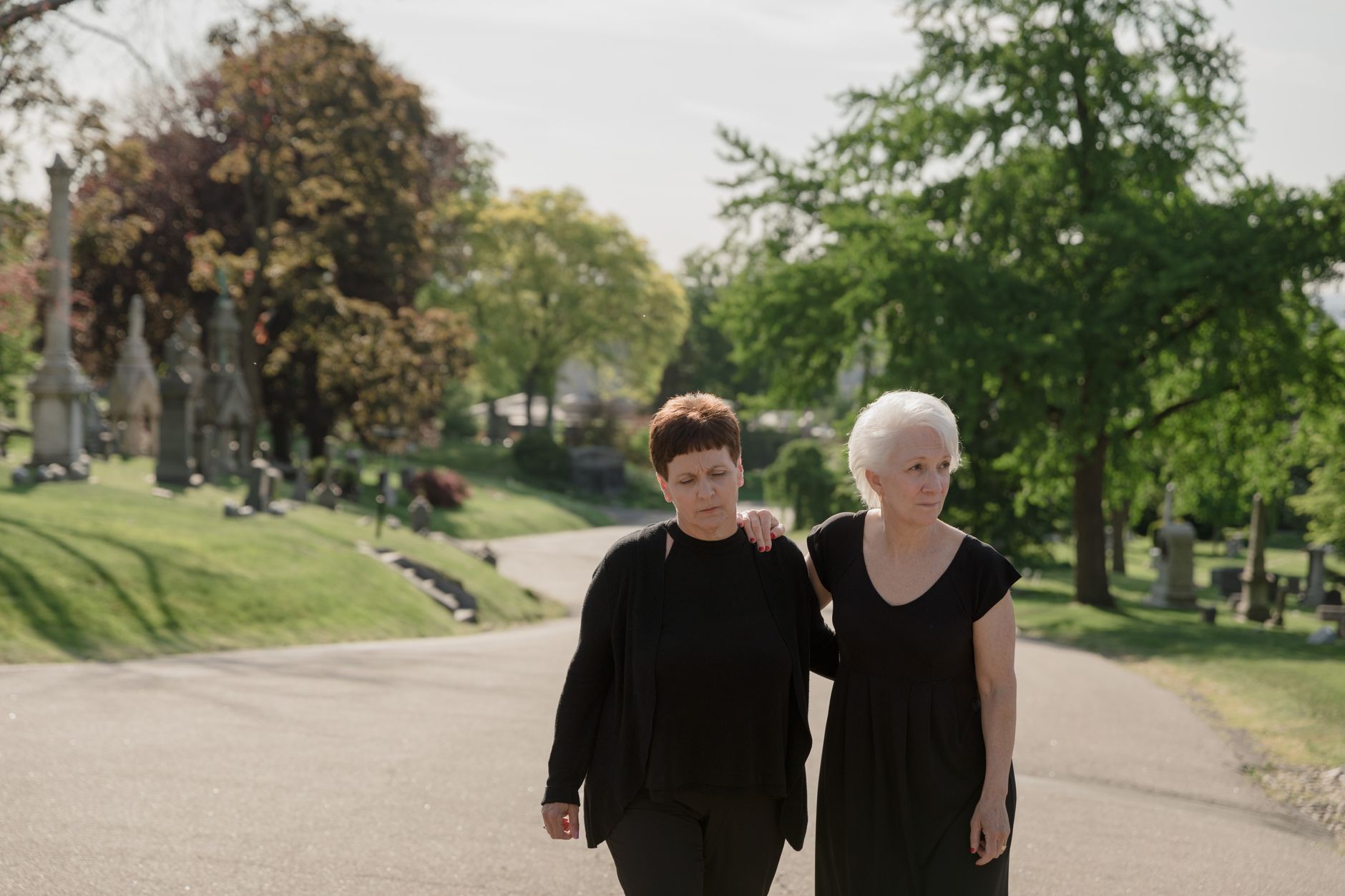
Why Rhythm Matters More Than Distance
Before the four stories, it helps to understand why walking, rather than running or cycling, keeps coming up in grief research. The steady, low-intensity pace of a walk allows attention to drift without danger. You are not monitoring your breathing desperately, negotiating traffic at speed, or competing with anyone. The rhythm becomes almost meditative without requiring you to sit still and face your thoughts head-on.
A 2018 study in JAMA Internal Medicine found that even ten minutes of moderate physical activity was associated with improved mood and lower anxiety. For people processing loss, the bar for entry matters enormously. Grief is exhausting. A habit that begins with ten minutes around the block is one people actually start.
If you are building a walking habit from scratch, Three Beginners Who Built Walking Consistency Past Week Six: How They Actually Made It Stick Without Motivation offers a practical starting framework.
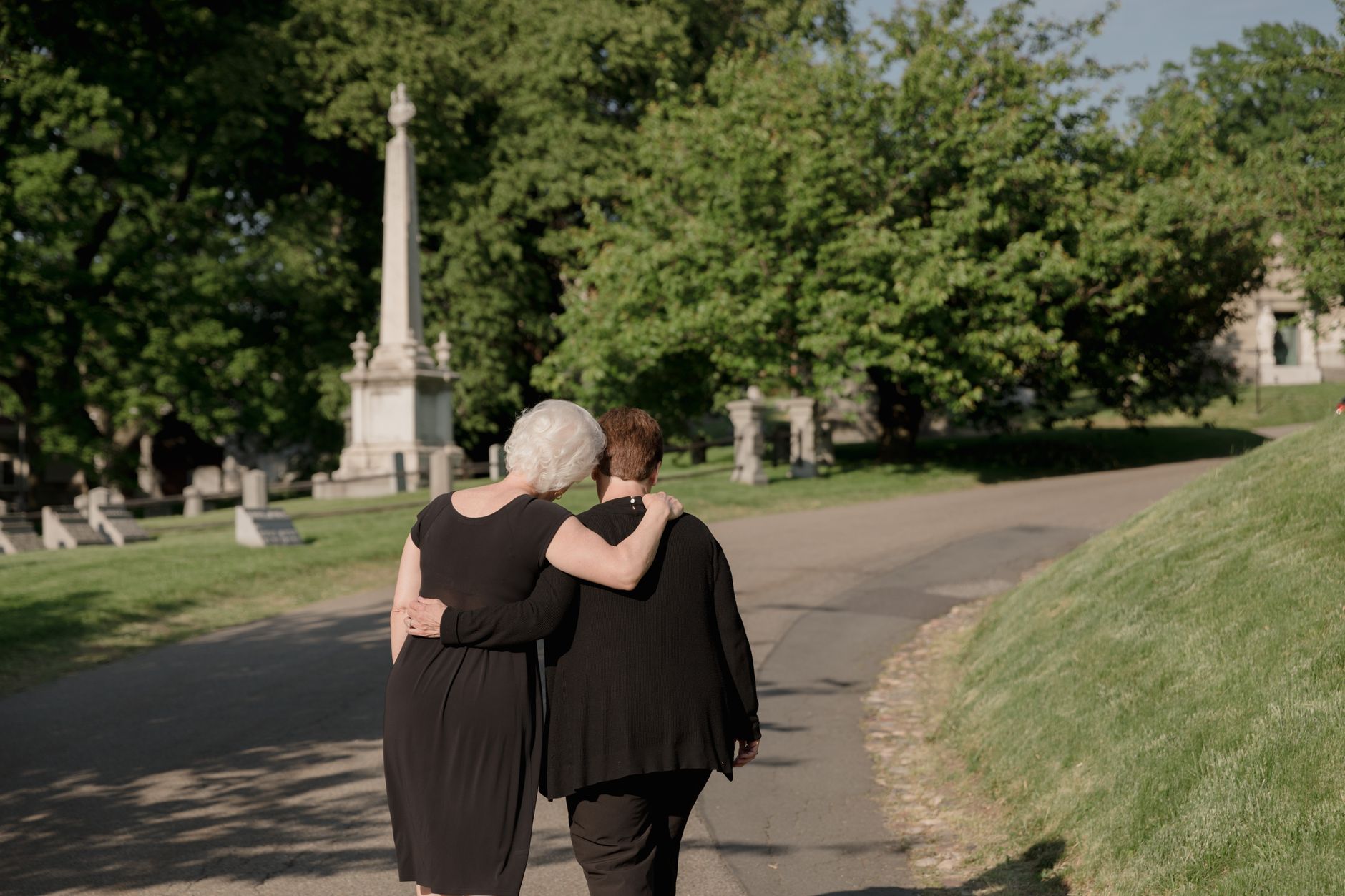
Four Losses, Four Walking Journeys
Marcus: Walking After the Death of His Father
Marcus, 44, lost his father to a sudden cardiac event in October. He described the first two weeks as “moving through concrete.” His grief counselor encouraged journaling, but he found sitting still made the weight feel heavier.
He started walking at 6 a.m. before his family woke up. No headphones, no podcasts. Just twenty minutes through his neighborhood. By week three, the walks had extended to thirty-five minutes without him consciously planning the increase.
“I noticed I was not crying less,” he said, “but I was crying differently. It felt like something moving through me rather than something stuck.”
By week ten, Marcus was walking five mornings a week. He reported that the predictability of the walk, same time, same streets, gave his nervous system a signal that some things still had structure even when his inner world did not.
Diana: Processing a Divorce After Fourteen Years
Diana, 38, described her loss as ambiguous. Her marriage had not ended dramatically. It had simply worn down. Without a clear event to mourn, she felt her grief was invisible to others.
She began walking after work, initially to avoid the silence of her apartment. Her route took her through a park where she allowed herself to narrate her feelings aloud, quietly, to no one. This practice, often called expressive walking, has informal support in the somatic therapy community as a way to externalize internal experience through voice and movement together.
By week six, Diana introduced a few breathwork pauses during her walks, three slow exhales at a bench before continuing. If you want to deepen this kind of practice, Building Emotional Resilience Through Breathwork: A Four-Week Progressive Practice for Stress Relief offers a structured approach you can layer into movement.
Jerome: After a Layoff That Redefined His Identity
Jerome, 51, had worked at the same company for nineteen years. When his role was eliminated, he experienced what he later recognized as grief, though he initially called it humiliation. He struggled to distinguish job loss from identity loss.
His walking practice began practically. He had nowhere he needed to be, so he walked to fill the morning hours that had once belonged to his commute. The act of leaving the house every day at the same time gave his days a skeleton when everything else felt structureless.
Over twelve weeks, Jerome noticed his self-talk during walks shifting. Early walks were filled with replayed conversations and what-if spirals. By week eight, he was spending parts of his walk observing things outside himself: a neighbor’s garden, the way light hit a building, a dog that always barked at the same corner.
Research from Stanford suggests that rumination decreases after nature-based walks compared to urban settings, though Jerome’s route was suburban and unremarkable. What seemed to matter more was the regularity and the fact that the walk demanded just enough low-level attention to interrupt the thought loops without suppressing them.
For readers wondering how to keep a walking habit alive past the initial weeks, Walking Sustainability After Week Four: The Behavioral Shift That Prevents Your Habit From Collapsing addresses exactly this challenge.
Priya: Learning to Move Through a Chronic Diagnosis
Priya, 33, was diagnosed with an autoimmune condition that required her to grieve a version of her body she had always taken for granted. Her loss was not a person or a relationship but a future she had assumed.
Her walking was medically cautious, short distances, flat terrain, and always with her physician’s awareness. She was not walking to fix her condition. She was walking to maintain a sense of agency in a situation where much felt outside her control.
She focused on what her body could do rather than what it could no longer do, a reframe that took several weeks to feel genuine. By week nine, Priya was walking twenty minutes most days and noted that the walks were the one hour of her day when she felt like herself rather than a patient.
If walking mechanics or foot comfort become a barrier, Rebuilding Foot Strength and Ankle Stability After Months at Your Desk: A Case Study of Three People Who Restored Movement Without Physical Therapy covers foundational movement support that applies here too.
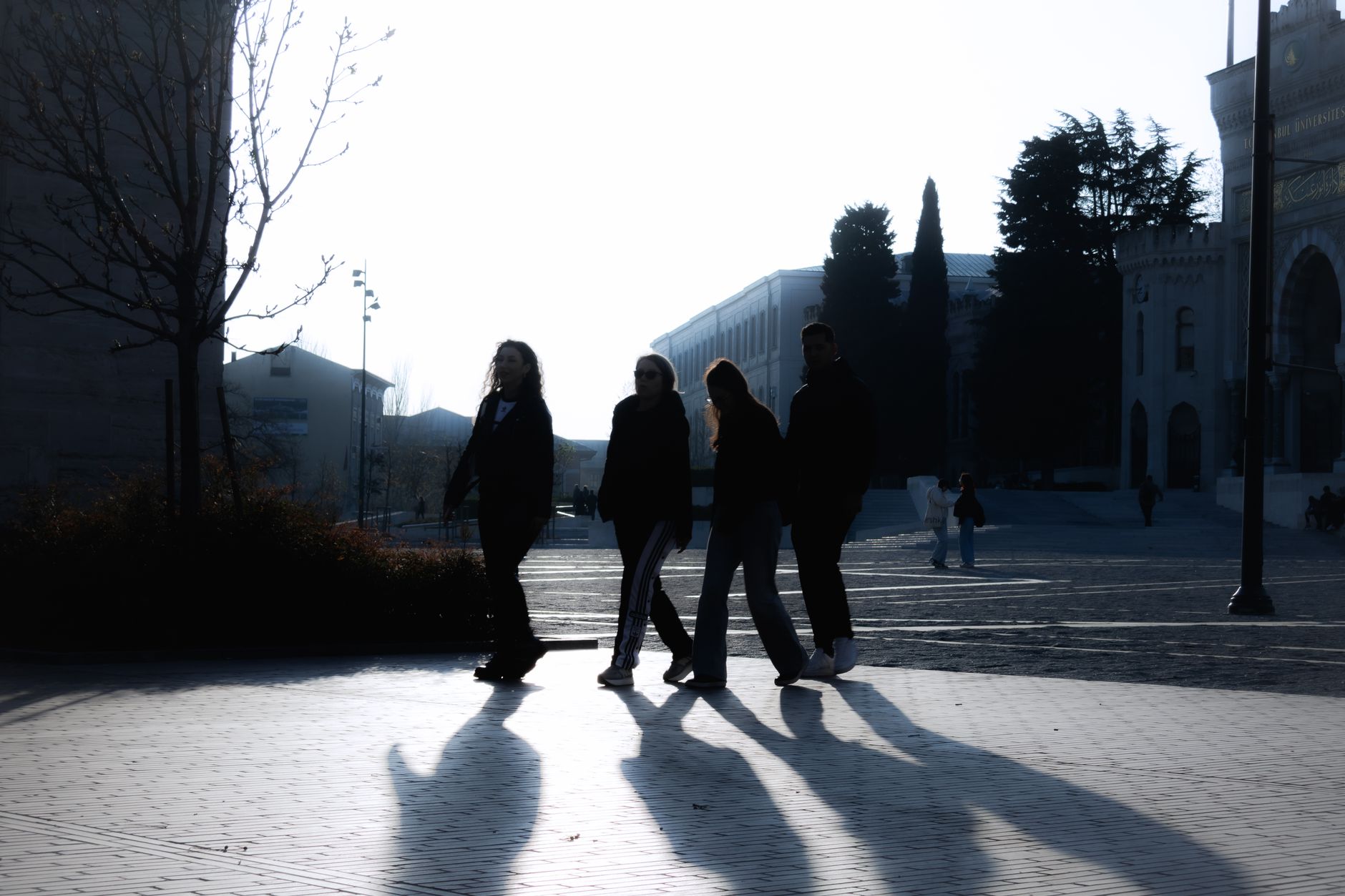
What These Four Experiences Have in Common
Across different losses and different lives, four consistent patterns emerged:
- Rhythm over intensity. None of them were pushing pace or tracking metrics obsessively. The steady beat of walking created a kind of biological steadiness.
- Structure in unstructured times. Each person anchored their walk to a consistent time, which helped regulate circadian rhythm and provided emotional predictability.
- Gradual, unforced expansion. Duration grew organically. No one set a goal to walk forty-five minutes; they simply noticed their walks getting longer as capacity returned.
- Outdoor sensory input as a mild cognitive redirect. Natural light, ambient noise, and changing scenery gave the brain low-demand stimulation that interrupted rumination without demanding conscious redirection.

A Realistic Starting Point If You Are Grieving
You do not need to commit to eight weeks from the start. Begin with one walk, ten minutes, outside your front door. No destination required. Notice what you hear. Notice what your body feels.
If grief is making ordinary movement painful, consider working with a qualified healthcare professional or licensed mental-health professional who can help you determine what level of physical activity is appropriate for your situation. Walking supports emotional processing but does not replace professional support when that support is needed.
Choose one small, realistic action from these four stories and try it once this week. If you want to build a sustainable movement habit that holds through difficult seasons, the Clean Body Mentor newsletter offers practical weekly wellness guidance rooted in the same whole-person approach.
Sources
- Alderman, B.L. et al. (2016). MAP Training: Combining Meditation and Aerobic Exercise Reduces Depression and Rumination. Translational Psychiatry.
- Mead, G.E. et al. (2009). Exercise for Depression. Cochrane Database of Systematic Reviews.
- Bratman, G.N. et al. (2015). Nature Experience Reduces Rumination and Subgenual Prefrontal Cortex Activation. Proceedings of the National Academy of Sciences.
- Stathopoulou, G. et al. (2006). Exercise Interventions for Mental Health. Clinical Psychology: Science and Practice.
- American Psychological Association. (2023). The Exercise Effect. APA Monitor on Psychology.
This article is for general educational and informational purposes only and is not a substitute for medical advice, diagnosis, or treatment. Health needs vary by individual. Consult a qualified healthcare professional before making significant changes to your diet, exercise routine, supplements, medication, or treatment plan, especially if you have a medical condition, are pregnant or breastfeeding, take medication, or have concerns about your symptoms.


