

Rebuilding Foot Strength and Ankle Stability After Months at Your Desk
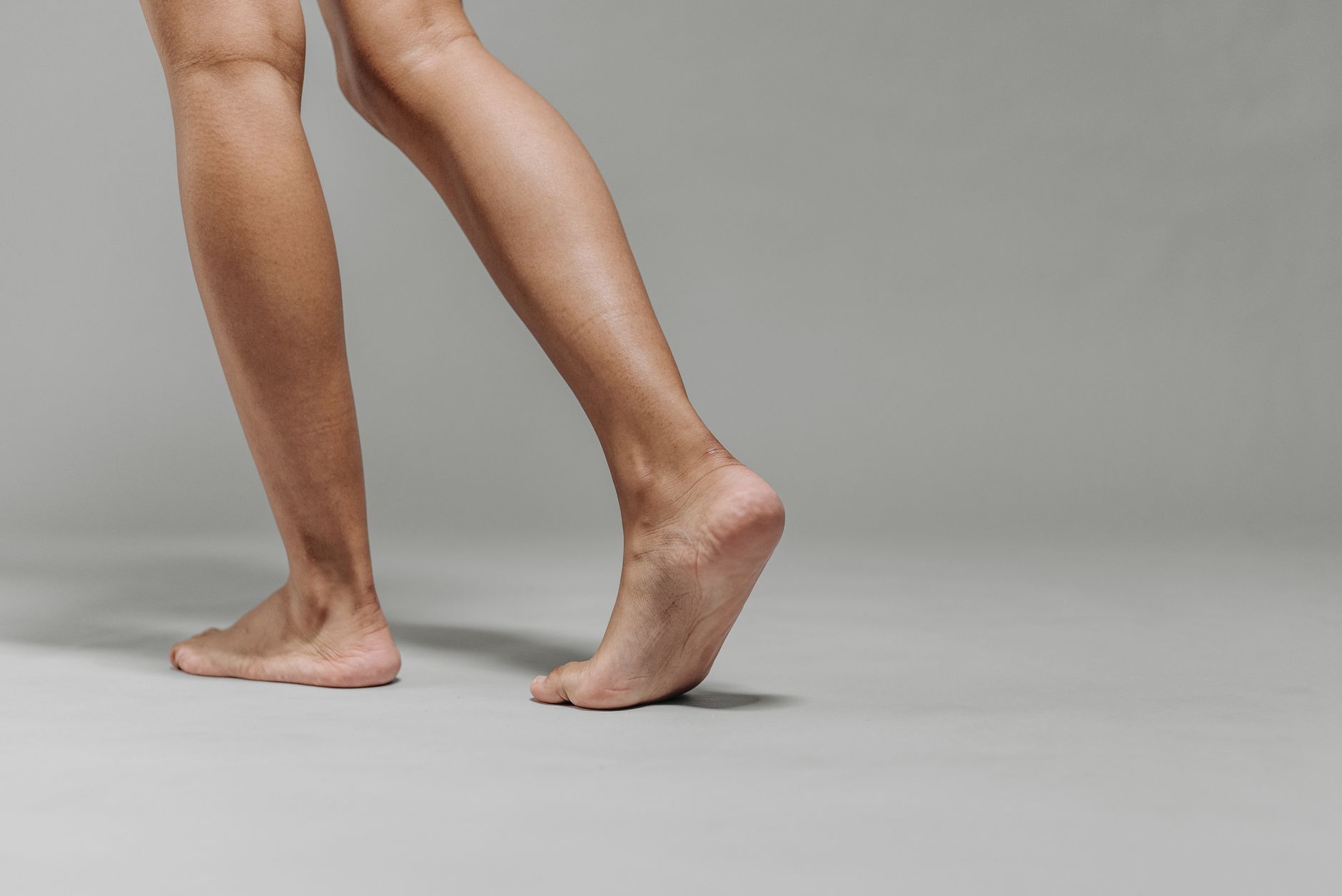
Your feet carry every step you take, yet when you spend most of the day sitting, they barely do anything at all. Prolonged sitting reduces the demand on the small intrinsic muscles of the foot and dulls the ankle’s proprioceptive signals, the continuous feedback loop that tells your nervous system where your foot is in space. Research published in the Journal of Foot and Ankle Research suggests that sedentary behavior correlates with measurable declines in both foot muscle endurance and dynamic balance.
The good news is that rebuilding foot strength and ankle stability does not require a formal physical therapy referral or expensive equipment. The three people below each started from a point of noticeable weakness and rebuilt a stable foundation by layering gradual, progressive habits into routines they already had.
The Office Manager: Barefoot Drills Between Calls
Maya, 41, office manager, hybrid schedule
Maya noticed the problem after a weekend hike left her ankles aching for three days. She had spent two years working primarily from a home office, mostly in thick-soled slippers. When she stood on one leg to test her balance, she wobbled noticeably within two seconds.
Her starting point was simple: remove the slippers during work hours and walk barefoot on hard floors. This alone reintroduced sensory input to the soles of her feet. Within two weeks she added a short sequence at her desk: toe spreads (pressing all five toes apart and holding for three seconds), short-foot exercises (gently doming the arch without curling the toes), and single-leg standing while reading emails.
By week six Maya added calf raises performed slowly off the bottom step of her staircase, lowering below the step level to work the full range of the ankle. She also began spending fifteen minutes barefoot in her backyard on uneven grass, which introduced light proprioceptive challenge without any formal workout.
Three months in, she completed the same weekend hike without ankle soreness. Her one-leg balance hold had improved to roughly twenty seconds. She credits consistency over intensity: “I never did more than ten minutes at a time, but I did something almost every day.”
For a full progression of barefoot drills similar to what Maya used, the guide on how to rebuild foot strength after months at your desk walks through each exercise step by step.
The Remote Developer: Trail Walking as Functional Training
James, 34, software developer, fully remote
James spent roughly nine hours a day at a standing desk, but standing in one position proved almost as deactivating as sitting. His feet barely shifted, and he wore the same cushioned sneakers all day. He began experiencing mild ankle stiffness during evening walks and an occasional tendency to roll his right ankle on uneven curbs.
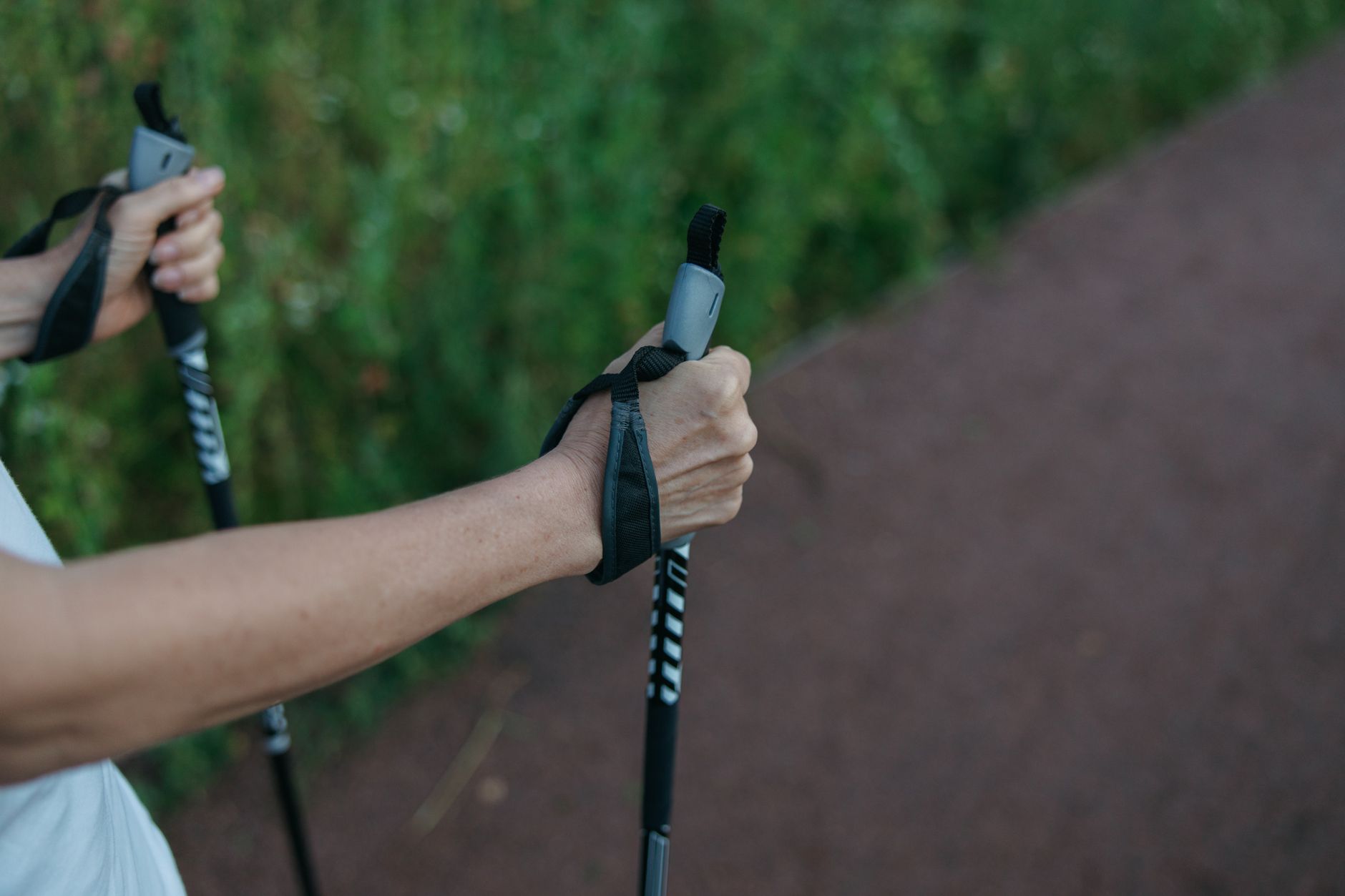
His shift started with a change of terrain rather than a new exercise program. He replaced his usual flat pavement loop with a nearby gravel trail three times per week. The uneven surface demanded constant micro-adjustments from his ankle stabilizers, muscles that had essentially been on autopilot during flat-surface walking.
Research suggests that walking on varied terrain meaningfully activates the peroneals and tibialis anterior compared with flat pavement (the comparison of trail walking versus flat pavement on this site explores that tradeoff in detail). James kept his trail sessions to thirty minutes initially, adding five minutes every two weeks.
At his desk he added ankle circles and resistance-band eversions (pulling the foot outward against light resistance) during video calls. By month two he progressed to single-leg deadlifts with no weight, holding a chair back lightly for balance when needed.
His ankle rolling episodes stopped by week eight. He now hikes moderate terrain confidently and attributes the change almost entirely to consistent, progressive loading rather than any single dramatic intervention.

The Busy Parent: Short Bursts, Long Consistency
Priya, 38, full-time parent and part-time accountant
Priya’s situation was the most time-constrained. Between childcare, school pickups, and remote work hours, she had little time for structured exercise. Her complaint: chronic ankle fatigue by afternoon and a subtle feeling of instability when carrying her toddler on stairs.
She started with what she called “transition moments”: the thirty to sixty seconds between tasks where she would otherwise scroll her phone. During these windows she practiced standing on one foot while brushing teeth, waiting for coffee to brew, or folding laundry. These micro-sessions were unremarkable individually but added up to roughly five to eight minutes of proprioceptive challenge each day.
After three weeks she introduced heel-to-toe walking along a hallway, which forces the ankle to load progressively through each step. She also began using a small balance board for five minutes in the evening while watching her children play, chosen specifically because it required no dedicated workout time.
Priya’s recovery mirrored findings on habit stacking, the practice of attaching a new behavior to an existing one to reduce friction. The concept is explored further in the article on building walking consistency past week six, which covers behavioral strategies that apply equally well to foot and ankle habits.
By month three, stair-carrying had become stable and unstressful. Her afternoon ankle fatigue had largely resolved, which she connected partly to stronger intrinsic foot muscles and partly to taking more short movement breaks throughout her workday.
What All Three Cases Share
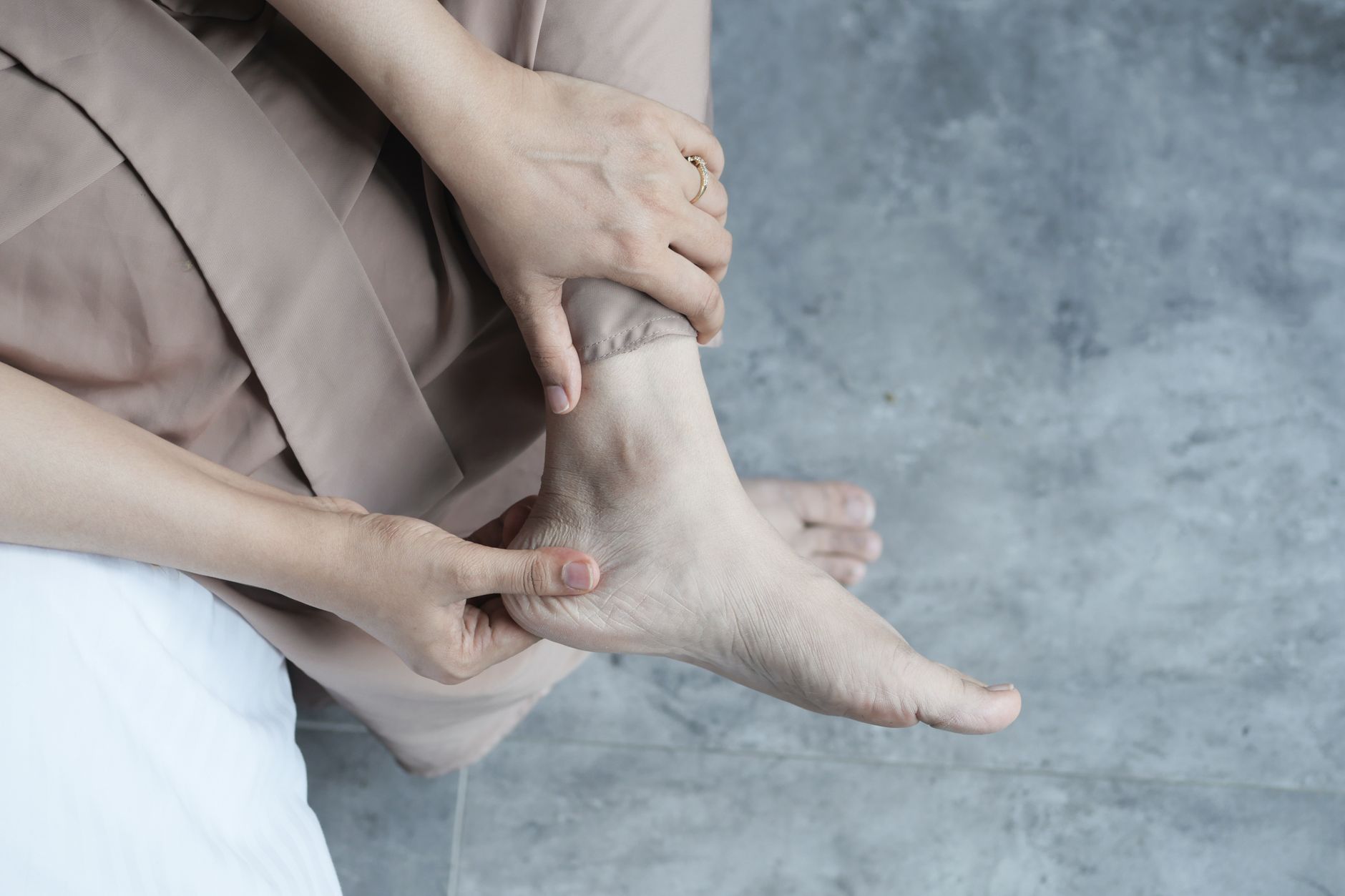
Despite different schedules and starting points, Maya, James, and Priya succeeded because of the same underlying pattern:
- Progressive overload without intensity spikes. Each person increased challenge slowly, adding reps, terrain difficulty, or balance challenge only after the current level felt easy.
- Daily exposure over long workout sessions. Short, frequent contact with the exercises outperformed occasional longer sessions.
- Terrain variety. All three introduced some form of uneven or novel surface, even if only grass or gravel, which stimulated muscles that flat, predictable ground never recruits.
- Patience with a three-month window. None of them saw significant results before six weeks, and meaningful stability improvements emerged around months two and three.
If you are dealing with a similar pattern, the guide on building foot strength when sitting all day offers a structured progression you can adapt to any schedule.
A Realistic Starting Point
If you recognize your own situation in any of these three stories, pick one element and practice it for two weeks before adding another. Remove your shoes for thirty minutes at home. Stand on one foot during a phone call. Walk three blocks on a gravel path. Ankle stability responds to small, repeated inputs over time, not dramatic overhauls.
For broader movement support, the desk stretches that restore circulation in under five minutes pair naturally with foot and ankle work if you are building a fuller desk-side routine.
Consistency across weeks matters far more than the specific drill you choose. Choose one action from this article and practice it daily for a month before evaluating your progress.
This article is for general educational and informational purposes only and is not a substitute for medical advice, diagnosis, or treatment. Health needs vary by individual. Consult a qualified healthcare professional before making significant changes to your diet, exercise routine, supplements, medication, or treatment plan, especially if you have a medical condition, are pregnant or breastfeeding, take medication, or have concerns about your symptoms.
Sources
- Mickle, K.J., et al. “Foot pain and disability in older people.” Journal of Foot and Ankle Research (various issues). Accessible via PubMed.
- Hrysomallis, C. “Balance ability and athletic performance.” Sports Medicine, 2011. PubMed abstract available via the National Library of Medicine (NLM).
- American College of Sports Medicine (ACSM). Position Stand on physical activity and proprioceptive training. ACSM.org.
- Nurse, M.A., and Nigg, B.M. “The effect of changes in foot sensation on plantar pressure and muscle activity.” Clinical Biomechanics, 2001. Available via PubMed.


