


You finish lunch, head back to your desk, and by 3pm your waistband feels tighter than it did at breakfast. Sound familiar? That uncomfortable afternoon bloat is one of the most common midday complaints, and the frustrating part is that it rarely has anything to do with eating “wrong” foods.
Research published by the International Foundation for Gastrointestinal Disorders suggests that bloating is often driven by how fast you eat, how you combine macronutrients, and even the order in which you consume foods at a meal, not simply what lands on your plate. If you want to prevent afternoon bloating at lunch, the fix is usually about meal composition and pacing rather than elimination.
The five combinations below are built around whole, nutrient-dense foods you likely already enjoy. Each one includes a short explanation of why it works, so you can adapt the idea to your own preferences.
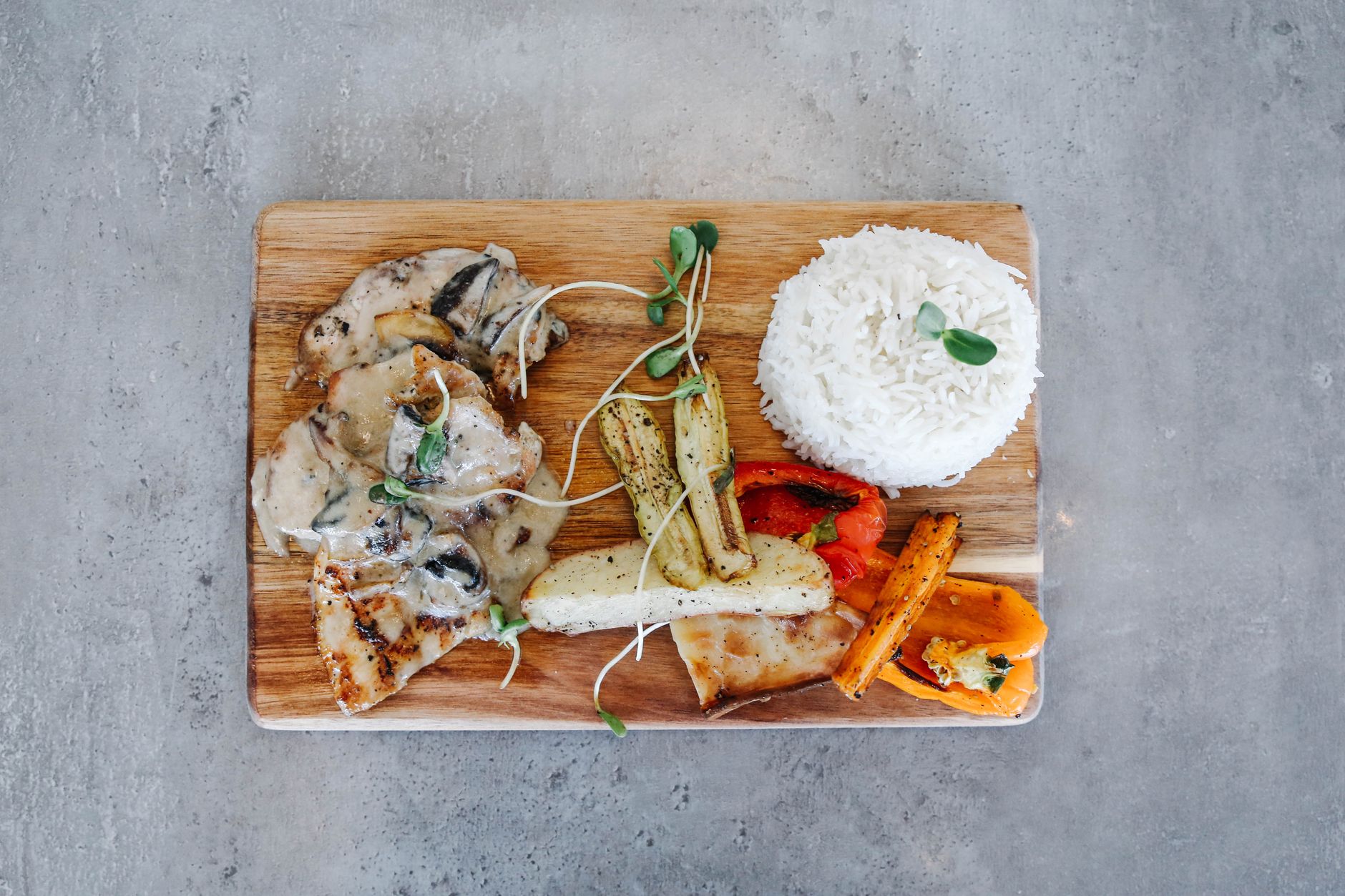
1. Grilled Chicken, Roasted Zucchini, and Brown Rice (Eaten in That Order)
This classic combination works better when you eat the cooked vegetables first, the protein second, and the starchy grain last. Starting with the zucchini delivers soluble fiber and water content that slows gastric emptying gently. When protein follows, digestion stays steady without the rapid fermentation that raw crucifers or large portions of legumes can sometimes trigger.
Brown rice rounds out the meal with complex carbohydrates and a modest fiber boost. Eating the grain last means your digestive system has already begun processing the lighter foods, reducing the fermentation window that contributes to gas and pressure.
If you are curious about how eating order reshapes digestion beyond just this meal, Digestive Comfort Without Food Swaps: How Meal Timing and Eating Order Reshape Your Afternoon Bloating goes deeper on the mechanics.
Why it works: Cooked vegetables before grains, steady protein in the middle, and a moderate portion of starch at the end keeps fermentation low and energy stable.
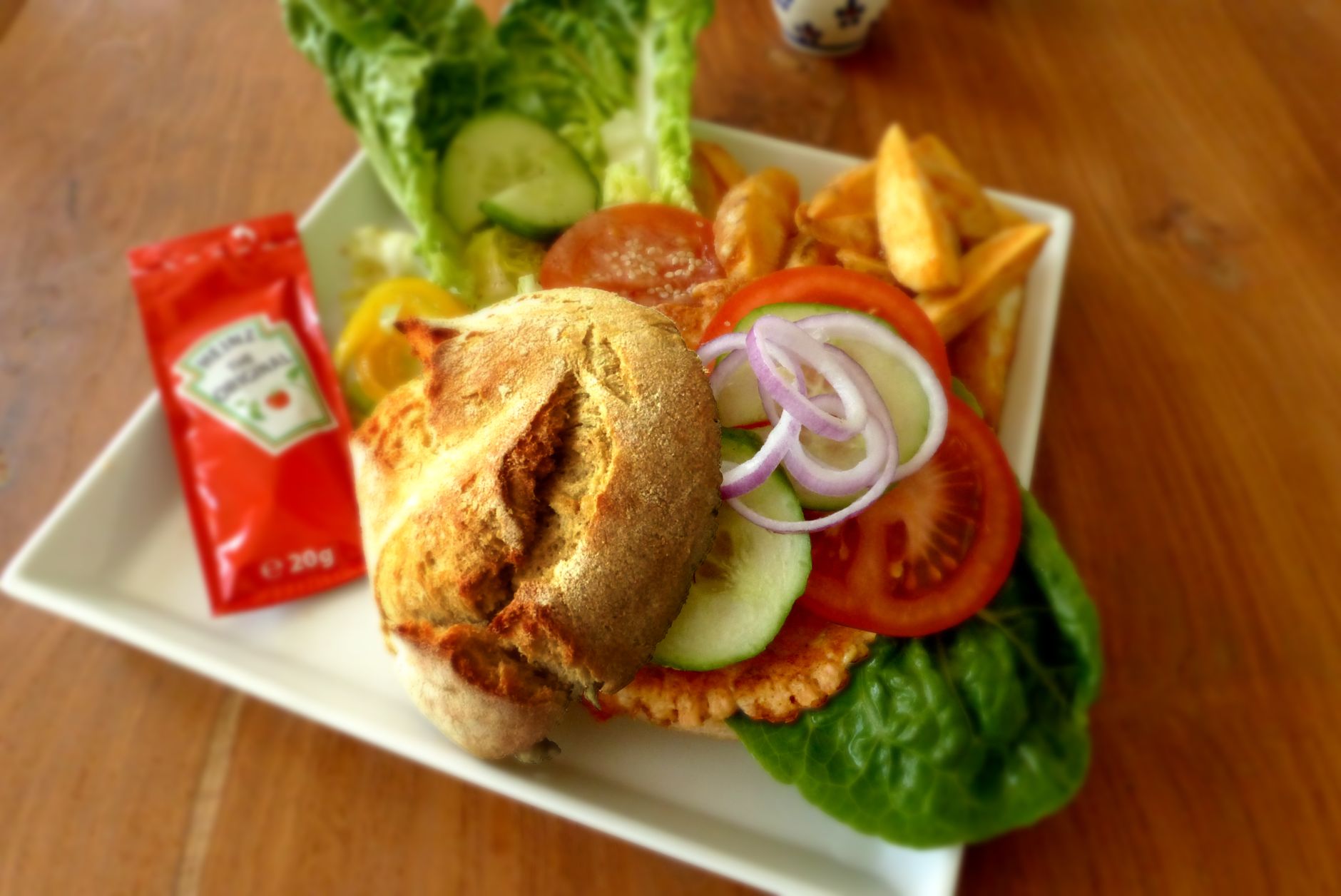
2. Salmon, Cucumber and Tomato Salad, and Sourdough Bread
Salmon is rich in omega-3 fatty acids, which research suggests may support healthy gut motility (National Institutes of Health, Office of Dietary Supplements). The cucumber and tomato base provides high water content and easy-to-digest fiber with very little fermentable material. Sourdough, unlike regular sandwich bread, is partially fermented during baking, which breaks down some of the fructans that cause bloating in sensitive people, according to work discussed in the journal Nutrients.
Eat the salad first, then the salmon, and save a slice or two of sourdough for the end of the meal. Keep the total portion of bread to one or two slices rather than three or four.
Why it works: Low-fermentation vegetables pair with an anti-inflammatory protein source, and the sourdough fermentation process reduces the bloat-triggering carbohydrates in the bread.

3. Lentil Soup with a Small Side Salad and a Squeeze of Lemon
Lentils have a reputation for causing gas, but portion size and preparation matter enormously. A half-cup of cooked lentils at lunch is usually well tolerated, especially when the soup is warm. Heat helps break down cell walls, making the fiber less abrasive on the gut. Adding lemon juice to the bowl or salad stimulates stomach acid production, which supports efficient protein digestion early in the digestive cascade.
Start with the side salad (leafy greens and a simple vinaigrette), then move to the soup. Sipping water slowly during the meal is fine; gulping large amounts alongside food can dilute digestive enzymes and add to bloating.
For plant-based eaters who want more lunch variety without digestive trade-offs, Five Plant-Based Lunch Combinations That Deliver Complete Protein and Stop Afternoon Bloating is a practical companion read.
Why it works: Warm preparation, modest portion, acid stimulation, and eating lighter foods first keep the digestion of a fiber-rich legume smooth rather than sluggish.
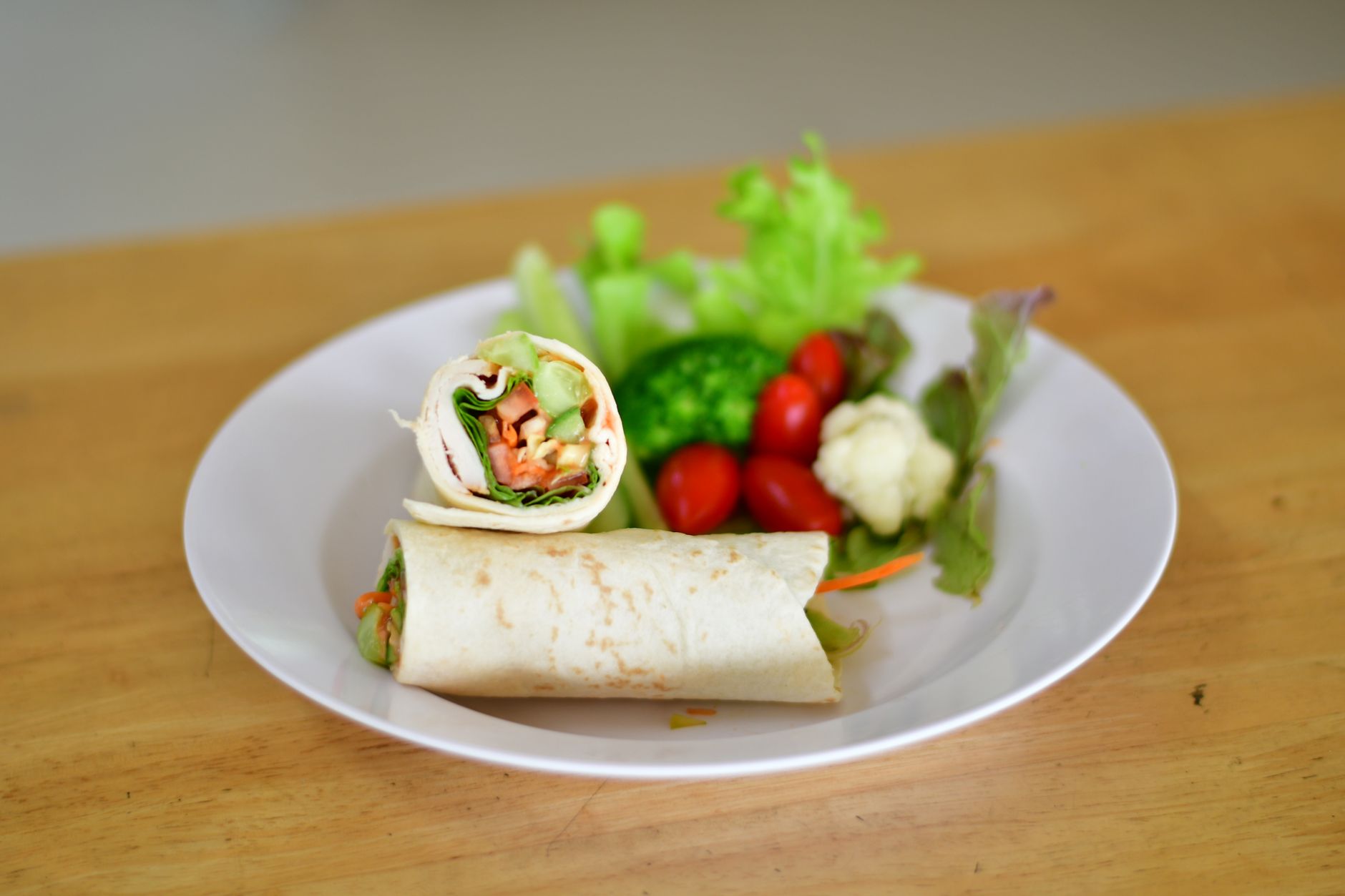
4. Turkey and Avocado Wrap with Leafy Greens Inside (Hold the Raw Onion)
This is essentially a classic wrap with one intentional swap: skip the raw onion. Raw onions are high in fructans, a type of fermentable carbohydrate that research consistently links to bloating in a large portion of adults (Monash University Low FODMAP research). You are not removing the whole meal; you are just pulling out one high-fermentation ingredient.
Avocado provides healthy monounsaturated fat and potassium, which may help counteract water retention associated with sodium. Turkey delivers a lean, easy-to-digest protein. Use a whole-grain or sprouted-grain wrap, and load the inside with spinach, romaine, or arugula before adding the protein and avocado.
Eating slowly matters here. Wraps tend to be eaten quickly at a desk, which means swallowing more air. If you want to understand what else happens to digestion when you skip a proper lunch break, Why Your Afternoon Bloating Worsens When You Skip Lunch Breaks and What to Eat Instead is worth a few minutes.
Why it works: Removing one high-fructan ingredient eliminates a common fermentation trigger without changing the meal’s overall character or satisfaction.

5. Egg and Roasted Sweet Potato Bowl with Baby Spinach and Olive Oil
Eggs are one of the most digestible complete proteins available, scoring nearly perfect on the protein digestibility-corrected amino acid score (PDCAAS) scale referenced in USDA nutrition research. Sweet potato provides resistant starch and beta-carotene, with a fiber type that is gentler on the gut than raw potato or most raw legumes. Baby spinach adds magnesium, which supports smooth muscle contraction in the gut.
Drizzle olive oil over the bowl after plating. Fat slows gastric emptying slightly, which is beneficial here because it prevents a rapid carbohydrate surge that can contribute to fermentation. Eat the spinach first, then alternate bites of egg and sweet potato.
Why it works: Highly digestible protein, gentle resistant starch, magnesium from greens, and fat for steady gastric emptying create an afternoon-friendly digestive environment.

Two Habits That Work Across All Five Lunches
Beyond meal composition, two habits consistently support digestive comfort at midday:
- Chew each bite fully. Digestion begins in the mouth. Swallowing large pieces forces the stomach to work harder and can increase gas production during fermentation.
- Give yourself at least 20 minutes to eat. Rushing compresses the digestive process and increases air swallowing. Even setting a 20-minute timer at your desk creates a noticeable difference.
If you find that bloating persists even after improving your meals, the cause may be postural or breathing-related rather than dietary. Breathwork for Digestion: How Intentional Breathing Stops Afternoon Bloating Better Than Food Swaps explores that angle with practical techniques.

A Practical Starting Point
Choose one of these five lunches this week and eat it slowly, in the vegetable-first order described. You do not need to overhaul your entire diet to prevent afternoon bloating. Small, consistent changes to meal pacing and composition tend to produce lasting improvement more reliably than strict food elimination.
If you want to stay consistent with practical guidance like this, the Clean Body Mentor newsletter delivers evidence-informed, real-life wellness ideas every week without the noise.
This article is for general educational and informational purposes only and is not a substitute for medical advice, diagnosis, or treatment. Health needs vary by individual. Consult a qualified healthcare professional before making significant changes to your diet, exercise routine, supplements, medication, or treatment plan, especially if you have a medical condition, are pregnant or breastfeeding, take medication, or have concerns about your symptoms.

Sources
- International Foundation for Gastrointestinal Disorders (IFFGD): information on bloating and meal habits (iffgd.org)
- National Institutes of Health, Office of Dietary Supplements: Omega-3 fatty acids fact sheet (ods.od.nih.gov)
- Monash University Low FODMAP Diet research: fructans and fermentable carbohydrates (monashfodmap.com)
- Nutrients journal: sourdough fermentation and fructan reduction (MDPI, Nutrients)
- USDA Agricultural Research Service: protein digestibility and egg quality


