

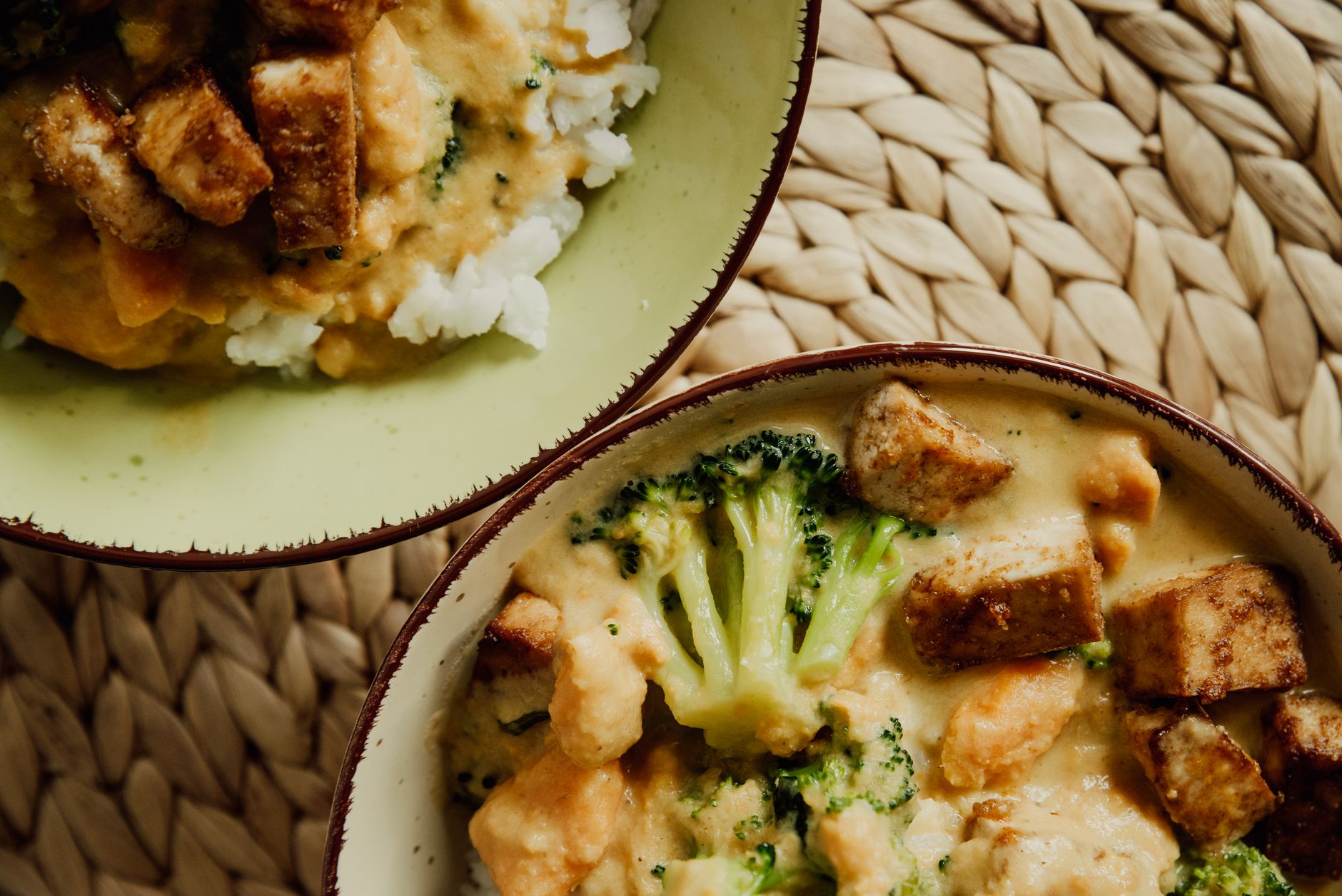
If you’ve ever finished a plant-based dinner and found yourself raiding the kitchen two hours later, the problem probably wasn’t portion size. It was likely the combination of foods on your plate. Getting all nine essential amino acids from plants is straightforward once you understand which pairings work, and research suggests that you don’t need to nail every amino acid in a single bite as long as your overall daily intake covers them (National Institutes of Health, Office of Dietary Supplements).
The five dinners below are ranked across three real-world factors: how satisfying they tend to keep you (satiety), how much they cost per serving at typical grocery prices, and how long they honestly take to prepare on a weeknight. One of them requires zero cooking.
For a broader look at how individual plant proteins stack up, Whole-Food Plant Proteins Ranked by Satiety, Cost, and Prep Time: A Beginner’s Real-Life Comparison walks through the building blocks before you start combining them.
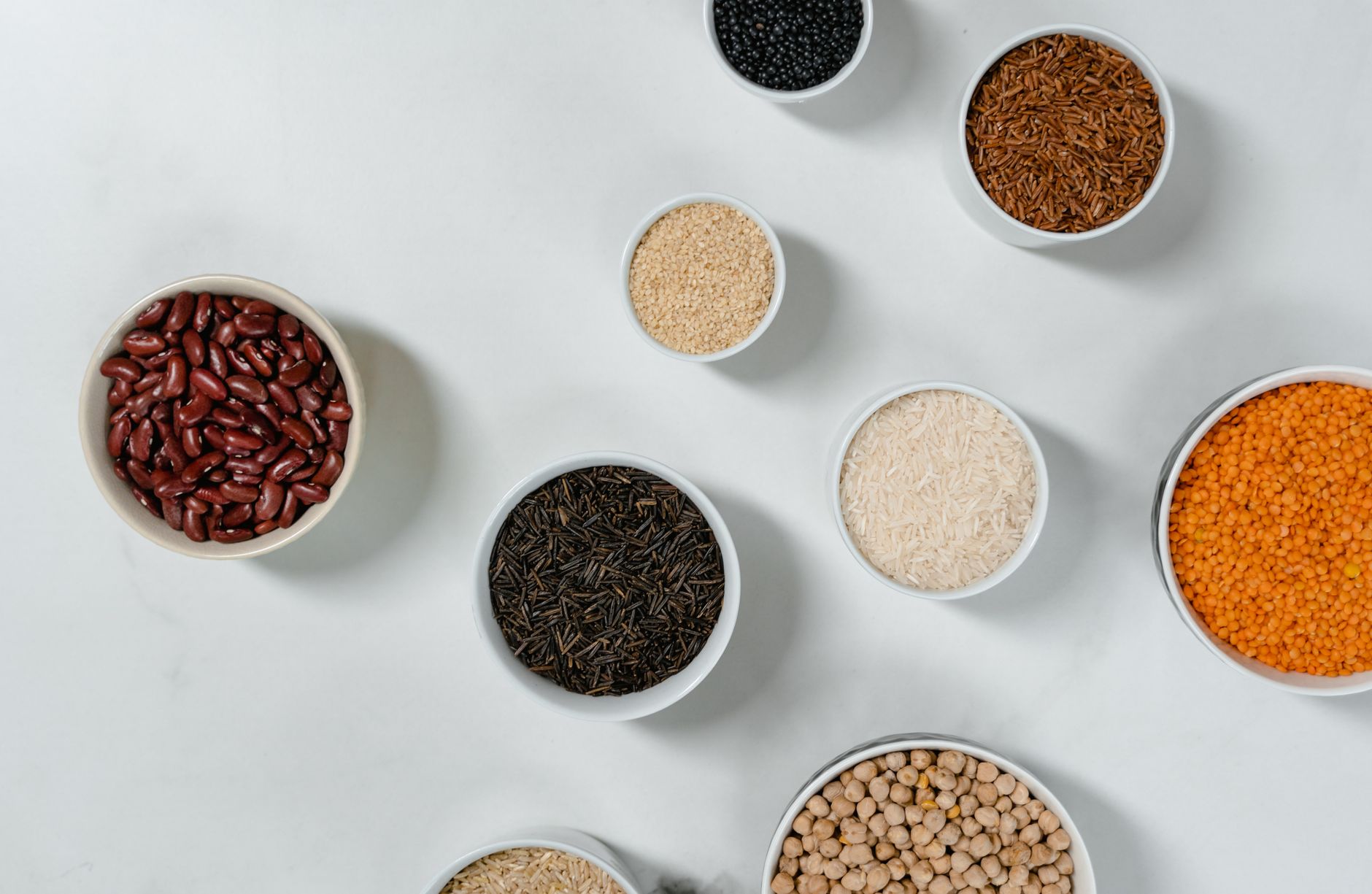
1. Black Bean and Brown Rice Bowl with Pumpkin Seeds
Satiety: High | Cost: ~$1.80/serving | Prep time: 25 minutes (or 10 with precooked rice)
This is the workhorse of plant-based dinners complete protein combinations. Legumes like black beans supply lysine, which grains tend to lack, while rice provides methionine that legumes are short on. Pumpkin seeds add zinc, magnesium, and a satisfying crunch that slows your eating pace, which supports fullness cues.
Top the bowl with salsa, lime, cumin-roasted corn, and a handful of shredded cabbage. The fiber load (roughly 15 to 18 grams per serving) is a major driver of satiety here. Research from the journal Nutrients (2017) found that legume-based meals significantly increased fullness compared to meat-matched calorie equivalents.
Budget tip: Dried black beans cost a fraction of canned. Cook a large batch on Sunday and refrigerate for the week.
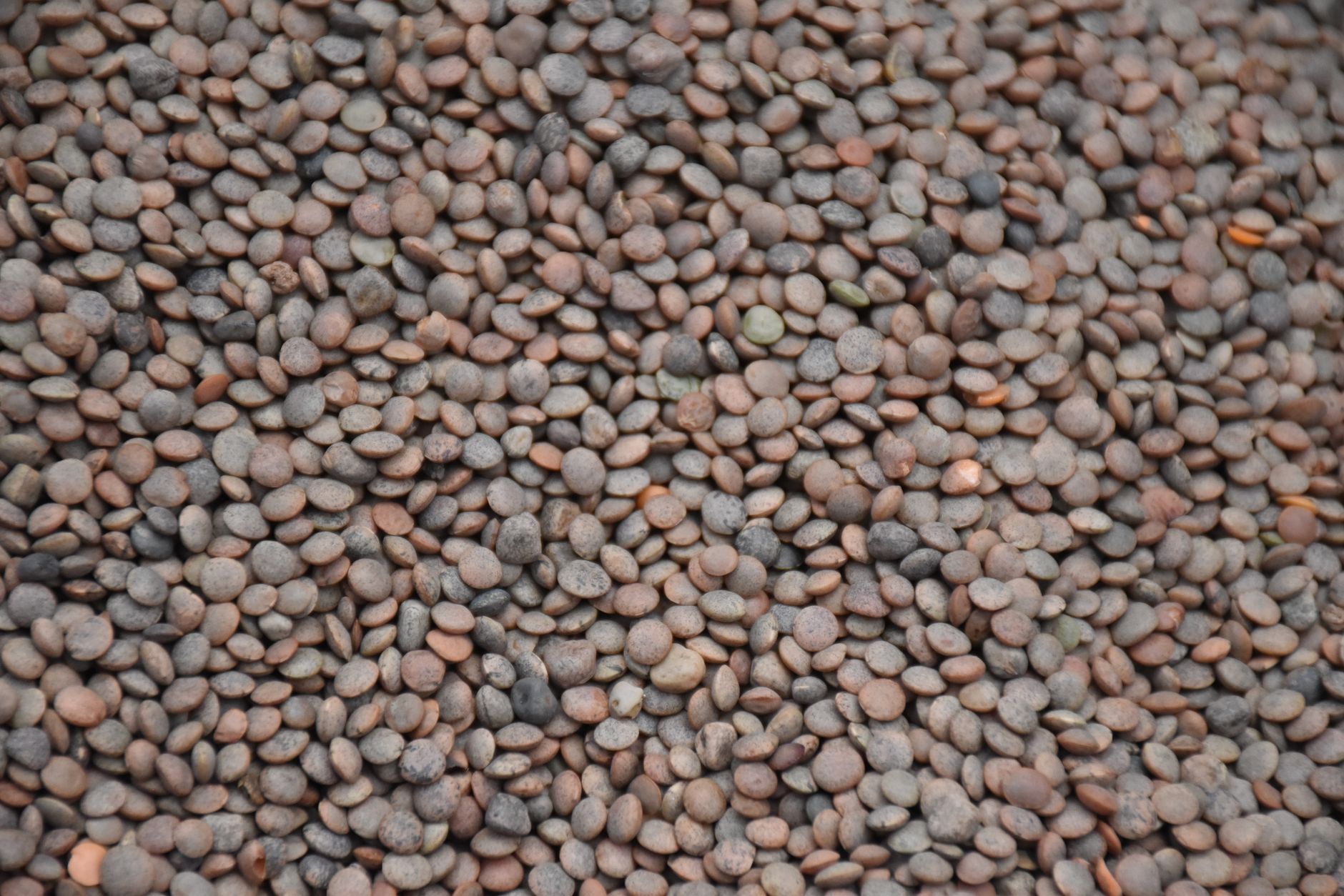
2. Lentil Dal with Whole-Wheat Flatbread and Hemp Seeds
Satiety: Very High | Cost: ~$1.50/serving | Prep time: 30 minutes
Red or green lentils form a thick, warming base rich in lysine and iron. Whole-wheat flatbread (or store-bought whole-grain naan) adds the complementary amino acids and slow-digesting carbohydrates that extend energy. Stir two tablespoons of hemp seeds into the finished dal. Hemp is one of the few plant sources that delivers a complete amino acid profile on its own (all nine essential amino acids in useful amounts), so it functions as an insurance policy for the combination.
The slow simmer also matters for satiety beyond the nutrients. The thicker and more viscous the meal, the longer gastric emptying takes, meaning you feel fuller longer. Spice with turmeric, cumin, and ginger for flavor without extra calories.
This dinner pairs well with the guidance in Plant Protein Completeness Ranked: Which Whole Foods Deliver All Nine Amino Acids Without Powder or Meat if you want to understand what hemp seeds are doing mechanically.
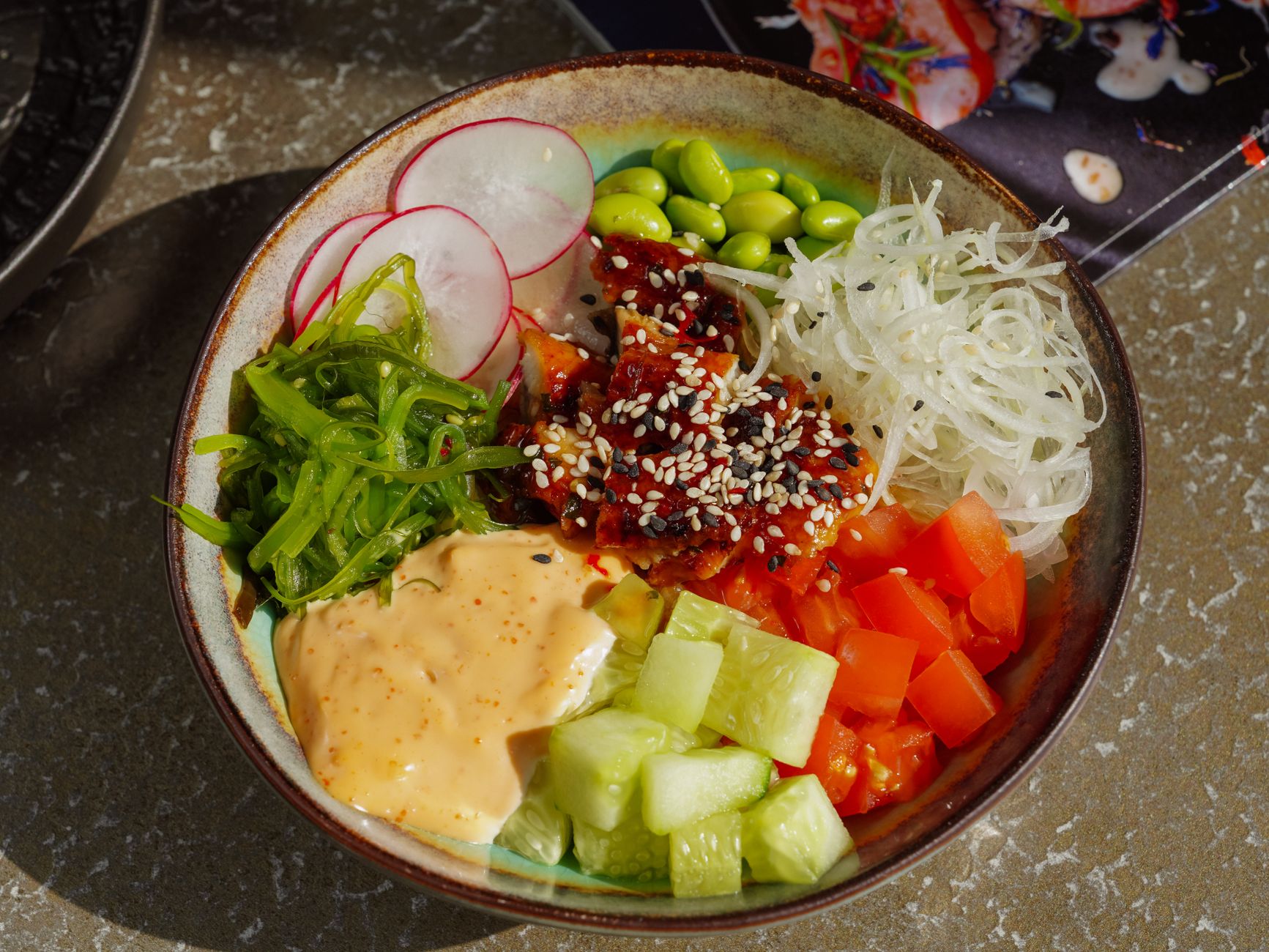
3. Edamame and Farro Salad with Sesame-Tahini Dressing
Satiety: High | Cost: ~$2.40/serving | Prep time: 20 minutes (farro cooked ahead)
Edamame is a whole soybean, and soy is one of the few plant sources with a complete essential amino acid profile comparable to animal protein (USDA FoodData Central). Farro is an ancient whole grain with more protein per cup than white rice, adding depth to the texture. Tahini, made from sesame seeds, contributes methionine and healthy unsaturated fats that slow digestion and support fat-soluble vitamin absorption.
Toss with lemon juice, garlic, parsley, and cherry tomatoes. This salad works warm or cold, making it easy to meal prep on a Sunday for the first part of the week. The chewing time required by farro and whole edamame pods is itself a satiety factor that softer foods don’t offer.
Slightly higher cost than lentils or beans, but still well under $3 per serving.
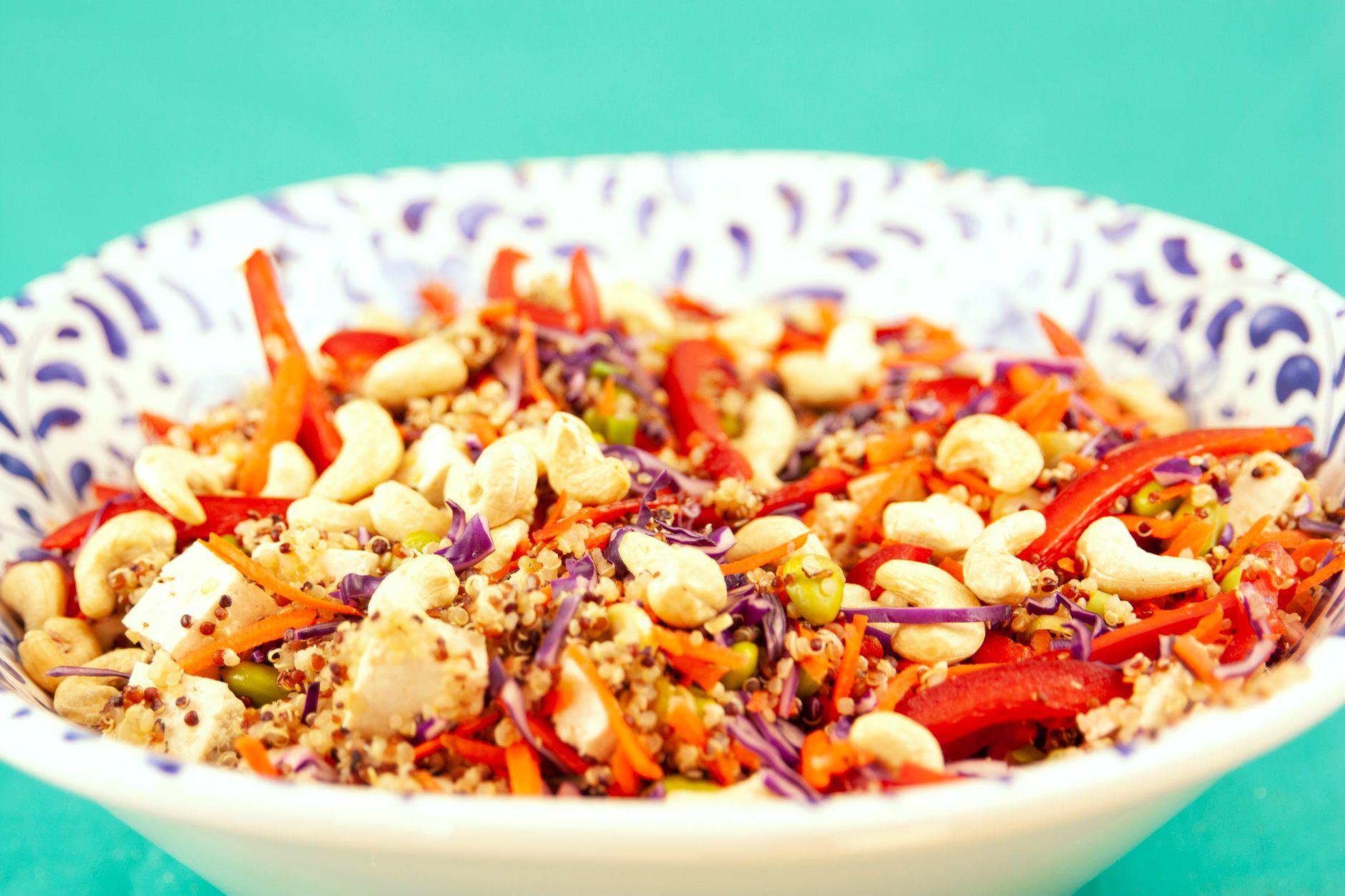
4. Chickpea and Quinoa Stir-Fry with Cashews
Satiety: High | Cost: ~$2.10/serving | Prep time: 20 minutes
Quinoa is the most discussed complete plant protein because it genuinely provides all nine essential amino acids in one grain-like seed. Combining it with chickpeas layers in additional lysine, fiber, and slow-digesting starch. Cashews add creaminess, caloric density, and a dose of copper and magnesium that many plant-based eaters run low on.
Stir-fry with bell peppers, snap peas, tamari, garlic, and ginger. The fat from cashews slows gastric emptying similarly to tahini in the previous dish, extending fullness into the evening. If cashews feel expensive, a small handful (about 28 grams) is enough to do the job without pushing the cost up significantly.
For busy nights, pre-cooked quinoa pouches from the grain section of most grocery stores cut prep to around 12 minutes total.
5. White Bean and Walnut Lettuce Wraps (No-Cook)
Satiety: Moderate-High | Cost: ~$1.60/serving | Prep time: 8 minutes
This is the no-cook option for exhausted weeknights. Drain and rinse canned white beans, mash them roughly with lemon juice and garlic powder, and spoon into large romaine or butter lettuce leaves. Top with roughly chopped walnuts, diced cucumber, and a drizzle of olive oil.
White beans carry lysine and substantial fiber. Walnuts provide methionine, alpha-linolenic acid (a plant-based omega-3), and a texture contrast that keeps each bite interesting. The combination covers the essential amino acid range reasonably well, though the overall protein count per serving (around 14 to 16 grams) is lower than the cooked options above, which is why satiety is rated moderate-high rather than high.
This is a strong starting point for anyone new to plant-based dinners complete protein thinking, because it removes the barrier of cooking entirely.
If you want to carry this protein-pairing approach into the rest of your day, Five Plant-Based Lunch Combinations That Deliver Complete Protein and Stop Afternoon Bloating covers the midday meal with the same no-powder, real-food logic.
What Actually Drives Satiety in Plant-Based Dinners
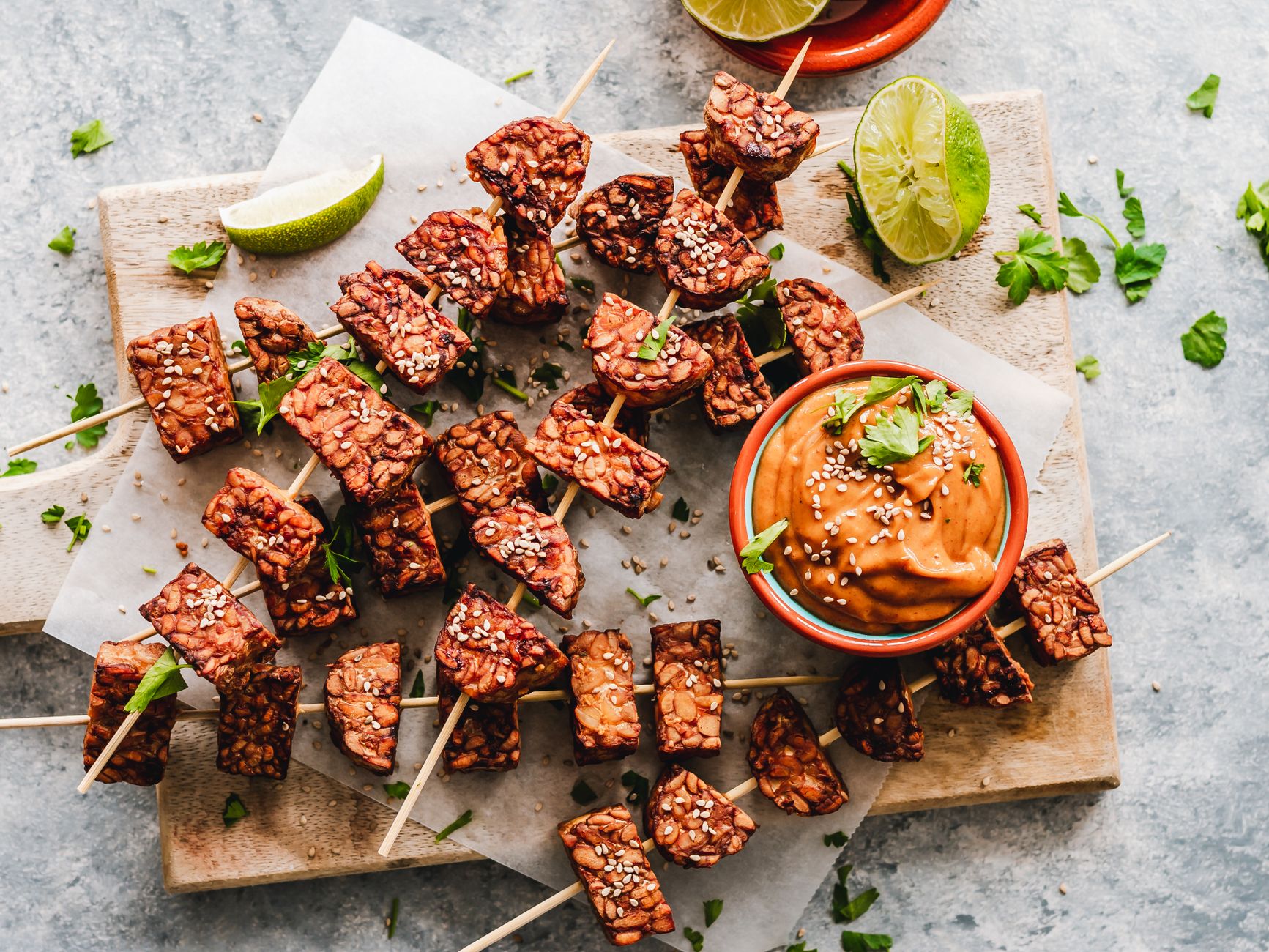
Across all five combinations, the most consistent satiety drivers are fiber content, meal viscosity or texture complexity, and the presence of fat. Protein quantity matters, but texture and eating pace shape how full you feel as much as macros do. A thick dal eaten slowly keeps you satisfied longer than the same grams of protein blended into a smooth liquid.
If you are managing weight or trying to get leaner on a plant-based pattern, Sustainable Weight Loss Without Restriction: How Real Meal Patterns Beat Calorie Counting explores how meal structure supports a natural calorie deficit without tracking every gram.
Choose one combination from this list and try it this week. Consistency with a few reliable dinners builds the habit faster than rotating through dozens of recipes at once.
This article is for general educational and informational purposes only and is not a substitute for medical advice, diagnosis, or treatment. Health needs vary by individual. Consult a qualified healthcare professional before making significant changes to your diet, exercise routine, supplements, medication, or treatment plan, especially if you have a medical condition, are pregnant or breastfeeding, take medication, or have concerns about your symptoms.
Sources
- National Institutes of Health, Office of Dietary Supplements. Dietary Protein and Amino Acids. ods.od.nih.gov
- USDA FoodData Central. Edamame, Quinoa, Hemp Seeds nutritional profiles. fdc.nal.usda.gov
- Kristensen, M. D., et al. “Meals Based on Vegetable Protein Sources (Beans and Peas) Are More Satiating Than Meals Based on Animal Protein Sources (Veal and Pork).” Food and Nutrition Research, 2016.
- Rebello, C. J., et al. “Dietary Fiber and Satiety.” Nutrition Reviews, 2016. Research suggests dietary fiber increases fullness and reduces subsequent intake.


