

You probably do not need a lecture about your phone. You already know you use it a lot. What you may not know is exactly how that daily screen exposure is quietly nudging your shoulders forward, slowing your digestion, and delaying the sleep you desperately need, often without producing obvious warning signs until the effects are well established.
The goal here is not a technology ban. It is understanding the specific mechanisms at work and building a handful of small, realistic habits that protect your digital wellness and sleep health without asking you to become someone you are not.
1. Your Screen Height Is Quietly Rounding Your Shoulders
When a monitor or phone sits even a few centimeters below comfortable eye level, your head tilts forward and your upper spine follows. Research published in Surgical Technology International estimated that a head tilted 60 degrees forward places roughly 60 pounds of effective load on the cervical spine, far beyond the 10 to 12 pounds your head actually weighs.
Over hours of desk work, your pectoral muscles shorten, your upper back lengthens and weakens, and you develop the classic hunched posture that is sometimes called “tech neck.”
What to do: Raise your monitor so the top third of the screen sits at eye level. If you work from a laptop, an external monitor or a laptop stand with a separate keyboard is worth the investment. For phone use, hold the device closer to face height rather than looking down at your lap. Combining this with stretching moves that reverse rounded shoulders can begin to undo months of forward pull in just a few minutes a day.
2. Sitting Still Compresses Your Digestive Tract
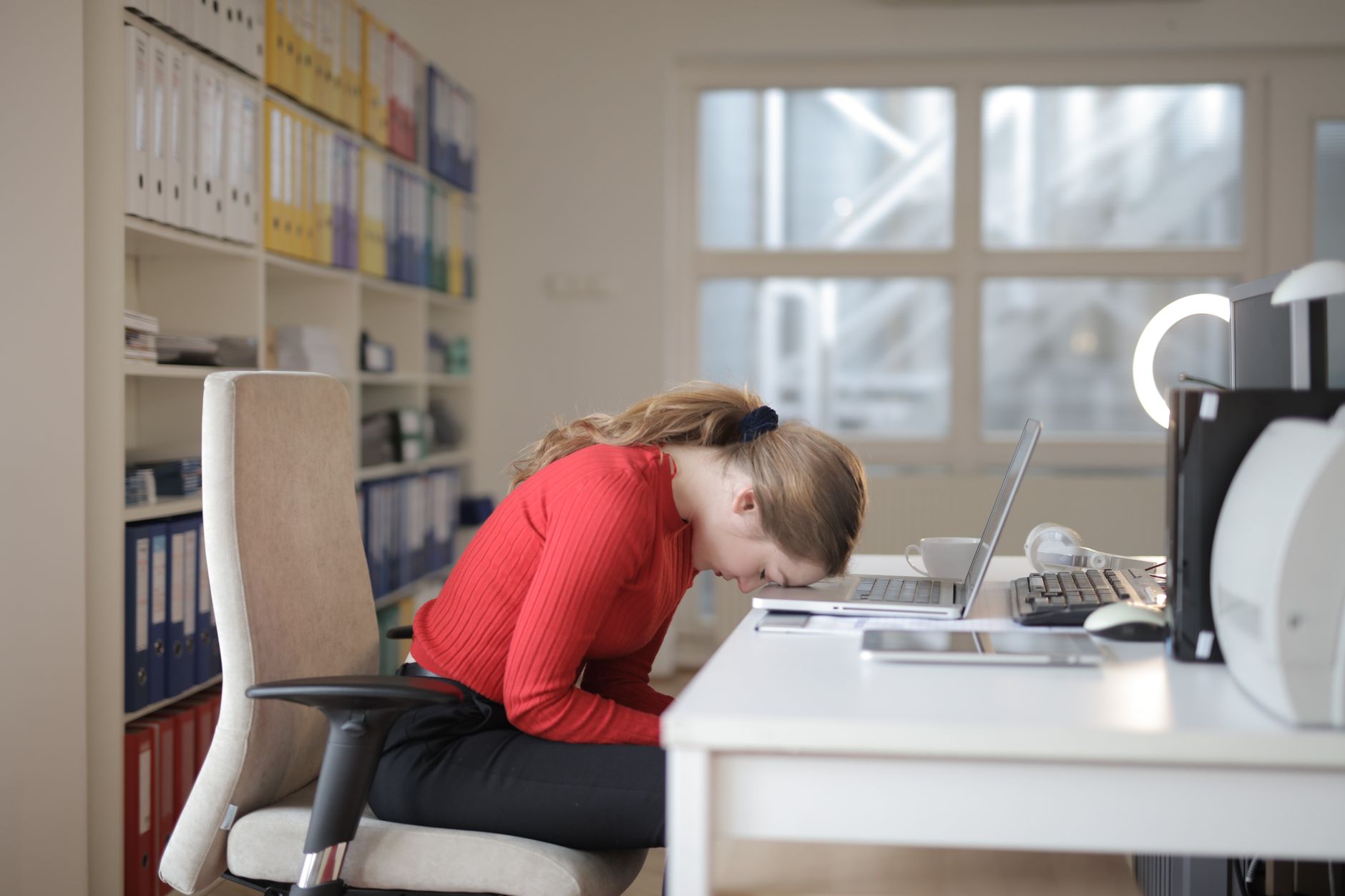
Your gut moves food along through a coordinated muscular process called peristalsis. Prolonged sitting, especially with a collapsed posture, physically compresses the abdominal cavity and reduces the space available for that movement. The result can be slower gastric emptying, gas buildup, and the familiar mid-afternoon bloating that many desk workers assume is a food intolerance.
Shallow breathing in a hunched position compounds the problem. Your diaphragm cannot fully descend when your ribcage is caved inward, which limits the gentle massaging pressure the diaphragm normally provides to the organs below it.
What to do: Stand or walk for two to five minutes every 45 to 60 minutes. Even a brief walk to refill your water glass counts. Movement breaks stop bloating better than food swaps for many people, and the evidence for regular movement supporting gut motility is well-established. If you want to understand how breathing posture specifically contributes to bloating, the guide on digestive bloating from shallow breathing is worth bookmarking.
3. Notifications Keep Your Nervous System in Low-Grade Alert Mode
Every ping, badge, or banner activates a brief stress response. Your body releases a small amount of cortisol and your attention snaps away from whatever you were doing. Individually, this feels minor. Cumulatively, across dozens of interruptions a day, it maintains a background state of alertness that makes it harder to shift into the parasympathetic (rest-and-digest) mode your body needs for good digestion and eventual sleep.
What to do: Batch your notifications. Set specific check-in windows for email and social media, two or three times a day, rather than reacting to every alert as it arrives. Even muting notifications for 90-minute focused blocks can noticeably reduce that undercurrent of tension by the end of the day. This is one of the simplest digital wellness habits available, and it costs nothing.
4. Blue Light in the Evening Delays Your Sleep Signal
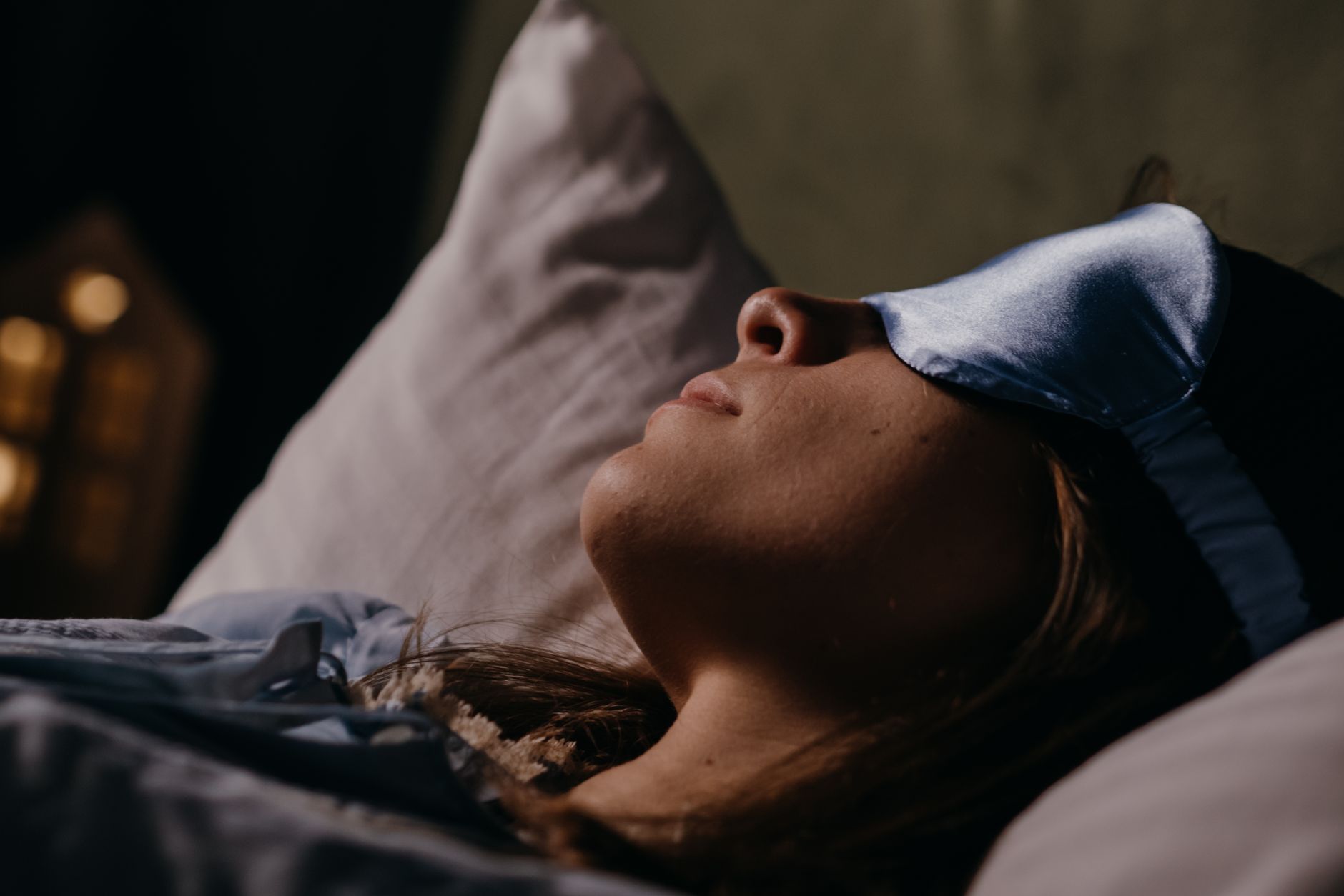
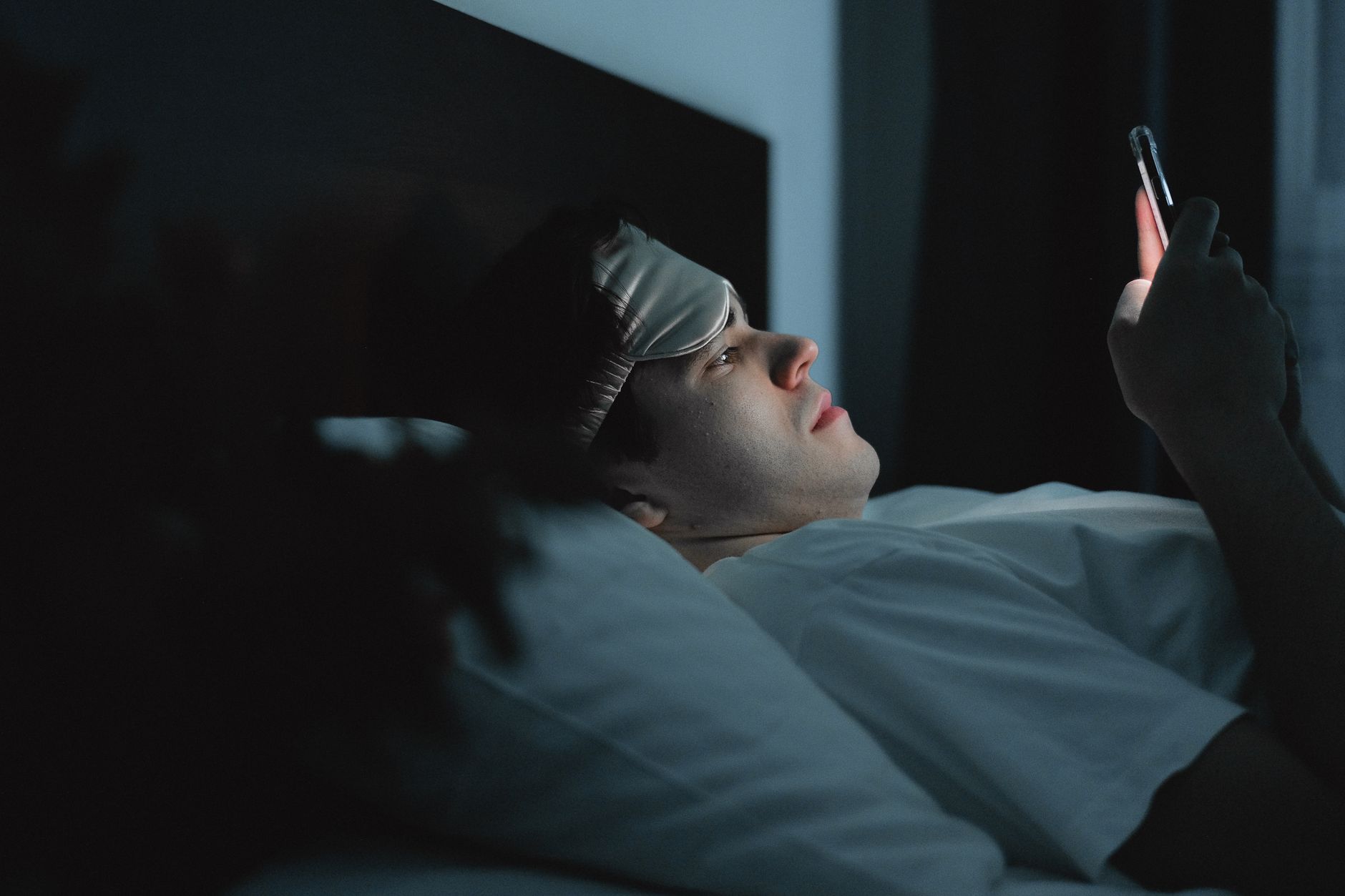
This is probably the most discussed aspect of digital wellness and sleep health, and the evidence behind it is real, though sometimes overstated. The issue is not that screens are uniquely dangerous. It is that short-wavelength blue light suppresses melatonin secretion, the hormone that signals your brain it is time to wind down. The National Institutes of Health has published multiple studies linking evening light exposure to delayed circadian phase and reduced sleep quality.
The timing matters more than most people realize. Light exposure within 90 minutes of your intended sleep time is where the effect is strongest.
What to do: Use your device’s built-in night mode or warm-toned display setting after 8 p.m. Dim your room lighting at the same time, because overhead LED and fluorescent lights carry significant blue content too. For a deeper look at why fixing evening light matters more than a strict bedtime ritual alone, read how evening light exposure shapes sleep quality. You might also want to look at how seasonal light changes affect your sleep, energy, and appetite, since the amount of natural light you get during the day also influences how sensitive you are to evening screens.
5. Build a 20-Minute Evening Transition Routine
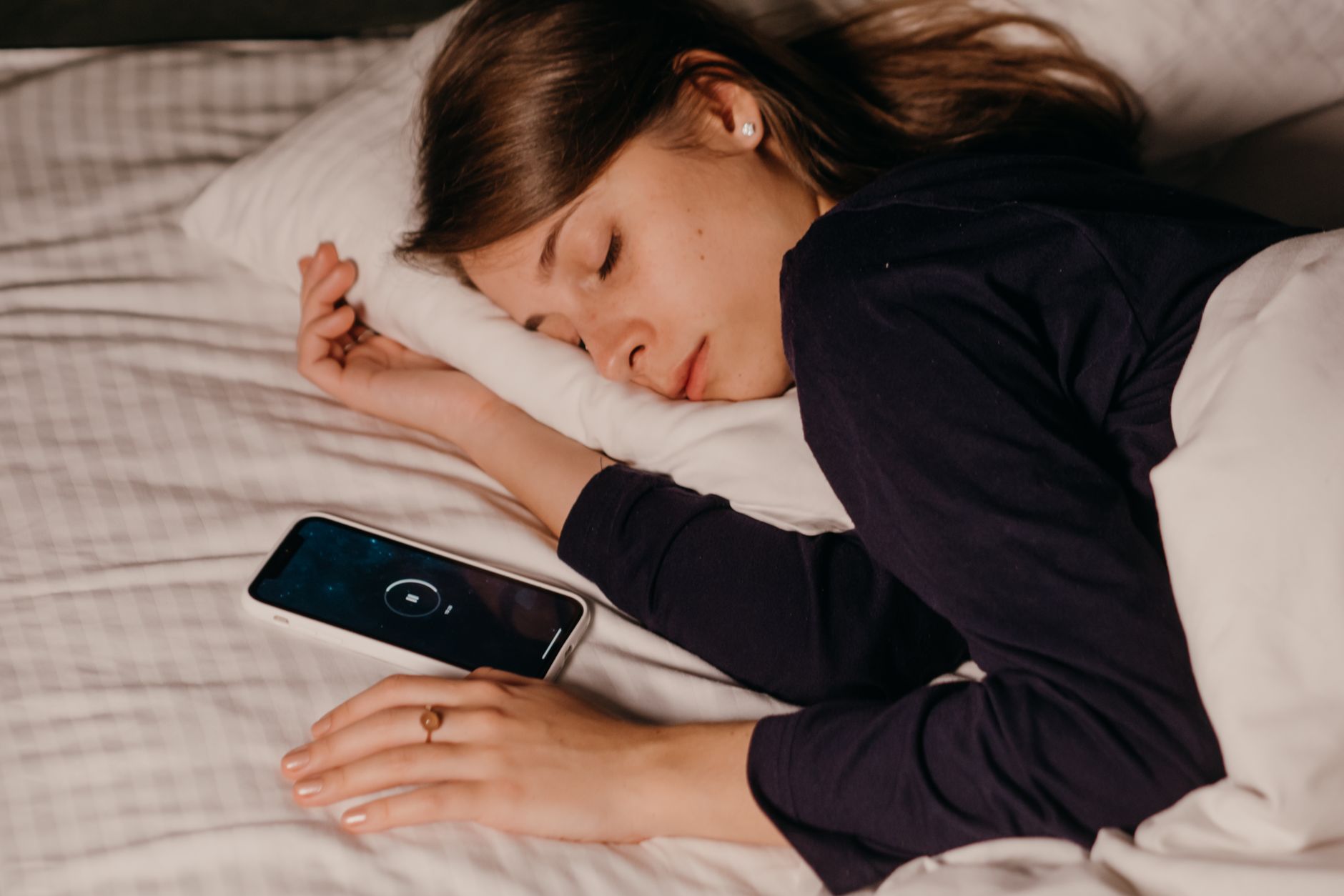
One of the most evidence-supported strategies for protecting digital wellness and sleep health is not dramatic. It is simply creating a consistent buffer between screens and sleep. Abrupt transitions, closing your laptop and immediately lying in bed, give your nervous system no time to decelerate.
A simple sequence might look like this:
- 8:30 p.m.: Screens go to warm mode; overhead lights off, lamps or candles on.
- 8:45 p.m.: Five minutes of gentle stretching or shoulder rolls at your desk before you leave the workspace.
- 9:00 p.m.: A light, non-stimulating activity such as reading a physical book, journaling, or a brief breathwork session.
- 9:20 p.m.: Devices in another room or face down and silenced.
This is not about achieving perfection every night. Even doing this four nights out of seven produces meaningful circadian consistency, because your body learns to anticipate sleep based on repeated environmental cues.
6. Caffeine Timing Interacts With Screen-Driven Alertness
If notifications keep your cortisol slightly elevated through the afternoon, adding a late coffee or energy drink layers chemical alertness on top of psychological alertness. The result is often wired-but-tired by 10 p.m., which makes the pull of late-night scrolling even stronger.
Research suggests caffeine has a half-life of roughly five to six hours in most adults (though individual variation is wide). An afternoon coffee at 3 p.m. still has half its stimulant effect at 8 or 9 p.m. The guide on caffeine timing across the day breaks down how to get the focus benefits without the sleep cost.
One Small Step Forward
You do not need to overhaul everything at once. Pick one habit from this list that feels genuinely manageable this week: raise your monitor, set a notification schedule, switch to warm light mode at 8 p.m., or build a ten-minute wind-down buffer. Practice it consistently for two weeks before adding another layer. Gradual progress stacks reliably.
If you want practical wellness guidance delivered weekly without overwhelm, the Clean Body Mentor newsletter brings exactly that to your inbox.
This article is for general educational and informational purposes only and is not a substitute for medical advice, diagnosis, or treatment. Health needs vary by individual. Consult a qualified healthcare professional before making significant changes to your diet, exercise routine, supplements, medication, or treatment plan, especially if you have a medical condition, are pregnant or breastfeeding, take medication, or have concerns about your symptoms.
Sources
- Hansraj, K.K. “Assessment of Stresses in the Cervical Spine Caused by Posture and Position of the Head.” Surgical Technology International, 2014.
- National Institutes of Health, National Library of Medicine: “Effects of blue light on the circadian system and eye physiology.” PMC4254760. Available at: https://www.ncbi.nlm.nih.gov/pmc/articles/PMC4254760/
- Cajochen, C., et al. “Evidence that the Lunar Cycle Influences Human Sleep” and related circadian rhythm studies, Journal of Sleep Research (cited for melatonin suppression mechanisms).
- American Academy of Sleep Medicine: position statements on light exposure and sleep timing.


