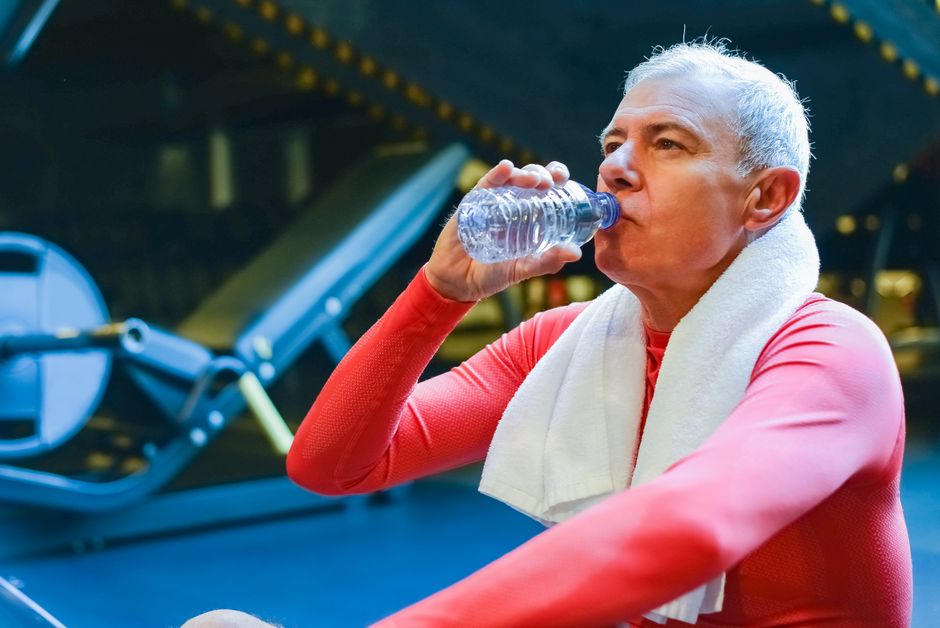
If you notice that your digestion feels noticeably better after a rowing session, you are not imagining it. The rowing stroke is one of the few cardio movements that rhythmically compresses and releases your abdominal cavity with every pull. That repeated motion can literally help move things along your digestive tract in a way that walking, cycling, or even strength training rarely does.
The challenge is that most people either eat too much too close to a session and feel queasy mid-row, or they skip fueling altogether and wonder why their core feels shaky and their recovery stalls. This tutorial closes that gap. You will get a practical sequence for pre-row fueling, intra-workout hydration, and post-row recovery nutrition that keeps your gut comfortable and your muscles rebuilding.

Why Rowing Is Unusually Good for Your Gut
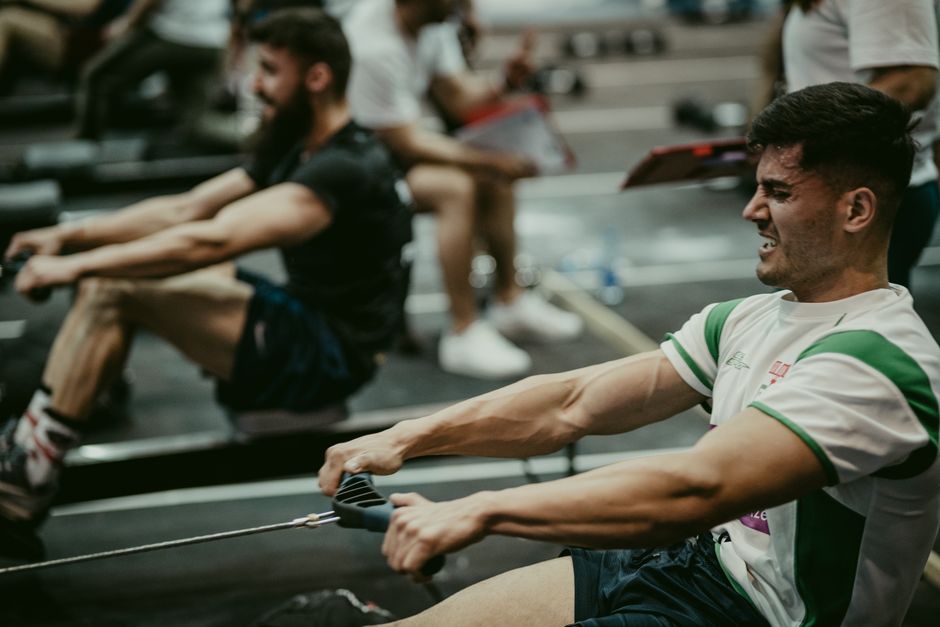
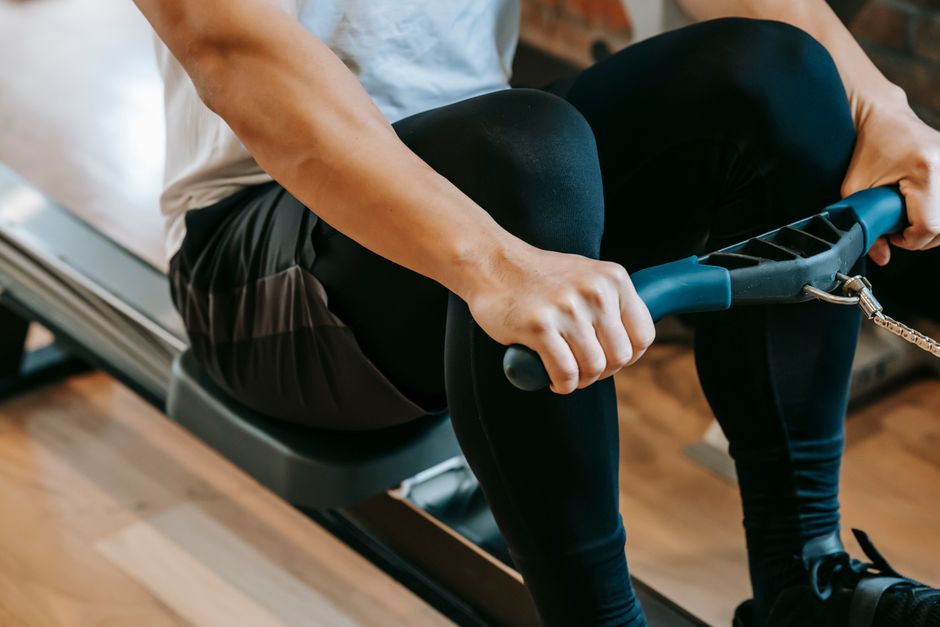
Each rowing stroke involves a drive phase where you push through your legs and pivot forward, followed by a recovery phase where you hinge back toward the flywheel. Your core braces and releases with every single cycle, typically 20 to 28 times per minute at moderate effort.
This rhythmic compression functions similarly to abdominal massage. Research published in the Journal of Neurogastroenterology and Motility (NIH PubMed) has linked moderate aerobic movement to increased gut motility, partly through stimulation of the enteric nervous system. Rowing adds a mechanical dimension to that effect because the hip flexion and core engagement at the catch position gently compress the ascending and transverse colon.
The pelvic floor also plays a role. It contracts and relaxes throughout the stroke, which can relieve the kind of tension that contributes to sluggish transit. If you have ever noticed that you need a bathroom break within an hour of finishing a row, this coordinated muscular action is a likely reason.
For a broader look at how structured movement affects gut function, the guide on Why Your Digestion Improves on Strength Training Days and How to Eat for Better Muscle Repair covers the hormonal and motility mechanisms that apply across exercise types.

Pre-Row Fueling: Timing Matters More Than Volume
The most common mistake rowers make is treating pre-workout food the same way they would treat breakfast. A large, fiber-rich, high-fat meal needs two to three hours to clear your stomach. Eating one of those 45 minutes before you row is a recipe for bloating, cramping, or the urge to stop mid-session.
Here is a practical timing framework:
- Two to three hours before: A balanced meal works well here. Think cooked grains, a moderate protein source like eggs or chicken, and cooked (not raw) vegetables. Cooked vegetables are gentler on your gut under physical stress.
- Sixty to ninety minutes before: Keep it smaller. A banana with a tablespoon of nut butter, or a small portion of oatmeal with a scoop of protein powder, gives you accessible carbohydrates without the digestive burden.
- Under thirty minutes before: Stick to something simple and easy to absorb. A small rice cake, a few dates, or half a banana is enough to stabilize blood sugar without sitting heavily in your stomach.
The order you eat nutrients at a full pre-row meal also matters. Research suggests that starting with protein and vegetables before carbohydrates can smooth post-meal blood sugar response. The Clean Body Mentor guide on Why Your Eating Order at Meals Changes Digestion More Than Portion Size explains this mechanism in depth and applies directly to pre-workout meal planning.
Hydration During and Around Your Row
You lose fluid quickly on the rowing machine because the continuous full-body effort raises your core temperature and your breathing rate. Dehydration slows gastric emptying, meaning whatever you ate before your row will sit longer in your stomach and compete with your muscles for blood flow.
Practical hydration targets for most adults doing a 30 to 60 minute rowing session:
- Drink 400 to 600 ml of water in the two hours before you row.
- Sip 150 to 250 ml every 15 to 20 minutes during the session, depending on sweat rate and room temperature.
- After your row, replace fluids gradually over the next 60 to 90 minutes rather than drinking a large amount at once, which can dilute electrolytes and briefly worsen gut motility.
If your sessions run longer than 45 minutes or you sweat heavily, plain water may not be enough. Sodium and potassium help your cells actually absorb and retain fluid. The article on Hydration for Strength Training Recovery: When Water Alone Falls Short and What Electrolytes Actually Do goes deeper on electrolyte thresholds and timing, and the guidance translates directly to rowing recovery.
Post-Row Recovery: One Meal That Covers Both Goals
You do not need a separate recovery shake and a separate meal. For most recreational rowers doing moderate-intensity sessions, a single well-constructed meal within 60 to 90 minutes of finishing covers both muscle protein synthesis and gut recovery.
The structure that tends to work well:
- Protein first: Aim for 25 to 40 grams from a whole-food source. Salmon, Greek yogurt, eggs, cottage cheese, or a legume-based dish all work. Protein synthesis after aerobic-plus-resistance work (rowing is both) is supported by adequate leucine-rich intake, per research summarized by the International Society of Sports Nutrition.
- Easily digestible carbohydrates: White rice, cooked sweet potato, or sourdough bread digest faster than raw salads or high-fiber grains right after a session, when your gut is still in recovery mode and blood flow is redistributing.
- A small amount of healthy fat: Avocado, olive oil, or a handful of nuts slows the absorption curve slightly and helps you stay satisfied without adding digestive stress.
- Fermented foods when tolerated: A spoonful of kimchi, a small portion of kefir, or plain yogurt can support the gut microbiome environment that aerobic exercise already starts to improve. This is an area of emerging research rather than settled science, so treat it as a low-risk addition rather than a requirement.
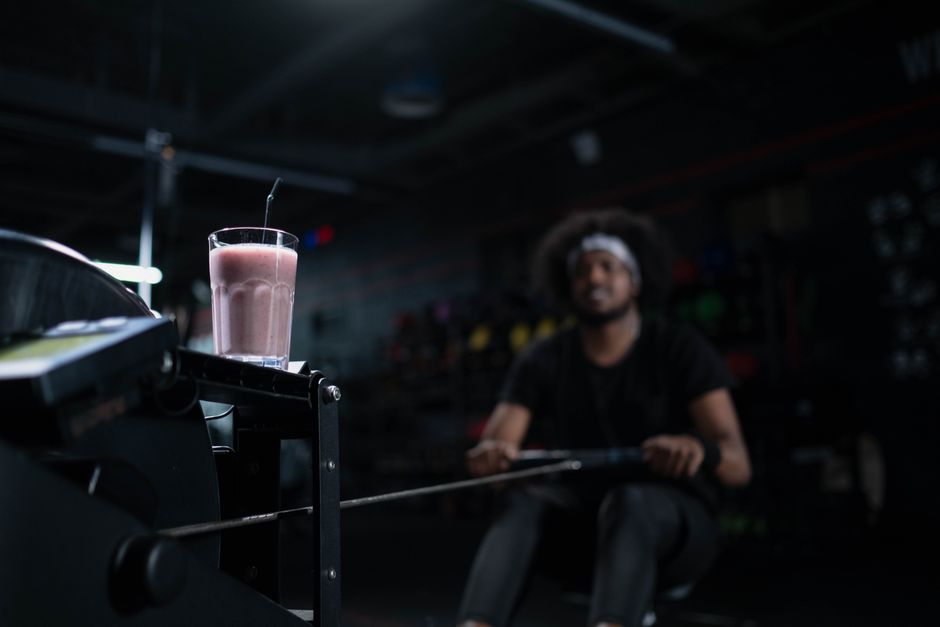
If your session falls in the morning and you prefer not to cook immediately after, a smoothie can be a smart bridge. Blend a scoop of protein powder, frozen banana, kefir or yogurt, and spinach for a recovery drink that checks the protein, carbohydrate, and probiotic boxes in under three minutes.
A Note on Posture After You Row
One detail that most tutorials skip: how you sit immediately after a row affects your digestion more than you might expect. Rowing rounds the thoracic spine repeatedly, and slumping into a chair right after a session compresses your abdominal organs and can slow the gut motility benefit you just worked for. Spend five to ten minutes in a relaxed upright position, whether seated on a firm chair or standing, before you eat. The article on Why Your Posture Collapses During Meals and How Sitting Upright Actually Changes Your Digestion makes the physiological case for this habit clearly.
Putting It Into Practice
You do not need to overhaul your entire eating plan to improve your rowing workout digestion recovery. Pick one piece of this tutorial, the timing window, the hydration target, or the post-row meal structure, and practice it consistently for two weeks before layering in another change. Gradual progress creates sustainable habits far more reliably than trying to implement everything at once.
If you are curious about how recovery nutrition shifts across different training styles, the Clean Body Mentor newsletter covers practical weekly guidance on nutrition, movement, and whole-person wellness. It is a low-effort way to keep building on what you have started here.
This article is for general educational and informational purposes only and is not a substitute for medical advice, diagnosis, or treatment. Health needs vary by individual. Consult a qualified healthcare professional before making significant changes to your diet, exercise routine, supplements, medication, or treatment plan, especially if you have a medical condition, are pregnant or breastfeeding, take medication, or have concerns about your symptoms.

Sources
- Johannesson, E. et al. “Intervention to increase physical activity in irritable bowel syndrome shows long-term positive effects.” World Journal of Gastroenterology, NIH PubMed.
- Staudacher, H.M. and Whelan, K. “The low FODMAP diet: recent advances in understanding its mechanisms and efficacy in IBS.” Gut, BMJ.
- Kerksick, C.M. et al. “International Society of Sports Nutrition position stand: nutrient timing.” Journal of the International Society of Sports Nutrition, 2017. Available via ISSN and NIH PubMed.
- Casa, D.J. et al. “National Athletic Trainers’ Association Position Statement: Fluid Replacement for Athletes.” Journal of Athletic Training, NATA.