

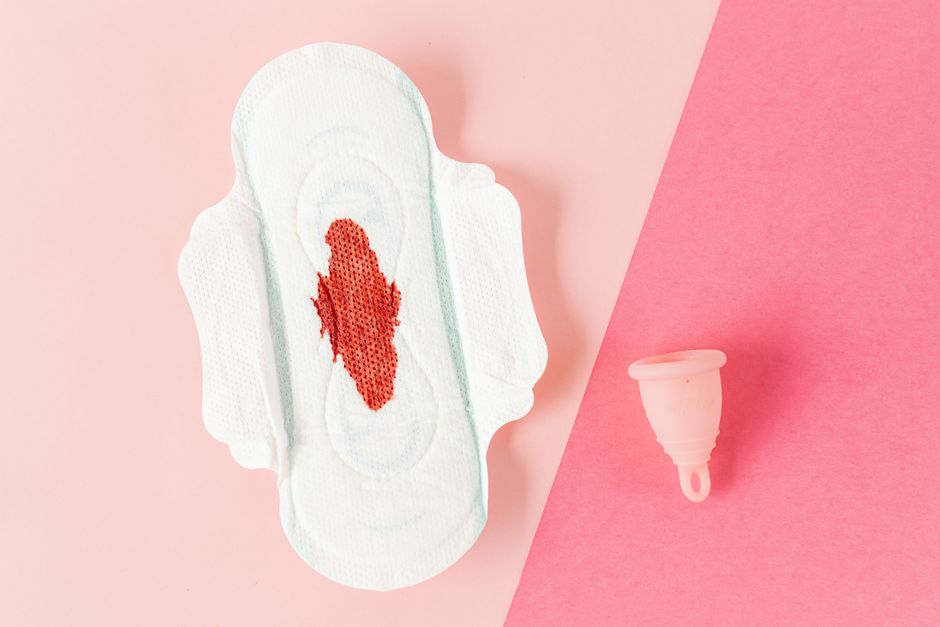
If you have ever followed a solid strength training program only to feel completely wrecked during one week and surprisingly powerful the next, your hormones are likely part of the story. A one-size-fits-all weekly workout schedule does not account for the fact that your body is operating on a shifting hormonal landscape throughout your cycle. Understanding that landscape can help you train smarter, recover more fully, and stay consistent without pushing through fatigue that your body genuinely cannot absorb right now.
This guide breaks down what happens to muscle recovery during each phase of a roughly 28-day cycle, why some weeks call for harder training and others call for deliberate rest, and how to make practical adjustments that keep your progress moving forward.
The Hormonal Backdrop Behind Recovery
Your menstrual cycle runs on four main hormones: estrogen, progesterone, follicle-stimulating hormone (FSH), and luteinizing hormone (LH). These do far more than regulate fertility. Research suggests estrogen may have a protective effect on muscle tissue, potentially reducing exercise-induced muscle damage, while progesterone can elevate resting body temperature and increase the perception of effort during workouts. According to a review published in the Journal of Physiology, estrogen may support muscle repair after eccentric loading, though individual responses vary.
This means your capacity to tolerate intensity, bounce back between sessions, and feel energized is not fixed. It shifts across roughly four phases: menstruation, the follicular phase, ovulation, and the luteal phase.

Week One: Menstruation (Days 1-5, Approximately)
Estrogen and progesterone are both at their lowest here. For many people, this is the physically hardest week: cramping, fatigue, lower back discomfort, and reduced energy are common. Recovery from strength sessions may feel slower, and motivation can dip.
What to do: This is not a week to force heavy lifts or high volume. Light movement, gentle mobility work, or a shortened strength session at reduced intensity can keep you active without deepening fatigue. If pain is significant, restorative movement like walking or stretching may serve you better than any structured workout.
If you are curious about how your digestion also shifts during this phase, Digestive Comfort on Your Menstrual Cycle: Why Your Gut Changes Week to Week and What to Eat Each Phase offers practical guidance on what to eat to support your body during menstruation.

Week Two: Follicular Phase (Days 6-13, Approximately)
As menstruation ends, estrogen begins climbing. This is typically the phase where many people feel their strongest, most coordinated, and most mentally sharp. Recovery tends to be quicker, pain tolerance may be slightly higher, and motivation to train often returns naturally.
What to do: This is your window for progressive overload. Increase weights gradually, attempt heavier compound lifts, and schedule your most demanding sessions here. Your nervous system is primed, and your muscles are likely to absorb and adapt to greater stress more efficiently during this phase.
If you are building a home-based strength routine and want support staying motivated as the weeks go on, Strength Training Motivation Fades by Week Three: The One Habit That Makes It Stick at Home is a helpful companion read.
Week Three: Ovulation (Around Day 14)
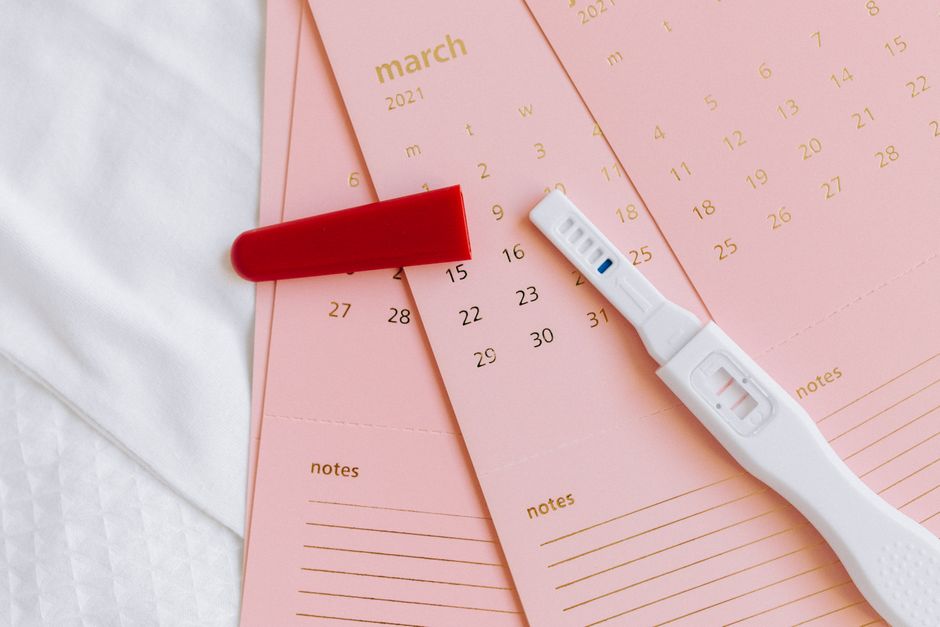
LH surges and triggers ovulation. Estrogen peaks briefly just before this, and many people report feeling physically strong and energetic. However, research suggests ligament laxity may increase around ovulation due to the estrogen surge, which can raise injury risk, particularly in the knees and ankles.
What to do: Keep training intensity high if you feel good, but pay closer attention to form. This is not the week to rush through reps or sacrifice technique for heavier weight. Warm up thoroughly and be deliberate about landing mechanics if you include any jumping or plyometric movements.
Week Four: Luteal Phase (Days 15-28, Approximately)
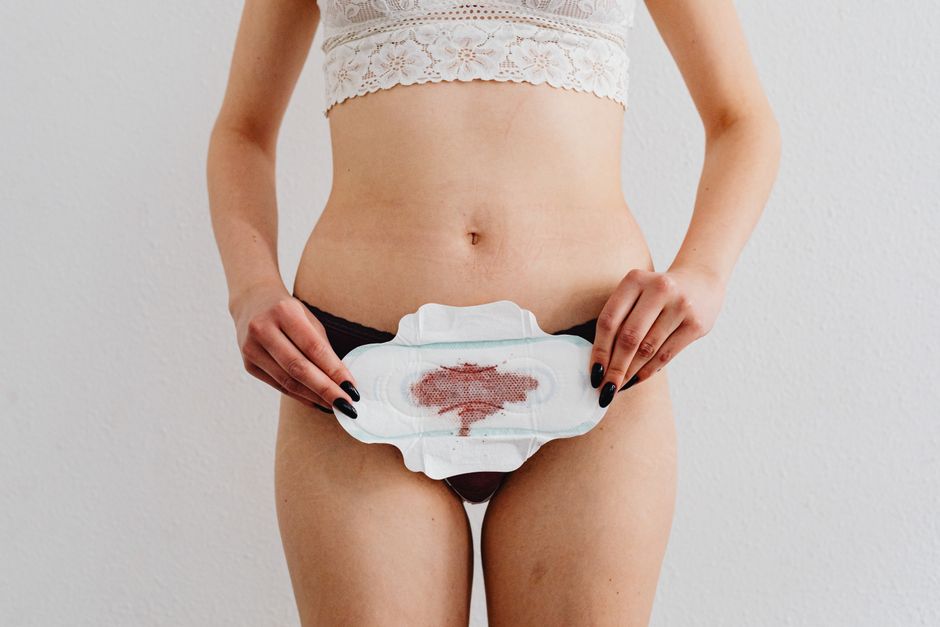
After ovulation, progesterone rises sharply and estrogen drops back down. This phase is where menstrual cycle exercise recovery becomes genuinely challenging. Resting body temperature increases slightly, perceived exertion rises, and many people experience premenstrual symptoms including bloating, irritability, fatigue, and disrupted sleep, all of which compound recovery difficulty.
Strength output may decline during this phase, and that is a physiological reality, not a personal failing. Research from Sports Medicine notes that aerobic performance may decrease in the late luteal phase due to elevated core temperature and cardiovascular strain.
What to do: Reduce training volume by roughly 10-20 percent. Prioritize sleep, protein intake, and hydration. This is an excellent time to focus on accessory work, stretching, and mobility rather than testing new one-rep maxes. When your body is running on less recovery capacity, you get more value from maintaining movement than from forcing intensity.
For guidance on reading the difference between normal soreness and actual fatigue, Strength Training Fatigue vs. Muscle Soreness: A Beginner’s Guide to When to Push Through and When to Rest offers a clear breakdown.
Hydration also plays a larger role during the luteal phase. Hydration for Strength Training Recovery: When Water Alone Falls Short and What Electrolytes Actually Do explains why electrolytes can matter more during the second half of your cycle.

Making This Work in a Real Schedule
You do not need to overhaul your entire program to work with your cycle. A few simple adjustments make a meaningful difference:
- Track your cycle alongside your workouts. Even two to three months of data reveals your personal patterns, which may differ from the averages described here.
- Build a flexible weekly template. Instead of a rigid Monday-through-Friday structure, plan your heaviest sessions in weeks two and three, and your lightest sessions in weeks one and four.
- Treat low-energy days as skill days. Use them for form practice, mobility, and recovery work rather than viewing them as failures.
- Adjust without abandoning. The goal of cycle-informed training is consistency over time, not perfection in any single week.
If you find that full workouts feel impossible on higher-symptom days, Home Workouts That Fit Unpredictable Family Schedules: A Flexible Strength Plan for 15, 20, or 30 Minutes offers adaptable options when time and energy are both limited.
A Note on Individual Variation
The phases described here reflect general hormonal patterns in a typical cycle. If you use hormonal contraception, have polycystic ovary syndrome (PCOS), perimenopause, or any other condition that affects hormone levels, your experience may differ significantly from these descriptions. Work with a qualified healthcare professional or sports medicine provider to understand how your specific situation shapes your recovery needs.
This guide offers a framework. Your body’s actual signals, particularly energy levels, soreness, and mood, should always inform your decisions alongside the calendar.
Your next small step: Choose one phase from your current cycle and apply a single adjustment this week, whether that is adding a rest day, testing a heavier lift, or swapping a strength session for a mobility practice. One deliberate change builds more lasting awareness than a complete program overhaul.
For more practical guidance on sustainable training habits and whole-person wellness, consider joining the Clean Body Mentor newsletter for weekly evidence-informed tips.
This article is for general educational and informational purposes only and is not a substitute for medical advice, diagnosis, or treatment. Health needs vary by individual. Consult a qualified healthcare professional before making significant changes to your diet, exercise routine, supplements, medication, or treatment plan, especially if you have a medical condition, are pregnant or breastfeeding, take medication, or have concerns about your symptoms.
Sources
- Enns, D. L., and Tiidus, P. M. (2010). The influence of estrogen on skeletal muscle: Sex matters. Sports Medicine, 40(1), 41-58.
- Carmichael, M. A., Thomson, R. L., Moran, L. J., and Wycherley, T. P. (2021). The impact of menstrual cycle phase on athletes’ performance: A narrative review. International Journal of Environmental Research and Public Health, 18(4), 1667. (PMC)
- Janse de Jonge, X. A. K. (2003). Effects of the menstrual cycle on exercise performance. Sports Medicine, 33(11), 833-851.
- McNulty, K. L., et al. (2020). The effects of menstrual cycle phase on exercise performance in eumenorrheic women: A systematic review and meta-analysis. Sports Medicine, 50(10), 1813-1827.


