If you have been eating more plants and quietly wondering why you feel hungry again an hour later, you are not alone. A lot of beginner plant-based eaters reach for protein bars or powders out of frustration, when several whole-food options are sitting in the grocery aisle at a fraction of the cost and doing a better job of keeping hunger quiet.
This plant-based protein sources comparison ranks six common whole-food categories by three criteria that actually matter in daily life: satiety (how long they hold you), cost per serving, and realistic prep time. No powders, no specialty items, no lab-engineered products.
How the Ranking Works
Each protein source is rated across three dimensions:
- Satiety score (1-5): How long a standard serving tends to suppress hunger, based on fiber content, protein density, and fat composition. Research published by the European Journal of Clinical Nutrition (Holt et al., 1995, the Satiety Index) and later satiety studies on dietary fiber from the U.S. National Library of Medicine inform this dimension.
- Cost per serving: Estimated retail price for a roughly 15-20 g protein serving in the U.S. market (2024 average), using dry or shelf-stable forms where applicable.
- Prep time: Realistic active and passive time, including soaking or cooking where relevant.
Note that cost varies by region, store type, and season. Use these as relative guides, not exact prices.
The Six Contenders
1. Cooked Lentils – The Everyday Champion
Satiety: 5/5 | Cost: ~$0.25-$0.40/serving | Prep time: 20-25 minutes (no soaking needed)
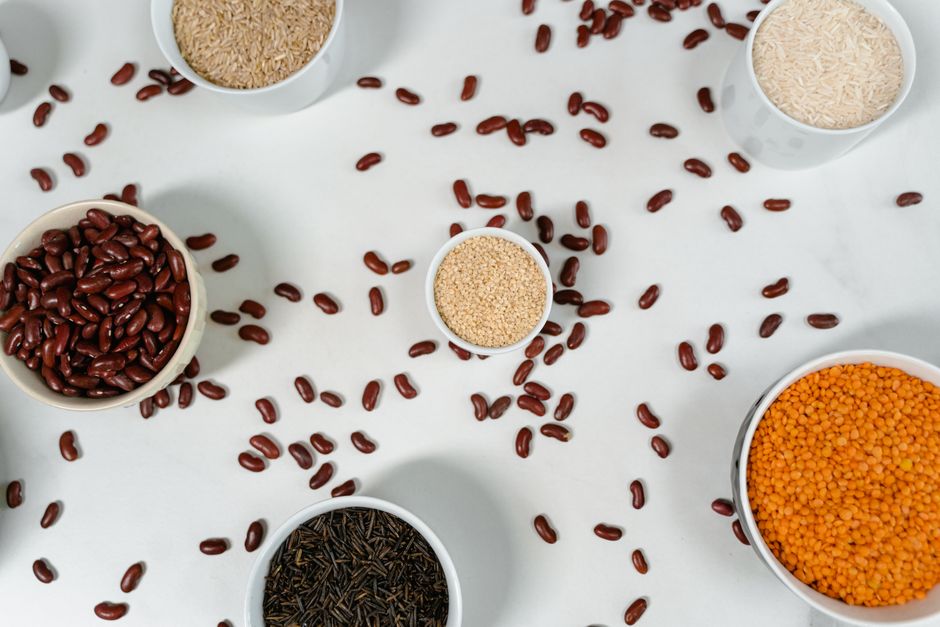
Lentils win this comparison on nearly every dimension. A single cooked cup delivers roughly 18 g of protein and 16 g of fiber, a combination that slows gastric emptying and keeps you full for hours. The USDA FoodData Central confirms lentils as one of the most fiber-dense legumes available at mainstream grocery stores.
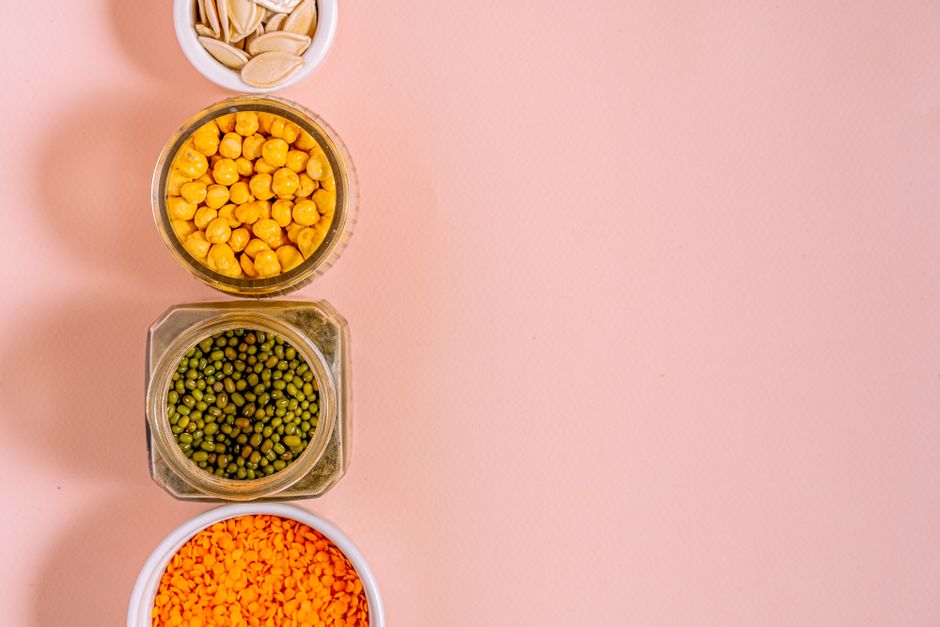
Red lentils dissolve into soups in under 20 minutes. Green and brown lentils hold their shape well for grain bowls. The cost is among the lowest in this entire comparison, and you do not need to soak them overnight.
The one tradeoff: if you are new to high-fiber foods, scaling up lentil portions too quickly can cause bloating. A gradual approach helps, as covered in Fiber Without the Bloat: A Progressive Eating Plan to Add Plant Foods Without Digestive Distress.
2. Canned or Cooked Chickpeas – The Flexible Middle Ground
Satiety: 4/5 | Cost: ~$0.35-$0.60/serving | Prep time: 5 minutes (canned) or 60+ minutes (dried)
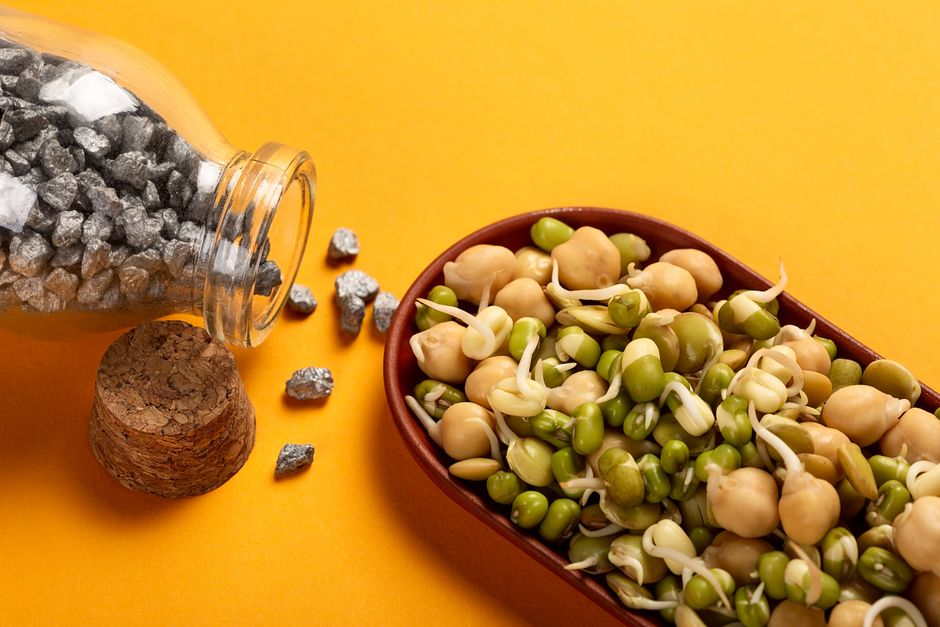
Chickpeas offer a solid satiety score thanks to roughly 15 g of protein and 12 g of fiber per cooked cup. Their mild flavor makes them one of the most versatile options in this plant-based protein sources comparison. Roasted, blended into hummus, tossed into salads, or stirred into curry, they adapt easily.
Canned chickpeas are genuinely fast. Drain, rinse, use. Dried chickpeas are cheaper but require overnight soaking and 60-90 minutes of cooking. If budget is your top concern, the dried version is worth the planning.
3. Tempeh – The Fermented Protein That Earns Its Price
Satiety: 5/5 | Cost: ~$1.00-$1.50/serving | Prep time: 10-15 minutes
Tempeh is the most protein-dense whole-food option in this list, providing about 19-21 g per half-block (roughly 85 g), and it is a complete protein, meaning it contains all nine essential amino acids. Its fermented structure also makes it easier to digest than many other legume-based foods.
The satiety is high because it combines dense protein with fat and fiber in a compact form. A pan-seared tempeh strip added to a grain bowl keeps hunger quiet for 3-4 hours in most people.
The cost is the main barrier. Tempeh runs two to four times the price of lentils per serving. If budget is tight, tempeh works well as an occasional upgrade rather than a daily staple. For ideas on pairing tempeh effectively at dinner, see Five Plant-Based Dinners Ranked by Complete Protein, Real Satiety, and Cost for Sustainable Weight Management.
4. Firm Tofu – The Budget-Friendly Blank Canvas
Satiety: 3/5 | Cost: ~$0.50-$0.80/serving | Prep time: 10-20 minutes (pressing optional but recommended)
Tofu sits in the middle of this comparison. It offers around 10-15 g of protein per half-cup serving, is a complete protein, and costs significantly less than tempeh. Its satiety score is lower because it is lower in fiber and fat than tempeh or lentils.
That said, tofu’s satiety improves meaningfully when you pair it with fiber-rich vegetables or whole grains. On its own, it is not the most filling option. With a side of cooked quinoa or roasted vegetables, it holds you well past a standard meal window.
Pressing tofu before cooking removes excess water, improves texture, and helps it absorb marinades, which makes a real difference in how satisfying the meal feels.
5. Hemp Seeds and Pumpkin Seeds – The No-Cook Protein Boost
Satiety: 3/5 | Cost: ~$0.80-$1.50/serving | Prep time: Zero
Seeds do not replace a protein-anchored meal, but they are the only option in this comparison that requires absolutely no cooking. Three tablespoons of hemp seeds provide about 10 g of complete protein. Pumpkin seeds offer roughly 9 g per ounce with a solid magnesium bonus.
Their satiety score is moderate because serving sizes are small and easy to underestimate. They work best as a topping or mix-in, not a standalone protein. Sprinkled on oatmeal, blended into a smoothie, or stirred into yogurt, they add meaningful nutrition with no effort.
Cost is the weak point. Seeds cost more per gram of protein than legumes, though they are more affordable than most packaged protein bars.
6. Quinoa and Whole-Grain Oats – The Supportive Carb-Protein Hybrid
Satiety: 3/5 | Cost: ~$0.30-$0.60/serving | Prep time: 15-20 minutes
Quinoa is frequently called a complete protein, and technically it is, but a single cup of cooked quinoa provides only about 8 g of protein. Oats offer roughly 5-6 g per cup. These are not high-protein foods in isolation, but they contribute meaningfully to a protein-rich meal when combined with legumes or seeds.
Their value is in pairing. A lentil bowl over quinoa or an oat breakfast topped with hemp seeds and pumpkin seeds gives you a genuinely filling, high-protein breakfast combo without any specialty ingredients. The cost is excellent, the prep is simple, and they act as a fiber-rich base that extends satiety from whatever protein you add.
Which One Should You Start With?
If you are building sustainable eating habits on a real budget, start with lentils. They offer the best combination of satiety, cost, and fast prep in this entire plant-based protein sources comparison. Add canned chickpeas for variety on busy nights. Bring in tempeh or firm tofu once or twice a week for a different texture and a complete amino acid profile.
Seeds work best as consistent add-ons rather than primary proteins. Whole grains like quinoa and oats are better thought of as satiety multipliers when paired with something higher in protein.
If you are also managing appetite later in the day, the strategies in Five Reasons Your Evening Hunger Spikes After 7pm and Which Food Timing Shifts Stop It for Real pair well with a protein-anchored eating pattern.
Pick one source from this list, add it to three meals this week, and notice how your hunger levels shift. Small, consistent changes tend to stick longer than dramatic overhauls.
This article is for general educational and informational purposes only and is not a substitute for medical advice, diagnosis, or treatment. Health needs vary by individual. Consult a qualified healthcare professional before making significant changes to your diet, exercise routine, supplements, medication, or treatment plan, especially if you have a medical condition, are pregnant or breastfeeding, take medication, or have concerns about your symptoms.
Sources
- Holt, S.H., Miller, J.C., Petocz, P., and Farmakalidis, E. (1995). A satiety index of common foods. European Journal of Clinical Nutrition, 49(9), 675-690.
- USDA FoodData Central. Lentils, cooked. U.S. Department of Agriculture. (fdc.nal.usda.gov)
- U.S. National Library of Medicine, MedlinePlus. Dietary fiber. National Institutes of Health.
- USDA FoodData Central. Tofu, firm; Tempeh; Chickpeas, cooked; Hemp seeds; Quinoa, cooked. U.S. Department of Agriculture.