

Winter has a way of making your body feel heavier than usual. You are eating more than you realized, moving a little less, and by mid-January your digestion seems to have simply… stopped trying. Bloating after dinner feels routine. That full-but-stuck sensation lingers for hours. You may have searched for a cleanse or a reset, but restriction is not the answer here and it rarely needs to be.
The real issue is more interesting: seasonal shifts genuinely change how your gut behaves, and the fix is largely about working with those changes rather than against them. Here is how seasonal eating can quietly restore digestive comfort through the coldest months without asking you to give anything up.
Why Winter Slows Digestion in the First Place
Several things converge in cold weather that affect your gut directly.
First, physical activity tends to drop. Movement plays a real role in gut motility, the rhythmic muscle contractions that push food through your digestive tract. Research published in the World Journal of Gastroenterology notes that regular physical activity can improve transit time and reduce constipation risk. When you spend more time indoors and on the couch, that rhythm slows. Why your digestion improves on movement days and slows on rest days explores this gut-activity connection in more detail.
Second, winter meals tend to skew heavier: roasts, stews, pasta bakes, cream sauces, and baked goods. These foods are comforting and there is nothing wrong with enjoying them, but they are often lower in fiber and higher in fat and refined carbohydrates than your warmer-weather eating patterns. Dietary fiber feeds the beneficial bacteria in your gut and keeps stool moving. Less fiber means slower transit.
Third, people often drink less water in winter because cold air suppresses the thirst response. Even mild dehydration can thicken digestive fluids and slow the movement of food through the intestines.
Finally, cold temperatures themselves may influence gut microbiome composition. A 2019 study in Cell Host and Microbe found seasonal variation in the gut microbiome of both humans and other mammals, suggesting your microbial community shifts with the climate. The practical takeaway: your gut in February is not your gut in July, and eating the exact same way year-round ignores that reality.
What Seasonal Eating Actually Means for Your Gut
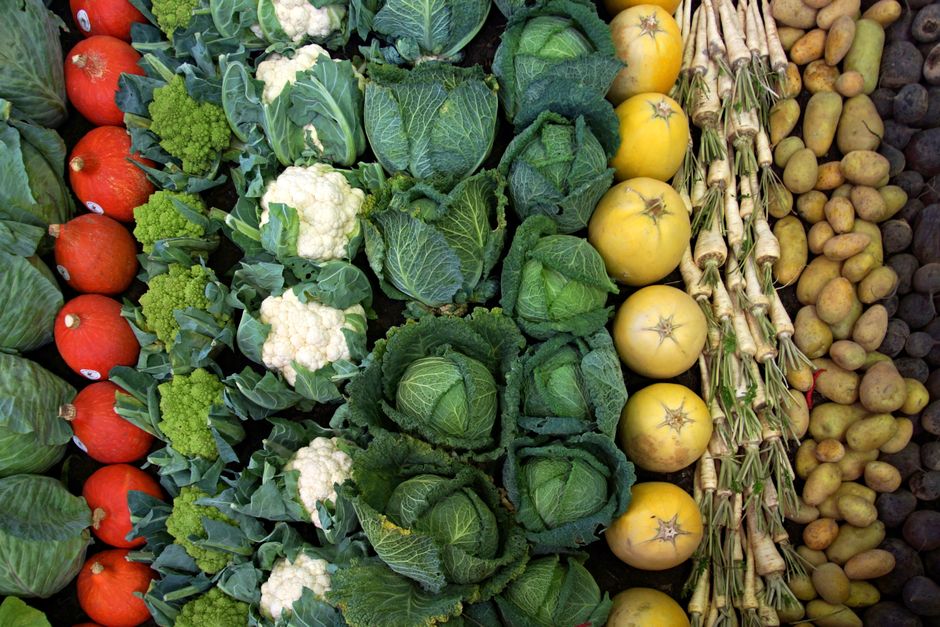
Seasonal eating does not require a rigid plan or eliminating anything. It simply means letting what grows locally and abundantly in winter guide more of your meals. In practice, that means leaning on root vegetables, hearty brassicas, citrus fruits, legumes, and warming spices rather than trying to replicate your summer salad routine or swinging toward ultra-processed comfort foods.
This approach supports digestion because winter produce happens to be rich in the nutrients your gut genuinely needs right now.
Root vegetables (parsnips, turnips, carrots, beets, sweet potatoes) provide soluble fiber that feeds beneficial gut bacteria and supports softer, more regular stools. They also roast beautifully, making them easy to batch-cook. Seasonal produce price shifts in winter explains why these vegetables are also among the most affordable items in your cart right now.
Brassicas (cabbage, kale, Brussels sprouts, cauliflower) are prebiotic-rich and high in insoluble fiber. A quick note: if you are new to eating these regularly, increase portions gradually to avoid gas and bloating. The fiber without the bloat progressive eating plan walks through exactly how to do this.
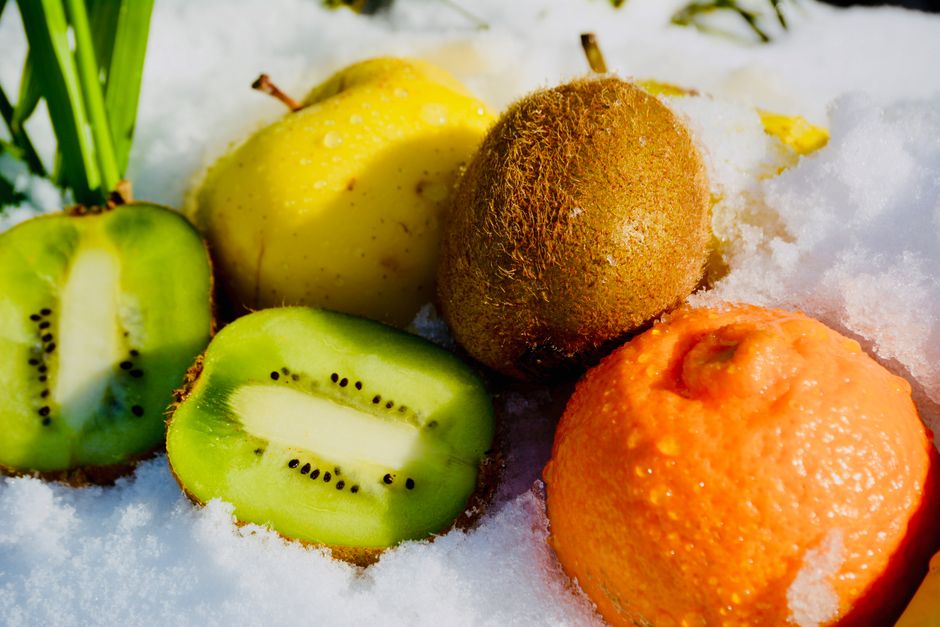
Citrus fruits (oranges, clementines, grapefruit, lemons) are at peak season in winter. Beyond vitamin C, they contain soluble fiber called pectin in the pith and pulp, which supports gut microbiome diversity.
Legumes (lentils, black beans, chickpeas) are a reliable source of both fiber and plant protein in cold-weather soups and stews. Their prebiotic content supports the gut lining and microbial balance.
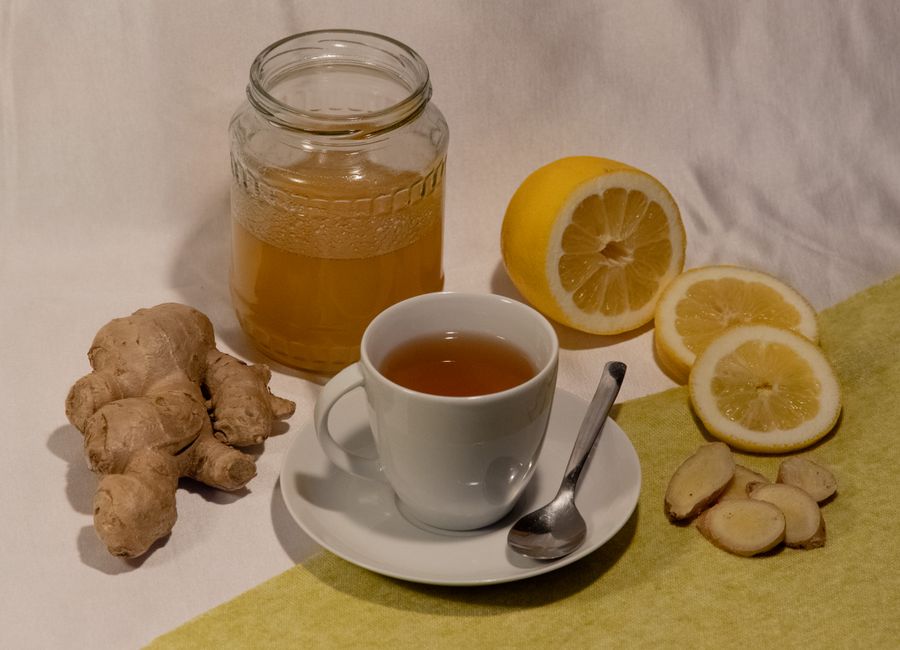
Warming spices like ginger and fennel have been used traditionally to ease bloating and support gastric motility. Ginger has some evidence behind it: a review in Food Science and Nutrition suggests ginger may accelerate gastric emptying. Adding it to soups, teas, or roasted vegetables is a low-effort, no-restriction way to support digestion.
Four Practical Habits That Make a Difference
Produce swaps alone are only part of the picture. How you eat in winter matters as much as what you eat.
1. Warm your meals before eating them. Cold food requires more digestive energy to process. Choosing warm soups, roasted dishes, and herbal teas over cold salads and iced drinks in January is not a rule, just a way to reduce the workload on your gut.
2. Slow down at the table. Winter evenings often mean larger, longer meals with family or a TV dinner while scrolling. Both habits can lead to faster eating, more air swallowed, and more bloating afterward. Even pausing between bites for ten seconds can meaningfully reduce how full and stuck you feel afterward.
3. Add a short walk after dinner. Even a ten-minute walk after a heavy meal has been shown in small clinical studies to improve gastric emptying and reduce post-meal blood sugar spikes compared with sitting. You do not need a gym or special shoes. A loop around the block on a cold night counts. Why digestive comfort improves on outdoor walking days covers the timing details if you want to go deeper.
4. Drink something warm between meals. Herbal teas with ginger, fennel, or peppermint may gently support digestion between meals without adding calories or disrupting your eating patterns. Plain warm water works too. The goal is consistent hydration since your thirst signals are unreliable in the cold.

You Do Not Need a Winter Cleanse
Cleanses and elimination protocols are common winter marketing, but your liver and kidneys handle waste processing continuously without needing a purchased program. What actually helps your gut is consistent, unglamorous support: fiber from real winter produce, daily movement, adequate hydration, and meals eaten without rushing.
If sluggishness is severe, persistent, or accompanied by pain, blood in stool, or unexpected weight changes, please consult a qualified healthcare professional. Digestive changes can sometimes reflect underlying conditions that deserve proper evaluation.
For most people, though, the path forward is gentler than a cleanse. Choose one habit from this article, something small and realistic, and practice it consistently over the next two weeks. Swap one dinner side dish for a roasted root vegetable. Add a ten-minute after-dinner walk three nights a week. Brew a ginger tea in the afternoon instead of reaching for a snack.
Small, repeated actions tend to compound quietly. By the time spring arrives, your gut will likely feel the difference.
This article is for general educational and informational purposes only and is not a substitute for medical advice, diagnosis, or treatment. Health needs vary by individual. Consult a qualified healthcare professional before making significant changes to your diet, exercise routine, supplements, medication, or treatment plan, especially if you have a medical condition, are pregnant or breastfeeding, take medication, or have concerns about your symptoms.
Sources
- Daley, C.A. et al. (2010). “The role of physical activity in gastrointestinal health.” World Journal of Gastroenterology. https://www.ncbi.nlm.nih.gov/pmc/articles/PMC2952556/
- Davenport, E.R. et al. (2019). “Seasonal cycling in the gut microbiome of the Hadza hunter-gatherers of Tanzania.” Cell Host and Microbe (referenced as broader human microbiome seasonality literature).
- Haniadka, R. et al. (2013). “A review of the gastroprotective effects of ginger.” Food and Nutrition Research. Named source; link not included due to verification uncertainty.
- Reynolds, A. et al. (2019). “Carbohydrate quality and human health: a series of systematic reviews and meta-analyses.” The Lancet. Referenced for dietary fiber and gut health context.


