


You are hungry at 3am, wired at 7am when you should be winding down, and exhausted by the time dinner rolls around for everyone else. Standard meal prep advice assumes a daytime schedule, a morning appetite, and a night spent sleeping. For night shift workers, that guidance lands sideways.
Shift work meal planning is not just about cooking ahead. It is about understanding how a flipped schedule changes your digestion, disrupts appetite hormones, and puts you at real odds with your own body clock. Once you understand those mechanics, building a practical system becomes much more manageable.

Why a Flipped Schedule Changes How Your Body Processes Food
Your body runs on a roughly 24-hour internal clock called the circadian rhythm. Digestion, insulin sensitivity, and hunger hormones like ghrelin and leptin all sync to this rhythm. Research published by the National Institutes of Health notes that eating during biological nighttime, when your digestive system naturally slows, is linked to poorer blood sugar regulation and increased gastrointestinal discomfort compared to daytime eating.
This is why shift workers often report bloating, sluggish digestion, or that unsatisfying feeling of eating a full meal and still not feeling right. The food is fine. The timing is the friction point.
Understanding this helps you make two practical decisions: what you eat matters, but so does when you eat it relative to your shift and your planned sleep window.
For a broader look at how meal timing affects sleep quality, the guide on Sleep Quality and Evening Digestion: Why Eating Order and Meal Timing at Dinner Shape How Well You Sleep offers useful background that applies even when your dinner happens at 6am.

Build Your Eating Window Around Your Shift, Not the Clock
Rather than eating by conventional mealtimes, structure your food around three anchor points: pre-shift, mid-shift, and post-shift. Think of these as your functional meals regardless of what time the clock reads.
Pre-shift meal (1-2 hours before work starts)
This is your most important meal. It should include moderate protein, complex carbohydrates, and some healthy fat. A portion of grilled chicken or canned salmon with a cup of brown rice and roasted vegetables works well. The goal is sustained energy without heaviness. Avoid high-fat, fried, or very spicy foods here because they slow gastric emptying and can cause discomfort when you are on your feet.
Mid-shift snack or light meal (roughly halfway through your shift)
Keep this simple. A small high-protein snack stabilizes blood sugar without overloading digestion during the hours when your body least expects a full meal. Hard-boiled eggs, a handful of nuts and a piece of fruit, Greek yogurt, or a small portion of prepped legumes and veggies are all solid choices. Research suggests that protein consumed at regular intervals supports muscle maintenance and steadier energy, which matters especially on long shifts.
For more on snack timing and energy stability, the guide on Meal Timing for Stable Afternoon Energy: Why Food Order and Gaps Matter More Than Snack Calories offers a transferable framework even for non-standard schedules.
Post-shift wind-down meal (1-2 hours before sleep)
This is where most night shift workers unintentionally undermine their sleep. A large, heavy meal right before bed delays sleep onset and disrupts sleep quality. Choose something light but satisfying: a small bowl of oatmeal with a scoop of nut butter, a slice of whole grain toast with eggs, or a simple smoothie with banana, protein powder, and milk. These options provide tryptophan and slow-digesting carbohydrates that may support the transition into sleep without sitting heavy in your stomach.

What to Prep: A Realistic Weekly Grocery Foundation
Shift work meal planning works best when your prep sessions are short and flexible. Aim for two prep windows per week rather than one long Sunday session, since your days off may not align with the weekend.
Proteins to batch-cook:
- Grilled or baked chicken thighs (more forgiving than breast when reheated)
- Hard-boiled eggs (6-8 at a time, peeled and refrigerated)
- Canned fish: tuna, salmon, or sardines (zero prep, high protein)
- Cooked lentils or black beans (inexpensive, shelf-stable dry, filling)
Carbohydrates to keep on hand:
- Brown rice or farro (cook in large batches, refrigerate up to 5 days)
- Oats (overnight oats are especially convenient for post-shift meals)
- Sweet potatoes (roast a sheet pan at a time)
- Whole grain bread or wraps for quick assembly
Vegetables that hold up well prepped:
- Roasted broccoli, zucchini, or bell peppers
- Baby spinach or pre-washed arugula (ready to add to anything)
- Shredded cabbage for quick slaws
Pantry anchors:
- Nut butters, olive oil, canned tomatoes, low-sodium broth, and a variety of spices reduce the reliance on sauces that are high in sodium or sugar.
Keeping these categories stocked means you can assemble a balanced meal in five to ten minutes, which is realistic when you get home exhausted at 8am.
Managing Caffeine So It Supports Your Shift Without Wrecking Your Sleep
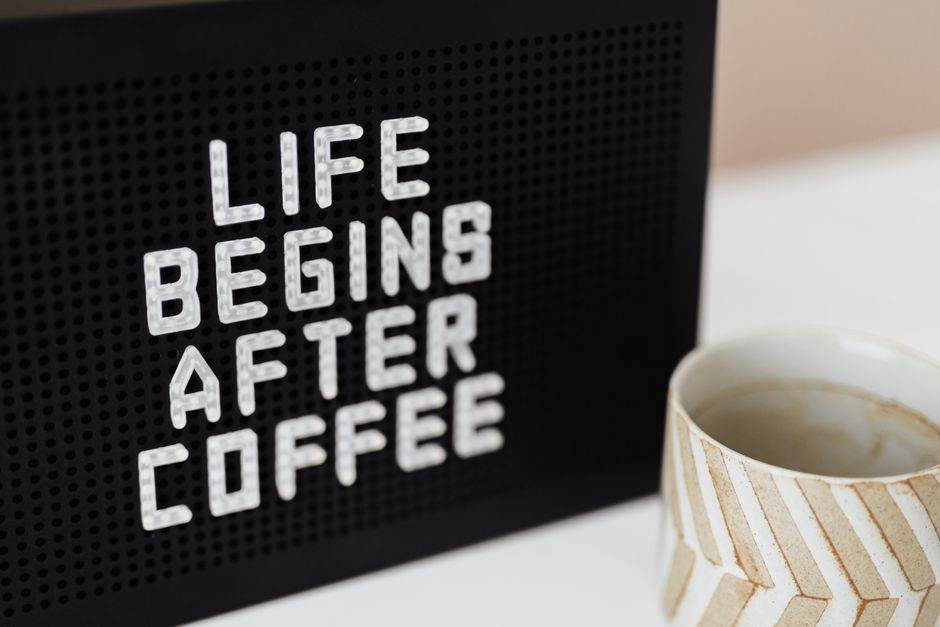
Caffeine is a tool, not a solution. The problem for night shift workers is that caffeine consumed late in a shift can still be partially active six hours later when you are trying to sleep. The average half-life of caffeine is roughly five to six hours, according to the NIH’s MedlinePlus resource on caffeine.
A practical guideline: if your shift ends at 7am and you plan to sleep by 9am, your last caffeinated drink should ideally fall no later than 3am. In the final hours of your shift, switch to herbal options or water. For context on caffeine timing and sleep quality, the article on Caffeine Sensitivity and Sleep Quality: Coffee Timing, Tea Alternatives, and Caffeine-Free Energy Compared covers the tradeoffs clearly.

Hydration on a Night Shift
Dehydration is easy to overlook when you are not sweating visibly, but hospital environments, climate-controlled warehouses, and overnight offices are often dry. Mild dehydration blunts focus and increases the perception of fatigue, which can push you toward more caffeine or sugary snacks unnecessarily.
Aim to drink water steadily throughout your shift rather than in large bursts. A 20-30 oz bottle to refill once or twice during your shift is a workable target. Avoid large amounts of fluid in the final 60 to 90 minutes before sleep to reduce nighttime wake-ups.
The guide on Morning Hydration vs. Evening Hydration: Which Timing Actually Shapes Your Energy, Digestion, and Sleep applies directly to post-shift routines when your morning is everyone else’s middle of the night.

Starting Small: Your First Week of Shift Work Meal Planning
You do not need to overhaul everything at once. The most sustainable approach is to pick one anchor meal to prep this week. Start with your pre-shift meal since it has the biggest effect on how your shift actually feels. Cook a batch of protein, a grain, and roast some vegetables. Portion into containers. That is your first win.
Once pre-shift meals feel automatic, add the mid-shift snack system. Then refine your post-shift wind-down routine. Gradual progress beats a perfect system you abandon after three days.
For a complementary look at how workplace and schedule demands intersect with food choices and movement, the guide on Workplace Wellness on Shifts: How to Eat, Sleep, and Move When Your Schedule Flips covers the bigger picture alongside the nutrition side.
Choose one change from this article, practice it this week, and build from there. If you want practical weekly wellness guidance delivered to your inbox, the Clean Body Mentor newsletter is a useful next step.
This article is for general educational and informational purposes only and is not a substitute for medical advice, diagnosis, or treatment. Health needs vary by individual. Consult a qualified healthcare professional before making significant changes to your diet, exercise routine, supplements, medication, or treatment plan, especially if you have a medical condition, are pregnant or breastfeeding, take medication, or have concerns about your symptoms.

Sources
- National Institutes of Health, National Institute of General Medical Sciences: Circadian Rhythms (nigms.nih.gov)
- MedlinePlus (NIH): Caffeine (medlineplus.gov)
- Antunes LC, et al. “Obesity and shift work: chronobiological aspects.” Nutrition Research Reviews, Cambridge University Press, 2010.
- Knutsson A. “Health disorders of shift workers.” Occupational Medicine, Oxford Academic, 2003.


