

Getting enough protein from plants at dinner is one thing. Getting enough to stay genuinely full through the evening, support muscle repair overnight, and actually wind down for sleep is a different challenge entirely.
Many plant-based protein dinner recipes lean heavily on one legume or one grain and skip the pairing strategy that makes a meal nutritionally complete. The result is a dinner that tastes fine but leaves you rummaging through the kitchen at 9pm, which disrupts your blood sugar, your digestion, and eventually your sleep.
These five recipes are ranked from most to least effective at combining satiety, complete amino acid profiles, and sleep-supportive nutrient timing. Each one pairs complementary plant proteins so you get all nine essential amino acids without powders or meat. If you want the science behind why pairing matters, Plant-Based Protein Combinations That Deliver Complete Amino Acids Without Meat or Powders: A Real-Food Ranking covers the evidence in detail.
Why Nutrient Timing at Dinner Actually Matters
Research published through the National Institutes of Health suggests that a moderate-protein dinner eaten two to three hours before bed may support overnight muscle protein synthesis and reduce nocturnal hunger without disrupting sleep onset. Tryptophan, found in legumes and seeds, is a precursor to serotonin and melatonin, so plant-based protein dinners that include legumes can contribute to the amino acid pool your body draws from in the evening.
Carbohydrate pairing also plays a role: complex carbs from whole grains help tryptophan cross the blood-brain barrier more efficiently, which may support that calm, sleepy feeling you want in the hours before bed. For a deeper look at how meal timing shapes sleep quality, see Sleep Quality and Evening Digestion: Why Eating Order and Meal Timing at Dinner Shape How Well You Sleep.
The Five Recipes, Ranked
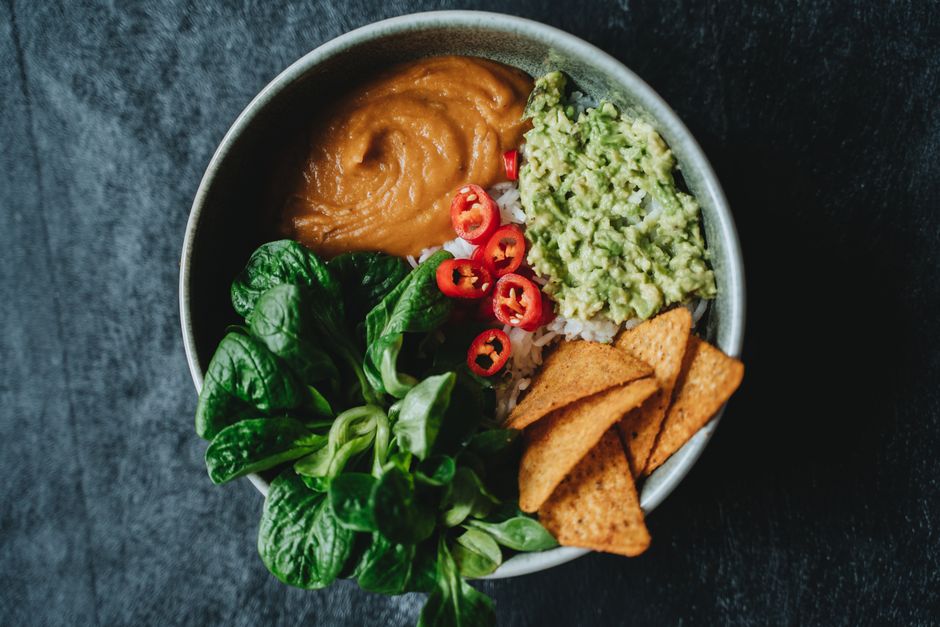
1. Black Bean and Quinoa Power Bowl with Tahini Drizzle (Satiety Score: Highest)
This combination tops the list because quinoa is one of the few plant foods with a complete amino acid profile on its own, and black beans amplify lysine and total protein content. Add a tahini drizzle and you layer in healthy fats, calcium, and additional methionine.
Build it: 3/4 cup cooked quinoa, 1/2 cup black beans, roasted sweet potato cubes, sauteed spinach, 1 tbsp tahini mixed with lemon juice and garlic, pumpkin seeds on top.
Why it works for sleep: The magnesium in pumpkin seeds and spinach may support muscle relaxation. The complex carbs from sweet potato and quinoa help tryptophan reach the brain. Estimated protein: 22-25g per serving.
2. Lentil Dal with Brown Rice and Turmeric (Satiety Score: High)
Red lentils cook fast and provide a strong hit of lysine. Paired with brown rice, which supplies the methionine that lentils lack, you get a complete protein dinner with one of the most fiber-dense combinations on this list.
Build it: 1 cup red lentils simmered with diced tomatoes, cumin, turmeric, ginger, and coconut milk. Serve over 3/4 cup cooked brown rice with wilted kale stirred in at the end.
Why it works for sleep: High fiber slows digestion and keeps blood sugar stable through the night, reducing the chance of a 2am hunger signal. Estimated protein: 20-23g per serving.
3. Edamame Stir-Fry with Soba Noodles and Sesame Ginger Sauce (Satiety Score: High)
Edamame is one of the most complete plant-based proteins available, and soba noodles made from buckwheat add additional complete protein with a satisfying texture. This meal comes together in under twenty minutes.
Build it: 1 cup shelled edamame, 100g soba noodles, bok choy, snap peas, shredded purple cabbage, 2 tbsp tamari, 1 tsp sesame oil, fresh ginger, and a squeeze of lime.
Why it works for sleep: Lighter than beans and rice, this recipe supports satiety without heaviness, which matters if you tend to feel bloated before bed. If fiber is a sensitivity for you, Fiber Without the Bloat: How to Add Plant Foods Gradually So Your Digestion Adapts is worth reading alongside this recipe. Estimated protein: 21-24g per serving.
4. Chickpea Stuffed Sweet Potatoes with Herb Yogurt (Satiety Score: Moderate-High)
Chickpeas fall slightly short as a standalone complete protein, but pairing them with the amino acids in a plant-based yogurt topping closes that gap. The sweet potato base adds potassium, vitamin A, and slow-digesting carbohydrates.
Build it: 2 medium sweet potatoes roasted and split, filled with 3/4 cup spiced chickpeas (cumin, smoked paprika, garlic), topped with unsweetened coconut or soy yogurt mixed with fresh parsley and lemon zest.
Why it works for sleep: Sweet potatoes are a good source of B6, which plays a role in serotonin production. The dish is warm and grounding without being heavy. Estimated protein: 17-19g per serving.
5. White Bean and Farro Soup with Kale and Rosemary (Satiety Score: Moderate)
This soup ranks fifth mostly because the protein per serving is lower when volume is accounted for, but it earns a spot because farro is an underused whole grain with impressive protein content and farro plus white beans creates a complete amino acid match.
Build it: 1 cup white beans, 1/2 cup dry farro, 4 cups vegetable broth, diced carrot, celery, onion, two large kale leaves torn, fresh rosemary, and black pepper.
Why it works for sleep: Soups are inherently hydrating and easy to digest. The lower calorie density makes this ideal for readers who prefer a lighter evening meal. For a look at how lighter plant dinners can still keep you full, see Five Plant-Based Dinners That Deliver Complete Protein and Keep You Full Until Morning. Estimated protein: 15-17g per serving.
How to Choose the Right Recipe for Your Evening
Your satiety needs at dinner depend on your activity level that day, how big your lunch was, and how long until you go to sleep. If you worked out in the afternoon, recipes one or two give you more protein to support overnight recovery. If you had a substantial lunch, recipes four or five may be all you need.
For protein guidance earlier in the day that sets you up for a lighter dinner, High-Protein Breakfast Combos for Stable Energy Until Lunch: Plant-Based, Dairy, and Whole-Egg Recipes Tested offers comparable practical recipes.
One Realistic Starting Point
Pick the recipe that sounds most appealing from this list and cook it once this week. Notice how full you feel two hours after eating, and whether you sleep more soundly that night. Small, consistent experiments like this build the intuition that makes sustainable healthy eating feel natural rather than effortful.
For more practical weekly guidance on meals, habits, and whole-person wellness, consider subscribing to the Clean Body Mentor newsletter.
This article is for general educational and informational purposes only and is not a substitute for medical advice, diagnosis, or treatment. Health needs vary by individual. Consult a qualified healthcare professional before making significant changes to your diet, exercise routine, supplements, medication, or treatment plan, especially if you have a medical condition, are pregnant or breastfeeding, take medication, or have concerns about your symptoms.
Sources
- Res, P.T. et al. “Protein ingestion before sleep improves postexercise overnight recovery.” Medicine and Science in Sports and Exercise, 2012. (National Institutes of Health / PubMed)
- U.S. Department of Agriculture FoodData Central: nutrient profiles for quinoa, lentils, edamame, chickpeas, and farro.
- Richard, D.M. et al. “L-Tryptophan: Basic Metabolic Functions, Behavioral Research and Therapeutic Indications.” International Journal of Tryptophan Research, 2009. (NIH/PubMed)
- Halson, S.L. “Sleep in Elite Athletes and Nutritional Interventions to Enhance Sleep.” Sports Medicine, 2014. (PubMed)