
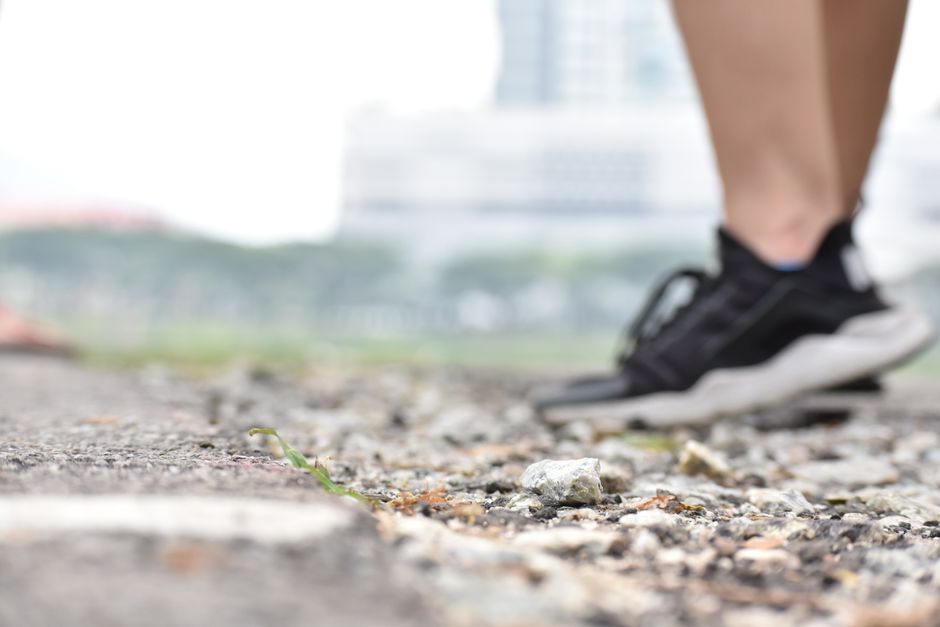
Flat sidewalks feel predictable, and that predictability is exactly the problem. When every step lands on the same level surface, your feet coast. The intrinsic muscles of the arch, the small ankle stabilizers, and the proprioceptive nerves that tell your brain where your foot is in space barely get a workout. Over time, that comfort can quietly erode your balance and leave you more vulnerable to ankle sprains, knee strain, and the kind of stumble that happens when you step off a curb the wrong way.
Trail walking foot strength is built differently, and the mechanics behind it are worth understanding before you lace up.
What Flat Pavement Actually Does to Your Feet
Modern footwear and smooth surfaces are engineering marvels for convenience, but they effectively outsource the stability work your feet were designed to do. Research published by the National Institutes of Health suggests that walking on predictable flat terrain reduces the demand on the tibialis anterior, peroneals, and intrinsic foot muscles compared with variable surfaces. When those muscles are underused for years, they weaken, and the ankle joint becomes less responsive.
The result shows up in small ways before it shows up in injuries: you feel less steady on gravel, you hesitate on wet grass, or you notice that one ankle rolls slightly inward during a long walk. These are signs that your stabilizing system needs a challenge.
For a deeper look at how surface type changes the demands on your lower body, Walking on Uneven Ground vs. Flat Pavement: Which Surface Builds Better Balance and Ankle Stability breaks down the biomechanical differences in more detail.
Why Trails Activate Muscles That Flat Surfaces Miss
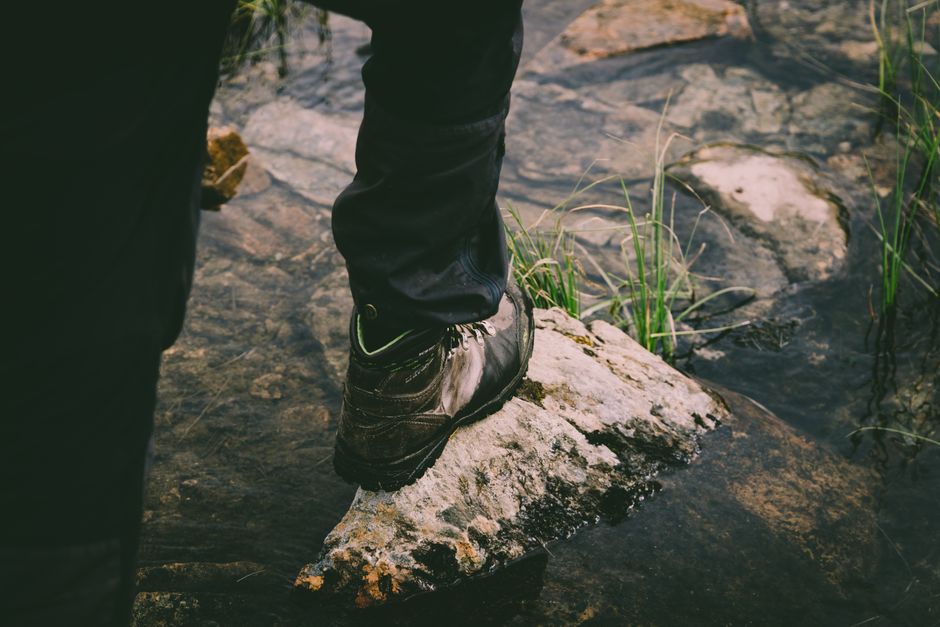
Every rock, root, and slight incline on a natural trail sends a micro-adjustment signal through your nervous system. Your foot has to supinate, pronate, dorsiflex, and plantarflex in rapid, unpredictable combinations. That constant micro-correction is exactly what builds:
- Intrinsic foot muscle strength: The small muscles of the arch work actively to maintain contact with irregular surfaces instead of relying on shoe structure.
- Ankle proprioception: Your body’s ability to sense joint position improves with repetitive variable input, which research from the Journal of Orthopaedic and Sports Physical Therapy links to reduced ankle sprain recurrence.
- Neuromuscular coordination: Trails demand that your brain and muscles communicate faster, which carries over to daily activities like navigating stairs, stepping over objects, and recovering from unexpected weight shifts.
This is also why trails outperform treadmills for stability training. A treadmill belt moves at a fixed, predictable rate and angle. It builds cardiovascular fitness and leg endurance, but it does not replicate the cognitive and neuromuscular demands of true variable terrain. If your primary goal is trail walking foot strength and long-term injury resilience, uneven natural surfaces are genuinely more effective.
How to Start Trail Walking Safely (A Step-by-Step Guide)
Beginning on trails without preparation can increase short-term injury risk, especially if your ankles are already weak. Use this progression to build up wisely.
Step 1: Assess your baseline ankle stability.
Stand on one foot for 30 seconds with your eyes open, then try it with eyes closed. If you wobble significantly with eyes closed, spend two weeks doing simple ankle circles, single-leg balance work, and calf raises before heading to a trail. The guide on How to Restore Foot Strength and Mobility When Desk Work Has Locked Your Ankles offers specific exercises to start with.
Step 2: Choose beginner-friendly terrain.
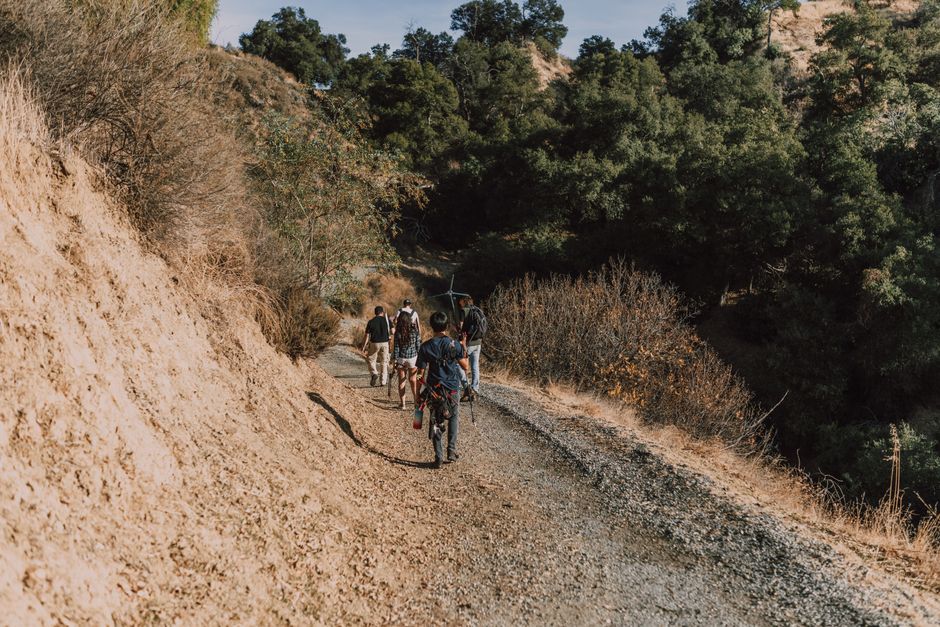
Start with packed-gravel paths, mowed grass, or maintained nature trails rather than rocky mountain terrain. The surface should be uneven enough to challenge your stabilizers but forgiving enough that a misstep does not mean a fall.
Step 3: Shorten your stride and slow your pace.
On uneven ground, a shorter stride gives you more control and keeps your center of mass over your base of support. Resist the urge to walk at your usual sidewalk pace.
Step 4: Look ahead, not down.
A common beginner habit is staring at your feet. Instead, scan the ground two to three feet ahead. This trains your proprioceptive system more effectively because your feet must respond without the override of direct visual confirmation at every step.
Step 5: Progress gradually.
Add five to ten minutes of trail walking per session each week. Once packed gravel feels easy, introduce gentle root-covered forest paths. Once those feel stable, consider light rocky terrain.
If you are also working on ankle weakness from prolonged sitting, How Tight Calves and Weak Ankles Sabotage Your Walking Habit: Progressive Bodyweight Drills to Rebuild Strength pairs well with this progression.
What to Wear (and What to Skip)
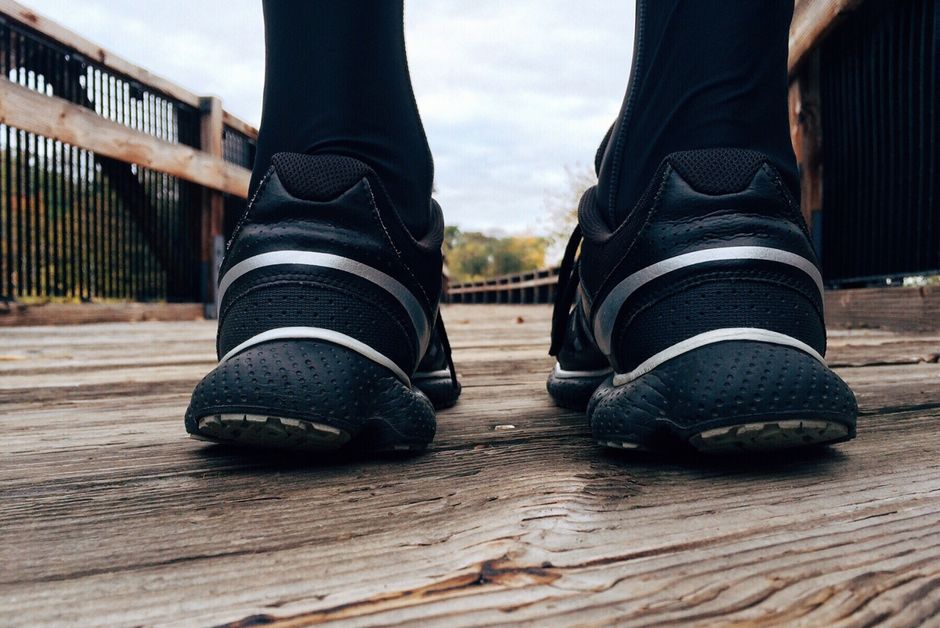
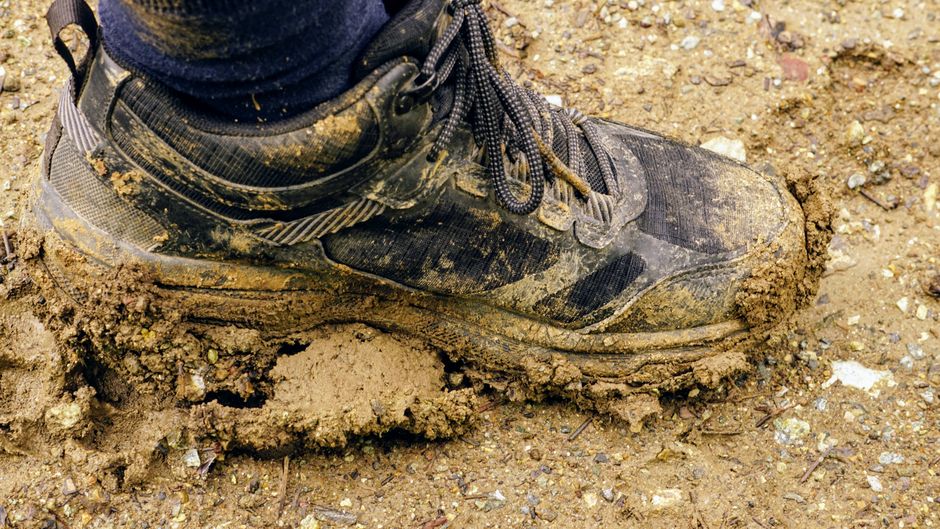
Shoe choice matters more on trails than anywhere else. A trail-specific walking shoe with a sticky rubber outsole and a low-to-moderate heel drop gives you grip without artificially elevating your heel in a way that shifts load away from your foot muscles. Heavily cushioned maximalist shoes can reduce ground feedback and actually dampen the proprioceptive benefit you are trying to build.
That said, this is not the moment for minimalist barefoot shoes if you are a beginner. A moderate, supportive trail shoe is the practical middle ground. For a thorough comparison of footwear strategies and when each makes sense, Barefoot Walking vs. Supportive Shoes for Daily Movement: Which Approach Builds Foot Strength Without Injury Risk lays out the tradeoffs clearly.
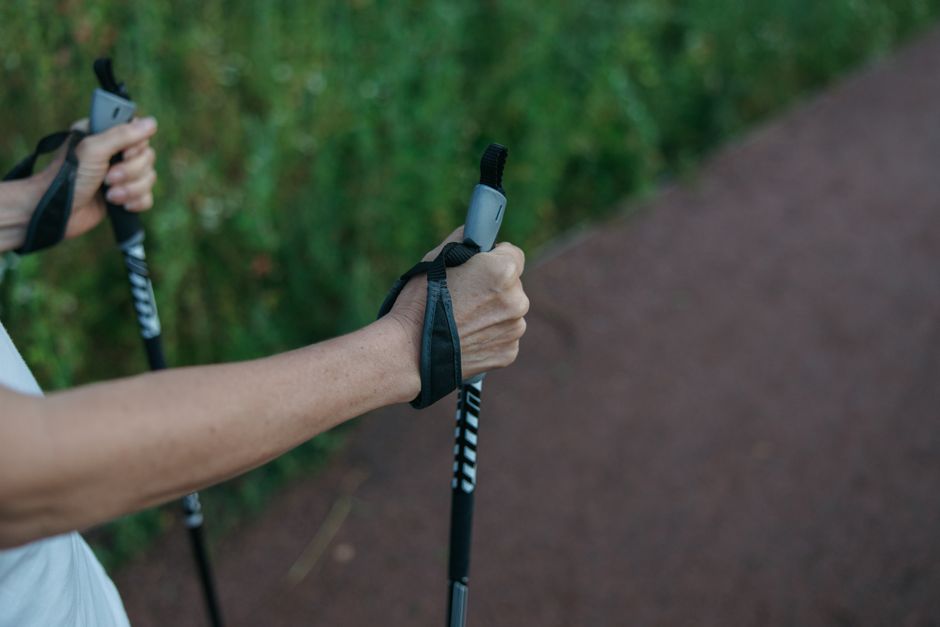
Trekking poles are a smart addition for anyone with existing knee or hip concerns. They redistribute load and reduce fall risk while still allowing the foot and ankle stabilizers to do their job.
How Trail Walking Transfers to Everyday Life
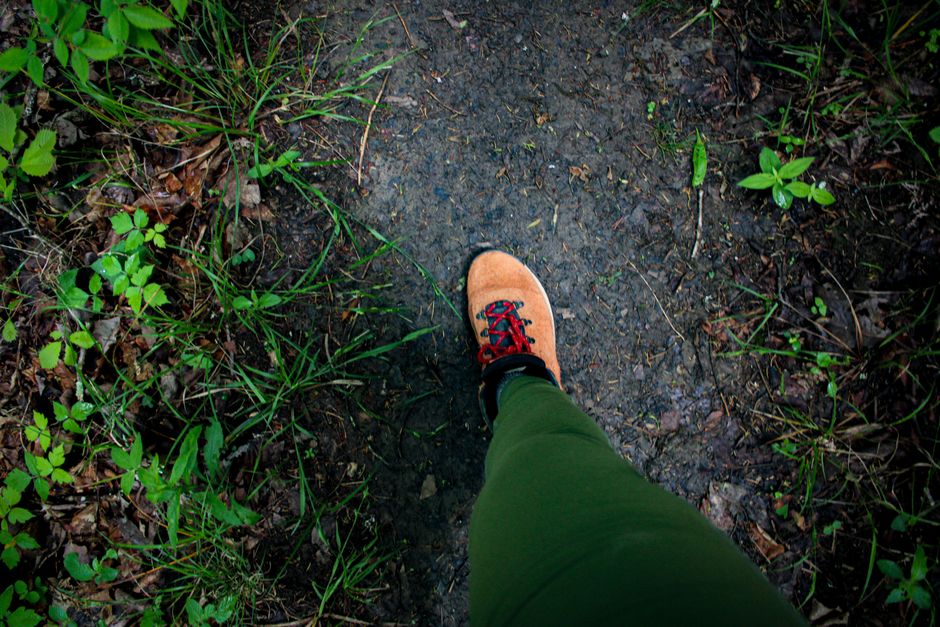
The stability you build on the trail does not stay on the trail. Stronger intrinsic foot muscles improve your arch support during long standing shifts. Better ankle proprioception reduces the chance of rolling an ankle when you step off a curb or onto an uneven parking lot. Improved neuromuscular coordination makes you faster to catch yourself when you slip.
For older adults especially, fall prevention is a major public health concern. The CDC reports that falls are the leading cause of injury-related death among adults 65 and older. Building the reactive stability that trail walking develops is one of the most practical, low-cost strategies available for reducing that risk.
And because trail walking is also outdoor walking, you get the mood and cardiovascular benefits too. For a side-by-side look at how outdoor walking compares to gym training on fat loss and mental health, Outdoor Walking vs. Gym Strength Training for Sustainable Fat Loss and Mood: An Honest Comparison for Beginners is worth a read.

A Realistic Starting Point
You do not need to find a mountain. A grassy park edge, a gravel riverbank path, or even a mowed field will activate your stabilizers meaningfully compared to a flat sidewalk. Start with 10 to 15 minutes twice a week alongside your regular walks and build from there.
Pick one element from this guide and try it in the next week: a single-leg balance test, a 10-minute gravel path loop, or a pair of trail shoes that actually grip. Consistent small steps are how durable foot strength gets built.
For more practical weekly guidance on movement, food, and everyday wellness habits, consider subscribing to the Clean Body Mentor newsletter.
This article is for general educational and informational purposes only and is not a substitute for medical advice, diagnosis, or treatment. Health needs vary by individual. Consult a qualified healthcare professional before making significant changes to your diet, exercise routine, supplements, medication, or treatment plan, especially if you have a medical condition, are pregnant or breastfeeding, take medication, or have concerns about your symptoms.
Sources
- National Institutes of Health (NIH): research on muscle activation and surface variability in gait studies
- Journal of Orthopaedic and Sports Physical Therapy: proprioceptive training and ankle sprain recurrence literature
- Centers for Disease Control and Prevention (CDC): Falls Prevention for Older Adults