
You finish a 40-minute home workout, chug a glass of water, and still feel oddly flat an hour later. Your muscles are a little crampy, your focus is foggy, and you are not sure why. Water was the obvious answer, but something still feels off.
The missing piece might be electrolytes. Not because you need a neon sports drink, but because sweat is not just water. It carries sodium, potassium, magnesium, and chloride with it, and replacing fluid without replacing those minerals can leave your body working harder than it needs to.
This guide compares your real options for electrolyte drinks for workouts at home, explains when plain water is genuinely fine, and shows you how to make smarter choices without a supplement cabinet or a big budget.
When Plain Water Is Actually Enough
For most home exercisers doing sessions under 45 to 60 minutes at moderate intensity, plain water covers your needs well. The American College of Sports Medicine notes that short, low-to-moderate intensity exercise typically does not produce sweat losses significant enough to impair performance when plain water is consumed before and during activity.
Water works when:
- Your workout is under 45 minutes
- You are not sweating heavily (no dripping, soaked shirt, or visible salt on skin)
- You are exercising in a cool or climate-controlled space
- You came in well-hydrated from earlier in the day
If you are building a smarter baseline hydration routine, the guide on Building a Hydration Routine That Fits Your Life: Individual Water Needs and Practical Timing Without Rules is a solid starting point before you layer in electrolytes at all.
When Electrolytes Start to Matter
Sweat rate and sodium concentration vary widely between individuals, which is why two people doing the same workout can have very different hydration needs. Research published through the National Athletic Trainers Association identifies heavy sweating, high heat or humidity, and sessions lasting over 60 minutes as the clearest triggers for electrolyte replacement.
Your session probably calls for more than water if:
- You exercise for more than 60 minutes continuously
- Your shirt is soaked or you see a white salt residue on your skin afterward
- You feel muscle cramps, unusual fatigue, or headaches post-workout that water alone does not fix
- You are doing back-to-back workout days without much recovery time
- The room is hot or humid and you are sweating heavily within the first 15 minutes
For beginners building a home routine, cramping and post-workout fatigue are common complaints that sometimes get blamed on fitness level when hydration is actually the smarter place to look first. If you are still finding your footing with home training, Beginner Strength Training Mistakes That Frustrate Home Workouts covers several other overlooked factors worth reviewing alongside hydration.
Comparing Your Electrolyte Options
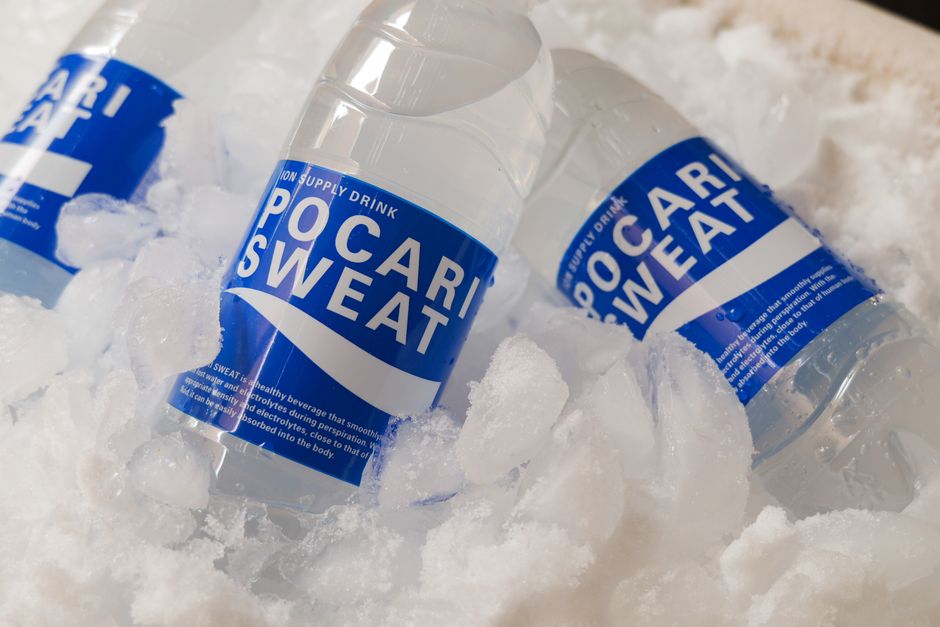
Here is where the comparison gets practical. You have four main categories to choose from, and each has real tradeoffs.
1. Commercial Sports Drinks (Gatorade, Powerade, and Similar)
What they offer: Sodium, potassium, and fast-absorbing carbohydrates. Convenient and widely available.
Tradeoffs: Many contain 20 to 34 grams of added sugar per 20-ounce bottle, which is useful during endurance events but unnecessary for a 45-minute home strength session. If your goal includes body composition or managing calorie intake, the sugar adds up without much benefit for shorter workouts.
Best for: Sessions over 75 minutes, high-intensity cardio or circuit training, or anyone sweating heavily in warm conditions.
2. Low-Sugar or Zero-Sugar Electrolyte Drinks and Packets
What they offer: Sodium, potassium, and sometimes magnesium with minimal or no added sugar. Brands like LMNT or Liquid I.V. Hydration Multiplier are popular examples.
Tradeoffs: Sodium content varies widely. Some packets contain 1,000 mg of sodium per serving, which is appropriate for heavy sweaters but possibly excessive for a casual 30-minute session. Read labels and match sodium to your actual sweat output.
Best for: Moderate-to-long sessions where you want electrolyte support without extra sugar. Also useful for recovery between same-day or next-day sessions.
3. Coconut Water
What they offer: Naturally occurring potassium and some sodium, plus small amounts of magnesium. Lower in sodium than most sports drinks.
Tradeoffs: Potassium is the stronger suit here, but coconut water is relatively low in sodium compared to actual sweat losses. If you are a heavy, salty sweater, coconut water alone may not fully replace what you lost.
Best for: Light-to-moderate sessions, post-workout rehydration when you also eat a sodium-containing meal afterward, or as a base for a recovery smoothie.
4. Whole-Food and DIY Options
What they offer: Real food sources of electrolytes with the added benefit of fiber, micronutrients, and satiety.
A practical DIY electrolyte drink: combine 16 ounces of water, a quarter teaspoon of table salt (about 580 mg sodium), the juice of half a lemon or lime, and a small drizzle of honey if you need fast carbohydrates. This approach costs almost nothing and covers the main bases for most moderate home workouts.
Whole-food electrolyte sources that pair well with your post-workout meal:
- Bananas and oranges (potassium)
- Plain Greek yogurt (potassium, calcium, sodium)
- Salted nuts or a small handful of pretzels (sodium, magnesium)
- Leafy greens like spinach (magnesium, potassium)
For those interested in how nutrition timing connects to muscle recovery, the article on Workout Nutrition Timing: When to Eat Protein and Carbs for Real Muscle Progress explains how what you eat after a session shapes repair just as much as what you drink during it.
A Simple Timing Framework
Rather than worrying about electrolytes every single session, use this practical structure:
Before (30-60 minutes out): Drink 12 to 16 ounces of plain water. If you are going into a long or intense session, add a small salty snack or a light electrolyte drink.
During (sessions over 45 minutes): Sip 6 to 8 ounces every 15 to 20 minutes. Plain water is fine for moderate sessions; add electrolytes if you are sweating visibly or the session exceeds 60 minutes.
After: Rehydrate with water plus a sodium-containing food or a light electrolyte drink. Whole-food options work well here, especially if you are also eating a recovery meal.
For context on how morning versus evening hydration timing affects your overall energy, the guide on Morning Hydration vs. Evening Hydration: Which Timing Actually Shapes Your Energy, Digestion, and Sleep adds helpful perspective on daily hydration rhythms.
The Practical Bottom Line
For most home workouts under 45 minutes in a cool space, plain water is genuinely enough. As sessions get longer, more intense, or hotter, electrolyte drinks for workouts become worth adding, but you do not need expensive supplements to get there. Coconut water, a DIY salt-and-lemon mix, or a light low-sugar packet often does the job just as well as branded options at a fraction of the cost.
Pick one change this week: if your sessions run over an hour and you have been relying on plain water, try adding a small pinch of salt to your water bottle or sipping coconut water post-workout and notice whether your energy and recovery feel different. Small, consistent adjustments usually teach you more than any label ever could.
Disclaimer: This article is for general educational and informational purposes only and is not a substitute for medical advice, diagnosis, or treatment. Health needs vary by individual. Consult a qualified healthcare professional before making significant changes to your diet, exercise routine, supplements, medication, or treatment plan, especially if you have a medical condition, are pregnant or breastfeeding, take medication, or have concerns about your symptoms.
Sources
- American College of Sports Medicine. Exercise and Fluid Replacement Position Stand. Medicine and Science in Sports and Exercise (available via ACSM.org).
- National Athletic Trainers Association. Fluid Replacement for the Physically Active Position Statement. Journal of Athletic Training.
- U.S. Department of Agriculture FoodData Central (for electrolyte content in whole foods): fdc.nal.usda.gov