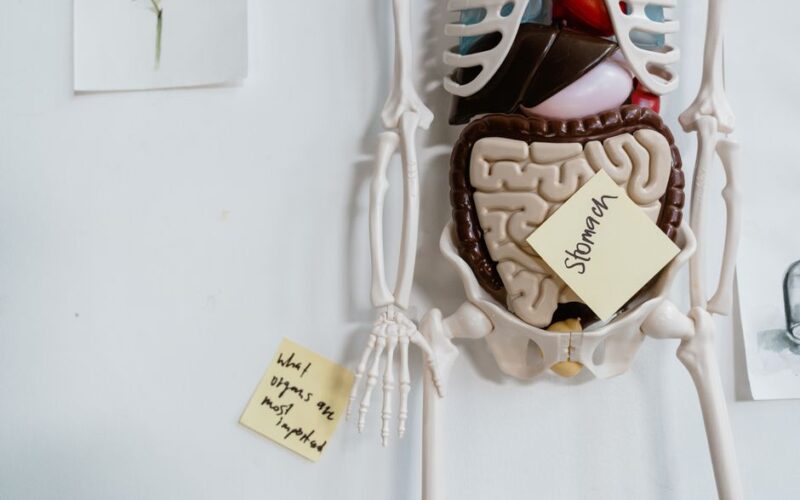


Nutrient-dense foods deserve their excellent reputation. Avocados, almonds, olive oil, lentils, and smoothie bowls are packed with vitamins, healthy fats, fiber, and protein. But here is something worth sitting with: your body can receive more of these foods than it currently needs, even when every ingredient is genuinely wholesome.
Overeating healthy foods is not a moral failing. It is simply a mismatch between intake and your body’s present energy requirements, and it can leave you feeling sluggish, bloated, or oddly unsatisfied despite eating well. The goal here is not restriction. It is awareness, so you can respond to how you actually feel rather than following calorie rules or external portion templates.
Below are five signs that overeating healthy foods might be affecting how you feel, along with practical ways to reconnect with your own satiety signals.

1. You Feel Heavy and Sluggish After Meals That Should Energize You
A well-matched meal tends to leave you comfortably satisfied and mentally clear within 20 to 30 minutes. If you consistently feel foggy, physically heavy, or deeply tired after eating meals built from whole foods, portion size is worth examining before assuming the foods themselves are the problem.
Fats, even healthy ones from nuts and olive oil, are calorie-dense and take longer to digest. A large smoothie bowl loaded with nut butter, seeds, granola, and fruit can easily deliver more energy than your body needs at that moment. The digestive system then diverts significant blood flow to process the load, which research published by the National Institute of Diabetes and Digestive and Kidney Diseases suggests can contribute to the post-meal fatigue many people mistake for the food being “too rich.”
A practical starting point: eat your next nutrient-dense meal more slowly and stop when you feel about 80 percent satisfied. Notice whether the heaviness shifts. For related context on portion pacing, the guide on Digestive Discomfort From Rushed Eating: Why Pace and Chewing Beat Food Restriction Every Time is worth reading alongside this one.
2. Bloating That Does Not Improve With More Fiber or Water
Fiber is beneficial, but more is not always better in a single sitting. High-fiber foods such as legumes, cruciferous vegetables, and whole grains ferment in the large intestine, which is normal and healthy. However, eating very large portions of these foods, especially if your gut is still adapting, can produce more gas than your digestive system handles comfortably.
If you are already drinking plenty of water and eating plenty of fiber yet still feel persistently bloated after healthy meals, portion distribution across your day may help more than adding another serving of vegetables. Spreading your intake into smaller, evenly spaced meals can ease the fermentation load on your gut.
The article Five Reasons You Feel Bloated After Healthy Meals (And Which Eating Habits Actually Fix It) explores this dynamic in more practical detail, including specific habit adjustments that go beyond food swaps.
3. You Are Eating Past Comfortable Fullness Out of Habit or Food Rules
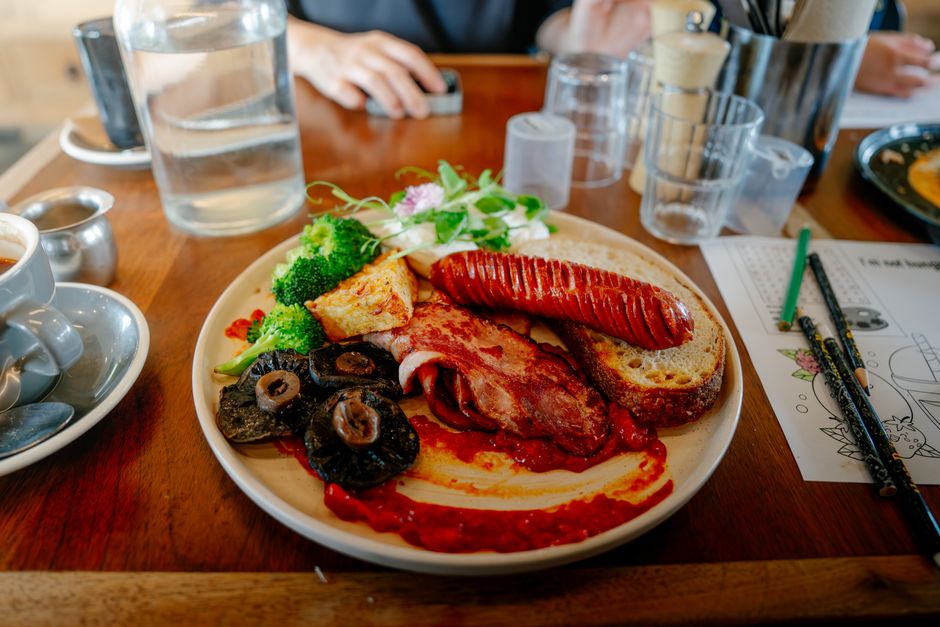
One of the subtler signs of overeating healthy foods is continuing to eat because the food is nutritious rather than because your body is still asking for it. This happens when you follow external rules like “always finish your greens” or “you need more protein” even after physical hunger has resolved.
Satiety signals are personal and variable. The research area of interoception, your ability to perceive internal body cues, suggests that people differ significantly in how clearly they read fullness. Some people receive strong, obvious signals. Others experience quieter cues that take more attention to notice.
A useful exercise: midway through any meal, pause for 60 seconds. Put your fork down and take two or three slow breaths. Ask yourself honestly: am I still physically hungry, or am I eating on autopilot? This kind of check-in is not restriction. It is curiosity. If you find that stress or emotion influences when you keep eating, the article on Stress Eating vs. True Afternoon Hunger: Building Awareness Without Shame or Restriction offers a compassionate, non-judgmental framework.

4. Your Energy Feels Inconsistent Despite Eating Well
Overeating at one meal frequently leads to undereating at the next because your appetite signals are shifted by the earlier excess. This cycle can show up as strong morning hunger followed by little appetite at lunch, then intense evening hunger that feels hard to manage.
Energy inconsistency despite a genuinely healthy diet is a common signal that portions across the day are misaligned with your actual needs. Research suggests that distributing protein and complex carbohydrates more evenly across meals supports more stable blood glucose and appetite regulation throughout the day (as noted in nutritional science literature from the American Journal of Clinical Nutrition).
If your afternoons tend to crash hard, the case study Afternoon Energy Crashes vs. Genuine Hunger: A Case Study of Four Professionals Who Rebuilt Midday Stability illustrates how meal timing, not just food quality, shapes how you feel between meals.

5. You Feel Disconnected From Hunger and Fullness Altogether
Perhaps the clearest sign of a long-standing overeating pattern with healthy foods is losing touch with hunger and fullness cues entirely. You eat on schedule regardless of hunger. Fullness rarely registers as a natural stopping point. Food becomes something you consume by the plan rather than by feel.
This disconnection is not unusual and is not your fault. Years of diet culture, calorie tracking, and conflicting nutrition advice can erode your trust in your own body’s signals. Rebuilding that trust takes practice, not stricter rules.
Start by rating your hunger on a simple 1-to-10 scale before, during, and after meals for one week without changing anything else. This single habit, supported by mindful eating research published by the Center for Mindful Eating, tends to restore awareness faster than any external protocol.

How to Reconnect With Real Fullness Without Restricting
Recognizing overeating healthy foods fullness cues is not about eating less for its own sake. It is about matching intake to your body’s actual signals on a given day. A few approaches that support this:
- Slow down consistently. Stretch meals to at least 15 to 20 minutes. Fullness signals take time to travel from your gut to your brain.
- Use smaller serving vessels first. Start with a moderate portion and wait before deciding if you want more. You often will not.
- Separate food quality from food quantity. A food being nutritious does not mean unlimited amounts serve you better than a mindful portion.
- Be flexible, not rigid. Some days you genuinely need more. Some days less. Trusting that variation is part of sustainable, balanced eating.
Choose one of these practices and build it into your next three meals before adding anything else. Small, consistent changes tend to stick far better than overhauling everything at once.
If you want to explore the relationship between your eating habits and your digestion more broadly, the guide on Digestive Rest Days: Why Your Gut Needs Breaks From Rich Foods and How to Eat Lighter Without Restriction offers a practical, restriction-free approach to giving your system room to reset.
For weekly practical guidance on balanced nutrition, mindful eating, and whole-person wellness, consider joining the Clean Body Mentor newsletter.
This article is for general educational and informational purposes only and is not a substitute for medical advice, diagnosis, or treatment. Health needs vary by individual. Consult a qualified healthcare professional before making significant changes to your diet, exercise routine, supplements, medication, or treatment plan, especially if you have a medical condition, are pregnant or breastfeeding, take medication, or have concerns about your symptoms.
Sources
- National Institute of Diabetes and Digestive and Kidney Diseases (NIDDK): information on digestion and post-meal fatigue
- American Journal of Clinical Nutrition: research on meal distribution, blood glucose stability, and appetite regulation
- The Center for Mindful Eating: evidence base for mindful eating practices and interoceptive awareness