
You made it through the morning, powered through lunch, and then somewhere around 2:15pm your focus dissolved. You may have blamed your coffee wearing off, or that cookie you grabbed earlier. But the afternoon energy crash is rarely one thing, and blaming a single food usually leads to the wrong fix.
Here are five overlooked reasons the slump hits so hard, plus the snack pairings that research and practical experience suggest can actually help.
1. Your Lunch Was Low in Protein and Leaned Too Heavy on Refined Carbs
A lunch built mostly on bread, white rice, or pasta without much protein or fat delivers a quick glucose rise followed by an equally quick drop. That drop is your first suspect in the afternoon energy crash snack conversation.
The body responds to a sharp blood sugar rise by releasing insulin, which clears glucose efficiently. If the meal had little protein or fiber to slow that process, you can end up with lower blood sugar than you started with roughly 90 to 120 minutes later, right in that 2-3pm window.
Snack fix: Pair a complex carbohydrate with protein and a small amount of healthy fat. A good example is plain Greek yogurt (about 15-17g of protein per 3/4 cup serving) with a small handful of walnuts and a few berries. The protein slows gastric emptying, the fat blunts the glucose response, and the berries provide natural sugar with fiber attached. If you want more options, High-Protein Snacks That Actually Keep You Full: Plant-Based and Omnivore Options for Sustainable Afternoon Energy gives a practical rotation.
2. You Skipped or Delayed Lunch Past Your Body’s Natural Window
Eating lunch significantly later than usual, or skipping it entirely, stresses your blood sugar regulation and can set you up for a harder crash. A study published by the National Institute of Diabetes and Digestive and Kidney Diseases notes that meal timing affects glucose metabolism and hormonal rhythms beyond just calorie content.
Delayed meals can also push hunger into a more intense rebound state, making it harder to choose a balanced afternoon energy crash snack. You end up grabbing whatever is fast.
Snack fix: If your lunch is regularly late, a small bridge snack at noon, like a hard-boiled egg and a piece of whole fruit, can keep blood glucose steady until your real meal arrives. Meal Timing for Stable Afternoon Energy: Why Food Order and Gaps Matter More Than Snack Calories explores this gap in more depth.
3. You Are Mildly Dehydrated Without Realizing It
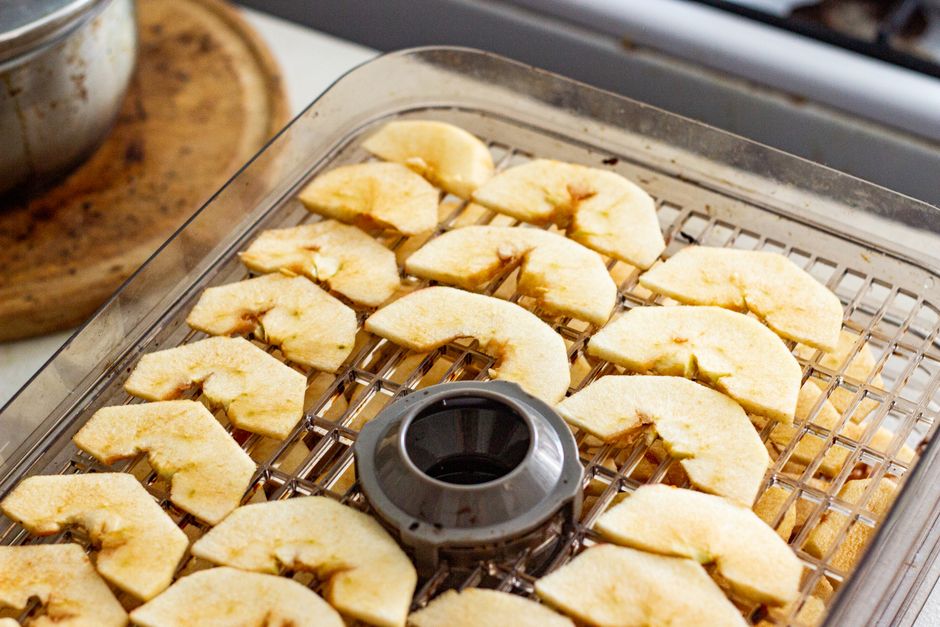
Dehydration at even 1-2% of body weight impairs cognitive performance and increases fatigue, according to research published in the journal Nutrients (Popkin et al., 2010). Most people associate dehydration with thirst, but thirst is a lagging signal. By the time you feel it in the afternoon, your focus may have already started to slide.
Office environments, air conditioning, and a long gap since your last water break are common contributors.
Snack fix: Pair your afternoon snack with 10-12 oz of water before eating. If plain water feels unsatisfying, try adding cucumber, lemon, or a few mint leaves. Electrolyte-containing foods like celery or a small serving of cottage cheese can also help. Why Your Afternoon Thirst Spikes and What to Drink When Water Alone Won’t Satisfy It walks through hydration options that go beyond the standard advice.
4. Your Body Is Following a Natural Circadian Dip, Not Just a Blood Sugar Drop
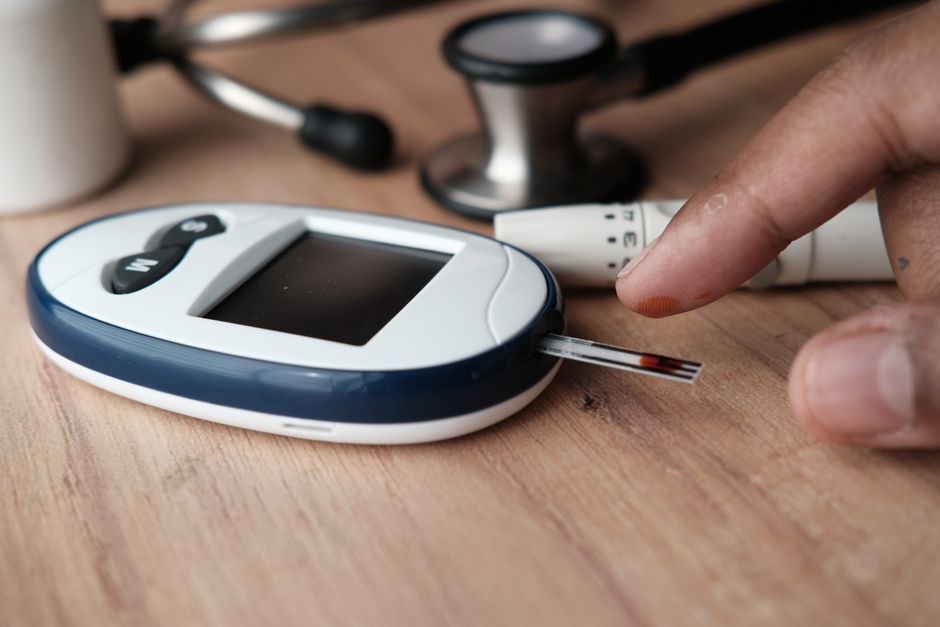
Here is something most energy advice does not mention: there is a genuine circadian rhythm dip between roughly 1pm and 3pm that occurs even when you slept well, ate well, and drank enough water. This is part of the body’s internal clock, similar in nature to the nighttime sleep drive, according to circadian biology researchers at institutions like Harvard Medical School and the Sleep Research Society.
This does not mean you are powerless. But it does mean that expecting no dip at all is setting yourself up for frustration.
Snack fix: Work with the dip instead of fighting it. A light snack that combines slow-digesting carbohydrates with protein can support alertness without causing a secondary sugar spike. Try a small apple with two tablespoons of almond butter: roughly 7g of protein, 3-4g of fiber, and natural sugars buffered by fat. Keep the snack under 200-250 calories so digestion does not add to the fatigue.

5. You Are Using Caffeine as Your Primary Afternoon Strategy, and It Is Backfiring
A second or third coffee after noon can feel like a solution but often extends the problem. Caffeine has a half-life of approximately five to six hours for most adults (American Academy of Sleep Medicine), which means a 2pm coffee still has half its caffeine load active at 7-8pm, disrupting sleep quality. Poor sleep then deepens the next day’s afternoon crash, creating a cycle.
Caffeine can sharpen alertness temporarily, but it does not replenish the glycogen or protein your body needs to sustain real energy in the afternoon.
Snack fix: Replace the second coffee with a planned afternoon energy crash snack that combines protein with a small amount of energizing carbohydrate. A few rice cakes with hummus and sliced cucumber, or a small handful of pumpkin seeds with a few dried apricots, gives your metabolism something real to work with. If you want the ritual of a warm drink, Herbal Tea Blends for Sustained Afternoon Energy Without the Coffee Crash offers caffeine-free options that support focus without the rebound.
For a deeper look at how caffeine timing interacts with your natural energy rhythms, Caffeine Timing vs. Natural Energy Rhythms: Which Strategy Actually Sustains Your Focus All Day is worth reading.
The Snack Pairing Principle That Ties It All Together
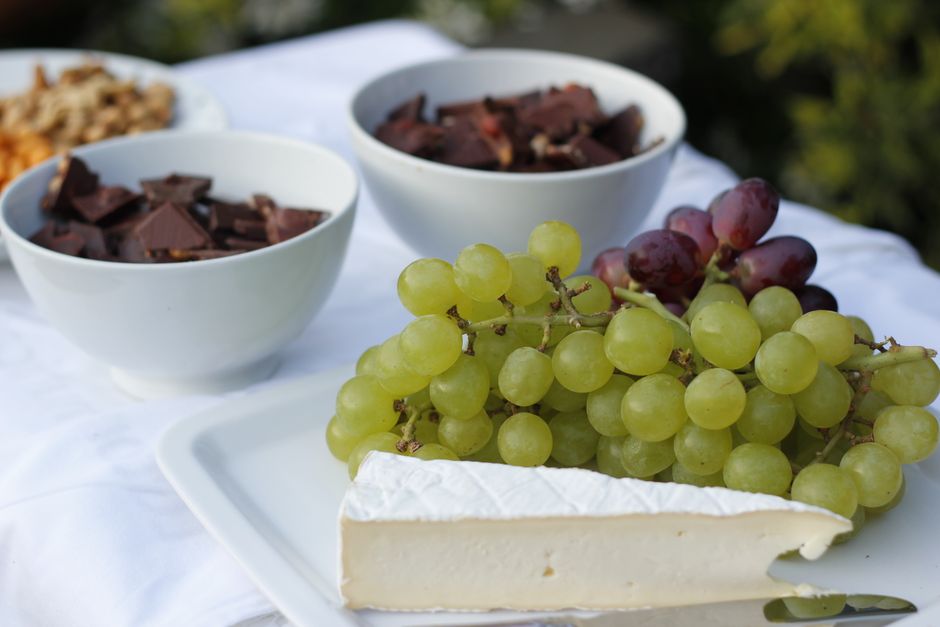
The best afternoon energy crash snack is not the one with the most energy. It is the one that stabilizes blood sugar, contributes protein for sustained focus, and does not overwhelm digestion. That points toward a consistent structure:
- Protein (10-15g minimum): Greek yogurt, eggs, cottage cheese, edamame, or nuts
- Fiber-containing carbohydrate: Whole fruit, raw vegetables, oat cakes, or whole grain crackers
- Small amount of fat: Nut butter, avocado, seeds, or cheese
You do not need all three elements to be perfect. Even shifting from a refined-carb-only snack to a protein-plus-fiber snack can reduce the severity of the crash noticeably within a few days of consistent practice.
Start with one change: swap whatever you currently grab at 2pm for a snack that includes at least one protein source. Track how you feel 60 to 90 minutes later. That simple observation is usually enough to show you whether the fix is working.
If you want to explore what a well-built lunch looks like as prevention, Building a Balanced Lunch That Survives Afternoon Slumps: Protein, Carbs, and Timing That Actually Keep You Alert gives a practical place to start. And for weekly practical wellness guidance delivered to your inbox, consider joining the Clean Body Mentor newsletter.
This article is for general educational and informational purposes only and is not a substitute for medical advice, diagnosis, or treatment. Health needs vary by individual. Consult a qualified healthcare professional before making significant changes to your diet, exercise routine, supplements, medication, or treatment plan, especially if you have a medical condition, are pregnant or breastfeeding, take medication, or have concerns about your symptoms.
Sources
- Popkin BM, D’Anci KE, Rosenberg IH. “Water, hydration, and health.” Nutrition Reviews, 2010. Published via National Library of Medicine (PubMed).
- American Academy of Sleep Medicine. Caffeine and Sleep. aasm.org.
- National Institute of Diabetes and Digestive and Kidney Diseases (NIDDK). Insulin Resistance and Prediabetes overview. niddk.nih.gov.
- Roenneberg T, et al. Circadian clocks and metabolism. Current Biology, 2012. Referenced via Cell Press.
- USDA FoodData Central for macronutrient estimates on Greek yogurt, almond butter, and common snack foods. fdc.nal.usda.gov.