
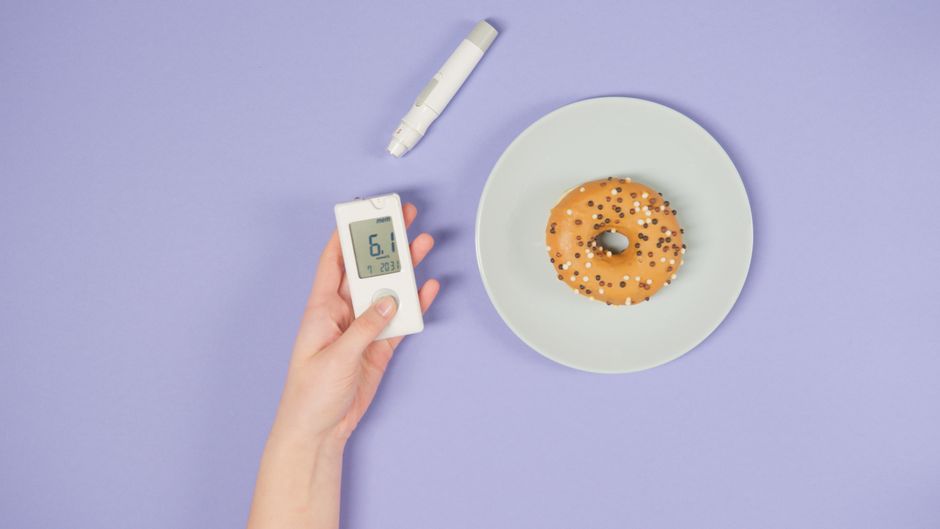
It hits around 3pm like clockwork. Your focus fades, your hand reaches toward the snack drawer, and you tell yourself you must be hungry. But what if the craving is not really hunger at all? What if it is your blood sugar bottoming out after a lunch that looked balanced on paper but was missing a critical piece?
Afternoon hunger and blood sugar fluctuations are closely linked. Research published by the National Institute of Diabetes and Digestive and Kidney Diseases notes that after a meal high in refined carbohydrates, blood glucose rises quickly and then falls sharply, often triggering renewed hunger signals even when your body has enough calories. The result is a craving that feels urgent but resolves with the right food combination at the right time, not with an extra snack.
The four case studies below show how real readers identified whether their 3pm crash was a blood sugar dip or genuine hunger, and exactly which lunch changes stabilized their afternoons.
Why the 3pm Crash Feels So Much Like Hunger
Your body interprets a rapid drop in blood glucose as a threat. It releases stress hormones including cortisol and adrenaline to signal urgency, and those hormones produce sensations that mimic hunger: stomach growling, difficulty concentrating, irritability, and a strong pull toward quick-energy foods. True physical hunger builds gradually over several hours. A blood sugar crash arrives fast, usually 90 to 120 minutes after a high-glycemic meal, and disappears almost as quickly when you eat something sweet.
Knowing that distinction matters because it changes what you reach for and whether you actually need more food. For a closer look at the physical and behavioral signals that separate real hunger from energy dips, the guide on Afternoon Cravings vs. True Hunger: A Case Study of Four Readers Who Broke the 3pm Snacking Cycle walks through the awareness-building process in detail.
Case Study 1: The Salad That Was Not Enough
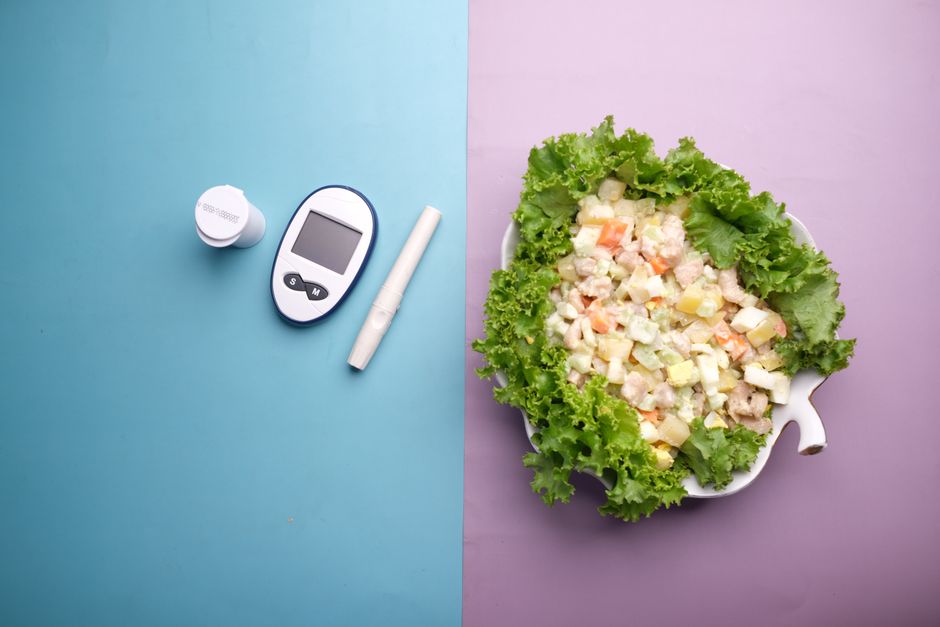
Profile: Maya, 34, remote marketing manager. She ate a large green salad with grilled chicken, light vinaigrette, and a small piece of sourdough toast at noon. By 2:30pm she was reaching for crackers.
What was happening: Her lunch had lean protein and vegetables but very little fat and a low total calorie density. Without enough dietary fat to slow gastric emptying, her meal moved through quickly. Her blood glucose response was not dramatic, but her satiety window was simply short. This was closer to true hunger than a blood sugar crash.
The fix: Adding a quarter of an avocado and two tablespoons of sunflower seeds to her salad extended her fullness window by roughly 90 minutes. The fat and fiber combination slowed digestion and kept her comfortable until 4pm without any extra snacking.
Case Study 2: The Pasta Bowl That Caused the Crash
Profile: Devon, 41, teacher. He ate a generous bowl of white-flour pasta with marinara and a side of garlic bread at 12:15pm. By 2pm he felt foggy and desperate for something sweet.
What was happening: Devon’s lunch was almost entirely refined carbohydrates. His blood glucose rose sharply and then fell quickly, creating the classic afternoon hunger blood sugar cycle. The fogginess and sweet craving were stress-hormone responses, not a true calorie deficit.
The fix: Swapping the white pasta for a lentil-and-whole-grain pasta blend and adding a three-ounce portion of ground turkey changed the glycemic trajectory of the meal. The combination of protein, fiber, and a slower-digesting carbohydrate blunted the spike. Devon’s 2pm fog disappeared within a week. The article on Lunch Carbs and Afternoon Clarity: Why Refined vs. Whole-Grain Timing Changes Your 2pm Focus explores this carbohydrate comparison in more depth.
Case Study 3: The High-Protein Lunch With No Carbs
Profile: Priya, 29, nurse working 8-hour day shifts. She had been following a low-carb eating approach and ate a large portion of grilled salmon with roasted broccoli at noon. She still felt mentally flat by 3pm.
What was happening: Priya’s lunch had excellent protein and fat, but her brain relies on glucose as a primary fuel source. Without any slow-digesting carbohydrate, her blood glucose dipped below its comfortable range in the early afternoon. This was a blood sugar issue, not a calorie problem.
The fix: Adding a small portion of roasted sweet potato (about half a cup) introduced a steady, fiber-buffered glucose release without causing a spike. Her mental clarity improved noticeably. This is a useful reminder that Building a High-Protein Lunch for Stable Afternoon Energy: Macros, Meal Combos, and Real-Life Examples recommends pairing protein with a moderate, fiber-rich carbohydrate rather than eliminating carbs altogether.

Case Study 4: The Correct Lunch at the Wrong Time
Profile: James, 52, operations manager. He ate a well-balanced meal of eggs, black beans, roasted peppers, and whole-grain toast at 11am because his schedule demanded an early lunch. By 2:30pm he was genuinely hungry.
What was happening: James’s lunch composition was actually ideal. The problem was timing. Eating at 11am left a five-hour gap before dinner, and a mid-afternoon energy dip was inevitable. This was true hunger by 2:30pm, not a blood sugar crash.
The fix: Rather than a full snack, James added a small protein-and-fat bridge: a tablespoon of almond butter on a brown rice cake at 2pm. This modest addition addressed genuine hunger without disrupting his appetite for dinner. For readers in similar scheduling situations, the Meal Prep for Shift Workers: How to Eat on Flipped Schedules Without Sacrificing Sleep or Energy guide covers how to plan around non-standard meal windows.

The Four Lunch Combinations That Worked
Across these cases, a pattern became clear. Lunches that stabilized afternoon hunger and blood sugar shared three features:
- A meaningful protein source (at least 20 to 25 grams): chicken, fish, eggs, lentils, or ground turkey
- A fiber-rich, slow-digesting carbohydrate: sweet potato, lentil pasta, whole-grain bread, or brown rice
- Enough dietary fat to slow gastric emptying: avocado, seeds, olive oil, or nut butter
None of these lunches required complicated meal prep or expensive ingredients. What changed was the macro balance, not the volume. If you want to build this kind of lunch from scratch, Building a High-Protein Lunch Bowl That Keeps You Full Until 6pm: Macros, Layering, and Real Combinations for Afternoon Stability lays out a practical layering approach with real combinations.
How to Tell the Difference Before You Eat
Next time 3pm arrives and the craving hits, pause for two minutes and ask yourself:
- Did it come on suddenly, or has hunger been building slowly since lunch?
- What did your lunch look like in terms of protein, fat, and carb quality?
- Are you craving something sweet specifically, or would almost any food satisfy you?
A sudden, sweet-specific craving that appeared less than two hours after a carb-heavy lunch is almost certainly a blood sugar dip. Hunger that built gradually over several hours is more likely genuine, especially if your lunch was early or light on total calories.
One Practical Step to Try This Week
Choose one lunch this week and deliberately add a protein source if yours is usually light on it, or swap a refined carb for a whole-grain or legume-based option. Notice how you feel at 3pm. That single shift often produces a noticeable difference without requiring any extra snacking.
For deeper guidance on food combinations that support steady energy across the whole day, explore How to Pair Foods for Natural Energy Without Afternoon Crashes: A Practical Guide to Macros That Stabilize Focus. And if you want weekly practical wellness guidance delivered to your inbox, the Clean Body Mentor newsletter covers exactly this kind of real-life, evidence-informed eating strategy.
This article is for general educational and informational purposes only and is not a substitute for medical advice, diagnosis, or treatment. Health needs vary by individual. Consult a qualified healthcare professional before making significant changes to your diet, exercise routine, supplements, medication, or treatment plan, especially if you have a medical condition, are pregnant or breastfeeding, take medication, or have concerns about your symptoms.
Sources
- National Institute of Diabetes and Digestive and Kidney Diseases. “Low Blood Glucose (Hypoglycemia).” U.S. Department of Health and Human Services.
- Gannon MC, Nuttall FQ. “Effect of a high-protein, low-carbohydrate diet on blood glucose control in people with type 2 diabetes.” Diabetes, 2004. (Referenced for protein and glycemic response context.)
- Ludwig DS. “The glycemic index: physiological mechanisms relating to obesity, diabetes, and cardiovascular disease.” JAMA, 2002. (Referenced for post-meal blood glucose and hunger hormone response.)