
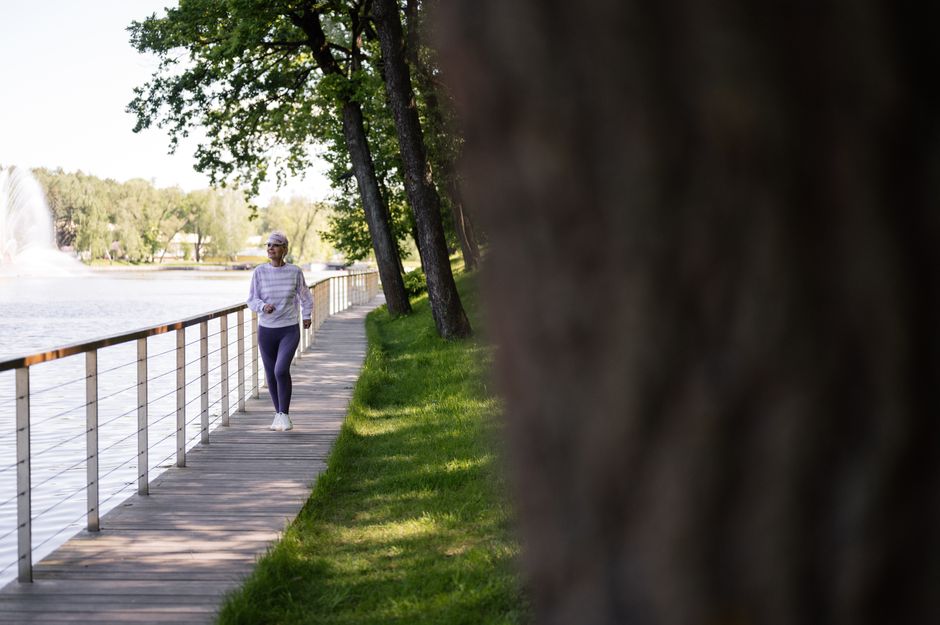
Stress has a way of making everything feel heavy. Your shoulders tighten, your thoughts race, and the idea of doing something about it can feel like one more obligation. That is exactly why walking is such a smart place to start. You do not need a gym membership, expensive equipment, or a perfect schedule. You need a pair of shoes and a realistic plan.
Research suggests that regular moderate-intensity walking can meaningfully reduce perceived stress, improve mood, and lower levels of the stress hormone cortisol. A review published by the American Psychological Association notes that even a single bout of aerobic exercise can produce immediate mood benefits for many people. Walking for stress relief works because it engages your body, encourages rhythmic breathing, and interrupts the mental loops that feed anxiety.
The three-week plan below is designed for beginners. It starts small on purpose, builds gradually, and includes practical tips so you can stay consistent even on hard days.

Why Progressive Walking Works Better Than Starting Too Hard
One of the most common reasons walking habits fall apart early is that people start with too much, too fast. You feel motivated on day one, go for a 45-minute walk, feel sore or overwhelmed, and quietly stop by week two. Sound familiar?
A progressive approach solves this. By increasing duration and intensity gradually, your body adapts, your motivation stays intact, and you build confidence. The goal in weeks one and two is not fitness performance. It is habit formation.
If you want to understand more about why early momentum so often fades, Five Reasons Your Walking Habit Fades by Week Three and How to Make Movement Stick for Real digs into the psychology behind it with specific fixes.
The Three-Week Plan
Week 1: Show Up (10-15 Minutes Daily)
Goal: Build the habit of going outside and moving. Duration does not matter yet.
- Walk 10 to 15 minutes per day, 5 days this week.
- Choose a consistent time: morning before work, lunch break, or after dinner.
- Walk at a comfortable, conversational pace. You should be able to speak in full sentences.
- Leave your earbuds out for at least half of each walk. Notice your surroundings.
- After each walk, pause and notice how you feel compared to before you left.
Stress relief focus: Pay attention to your breathing. Let it slow naturally as you settle into your stride. You do not need to practice formal breathwork, but if you want a complement to these walks, Breathing Patterns That Calm Your Nervous System Without Meditation offers simple techniques you can layer in during or after your walk.
Beginner modification: If 10 minutes feels like too much some days, do 5. The rule is simple: do not skip two days in a row.
Week 2: Add Time and Intention (20-25 Minutes Daily)
Goal: Extend duration and begin using the walk as an active stress management tool.
- Walk 20 to 25 minutes per day, 5 days this week.
- Increase your pace slightly. You should still be able to talk, but with slightly more effort.
- Try a “mental offload” practice: spend the first 5 minutes of each walk reviewing what is stressing you, then consciously shift focus outward for the remaining time. Look at trees, clouds, buildings, or people. Let your eyes do the noticing.
- If possible, vary your route two or three times this week. Novelty keeps the brain engaged and reduces the boredom that kills consistency.
Stress relief focus: Research from Stanford University suggests that walking in nature reduces activity in brain regions associated with rumination compared to walking in urban environments (Bratman et al., 2015, PNAS). Even a park strip or a tree-lined street can help. Aim for some green space when your neighborhood allows it.
Muscle soreness note: Your calves and ankles may feel more worked as you increase duration. Gentle stretching after walks helps. If you want to strengthen these areas to support longer walks, Building Stronger Calves and Ankles at Home: Progressive Bodyweight Drills for Everyday Mobility and Injury Prevention is a helpful companion resource.
Week 3: Build Resilience (30 Minutes with Variation)
Goal: Reach a sustainable daily habit with enough variety to hold long-term interest.
- Walk 30 minutes per day, 5 days this week.
- Two of those walks should include a 5-minute brisk interval: pick up your pace until you feel slightly breathless, then return to your comfortable stride.
- One walk this week should be taken in a new location if possible: a different neighborhood, a trail, a waterfront, or a park you have not used before.
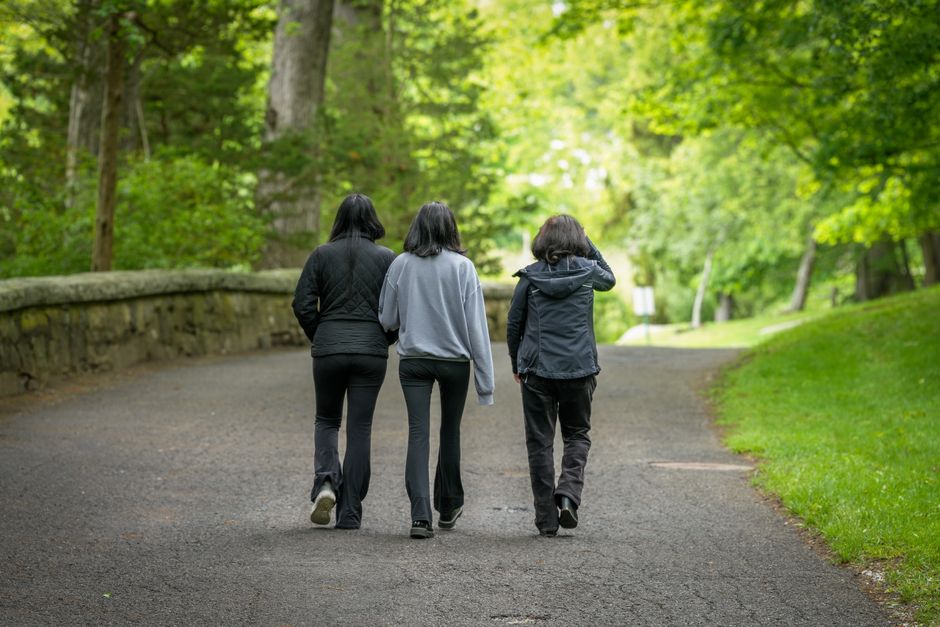
- Add one optional social walk. Invite a partner, friend, or family member. Social connection amplifies the mood benefit of physical activity.
Stress relief focus: By week three, you are likely noticing a consistent shift in how you feel after walking compared to how you felt before. That before-and-after gap is your evidence. Trust it.

Making It Stick Beyond Week Three
Three weeks is enough to establish a behavioral anchor, but it is not enough to make walking automatic under stress. Here is how to carry it forward:
- Pair it with something you already do. Walk after your morning coffee, before your lunch, or right after school pickup. Habit stacking reduces the decision-making that causes skipped days.
- Use bad days as triggers, not reasons to skip. When you feel most stressed is precisely when a short walk will help most. Even 10 minutes counts.
- Track simply. A tally on a sticky note or a basic phone step counter is enough. You do not need an app or a smartwatch.
- Plan rest days. Two rest days per week is reasonable. Use them for light stretching or simply a slower stroll if movement still feels appealing.
If your walking goals expand to include body composition alongside mood benefits, Walking for Sustainable Fat Loss: A 12-Week Progressive Plan That Fits Real Life picks up naturally where this plan leaves off.

One Small Action to Take Today
Choose one time slot this week for a 10-minute walk and write it on your calendar right now. Not tomorrow. Today. Consistency comes from protected time, not willpower. If this plan resonates, explore more practical wellness guidance on Clean Body Mentor or consider joining the newsletter for weekly, realistic health support.

Sources
- Bratman, G. N., et al. (2015). Nature experience reduces rumination and subgenual prefrontal cortex activation. Proceedings of the National Academy of Sciences. (PNAS, Stanford University)
- American Psychological Association. Exercise and Stress: Get Moving to Manage Stress. APA website, accessed 2024.
- U.S. Department of Health and Human Services. Physical Activity Guidelines for Americans, 2nd edition. Office of Disease Prevention and Health Promotion.
This article is for general educational and informational purposes only and is not a substitute for medical advice, diagnosis, or treatment. Health needs vary by individual. Consult a qualified healthcare professional before making significant changes to your diet, exercise routine, supplements, medication, or treatment plan, especially if you have a medical condition, are pregnant or breastfeeding, take medication, or have concerns about your symptoms.