


You can invest in the best serums and moisturizers on the market and still wake up to dull skin, persistent breakouts, or an uneven tone that no topical product seems to fix. Sometimes the real issue is happening several feet away from your face, inside your digestive tract.
Research into what scientists call the gut-skin axis suggests that gut health and skin appearance are more closely linked than most skincare advice acknowledges. This is not about detox myths or extreme elimination diets. It is about five specific, evidence-informed mechanisms that connect your digestion to your complexion, and practical adjustments you can test without overhauling your entire life.
1. Your Gut Microbiome Influences Skin Inflammation
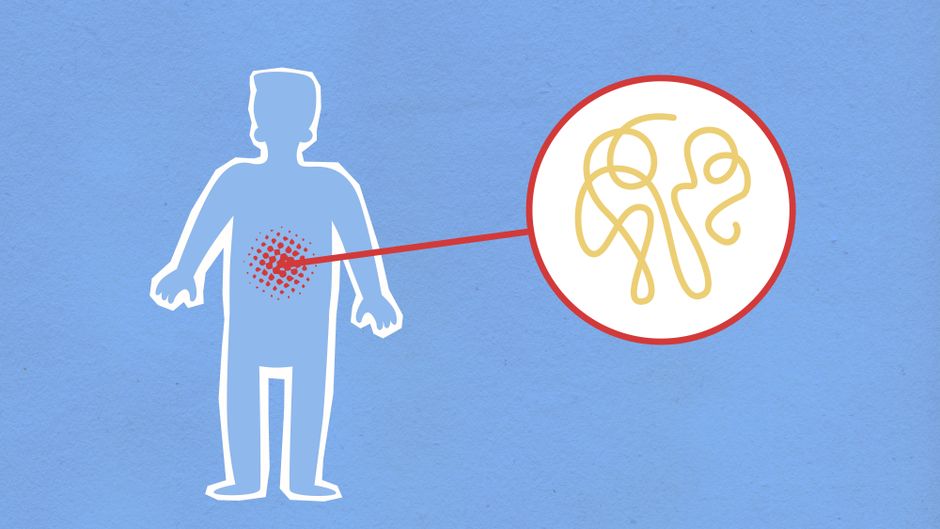
Your digestive tract is home to trillions of microorganisms collectively known as the gut microbiome. When that community is diverse and balanced, it helps regulate immune responses throughout the body, including in skin tissue. When it is disrupted, a condition researchers call dysbiosis, low-grade systemic inflammation can rise, and that inflammation often shows up as redness, acne, or flare-ups of conditions like eczema and rosacea.
A 2022 review published in the journal Nutrients noted that people with acne vulgaris tend to have measurably lower microbiome diversity than those without it, suggesting a meaningful relationship between gut composition and skin inflammation. Research is still evolving, but the direction is consistent.
What you can do: Add one or two servings of fermented foods daily, such as plain unsweetened yogurt, kefir, kimchi, or sauerkraut. These foods introduce live beneficial bacteria and may support microbial balance over time. For a deeper look at what the evidence actually shows about probiotics, check out Digestive Health Myths vs. Evidence: What Research Actually Shows About Probiotics, Fiber, and Bloating.
2. Poor Nutrient Absorption Leaves Skin Underfueled
Eating nutrient-dense foods matters, but so does how well your gut absorbs those nutrients. If your digestive lining is compromised or inflamed, your body may struggle to absorb zinc, vitamin A, vitamin C, and omega-3 fatty acids, all of which play direct roles in skin cell turnover, collagen production, and barrier function.
Zinc deficiency, for example, is associated with acne and delayed wound healing. Vitamin C is essential for collagen synthesis. Omega-3 fatty acids help manage the inflammatory signals that can worsen skin conditions.
You do not need supplements if your gut is absorbing nutrients efficiently. Focus on whole-food sources: colorful vegetables and fruit for vitamin C and antioxidants, fatty fish or flaxseed for omega-3s, pumpkin seeds and legumes for zinc. If you want a practical primer on which nutrients matter most for your complexion, Skin Health From Inside Out: The Nutrients and Habits That Actually Show Up in Your Complexion walks through the specifics clearly.

3. Eating Speed and Meal Timing Affect Skin More Than You Might Expect
Rushed eating does more than cause bloating. When you eat too quickly, you swallow excess air, limit digestive enzyme activity, and spike blood sugar more sharply than when you eat the same food slowly. Rapid blood sugar spikes trigger a cascade of insulin and IGF-1 activity that research has linked to increased sebum production and clogged pores, both contributors to acne.
Meal timing also plays a role. Eating large meals late at night slows gastric motility and can disrupt the gut microbiome’s natural circadian rhythm, which may indirectly affect inflammatory skin signals. The connection between Digestive Comfort and Meal Timing and your overall energy is worth understanding if you eat irregularly or tend to skip meals and compensate late in the day.
Practical shift: Slow down. Aim for at least 20 minutes per main meal, chew thoroughly, and try to finish eating at least two to three hours before bed most nights of the week.

4. Fiber Intake Shapes Hormone Clearance and Skin Balance
Dietary fiber does more than support regular bowel movements. Soluble fiber feeds beneficial gut bacteria that produce short-chain fatty acids (SCFAs), compounds that help regulate inflammation and may support the skin barrier. Fiber also plays a supporting role in hormone clearance: the gut helps process and eliminate excess estrogen, and when fiber intake is low and transit time is slow, some of that estrogen can be reabsorbed.
For people who notice cyclical breakouts around hormonal shifts, improving fiber intake is a realistic and low-risk starting point. Aim for a variety of plant sources: oats, lentils, berries, leafy greens, and cooked vegetables. Increasing fiber too fast can cause temporary bloating, so add incrementally over two to three weeks and drink enough water to support the adjustment.
A practical guide to adding fiber without gas or cramping can help you build this habit gradually.

5. Hydration and Digestive Transit Both Affect Skin Texture
When digestive transit slows, waste products spend more time in the colon. Some evidence suggests this may allow certain bacterial byproducts to be reabsorbed into circulation, potentially contributing to a dull or congested complexion over time. Adequate hydration supports motility and helps your gut move things along at a healthy pace.
Hydration also directly affects skin texture and elasticity. Skin cells need water to maintain plumpness and function, and consistent low-level dehydration can make fine lines more visible and skin feel rough or tight. A real-world look at how water intake affects the complexion over 30 days is covered in Hydration Skin Health: A 30-Day Real-World Test of Water Intake and Visible Complexion Changes.
Beyond drinking water, supporting motility through light post-meal movement makes a meaningful difference. Even a 10-to-15-minute walk after dinner has been shown in small studies to accelerate gastric emptying and improve blood sugar regulation.

Putting It Together Without Overhauling Everything
You do not need to change everything at once. In fact, sustainable habits built one at a time tend to stick far better than a complete overhaul that collapses after two weeks.
Pick one of the five areas above that feels most relevant to your current patterns:
- Add a daily fermented food for microbiome support.
- Slow your eating pace and finish meals earlier in the evening.
- Gradually increase fiber from whole plant sources.
- Build in a short walk after your largest meal.
- Track your water intake for a week and see where the gaps are.
Consistency with a single, small change will show you more about your own gut-skin connection than a dramatic reset ever would. If you are also curious about how rest plays into skin appearance, Your Skin and Sleep Debt connects that angle in a practical way.
This article is for general educational and informational purposes only and is not a substitute for medical advice, diagnosis, or treatment. Health needs vary by individual. Consult a qualified healthcare professional before making significant changes to your diet, exercise routine, supplements, medication, or treatment plan, especially if you have a medical condition, are pregnant or breastfeeding, take medication, or have concerns about your symptoms.

Sources
- Deng, Y., et al. (2022). “The gut microbiome of patients with acne vulgaris.” Nutrients. Named, not linked due to version uncertainty.
- National Institutes of Health Office of Dietary Supplements: Zinc Fact Sheet for Health Professionals (ods.od.nih.gov).
- Katta, R., and Desai, S.P. (2014). “Diet and dermatology.” Journal of Clinical and Aesthetic Dermatology. Named for reference.
- Bowe, W.P., and Logan, A.C. (2011). “Acne vulgaris, probiotics and the gut-brain-skin axis.” Gut Pathogens. Named for reference.