

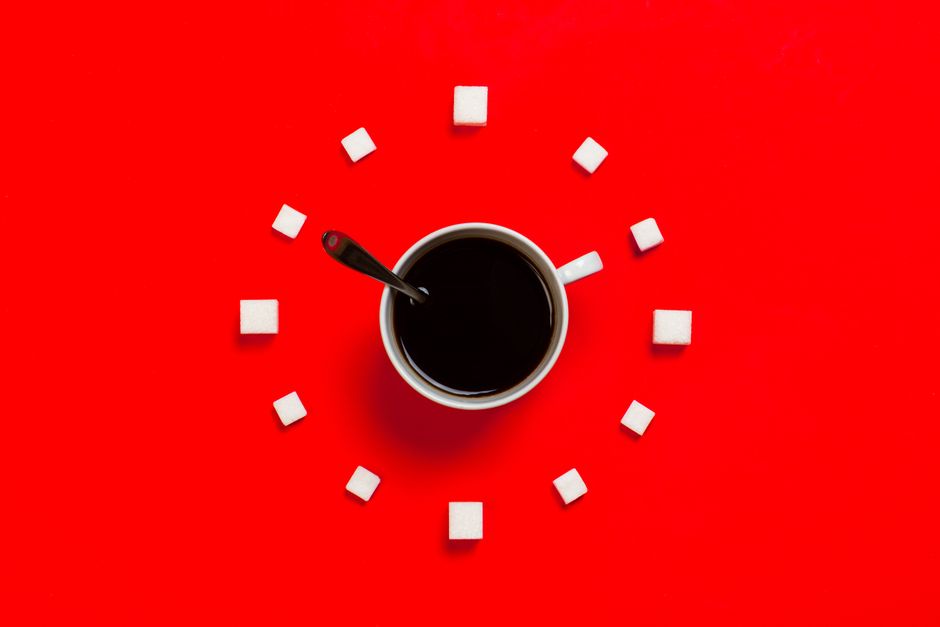
You feel the wall hit around 2pm. Your eyes go heavy, your focus drifts, and the obvious fix sits twelve steps away in the office kitchen. A cup of coffee, and you are back in business. Except, by 11pm, you are wide awake, scrolling your phone, wondering why sleep will not come.
The problem is not caffeine itself. Research suggests caffeine can genuinely sharpen alertness and support cognitive performance (National Institutes of Health, National Library of Medicine). The problem is when you drink it relative to your body’s natural energy architecture. Caffeine timing and your circadian rhythm are not always working in the same direction, and the 2pm habit is a good example of when they clash.

How Your Body Actually Manages Afternoon Energy
Your energy level across the day is shaped largely by two overlapping systems: the circadian rhythm, which follows a roughly 24-hour biological clock, and adenosine buildup, a chemical signal in your brain that accumulates the longer you stay awake and creates the biological pressure to sleep.
Research published through the National Institute of General Medical Sciences confirms that the circadian clock regulates alertness, hormone output, body temperature, and metabolism across the day. Most adults naturally experience a dip in alertness in the early-to-mid afternoon, roughly between 1pm and 3pm. This is not a sugar crash or a sign that you need more coffee. It is a predictable feature of human biology, common even among people who sleep well.
Caffeine works by temporarily blocking adenosine receptors, which delays the sensation of tiredness. The trouble is that it does not eliminate adenosine. It just postpones the signal. When caffeine clears your system, the adenosine that accumulated during the delay rushes back in, often producing the familiar rebound fatigue that feels worse than the original slump.
More critically, caffeine has an average half-life of about five to six hours in most adults, though individual sensitivity varies considerably. A 2pm coffee means a meaningful amount of caffeine is still circulating in your bloodstream around 7pm or 8pm, the window when your body would ideally begin winding down. Research reviewed through the journal Sleep Medicine Reviews and other sources consistently links afternoon and evening caffeine use to longer sleep onset, reduced sleep efficiency, and less restorative slow-wave sleep.
For a closer look at the specific timing window that protects your rest, the Clean Body Mentor guide on caffeine and sleep quality covers the research in practical detail.

The Real Drivers of the 2pm Slump
Before comparing solutions, it helps to understand what is actually causing the crash, because caffeine addresses almost none of it.
Meal composition at lunch. A high-carbohydrate, low-protein lunch can spike blood glucose and then drop it sharply, compounding the biological dip. Research suggests that including adequate protein at midday may help moderate that curve. The article on protein at lunch and 3pm energy explains the mechanism in beginner-friendly terms.
Cumulative sleep debt. If you slept six hours instead of seven or eight, the adenosine debt carries forward. No amount of caffeine timing will fix a structural sleep shortage over the long term.
Dehydration. Even mild fluid deficits, around 1 to 2 percent of body weight, are associated with reduced alertness and increased fatigue in research from the American Journal of Clinical Nutrition. If your morning included two coffees and minimal water, dehydration may be amplifying your afternoon fog.
Static posture and reduced light. Sitting indoors under artificial lighting for hours reduces the alerting signal of natural light and dampens physical arousal, both of which contribute to sluggishness.

Evidence-Informed Alternatives That Actually Sustain Focus
This is where the comparison matters most. Side by side, here is how the 2pm coffee stacks up against alternatives that work with your biology instead of against it.
Strategic Napping
A 10-to-20-minute nap taken between noon and 2pm may restore alertness without interfering with nighttime sleep, according to research published through the National Sleep Foundation and related sleep science literature. Short naps work by briefly lowering adenosine pressure without pushing you into deeper sleep stages, which cause grogginess. Naps longer than 30 minutes, however, risk that groggy “sleep inertia” and may make evening sleep harder.
The tradeoff: napping requires time and a quiet space, which is not always realistic. But for those with flexibility, a short rest often outperforms a coffee on afternoon cognitive performance.
Light Exposure and a Short Walk
Natural light is one of the most potent alerting signals for the circadian system. Stepping outside for 10 minutes in the early afternoon exposes your retina to full-spectrum light, which research in Chronobiology International and related circadian science consistently links to improved daytime alertness.
Pairing this with a 10-to-15-minute walk adds movement-related arousal and modestly increases blood flow to the brain. Building a walking habit does not require a gym or special equipment, and even short bouts have measurable effects on mood and focus.
Meal Timing and Composition
Shifting your lunch toward balanced protein, fiber, and moderate complex carbohydrates can reduce the blood glucose swing that deepens the early-afternoon dip. The Clean Body Mentor guide on meal timing for stable blood sugar and sustained energy goes deeper on why when and what you eat at midday shapes your 2pm to 4pm window more than most people realize.
Hydration
A large glass of water before you reach for coffee costs nothing and takes thirty seconds. If dehydration is contributing to your slump, rehydrating can resolve fatigue without the adenosine rebound or sleep cost.
If You Still Want Caffeine, Time It Better
If coffee is genuinely helpful for you, the evidence suggests drinking it between 9:30am and 11:30am, when cortisol levels have typically begun to decline from their morning peak. This window allows caffeine to extend alertness during a natural low rather than fighting your biology. Setting a hard cutoff at 1pm or 2pm as your latest intake may be enough to protect sleep quality for many people, though individual caffeine sensitivity affects this threshold meaningfully.

A Simple Afternoon Reset Protocol
Rather than reaching for coffee at 2pm, try this brief sequence:
- Drink a full glass of water.
- Step outside or near a bright window for 10 minutes.
- Walk at a comfortable pace or do a few minutes of light movement.
- If you have the option, take a 15-minute rest or nap.
This approach works with your circadian rhythm rather than overriding it temporarily and extracting a sleep cost later. It is not glamorous, but it is what the evidence points toward.

The Bigger Picture
Caffeine is not the villain here. For many people it is a practical, well-studied tool. But caffeine timing energy decisions made at 2pm routinely trade a short window of alertness for a harder time falling asleep and a slightly deeper crash the next afternoon. The cycle is self-reinforcing.
Choose one adjustment this week. It could be moving your coffee earlier, adding protein to lunch, or stepping outside for ten minutes at 2pm instead of heading to the kitchen. Small, consistent changes tend to produce the durable energy patterns that an extra coffee never quite delivers.
For more on building sustainable daytime energy without relying on caffeine as a crutch, explore the Clean Body Mentor library and consider signing up for the newsletter, where practical, evidence-informed wellness guidance arrives weekly without the noise.
This article is for general educational and informational purposes only and is not a substitute for medical advice, diagnosis, or treatment. Health needs vary by individual. Consult a qualified healthcare professional before making significant changes to your diet, exercise routine, supplements, medication, or treatment plan, especially if you have a medical condition, are pregnant or breastfeeding, take medication, or have concerns about your symptoms.

Sources
- National Institute of General Medical Sciences. Circadian Rhythms. nigms.nih.gov
- National Institutes of Health, National Library of Medicine. Caffeine and cognitive performance. PubMed literature.
- Drake C, et al. Caffeine effects on sleep taken 0, 3, or 6 hours before going to bed. Journal of Clinical Sleep Medicine, 2013.
- Ganio MS, et al. Mild dehydration impairs cognitive performance and mood. British Journal of Nutrition, 2011.
- National Sleep Foundation. Napping guidelines and research summaries. sleepfoundation.org
- Roenneberg T, et al. Circadian clocks and light exposure. Chronobiology International literature.