


If you have ever bought a salmon fillet with good intentions, then let it sit in the fridge until you threw it away, you are not alone. Fish is widely recognized as one of the most supportive foods for brain health and mood, yet cost, unfamiliar cooking, and strong smells keep many people from eating it regularly.
The good news: you do not need chef-level skills or a big grocery budget to make fish work for you. This guide walks through why fish matters for your brain, which affordable options deliver real benefits, and how to prepare them with minimal fuss.

Why Fish Supports Brain Health and Mood
Fatty fish is one of the richest dietary sources of long-chain omega-3 fatty acids, specifically EPA (eicosapentaenoic acid) and DHA (docosahexaenoic acid). DHA is a structural component of brain cell membranes and accounts for a significant share of the fatty acids found in the human brain. EPA is associated more directly with mood regulation and inflammation reduction.
Research published through the National Institutes of Health (NIH) and in peer-reviewed journals links regular omega-3 intake to lower rates of depression, better working memory, and slower age-related cognitive decline. A 2022 review in Nutrients found that higher dietary omega-3 intake was associated with better mood outcomes in adults, though researchers noted that individual responses vary and more long-term trials are needed.
Fish also contributes vitamin B12, iodine, selenium, and high-quality protein, all of which play roles in energy metabolism and neurological function. If you are curious about how what you eat connects to how you feel emotionally, the guide on Gut Health and Mood: The Surprising Link Between Digestion and Mental Well-Being offers a useful companion perspective.
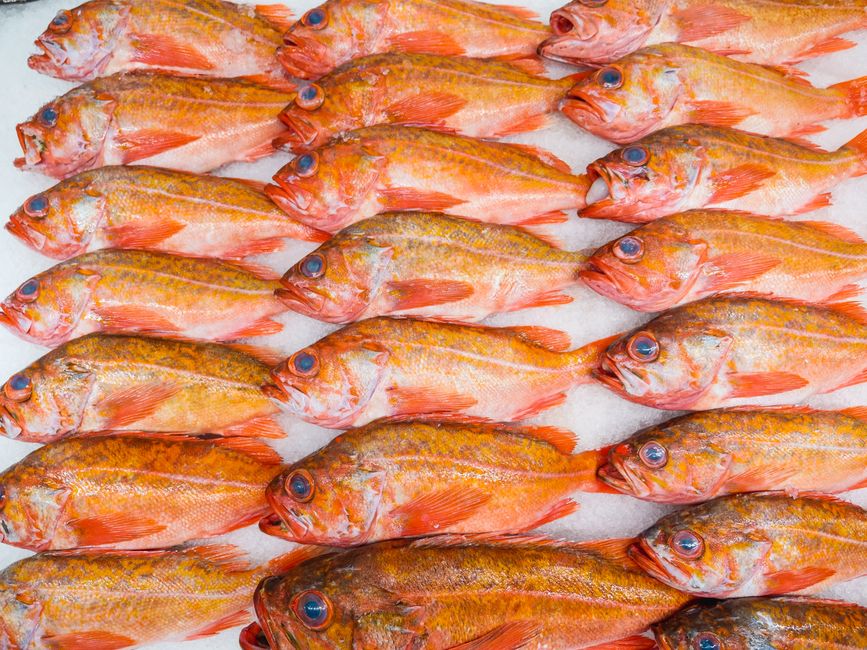
The Most Affordable Fish Options Worth Eating
You do not need to buy fresh wild-caught salmon every week. These options deliver omega-3s and other nutrients at a fraction of the cost:
- Canned salmon: One of the best value sources of DHA and EPA. Look for pink or sockeye salmon packed in water. Bones are edible and add calcium.
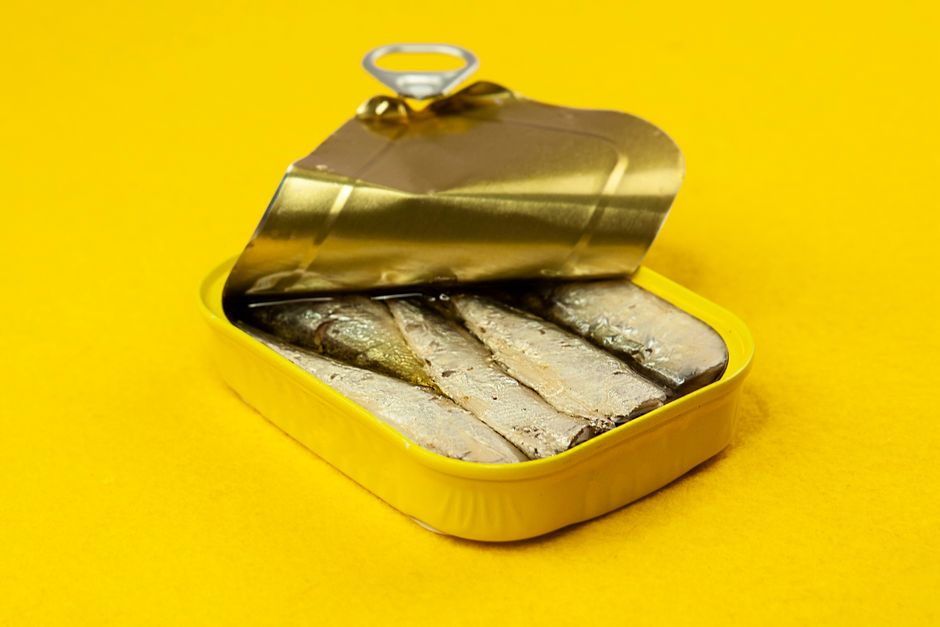
- Canned sardines: Inexpensive, rich in omega-3s, and available in olive oil or tomato sauce for variety. Mash onto whole-grain crackers or stir into pasta.
- Canned or pouched tuna: Widely available and versatile. Light tuna (skipjack) is lower in mercury than albacore, making it a reasonable choice two to three times per week. The FDA and EPA both offer guidance on fish consumption and mercury, particularly for pregnant people and young children.
- Frozen tilapia or cod: Mild-flavored white fish that is budget-friendly, low in odor, and easy to season. Less omega-3 than fatty fish but still provides lean protein and B vitamins.
- Frozen mackerel fillets: Higher in omega-3s than tilapia, often overlooked, and very affordable when bought frozen.
If you are managing your eating around mood and energy more broadly, pairing fish with thoughtful meal timing can amplify the benefit. See Meal Timing for Hormonal Balance: Why When You Eat Shapes Your Metabolism and Mood for practical structure.

Three No-Fuss Cooking Methods That Actually Work
Sheet Pan Baking
Preheat your oven to 400 degrees F. Place a frozen or thawed fish fillet on a lined baking sheet, drizzle with olive oil, season with garlic, lemon, and paprika, then bake for 12 to 15 minutes. No hovering required. The oven does the work while you prep a side dish or simply wait.
This method works well for salmon, cod, tilapia, and mackerel. The enclosed oven also contains the smell better than stovetop cooking, which is a practical win for anyone sensitive to fish odor.
Canned Fish, No Cooking at All
Canned and pouched fish require zero heat. Here are three quick meals:
- Salmon salad: Mix canned salmon with plain Greek yogurt, Dijon mustard, diced celery, and lemon juice. Serve on whole-grain bread or lettuce wraps.
- Sardine toast: Mash sardines with avocado and a pinch of red pepper flakes on sourdough toast.
- Tuna and grain bowl: Toss pouched tuna with cooked farro or brown rice, roasted vegetables, and a tahini drizzle.
All three come together in under ten minutes. If you batch-cook grains on the weekend, these meals are nearly instant. The guide on Meal Prep for Two Weeks Without Burnout: Simple Batch Cooking That Saves Time and Supports Your Goals shows a practical system for setting this up.
Stovetop in a Skillet
For those comfortable with a pan, searing fish takes about eight minutes. Pat the fillet dry, season, heat a skillet with a thin layer of oil over medium-high heat, and cook three to four minutes per side. Dry fish browns evenly and does not stick as easily as wet fish, which is the single most common reason homemade fish disappoints.
A simple pan sauce of butter, capers, and lemon added after the fish comes out transforms a basic fillet into something genuinely satisfying.
Practical Ways to Eat Fish More Consistently
Consistency matters more than perfection when it comes to building any nutrient-supportive habit. A few realistic strategies:
- Anchor it to one meal per week first. Commit to fish on one specific day, such as Friday, before trying to increase frequency.
- Keep canned fish in your pantry. Visible, accessible options are the ones you actually use. Stock two or three varieties so you have choices.
- Add fish to foods you already enjoy. Stirring tuna into a pasta dish or adding canned salmon to a vegetable soup lowers the barrier for people who are still building a taste for fish.
- Use sauces and seasonings you trust. Fish adapts well to Mediterranean, Asian, and Latin flavor profiles. If you enjoy lemon-herb chicken, you will likely enjoy the same seasoning on cod.
For days when you feel depleted and need food that supports recovery and mood, Sleep Recovery Meals: What to Eat After Poor Sleep to Restore Energy and Mood includes ideas for building meals that support you when energy is low.
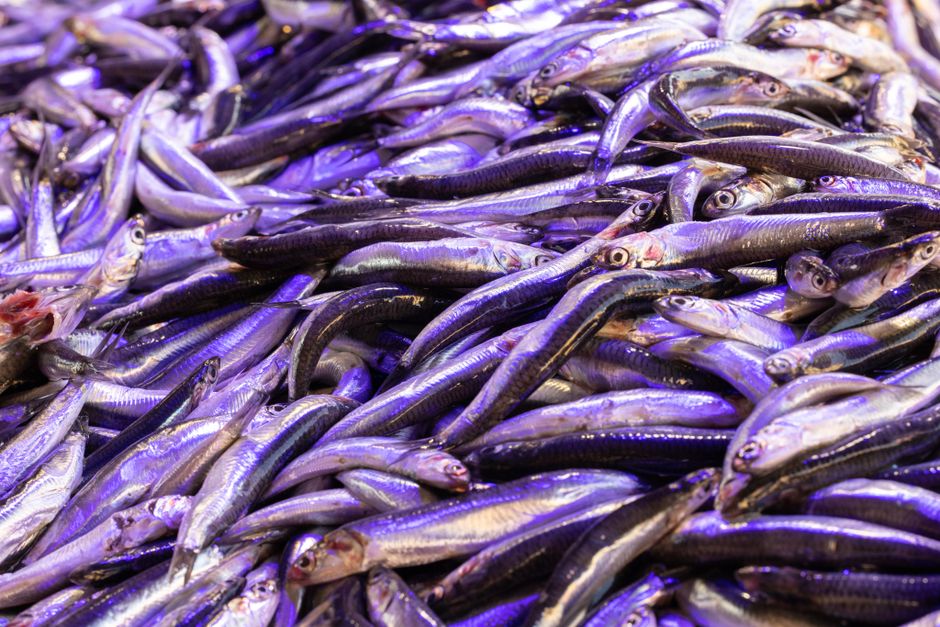
How Much Fish Is Enough?
The Dietary Guidelines for Americans (2020-2025), published by the USDA and HHS, recommend at least 8 ounces of seafood per week for most adults, which works out to roughly two servings. Research suggests this amount is associated with reduced cardiovascular and cognitive risk, though benefits are dose-related and individual needs vary.
If you are currently eating no fish, one serving per week is a meaningful starting point. If you dislike fish entirely, a registered dietitian can help you evaluate whether plant-based omega-3 sources or supplements might be appropriate for your situation.
A Small Step That Can Make a Real Difference
Choose one meal idea from this article and try it this week. Maybe it is a sardine toast at lunch or a sheet-pan salmon dinner on Friday. Small, consistent choices tend to build into sustainable habits more reliably than ambitious overhauls.
When you are ready to explore more of how food shapes how you feel, the Gut Health Foods That Improve Digestion and Mood: A Practical Guide to Microbiome-Supportive Eating is a natural next read. You can also subscribe to the Clean Body Mentor newsletter for practical weekly wellness guidance delivered without the overwhelm.
This article is for general educational and informational purposes only and is not a substitute for medical advice, diagnosis, or treatment. Health needs vary by individual. Consult a qualified healthcare professional before making significant changes to your diet, exercise routine, supplements, medication, or treatment plan, especially if you have a medical condition, are pregnant or breastfeeding, take medication, or have concerns about your symptoms.
Sources
- National Institutes of Health, Office of Dietary Supplements. Omega-3 Fatty Acids Fact Sheet for Health Professionals. ods.od.nih.gov
- U.S. Food and Drug Administration and EPA. Advice About Eating Fish. fda.gov
- Dietary Guidelines for Americans 2020-2025. USDA and HHS. dietaryguidelines.gov
- Liao Y, et al. (2022). “Efficacy of omega-3 fatty acids in mood disorders.” Nutrients. (Referenced for general directional findings; individual study details available via PubMed.)