

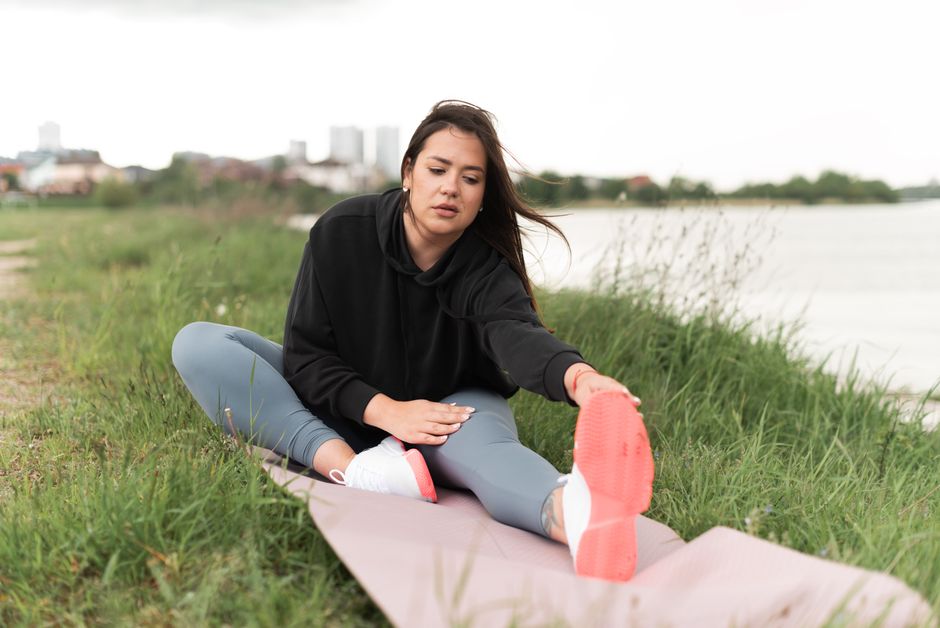
Most fitness advice tells you to just pick something and stick with it. But if you have juggled a packed schedule, two kids, a deadline, and a gray February sky, you know that “just pick something” rarely holds up for long. The real question is: which environment actually helps your mood and energy when life gets complicated?
The short answer is that both outdoor exercise and gym-based training show meaningful mental health benefits, and research suggests they work through overlapping but distinct pathways. Choosing between them, or finding a way to combine them, matters more for long-term consistency than any single workout method.
Let us look at what the evidence says, where each approach has a real edge, and how to use that information without overcomplicating it.

What the Research Actually Shows
Outdoor exercise mental health research is now robust enough to draw reasonable conclusions. A review published in the journal Environmental Health and Preventive Medicine found that time spent in natural environments was associated with lower cortisol, reduced heart rate, and improved mood compared to urban or indoor settings. The concept, sometimes called “green exercise,” does not require forest bathing or a national park. A 20-minute walk in a neighborhood park may offer a measurable stress-recovery effect.
Gym-based training, meanwhile, has a long, well-documented record for mental health outcomes. Regular structured exercise, regardless of setting, is associated with reduced symptoms of depression and anxiety according to multiple systematic reviews cited by the National Institutes of Health. Resistance training in particular may support self-efficacy and mood stability in ways that lower-intensity activity does not always replicate.
So both environments work. The difference is in how they work and when each one is easier to sustain.

Where Outdoor Movement Has a Clear Edge
Stress recovery, not just stress management. Nature-based movement appears to lower physiological stress markers more quickly than indoor alternatives. If your primary struggle is a mind that will not quiet down after work, stepping outside, even briefly, may help you shift out of that activated state faster.
For a deeper look at the mechanisms behind this, Outdoor Movement as Mental Medicine: Walking, Gardening, and Unstructured Activity for Stress and Mood breaks down how unstructured outdoor activity supports recovery in ways structured gym sessions sometimes cannot.
Lower barrier to entry. No membership fee, no drive, no wait for equipment. If consistency is your challenge, a walk outside is one of the most accessible forms of physical activity available. Walking for Mental Clarity: How Daily Movement Reshapes Your Mood and Focus offers a practical starting point if outdoor walking is where you want to build your habit.
Seasonal sunlight exposure. Morning outdoor movement, even on overcast days, delivers more natural light than most indoor environments. This matters for circadian rhythm regulation and mood, especially during darker months when low mood is common.
Where it falls short: Weather, safety, and unpredictability can undermine consistency. Rain, heat, ice, and darkness are real obstacles. Outdoor activity also offers limited progressive overload for building strength, which matters for body composition and long-term metabolic health.

Where the Gym Has a Real Advantage
Controlled environment, year-round reliability. A gym is the same temperature in January and July. When motivation is low and the weather is uninviting, that predictability reduces the number of decisions standing between you and movement.
Structured progression. Gym equipment, particularly free weights and resistance machines, makes it easier to progressively challenge your muscles over time. Building a Sustainable Strength Training Routine at Home: Progressive Workouts From Bodyweight to Basic Equipment shows how the same principle applies even when the gym is your living room.
Community and accountability. Group classes, personal trainers, and regular gym-goers create social structure. Research suggests that social connection during exercise amplifies mood benefits beyond what solo movement provides. If you are someone who needs external accountability to stay consistent, this is a legitimate advantage.
Where it falls short: Cost, commute time, and the social pressure of a gym environment can be genuine deterrents. For busy parents or beginners, the friction of getting to a gym may be the very thing that breaks the habit.

The Overlooked Variable: Personality and Preference
Studies consistently show that enjoyment predicts exercise adherence better than almost any other factor. If you dread running outdoors in the cold, forcing it as a mental health strategy will eventually backfire. If you feel self-conscious in a gym, the anxiety cost may cancel out the mood benefit for a while.
Neither setting is inherently superior. The best choice is the one you will actually return to. And for many busy adults, Emotional Resilience and Outdoor Movement: How Nature-Based Activity Builds Mental Strength Without a Gym illustrates how lower-intensity outdoor activity can carry real psychological weight even when gym-style intensity is not sustainable.

A Practical Way to Combine Both
You do not have to choose a single camp. A hybrid approach, outdoor walks on weekday mornings and two to three short strength sessions at home or in a gym per week, captures benefits from both environments without requiring a major lifestyle overhaul.
This also helps address the seasonality problem. In warmer months, lean into outdoor movement. When winter reduces daylight and outdoor access, shift more of your activity indoors while keeping at least some brief outdoor exposure for light and fresh air. Even five to ten minutes outside at midday supports mood during low-light months.
If strength training is new to you, starting with home-based work before committing to a gym membership is a low-risk way to build confidence. Rest and recovery matter as much as the workouts themselves: Recovery Days and Active Rest: Why Your Body Needs Breaks as Much as It Needs Workouts explains how to make rest part of the plan rather than a sign of failure.

Making a Choice That Actually Sticks
The most meaningful action you can take today is not choosing the “optimal” environment. It is choosing one small, realistic movement habit and doing it consistently for the next two weeks. That might be a 15-minute walk after dinner, a home bodyweight session on Tuesday mornings, or a gym class you have been curious about. One honest habit beats the perfect plan that never starts.
If you want practical weekly guidance on building sustainable movement habits, joining the Clean Body Mentor newsletter is a low-pressure way to stay connected to ideas that fit real life.
This article is for general educational and informational purposes only and is not a substitute for medical advice, diagnosis, or treatment. Health needs vary by individual. Consult a qualified healthcare professional before making significant changes to your diet, exercise routine, supplements, medication, or treatment plan, especially if you have a medical condition, are pregnant or breastfeeding, take medication, or have concerns about your symptoms.
Sources
- Takayama, N. et al. (2014). Emotional, restorative and vitalizing effects of forest and urban environments. Environmental Health and Preventive Medicine. (Organization and journal cited; specific URL not linked to avoid inaccuracy.)
- National Institutes of Health, National Library of Medicine: multiple systematic reviews on exercise and depression/anxiety outcomes. Visit PubMed and search “exercise depression systematic review” for current literature.
- U.S. Department of Health and Human Services. Physical Activity Guidelines for Americans, 2nd edition (2018). Available at health.gov.