
It is 2:45pm and you are staring at your keyboard, already calculating whether another cup of coffee will keep you functional or just ruin your sleep tonight. You reach for the mug out of habit. But the real reason your energy is fading probably happened two hours earlier, at your lunch plate.
Research on nutrient timing and hunger hormones suggests that what you eat at midday shapes your afternoon alertness more reliably than an extra shot of espresso. Specifically, protein lunch energy is not just a gym-culture concept. It is a practical tool for anyone who needs to stay sharp between noon and 5pm without riding a caffeine roller coaster.
Here is why that is true, and what to actually eat.
Why Lunch Composition Drives the 3pm Crash
The classic afternoon slump has a few overlapping causes. One is the natural post-lunch dip in your circadian rhythm, a mild drop in alertness that occurs in most people between 1pm and 3pm regardless of what they ate. But the size and duration of that dip is heavily influenced by blood glucose dynamics, which are directly shaped by your meal composition.
A high-carbohydrate, low-protein lunch causes a faster rise in blood glucose followed by a sharper drop. That glucose drop coincides with elevated insulin, lower dopamine availability, and rising levels of adenosine, the compound responsible for sleep pressure. The result is that sluggish, foggy feeling most people associate with “needing coffee.”
Protein at lunch helps blunt that sequence in two ways:
- Slower gastric emptying. Protein takes longer to digest than refined carbohydrates, which moderates the glucose curve after the meal.
- Satiety hormone signaling. Adequate protein stimulates peptide YY and GLP-1, hormones that reduce hunger and support steady cognitive focus. Research published in the American Journal of Clinical Nutrition (Leidy et al., 2015) found that higher protein intake meaningfully improved satiety and reduced appetite-driven distraction across the day.
Caffeine, by contrast, blocks adenosine receptors temporarily. It does not fix the glucose problem, and it cannot compensate for a hormone environment driven by an unbalanced meal. If you want to understand more about why caffeine timing is a secondary lever, the Afternoon Energy Slump vs. Stable Energy: Why Meal Composition Beats Caffeine Timing guide covers that tradeoff in detail.
How Much Protein Actually Moves the Needle
Most adults fall short at lunch. Breakfast and dinner tend to receive more nutritional attention, leaving the midday meal as whatever is fastest. For practical energy benefits, research suggests aiming for roughly 25 to 40 grams of protein at lunch. A 2016 review in the Journal of the Academy of Nutrition and Dietetics noted that distributing protein more evenly across meals, rather than loading it at dinner, was associated with better muscle protein synthesis and more consistent energy signaling throughout the day.
You do not need to count grams obsessively. A useful rule of thumb: your protein source should take up roughly one quarter to one third of your plate.
For a more thorough breakdown of which combinations keep you satisfied until dinner, Building a High-Protein Lunch That Holds Your Energy Until Dinner walks through practical plate-building strategies.
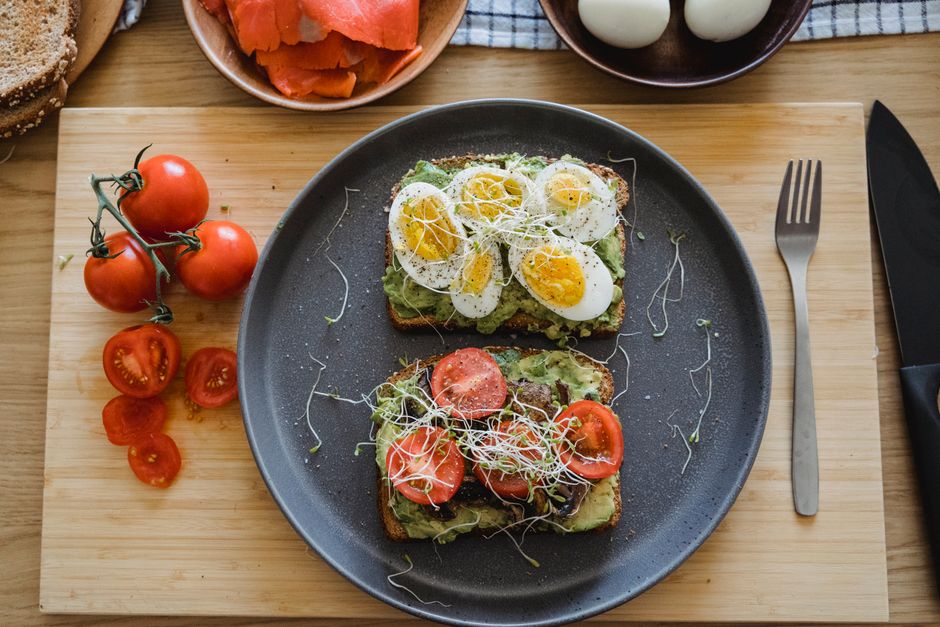
Three Lunch Combinations That Prevent the Crash
These meals are structured around protein at the center, with fiber and moderate healthy fat to slow digestion without causing heaviness. Each one targets the 25-to-35-gram protein range.
1. Ground Turkey and Grain Bowl
- 4 oz cooked ground turkey (approximately 28g protein)
- Half cup cooked farro or brown rice
- Roasted zucchini, cherry tomatoes, and spinach
- A drizzle of tahini dressing
Why it works: Turkey provides complete protein with a relatively low fat content, so digestion is efficient. The farro adds fiber that slows glucose absorption, and the vegetables contribute micronutrients without adding digestive burden. Tahini contributes small amounts of healthy fat to extend satiety without spiking calories.
2. Cottage Cheese and Lentil Power Plate
- Half cup low-fat cottage cheese (approximately 14g protein)
- Half cup cooked green lentils (approximately 9g protein)
- Sliced cucumber, radish, and baby greens
- A squeeze of lemon and a teaspoon of olive oil
Why it works: Combining dairy protein with plant protein gives you a broader amino acid profile and a gentler glycemic impact than a grain-heavy plate. Lentils also provide resistant starch, which feeds beneficial gut bacteria. If gut function and energy are connected topics for you, Adapting Your Meals for Better Digestion and Energy is worth reading alongside this article.
3. Canned Salmon Wrap With White Bean Spread
- One whole-grain wrap
- 3 oz canned wild salmon (approximately 20g protein)
- 3 tablespoons white bean hummus (approximately 4g protein)
- Shredded red cabbage, sliced avocado, and arugula
Why it works: Salmon provides omega-3 fatty acids, which research from the NIH links to reduced neuroinflammation and may support cognitive function over time. Avocado contributes monounsaturated fat that further moderates the glucose curve. The wrap keeps it portable without sacrificing nutritional structure.

One Practical Step for This Week
You do not need to overhaul your entire eating pattern to feel a difference. Changing just one lunch per week to a higher-protein version is a realistic starting point. Pay attention to your energy and hunger level at 3pm that day versus your typical pattern. Most people notice the difference within a few days.
If your mornings also tend to be low-protein, pairing this strategy with a better breakfast extends the benefit. High-Protein Breakfast Ideas for Steady Energy and Satiety is a practical companion guide.
For ongoing practical guidance on balanced eating, meal timing, and sustainable habits, the Clean Body Mentor newsletter delivers evidence-informed ideas weekly without the noise.

Sources
- Leidy HJ, et al. “The role of protein in weight loss and maintenance.” American Journal of Clinical Nutrition, 2015. (Published by the American Society for Nutrition)
- Mamerow MM, et al. “Dietary protein distribution positively influences 24-h muscle protein synthesis.” Journal of Nutrition, 2014.
- Paddon-Jones D, Leidy H. “Dietary protein and muscle in older persons.” Current Opinion in Clinical Nutrition and Metabolic Care, 2014.
- National Institutes of Health, Office of Dietary Supplements: Omega-3 Fatty Acids fact sheet.
This article is for general educational and informational purposes only and is not a substitute for medical advice, diagnosis, or treatment. Health needs vary by individual. Consult a qualified healthcare professional before making significant changes to your diet, exercise routine, supplements, medication, or treatment plan, especially if you have a medical condition, are pregnant or breastfeeding, take medication, or have concerns about your symptoms.