
You know you should drink more water. You also know that by 2 pm, the idea of another plain glass feels about as exciting as watching paint dry. That gap between intention and follow-through is where a lot of wellness goals quietly fall apart.
The good news: you do not need sugary sodas or expensive flavored waters to close it. Iced tea hydration alternatives, ranging from cold-brew green tea to caffeine-free herbal blends, can make drinking enough fluid feel effortless, cost less than a dollar a serving, and carry real nutritional perks. This comparison breaks down your best options on four dimensions: taste, cost, preparation time, and what the evidence says about nutrients.
If you want a deeper look at how hydration timing interacts with focus and mood, the Hydration Timing for Mental Clarity and Mood: When and How Much Water Actually Affects Your Brain guide is a useful companion to this article.
The Contenders: What We Compared
Five practical options made the list, each representing a different approach to iced tea hydration alternatives:
- Store-bought bottled iced tea (unsweetened, mainstream brands)
- Hot-brew and chill method using bagged tea (black or green)
- Cold-brew black or green tea (overnight, no heat needed)
- Herbal blend cold brew (hibiscus, mint, chamomile, fruit-based)
- Powdered or concentrated iced tea mixes (no-sugar or lightly sweetened)
Each was rated on a simple 1-5 scale for flavor satisfaction, ease of preparation, and cost per 16-ounce serving.
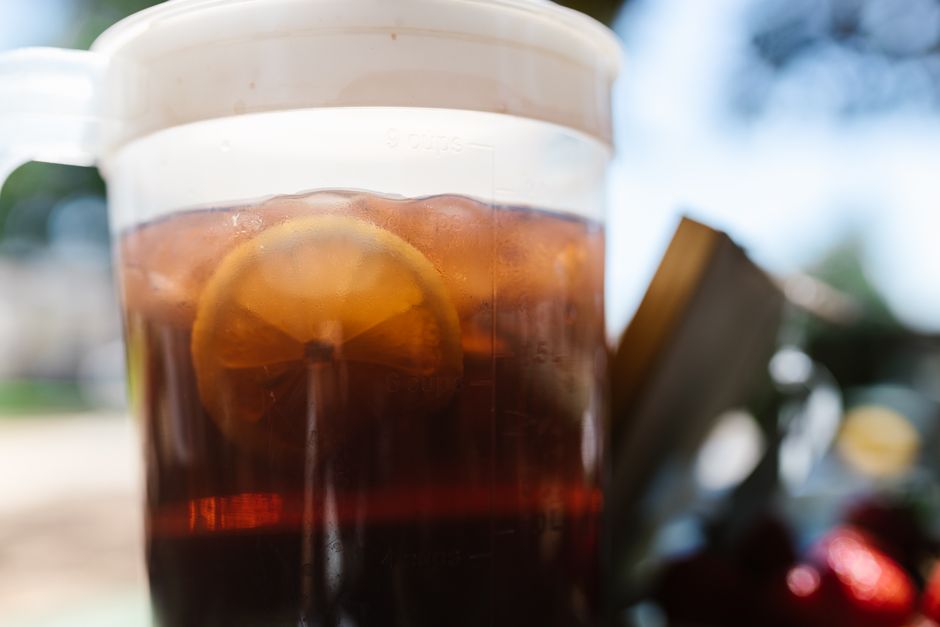
Taste and Flavor Satisfaction
Store-bought bottled tea earns points for convenience, but the flavor often tastes flat or slightly bitter from long shelf storage. Unsweetened versions can feel harsh without a flavor boost.
Hot-brew and chill produces a stronger, brighter flavor, especially with green tea. The downside is over-steeping, which creates bitterness if you forget the timer. It also requires patience while the tea cools before you can ice it.
Cold-brew black or green tea is the standout for flavor. Cold water extracts fewer tannins, which means you get a smooth, naturally sweet-tasting cup with no bitterness even after 12 hours in the fridge. Research published in the journal Food Chemistry supports this: cold brewing extracts significantly less catechin oxidation byproduct, preserving a cleaner taste profile.
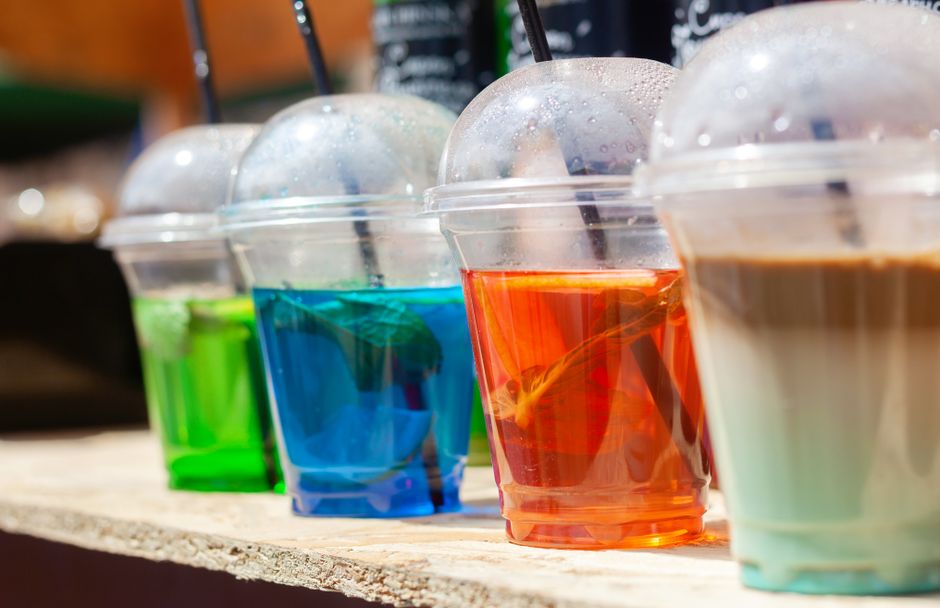
Herbal cold brew is caffeine-free and endlessly customizable. Hibiscus blends are tart and refreshing. Mint-chamomile is calming. Fruit-forward blends like apple-cinnamon feel almost like a treat. These score highest for flavor variety and evening suitability.
Powdered or concentrated mixes are convenient but hit-or-miss. Many contain natural flavors and minimal actual tea. Some lightly sweetened versions taste pleasant; others have a synthetic aftertaste. Read the label before committing to a bulk purchase.
Cost Breakdown Per Serving
Here is an honest cost estimate for a 16-ounce serving, based on average U.S. retail prices at the time of writing:
| Option | Approx. Cost Per 16 oz |
|---|---|
| Store-bought bottled tea | $1.50 – $2.50 |
| Hot-brew bagged tea | $0.08 – $0.20 |
| Cold-brew bagged tea | $0.08 – $0.20 |
| Herbal cold brew (loose or bags) | $0.15 – $0.40 |
| Powdered or concentrated mix | $0.30 – $0.70 |
The homemade options win decisively. A standard box of 100 green or black tea bags costs roughly $5 to $8, and each bag makes a full pitcher. If budget is part of your decision, the Grocery Shopping for Balanced Nutrition on a Budget guide covers how to stock smart without overspending on wellness products.
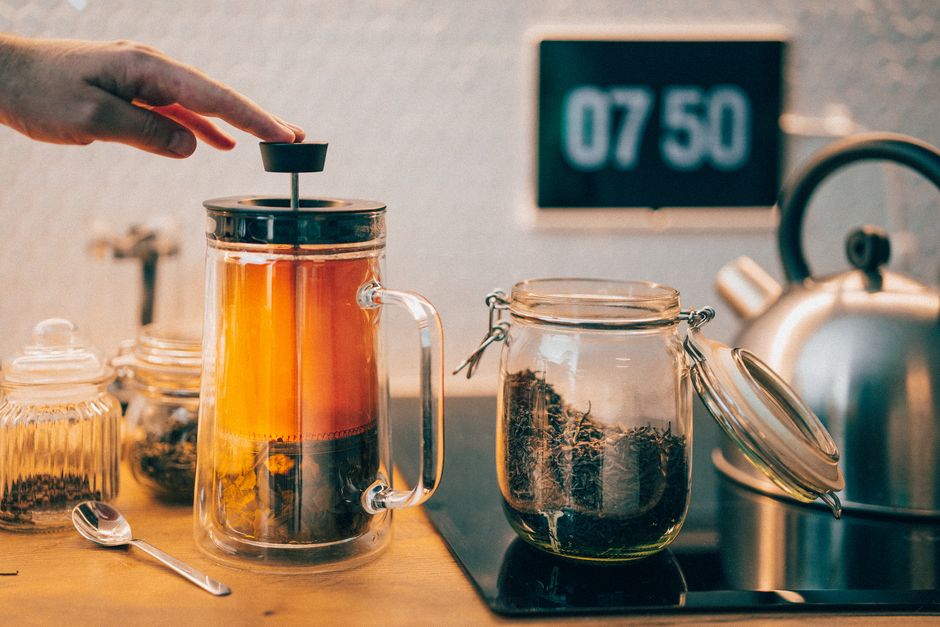
Preparation Time and Effort
This is where personal routine really matters. If your mornings are chaotic, a method that requires standing at the stove does not survive contact with real life.
- Cold-brew tea requires 30 seconds of actual effort: drop bags in a pitcher, fill with cold water, refrigerate overnight. Pull it out in the morning and you have a week’s worth of hydration. Winner for busy households.
- Hot-brew and chill takes about 10-15 active minutes but requires fridge space and planning.
- Herbal cold brew follows the same low-effort method as cold-brew tea and works beautifully in mason jars or a standard pitcher.
- Bottled tea requires no prep but does require buying and recycling glass or plastic regularly.
- Powdered mixes dissolve in seconds but quality control varies wildly by brand.
What the Evidence Says About Nutrients and Health
Iced tea hydration alternatives are not just water substitutes; some carry meaningful nutritional benefits.
Green and black teas contain polyphenols including catechins and theaflavins. According to the National Institutes of Health (NIH) Office of Dietary Supplements, these compounds are associated with antioxidant activity and may support cardiovascular health when consumed as part of a balanced diet. Green tea in particular has been studied extensively for its modest role in supporting healthy body composition, though research suggests effects are small and context-dependent.
Hibiscus tea is one of the more evidence-supported herbal options. A review in the Journal of Hypertension found that hibiscus extract consumption was associated with modest reductions in blood pressure in some populations. Results are preliminary, but the plant compounds are real.
Herbal blends like chamomile and mint contribute negligible calories and no caffeine, making them a genuinely excellent iced tea hydration alternative for evenings or for anyone managing caffeine intake.
Note: caffeinated teas do contribute to your daily fluid intake. The British Dietetic Association confirms that moderate caffeine intake, up to around 400 mg per day for most healthy adults, does not cause net dehydration at typical tea-drinking levels.
For a broader look at fluid facts, the Hydration Myths vs. Facts: How Much Water You Really Need and When It Actually Matters guide separates reliable guidance from common misconceptions.
Two Recipes to Start This Week
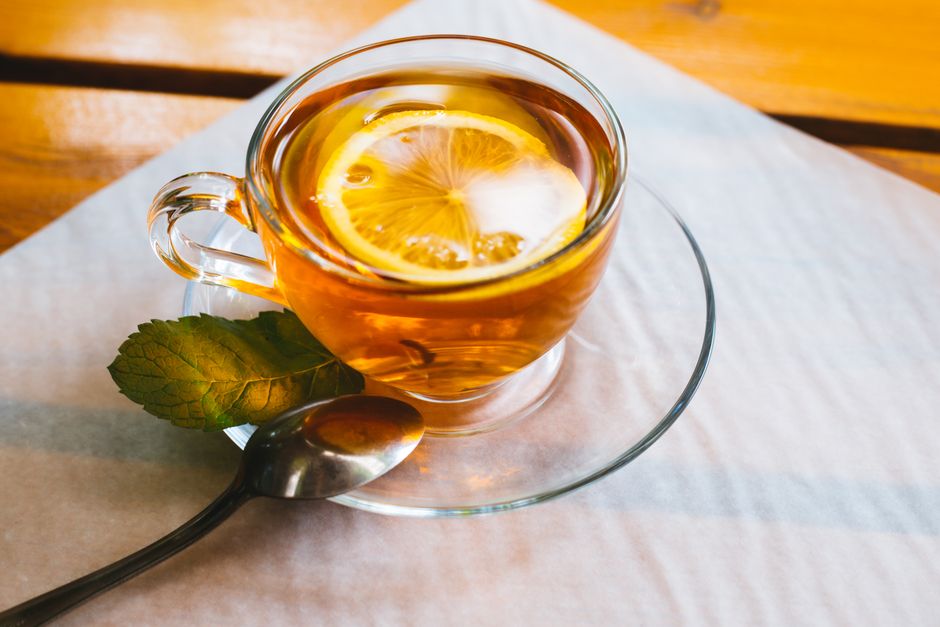
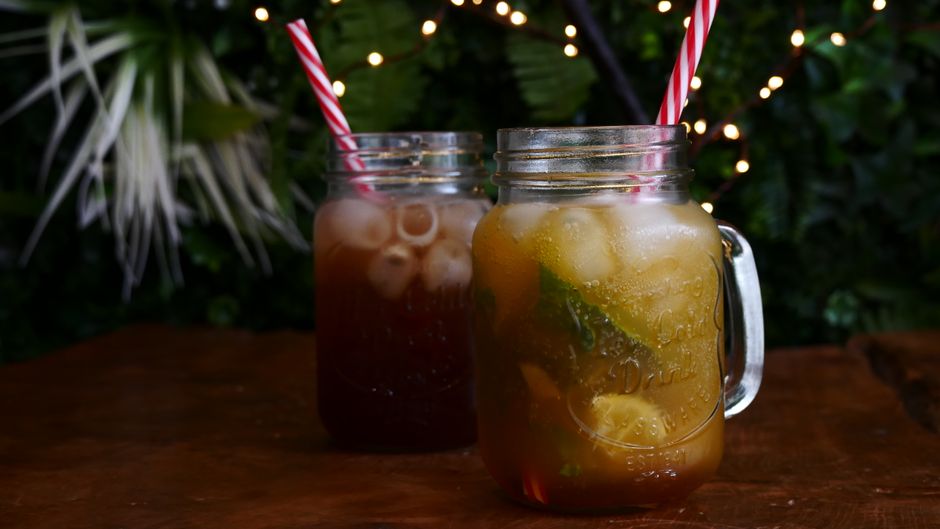
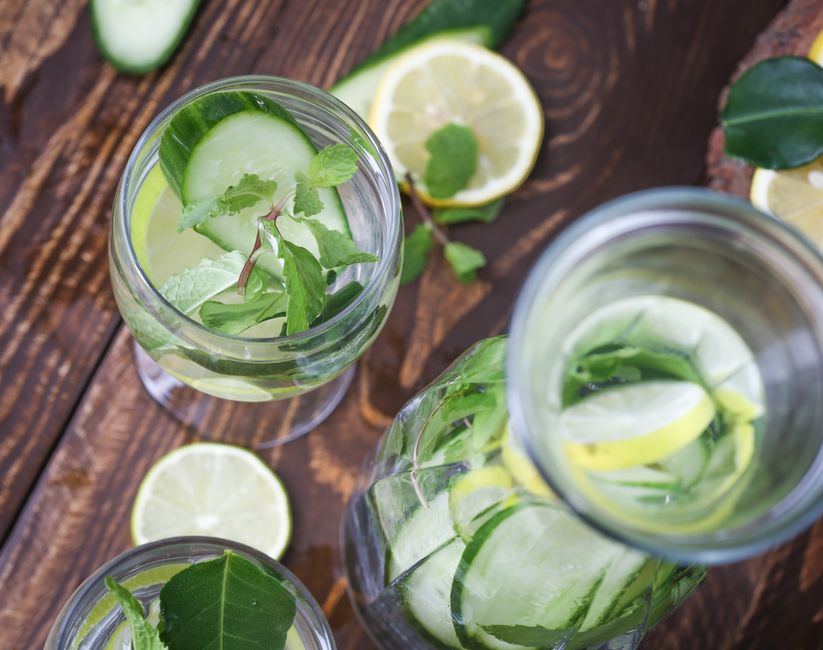
Cold-Brew Green Tea with Mint and Lemon
- 4 green tea bags
- 1 liter cold filtered water
- 6-8 fresh mint leaves
- 2 thin lemon slices
Combine in a pitcher or large jar. Refrigerate for 8-12 hours. Remove bags and leaves. Serve over ice. Lasts 3-4 days refrigerated.
Hibiscus-Ginger Herbal Cold Brew
- 3 tablespoons dried hibiscus flowers (or 3-4 hibiscus tea bags)
- 1-inch piece fresh ginger, thinly sliced
- 1 liter cold water
- Optional: a few drops of honey or a slice of orange
Combine in a jar, refrigerate overnight. Strain and serve over ice. The color alone makes it feel like a treat.
Shopper’s Guide: What to Look for on the Label
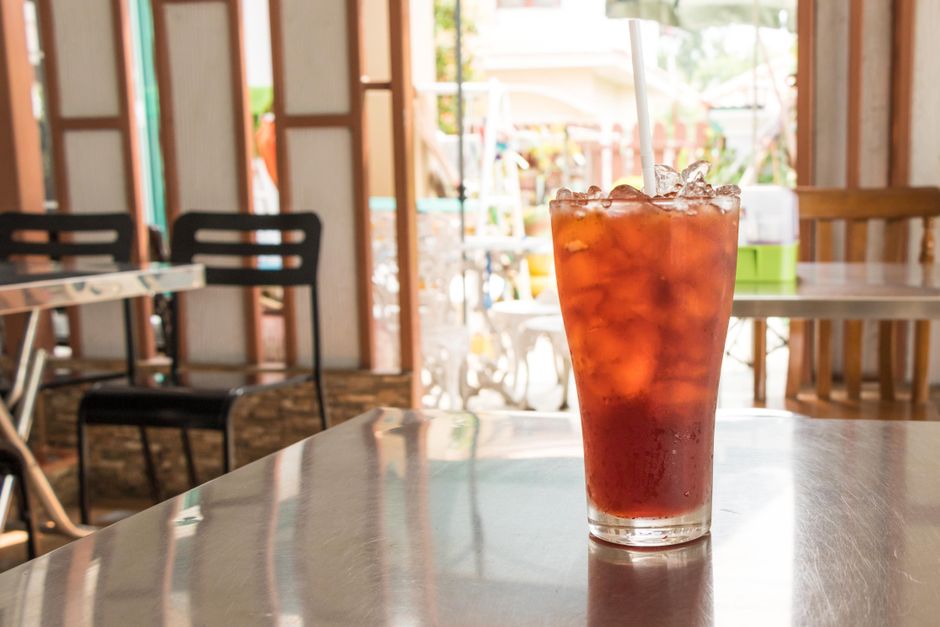
When buying any packaged iced tea or herbal blend, these four label checks keep your choice aligned with your wellness goals:
- Added sugar: Look for 0-5g per serving in unsweetened or lightly sweetened versions. Sweetened bottled teas can carry 25-40g of sugar per bottle, which works against rather than for your hydration goals.
- Actual tea content: Some mixes lead with “natural flavors” and contain minimal real tea. Look for tea as the first ingredient.
- Caffeine disclosure: Useful if you are managing afternoon energy or sleep.
- Serving size tricks: A single 16-oz bottle is sometimes labeled as two servings. Double-check before assuming the numbers are per bottle.
Smart grocery habits matter here. The Grocery Shopping for Balanced Nutrition Without Waste: A Practical System for Busy Families guide offers a reliable framework for evaluating packaged food purchases without spending an hour in the aisle.
The Practical Verdict
If you want the best combination of flavor, cost, and ease, cold-brew tea or herbal cold brew made at home wins across all three categories. The overnight method eliminates the main barrier: time. You spend less than 30 seconds on prep, spend under $0.40 per serving, and wake up to a full pitcher of something genuinely enjoyable.
Store-bought bottled tea is a reasonable fallback for travel days or when the fridge is empty. Powdered mixes are worth trying only if you find a brand with real tea content and minimal additives.
Choose one option from this list to try this week. Make a pitcher tonight using whichever recipe sounds most appealing, and see how it changes how much you actually drink over the next few days. Small, sustainable swaps like this are often the ones that quietly reshape a habit for good.
For more practical nutrition and hydration guidance, the Clean Body Mentor newsletter delivers weekly evidence-informed tips you can actually use.
This article is for general educational and informational purposes only and is not a substitute for medical advice, diagnosis, or treatment. Health needs vary by individual. Consult a qualified healthcare professional before making significant changes to your diet, exercise routine, supplements, medication, or treatment plan, especially if you have a medical condition, are pregnant or breastfeeding, take medication, or have concerns about your symptoms.
Sources
- NIH Office of Dietary Supplements – Tea Fact Sheet (National Institutes of Health)
- “Antioxidant capacity and phenolic content of cold-brew and hot-brew teas” – Food Chemistry (Elsevier)
- Serban C, et al. “Effect of sour tea on blood pressure” – Journal of Hypertension, 2015
- British Dietetic Association – Caffeine and Fluid Intake Guidance
- USDA FoodData Central – Nutrient profiles for brewed teas