
Walk down any supplement aisle and you will find confident promises: this probiotic will “restore your gut,” that fiber powder will “eliminate bloating,” and some fermented drink will “fix your digestion overnight.” The wellness industry has turned gut health into a marketing category, and that makes it genuinely hard to know what is worth your attention.
This article is not about dismissing digestive care. Your gut matters enormously, and digestive health connects to whole-person wellness in ways that are still being studied. The goal here is to separate strong evidence from early-stage research and outright hype so you can make decisions that fit your actual body.
What Probiotics Can and Cannot Do
Probiotics are living microorganisms, mostly bacteria and some yeasts, that may support health when consumed in adequate amounts. That is the World Health Organization’s definition, and the key word is “may.” The research is more nuanced than probiotic marketing suggests.
Here is what the evidence does support with reasonable confidence:
- Antibiotic-associated diarrhea: A Cochrane review published in 2017 found that certain probiotic strains, particularly Lactobacillus rhamnosus GG and Saccharomyces boulardii, meaningfully reduced the risk of diarrhea during antibiotic courses. This is one of the strongest clinical use cases.
- Certain types of irritable bowel syndrome (IBS): Some studies suggest specific strains may reduce IBS symptoms such as abdominal pain and irregular bowel habits. However, strain selection matters enormously. A product containing one species does not automatically produce the benefits studied in a trial using a different species.
- Infectious diarrhea in children: Evidence from multiple trials, summarized by the American Academy of Pediatrics, suggests modest benefit for shortening the duration of acute gastroenteritis.
What probiotics have not been shown to do reliably for most healthy adults is “repopulate” the gut or permanently shift your microbiome. Research published in Cell (Zmora et al., 2018) found that after probiotic supplementation, strains often did not successfully colonize the gut in many participants. Your existing microbiome and genetics appear to determine how receptive your gut is to new bacterial arrivals.
The honest takeaway: Probiotics are a reasonable short-term tool for specific situations, particularly around antibiotic use. For general gut health in a healthy adult, the evidence is thinner than most supplement labels imply. If you are curious about probiotics for a specific condition, a registered dietitian or gastroenterologist can help you match a strain to your situation rather than guessing from a label.

Fiber: How Much You Actually Need and Why Type Matters
Fiber gets a lot of well-deserved attention. The U.S. Dietary Guidelines for Americans recommend 22 to 34 grams per day for adults, depending on age and sex. Most Americans consume closer to 15 grams daily. That gap is real and worth addressing.
But the digestive health myths around fiber are also worth clearing up:
Myth: More fiber is always better. Rapidly increasing fiber intake without increasing hydration is one of the most common reasons people experience bloating, cramping, and constipation. Your gut microbiome needs time to adapt. Gradual increases of 5 grams every few days tend to work better than a sudden jump.
Myth: All fiber works the same way. Soluble fiber (found in oats, beans, apples, and flaxseed) dissolves in water and forms a gel that slows digestion, supports blood sugar stability, and feeds beneficial gut bacteria. Insoluble fiber (found in wheat bran, vegetable skins, and whole grains) adds bulk and speeds transit time. Both matter, and whole foods tend to deliver a mix that supplements rarely replicate. For practical food ideas, high-fiber snacks that actually keep you full can help you increase intake without relying on powders.
What research does clearly support: Dietary fiber from whole foods is consistently linked to lower risk of colorectal cancer, cardiovascular disease, and type 2 diabetes, according to a large meta-analysis published in The Lancet (Reynolds et al., 2019). The protective effects were strongest in people consuming 25 to 29 grams per day from food sources, not supplements.

Why You Are Bloated (It Is Usually Not What You Think)
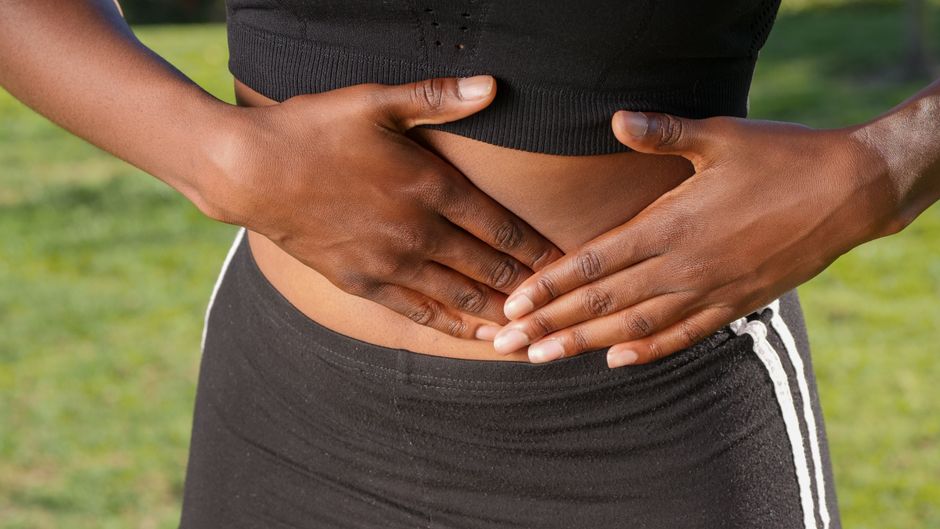
Bloating is one of the most misunderstood digestive experiences. Many products position themselves as bloat cures, but bloating is a symptom with many possible causes, not a single condition.
Some of the most evidence-supported contributors include:
- Gas production from fermentation: When gut bacteria ferment certain carbohydrates, they produce gas. This is normal and even a sign of a fed microbiome. High-FODMAP foods (fermentable carbohydrates in onions, garlic, beans, and wheat) are common triggers for people with sensitive guts.
- Eating speed and air swallowing: Eating quickly, drinking carbonated beverages, or chewing gum can increase swallowed air, contributing to distension.
- Constipation: Slowed transit time leads to more fermentation time and gas buildup. Staying hydrated and moving your body regularly support healthy motility. Hydration timing around meals can also play a small but meaningful role.
- Hormonal fluctuations: Many people with menstrual cycles experience cyclical bloating driven by progesterone and estrogen shifts, not food at all.
- Underlying conditions: Persistent or severe bloating warrants medical attention. Conditions such as celiac disease, small intestinal bacterial overgrowth (SIBO), and inflammatory bowel disease all require diagnosis and individualized care.
There is no universal anti-bloating protocol because bloating is not universal. Identifying your specific triggers through careful observation, and working with a healthcare provider when symptoms are persistent, will serve you far better than a generic “gut reset.”

The Gut-Mood Connection: Real but Overstated
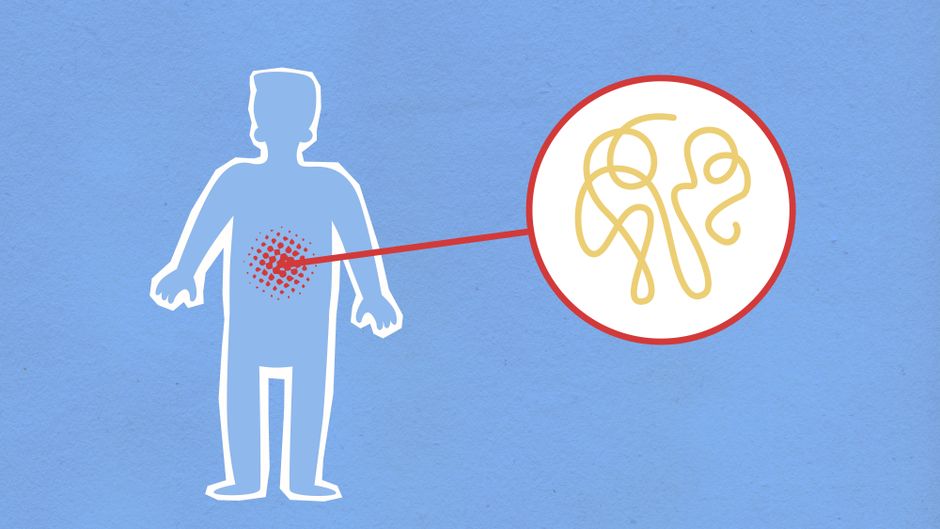
You may have heard that the gut is the “second brain.” There is genuine science behind the gut-brain axis, a bidirectional communication network linking your digestive system and central nervous system. The connection between gut health and mood is a legitimate area of active research.
However, current evidence does not support the claim that a probiotic supplement will resolve anxiety or depression. Most human trials on the gut-brain axis are still small and short-term. Stress, sleep, physical activity, and nutrient intake all influence both gut function and mental well-being in ways that are deeply interconnected and highly individual.
What Actually Moves the Needle for Digestive Health
After looking at the evidence, a few habits consistently show up as meaningful:
- Eating a wide variety of plant foods to support microbiome diversity
- Gradually increasing fiber intake through whole foods rather than supplements
- Staying hydrated, especially when increasing fiber
- Managing chronic stress, which genuinely disrupts gut motility and microbiome balance
- Moving your body regularly, since physical activity supports intestinal transit
- Eating at consistent times, as meal timing affects digestive comfort and energy in meaningful ways
None of these are exciting product recommendations. They are also not quick fixes. But they are what the evidence keeps pointing toward.
Choose one. If you are currently eating fewer than five different plant foods per day, simply adding two or three more over the next few weeks is a realistic, low-friction place to start. Small, consistent shifts often matter more than dramatic overhauls.
For a broader look at the gut research landscape, you may also find value in what research actually says about probiotics, fiber, and digestive wellness as a companion read.
This article is for general educational and informational purposes only and is not a substitute for medical advice, diagnosis, or treatment. Health needs vary by individual. Consult a qualified healthcare professional before making significant changes to your diet, supplements, or treatment plan, especially if you have a medical condition or ongoing digestive symptoms.
Sources
- Goldenberg JZ et al. “Probiotics for the prevention of Clostridium difficile-associated diarrhea in adults and children.” Cochrane Database of Systematic Reviews, 2017.
- Zmora N et al. “Personalized Gut Mucosal Colonization Resistance to Empiric Probiotics Is Associated with Unique Host and Microbiome Features.” Cell, 2018.
- Reynolds AN et al. “Carbohydrate quality and human health: a series of systematic reviews and meta-analyses.” The Lancet, 2019.
- U.S. Dietary Guidelines for Americans 2020-2025, USDA and HHS.
- World Health Organization definition of probiotics, Joint FAO/WHO Working Group Report, 2001.