

Your skin is one of the most visible signs of what is happening inside your body. While topical products play a role, what you eat every day provides the raw materials your skin uses to renew itself, manage inflammation, and maintain a healthy barrier. If you have wondered whether foods for clear skin are backed by actual evidence, the answer is a qualified yes: specific nutrients and eating patterns consistently show up in research as relevant to skin clarity, hydration, and the appearance of common concerns like acne and dullness.
This guide walks you through the nutrients with the strongest support, the foods that deliver them, and practical ways to add them to your plate without overhauling your diet or cutting out things you enjoy.

Why What You Eat Can Affect Your Skin
Your skin cells turn over continuously. The nutrients circulating in your bloodstream influence cell membrane integrity, oil gland activity, inflammatory signaling, and collagen production. A few key mechanisms explain most of the diet-skin connection:
- Inflammation: Chronic low-grade inflammation is linked to acne, redness, and accelerated skin aging. Certain foods may calm inflammatory pathways; others can amplify them.
- Oxidative stress: Free radicals from UV exposure, pollution, and metabolic activity break down collagen and cell membranes. Antioxidant nutrients help neutralize them.
- Insulin and androgen signaling: High-glycemic meals spike blood sugar and insulin, which in turn can stimulate sebum production and clog pores. Research suggests this pathway is meaningful for acne-prone skin.
- Gut-skin axis: Emerging research points to connections between gut microbiome balance and skin conditions, though this field is still developing.
Understanding these pathways helps you see why the recommendations below are not arbitrary. They address real biological processes. For a broader look at how daily habits interact with skin appearance, the guide on Skin Health From the Inside Out: Foods, Hydration, and Habits That Support a Clearer Complexion provides a helpful companion overview.
The Nutrients With the Strongest Evidence
Omega-3 Fatty Acids
Omega-3s are anti-inflammatory by nature. They help regulate the inflammatory signals that contribute to acne, eczema, and general skin irritation. Research suggests that higher omega-3 intake is associated with a calmer inflammatory response in skin tissue.
Best sources: Fatty fish (salmon, sardines, mackerel), walnuts, flaxseeds, chia seeds, hemp seeds.
Practical tip: Aim for two servings of fatty fish per week, or add a tablespoon of ground flaxseed to a smoothie or yogurt daily if you prefer plant-based sources.
Zinc
Zinc is involved in wound healing, oil gland regulation, and immune response, making it particularly relevant for acne-prone skin. Several controlled trials have found that zinc supplementation can reduce acne lesions, though food sources are a gentler starting point before considering supplements.
Best sources: Pumpkin seeds, hemp seeds, legumes, whole grains, eggs, oysters, grass-fed beef.
Vitamin C
Vitamin C is essential for collagen synthesis. Without adequate vitamin C, your body cannot assemble collagen properly, which affects skin structure and resilience. It also functions as a potent antioxidant, helping protect skin cells from oxidative damage.
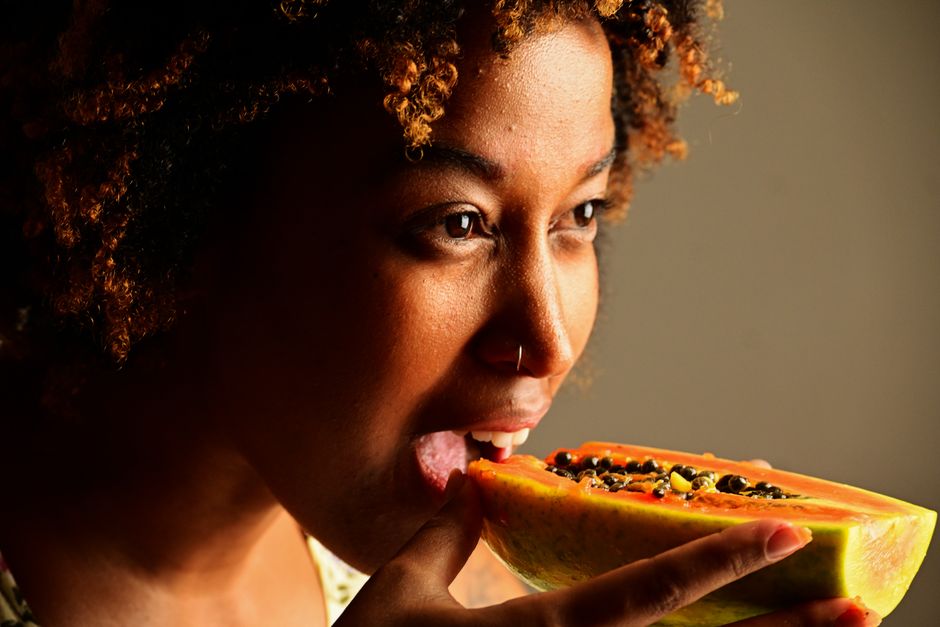
Best sources: Bell peppers, kiwi, citrus fruits, strawberries, broccoli, papaya.
Practical tip: A single red bell pepper delivers roughly twice the vitamin C of an orange and pairs well with hummus for a quick snack.
Vitamin A and Beta-Carotene
Vitamin A regulates cell turnover and sebum production. The plant form, beta-carotene, converts to vitamin A as your body needs it, making it a safe way to support skin health through food. Retinoids, the prescription and over-the-counter forms of vitamin A used topically, work on similar cellular pathways.
Best sources: Sweet potatoes, carrots, butternut squash, leafy greens, eggs.
Polyphenols and Antioxidants
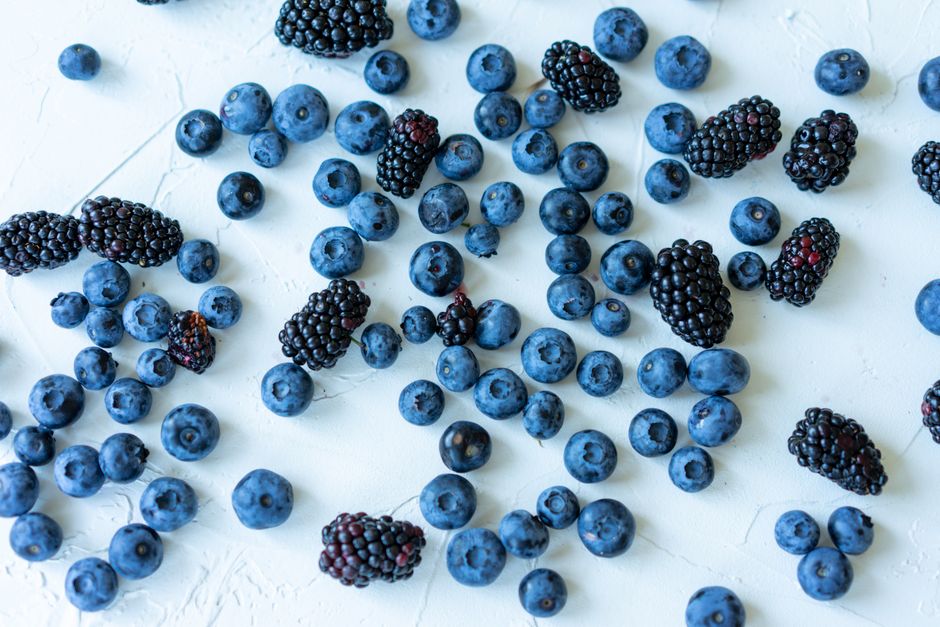
Foods rich in polyphenols, such as berries, green tea, dark chocolate, and colorful vegetables, provide antioxidants that may help protect against UV-related skin damage and support overall skin quality. Research on green tea polyphenols in particular shows promising effects on skin hydration and elasticity.
Best sources: Blueberries, raspberries, pomegranate, green tea, dark leafy greens, olive oil.

The Role of Blood Sugar and Skin Clarity
One of the most well-studied diet-skin connections involves glycemic load. High-glycemic diets, those heavy in refined carbohydrates and added sugars, can raise insulin levels and promote androgen activity, which increases sebum output and the likelihood of clogged pores.
Several clinical trials have found that switching to a lower-glycemic eating pattern led to meaningful reductions in acne. You do not need to eliminate carbohydrates entirely. The goal is balance: pairing carbohydrates with protein, fiber, or healthy fat to slow glucose absorption. For more on building meals that keep blood sugar steady, the article on Eating for Stable Energy: Nutrient Combinations That Keep You Full and Focused All Day explains the same principles from an energy perspective.

Hydration Matters More Than You Might Think
Skin hydration is partly regulated from the outside in, but adequate fluid intake also matters. Mild chronic dehydration can reduce skin elasticity and make fine lines more noticeable. Drinking enough water throughout the day, especially before and during meals, supports the skin barrier and overall cellular function. The guide on Hydration Timing for Mental Clarity and Mood: When and How Much Water Actually Affects Your Brain dives into hydration habits that carry benefits well beyond skin.
Building a Skin-Supportive Eating Pattern (Not a Special Diet)
You do not need a restrictive protocol to eat for clear skin. The pattern that consistently appears in research as beneficial for both skin and overall health looks like this:
- Plenty of colorful vegetables and fruits to cover antioxidants, vitamin C, and beta-carotene
- Fatty fish or plant-based omega-3 sources at least a few times per week
- Legumes, seeds, and whole grains to support zinc and fiber intake
- Olive oil as a primary fat for its anti-inflammatory polyphenols
- Moderate added sugar and ultra-processed food rather than complete elimination
- Adequate protein to supply amino acids for collagen and skin repair
If meal planning feels like a barrier, the beginner-friendly guide on Meal Prep for Beginners: Simple Systems to Save Time and Build Healthier Eating Habits can help you set up a realistic weekly rhythm. And if your relationship with food itself feels complicated, the article on Mindful Eating Without Restriction: How to Build a Calmer, More Intuitive Relationship with Food offers a compassionate starting point.

Common Mistakes to Avoid
- Cutting entire food groups: Eliminating dairy or gluten may help some individuals with specific sensitivities, but blanket elimination is not necessary for most people and can reduce nutrient variety.
- Focusing only on supplements: Food sources of these nutrients come packaged with fiber, water, and co-nutrients that work synergistically. Supplements can fill gaps but should not replace balanced eating.
- Expecting overnight results: Skin cell turnover takes weeks. Most diet changes take four to twelve weeks to show noticeable effects on skin. Gradual progress is the norm.
- Ignoring sleep and stress: Cortisol from chronic stress directly impairs the skin barrier and worsens inflammatory skin conditions. Nutrition is one piece of a larger picture that includes sleep, stress management, and hydration.

Frequently Asked Questions
Does dairy cause acne?
Research shows a modest association between high milk intake and acne in some studies, possibly related to hormones in milk influencing insulin-like growth factor levels. The evidence is not strong enough to recommend that everyone avoid dairy, but if you notice a personal connection, it is worth discussing with a dermatologist or registered dietitian.
Can eating more antioxidants visibly improve dull skin?
Research suggests antioxidant-rich diets may support skin luminosity and texture over time, partly by reducing oxidative damage. Results are gradual and vary by individual baseline diet and skin type.
Do collagen supplements actually help skin?
Some short-term trials show modest improvements in skin elasticity and hydration with collagen peptide supplementation, but results are mixed and the research is still maturing. Eating sufficient protein and vitamin C supports your body’s natural collagen production regardless.
Is chocolate actually bad for skin?
Plain milk chocolate with added sugar may affect insulin levels in ways that are not ideal for acne-prone skin. Dark chocolate with high cocoa content is actually rich in polyphenols and antioxidants, and modest amounts are unlikely to worsen skin for most people.
How long before diet changes affect my skin?
Skin cell turnover cycles run approximately four to six weeks. Most people who shift toward a more nutrient-dense, lower-glycemic eating pattern notice changes in skin texture or clarity within six to twelve weeks of consistent habits.
This article is for general educational and informational purposes only and is not a substitute for medical advice, diagnosis, or treatment. Health needs vary by individual. Consult a qualified healthcare professional before making significant changes to your diet, exercise routine, supplements, medication, or treatment plan, especially if you have a medical condition, are pregnant or breastfeeding, take medication, or have concerns about your symptoms.

One Realistic Next Step
Choose a single change from this article that feels easy to start this week. It might be adding a handful of berries to breakfast, swapping refined crackers for a mix of vegetables and hummus, or cooking one salmon dinner instead of your usual takeout. Small, consistent shifts in eating patterns compound over time into real results for your skin and your overall well-being.
For a deeper look at how lifestyle habits work alongside food to support your complexion, explore the full overview at Skin Health From Inside Out: The Foods and Habits That Visibly Improve Your Complexion. You can also subscribe to the Clean Body Mentor newsletter for practical weekly guidance delivered straight to your inbox.