

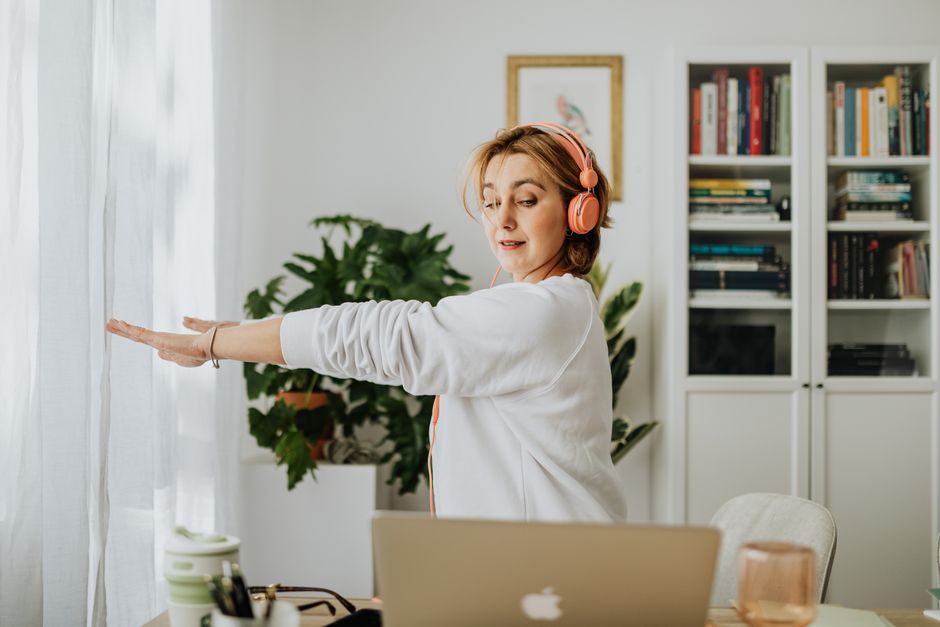
Your body was not designed to hold one position for eight hours. Yet for millions of office workers, that is exactly what happens every single weekday. By the time you stand up after a long stretch at your desk, your hips feel like rusted hinges, your shoulders have quietly crept toward your ears, and your lower back aches with a familiar, nagging tightness.
This is not a personal failing. It is a predictable physical response to sustained, static posture. The good news is that targeted desk worker stretching routines can interrupt this pattern, restore range of motion, and help you feel more comfortable in your body throughout the day, and you do not need a gym membership, a yoga mat, or more than 10 minutes to start.
Below you will find five practical mobility routines built specifically for people who spend most of their day seated. Each one targets a common stiffness pattern, explains why it helps, and gives you clear starting instructions that work at any fitness level.
Key Takeaways Before You Start
- Desk worker stretching routines work best when they are short, consistent, and tied to existing daily cues (coffee break, lunch, end of workday).
- You do not need to be flexible to start. Mobility is a skill that improves with gradual, regular practice.
- Discomfort that is mild and muscular is generally fine. Pain that is sharp, shoots down a limb, or does not fade should prompt you to stop and consult a qualified healthcare professional.
- Five to ten minutes of targeted movement, practiced consistently, tends to produce meaningful results over weeks rather than days.
Why Sitting Stiffness Is More Than Just Discomfort
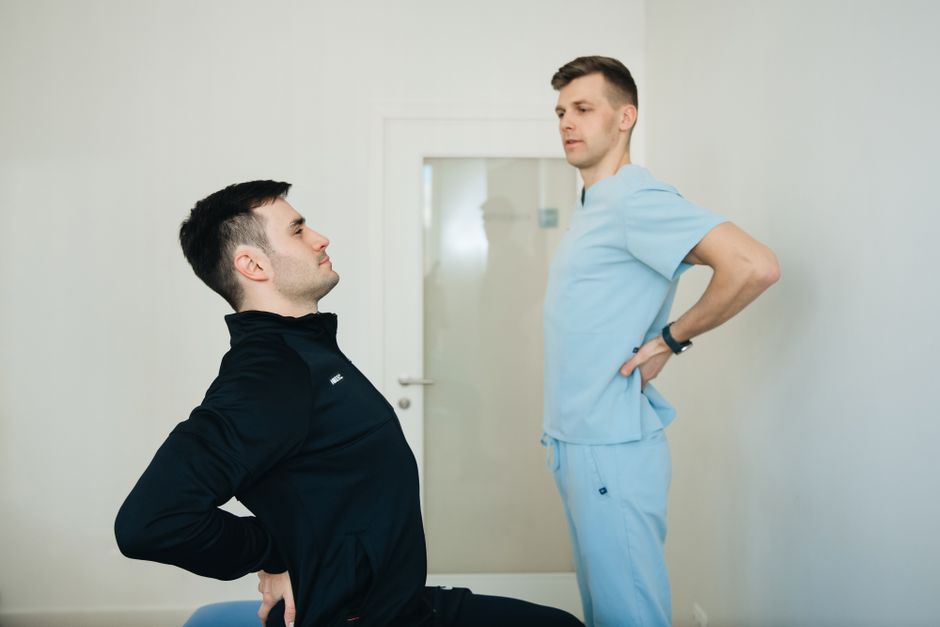
Prolonged sitting affects your body in several interconnected ways. Research suggests that extended sedentary time is associated with reduced spinal disc health, hip flexor shortening, weakened glutes, rounded shoulders, and forward head posture. These physical changes can reduce energy, affect breathing efficiency, and quietly chip away at movement confidence over time.
Movement confidence matters. When your body feels stiff and unpredictable, you tend to avoid the very activities that would help you feel better, including walking, light exercise, and recreational movement. Desk worker stretching routines act as a reset: they remind your nervous system that your body is capable, reduce the perception of effort when you do move, and gradually expand your comfortable range of motion.
For a broader look at how sitting affects movement and what you can do about it over the longer term, the Stretching and Mobility Routines for Desk Workers: Counteract Sitting and Improve Daily Movement guide is a strong companion read.

Routine 1: The Hip Flexor Reset (2 Minutes, Chair or Standing)
Why Your Hips Need This
Your hip flexors, primarily the iliopsoas group, shorten when you sit for long periods. Shortened hip flexors tilt your pelvis forward, which compresses your lower back and makes it harder to stand and walk with good alignment. This is one of the most common and most overlooked consequences of desk work.
How to Do It
- Chair version: Sit at the edge of your seat. Slide your right foot back behind you until you feel a gentle pull at the front of your right hip. Keep your torso upright and avoid arching your lower back. Hold for 20 to 30 seconds, breathe slowly, then switch sides.
- Standing version: Step your right foot back into a small lunge. Keep your back knee soft or resting on the floor if using a mat. Gently tuck your tailbone and lift your chest. Hold 20 to 30 seconds per side.
- Repetitions: Two rounds per side is enough at first.
Beginner Tip
If you feel nothing, step the back foot a little further back. If you feel sharp discomfort in the knee or lower back, reduce your range and consult a professional if it persists.
Routine 2: The Thoracic Spine Opener (2 Minutes, Chair)
Why Your Mid-Back Stiffens First
The thoracic spine, the section of your back behind your chest and ribcage, is designed to rotate and extend. Prolonged forward-leaning at a screen compresses this area into flexion and kills its natural mobility. A stiff thoracic spine forces your neck and lower back to compensate, which is a major driver of desk-related pain.
How to Do It
- Seated rotation: Sit upright in your chair. Cross your arms over your chest or place your hands behind your head lightly. Gently rotate your upper body to the right, keeping your hips facing forward. Hold 3 to 5 seconds, return to center, and rotate left. Repeat 5 times per side.
- Chair extension: Sit at the edge of your chair. Place your hands behind your head, elbows wide. Gently lean back over the top edge of the chair back to create a mild arch in your mid-back. Hold 3 to 5 seconds and return upright. Repeat 4 to 6 times.
Beginner Tip
Move slowly and breathe out as you rotate or extend. If your chair does not have a firm back edge for the extension, skip that variation and stick with seated rotation.

Routine 3: The Shoulder and Neck Release (2 Minutes, Any Position)
Why Your Shoulders Creep Up
When you concentrate on a screen, your shoulders naturally elevate and protract (round forward). Over hours, the muscles around your neck and upper trapezius hold this tension as if it were normal. Regular shoulder and neck releases interrupt this pattern and reduce the accumulated tension before it becomes a headache or chronic tightness.
How to Do It
- Shoulder rolls: Roll your shoulders backward in large, slow circles 8 to 10 times. Then roll them forward 8 to 10 times. Focus on letting them drop as low as possible at the bottom of each circle.
- Neck side stretch: Drop your right ear toward your right shoulder. Place your right hand gently on the side of your head to add a very light assist (no pulling). Hold 20 to 30 seconds. Breathe slowly and let the left side of your neck soften. Switch sides.
- Chest opener: Clasp your hands behind your lower back. Gently straighten your arms and draw your shoulder blades together. Lift your chest slightly. Hold 20 to 30 seconds.
Beginner Tip
Never force your neck into a position that produces numbness, tingling, or sharp pain. Mild stretch sensation is appropriate; neurological symptoms are not.

Routine 4: The Lower Back and Glute Reset (2 Minutes, Floor or Chair)
Why Your Lower Back and Glutes Are a Team
Weak and underactivated glutes are a direct consequence of sitting all day. When your glutes switch off, your lower back muscles try to compensate, leading to that familiar end-of-day ache. Restoring awareness and length to both areas together is more effective than treating them separately.
How to Do It
- Seated figure-four stretch: Sit upright. Place your right ankle on your left thigh just above the knee. Sit tall and gently lean forward from the hips (not by rounding your back) until you feel a stretch in your right outer hip and glute. Hold 30 seconds, switch sides. Repeat twice per side.
- Knee-to-chest (standing or lying): If you have floor access during a break, lie on your back, pull both knees toward your chest, and gently rock side to side for 30 to 60 seconds. If standing, pull one knee toward your chest while holding a wall for balance. Hold 20 seconds per side.
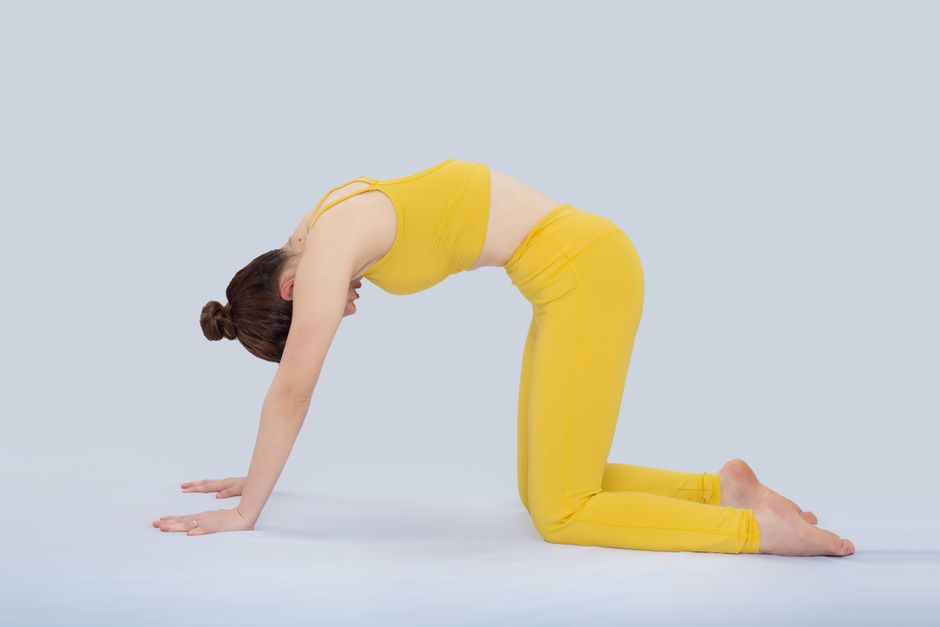
- Cat-cow (floor or chair): On all fours, alternate between arching your back toward the ceiling (cat) and letting it dip toward the floor (cow). Move slowly with your breath for 30 to 60 seconds. A seated version works by simply alternating between rounding and extending your lower back in your chair.
Beginner Tip
The figure-four stretch is particularly effective but requires sitting tall. If you feel the stretch in your knee rather than your hip, place a rolled towel under your ankle for support.

Routine 5: The Full-Body Reset Walk (2 Minutes, Hallway or Outside)
Why Walking Is the Most Underrated Desk Break
All five mobility routines above benefit from one thing: breaking the static posture pattern entirely, even briefly. A two-minute walk, done mindfully, resets fluid circulation in your spinal discs, reactivates your glutes and calves, shifts your gaze and reduces eye strain, and gently loads your whole kinetic chain in a way that no seated stretch can replicate.
How to Do It
- Set a soft reminder every 60 to 90 minutes to stand up and walk for at least two minutes.
- Walk with intention: swing your arms, take full steps, and let your gaze lift rather than keeping your head down.
- If possible, take a route that includes a small flight of stairs to add mild hip extension and calf activation.
- Combine this with one of the stretches above when you return to your desk.
If you want to build this habit into something more structured, Building a Sustainable Walking Plan for Fat Loss and Fitness Confidence shows you how to turn short walks into a progressive, rewarding practice. And for those ready to build real strength alongside their mobility work, Strength Training for Beginners at Home: Build Confidence and Lean Muscle Without Equipment or a Gym is a natural next step.

How to Put the Routines Together
You do not need to do all five routines at once. Here is a simple three-option structure based on how much time you have:
- 2-minute micro-break: Pick one routine, rotate through them across the day.
- 5-minute mid-day reset: Combine Routines 1, 2, and 3 back to back.
- 10-minute full reset (morning, lunch, or evening): Do all five routines in sequence, spending slightly longer in any area that feels particularly tight.
Consistency matters far more than perfection. Even two or three desk worker stretching routines done daily will produce noticeable improvements in comfort and movement range within two to four weeks.
For readers who want to understand how rest and recovery fit alongside active movement, Recovery Days and Active Rest: Why Your Body Needs Breaks as Much as It Needs Workouts is worth reading alongside this guide.

Common Mistakes to Avoid
- Bouncing through stretches. Static holds of 20 to 30 seconds are more effective for lengthening tissue than rapid bouncing, which can trigger a protective reflex and reduce the stretch benefit.
- Holding your breath. Breath is part of the release. Exhale as you move into a stretch and breathe slowly while you hold it.
- Skipping the thoracic spine. Most people focus only on their necks and lower backs. The mid-back is often the missing link.
- Doing too much too fast. Starting with 10 minutes a day of gentle movement is more sustainable than a 45-minute session you do once and abandon.
- Expecting overnight change. Mobility adapts gradually. Progress over perfection, every time.

Frequently Asked Questions
Q: How long will it take to notice a difference from desk worker stretching routines?
A: Most people report feeling less stiff and more comfortable within one to two weeks of daily practice. Meaningful improvements in range of motion and posture typically develop over four to eight weeks of consistent effort.
Q: Can I do these routines if I have a herniated disc or existing back injury?
A: Some of these stretches may be appropriate and others may not, depending on your specific situation. Please consult a qualified healthcare professional or physiotherapist before starting if you have a diagnosed spinal condition, nerve pain, or a history of back injury.
Q: Is it better to stretch in the morning or during the workday?
A: Both have value. Morning mobility primes your joints for the day, while midday and afternoon breaks counteract the stiffness that accumulates during sitting. If you can only choose one time, mid-afternoon tends to be when postural fatigue peaks, making it an effective moment for a reset.
Q: Do I need a yoga mat or any equipment?
A: No. All five routines in this article require only a chair and a small amount of open floor space for the optional floor-based variations. A mat adds comfort but is not necessary.
Q: What if stretching makes my stiffness worse the next day?
A: Mild muscle awareness the day after starting a new movement practice is common and usually temporary. If you experience increased pain, sharp sensations, or symptoms that radiate into your limbs, stop and speak with a qualified healthcare professional before continuing.

A Note on Safety
These desk worker stretching routines are designed for generally healthy adults experiencing common postural discomfort from prolonged sitting. They are not a substitute for physiotherapy, chiropractic care, or medical evaluation. If you have a diagnosed spinal condition, neurological symptoms, recent surgery, or joint hypermobility, please work with a qualified healthcare professional to identify which movements are appropriate for your individual needs.
Your Next Step
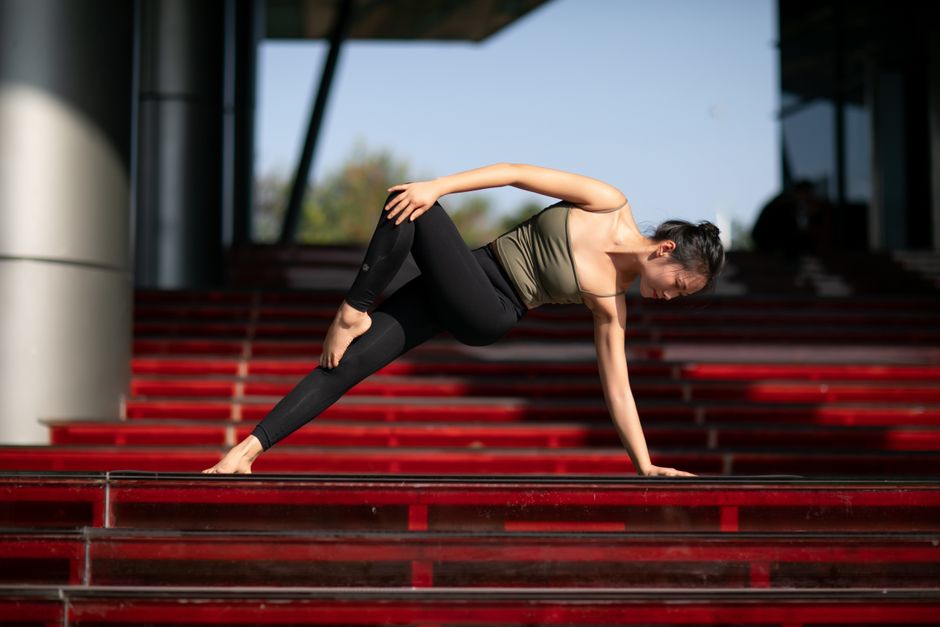
Choose one routine from this list, ideally the one that targets the area where you feel the most stiffness, and practice it consistently for the next five days. That is it. You do not need to overhaul your day or commit to a perfect schedule. One small habit, practiced reliably, is how movement confidence grows.
When that first routine feels familiar and comfortable, add a second. Over time, these small investments in mobility add up in ways that go beyond desk comfort: better posture, more energy, and a body that feels capable rather than stuck.
For more practical, evidence-informed movement and wellness guidance delivered directly to you, consider joining the Clean Body Mentor newsletter. And if you are curious about expanding your movement practice beyond stretching, the Stretching and Mobility Routines for Desk Workers: Counteract Sitting and Improve Daily Movement guide explores longer, more progressive options worth building toward.
This article is for general educational and informational purposes only and is not a substitute for medical advice, diagnosis, or treatment. Health needs vary by individual. Consult a qualified healthcare professional before making significant changes to your diet, exercise routine, supplements, medication, or treatment plan, especially if you have a medical condition, are pregnant or breastfeeding, take medication, or have concerns about your symptoms.