Bone health rarely gets the attention it deserves until something goes wrong. A fracture, a diagnosis of osteopenia, or a reminder from a doctor that bone density peaks in early adulthood and declines with age can suddenly make skeletal health feel urgent. The encouraging news is that your bones are living tissue. They respond to the stress you place on them, and research suggests that consistent weight-bearing and resistance activity may meaningfully support bone strength at almost any age.
This tutorial explains why certain types of movement stimulate bone formation, walks you through a practical progression of bone density exercises at home, and helps you build a weekly routine that fits real life without requiring a gym membership or special equipment.
Why Exercise Matters for Bone Density
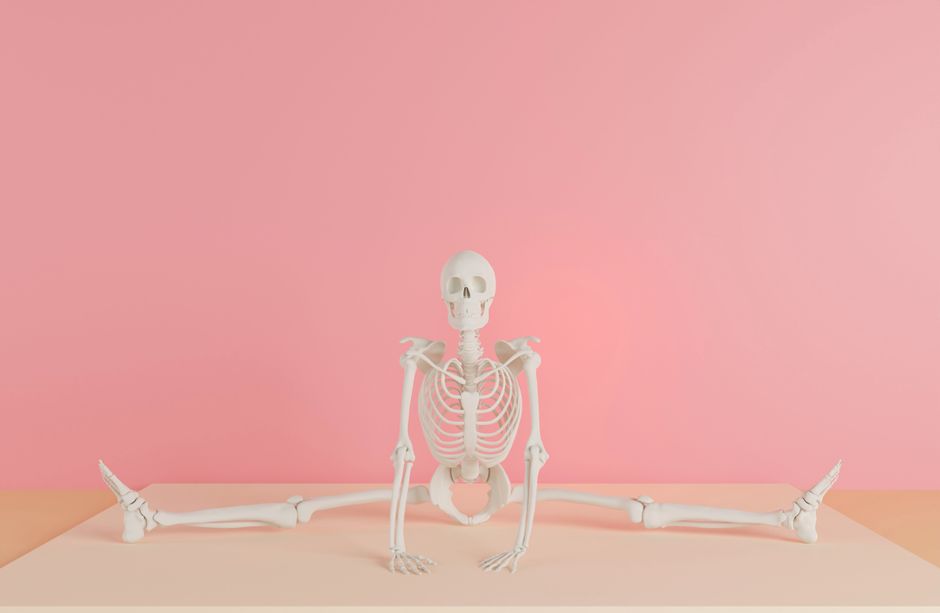
Bone is constantly being remodeled. Cells called osteoclasts break down older bone tissue, while osteoblasts build new bone in its place. When mechanical stress (from movement, impact, or muscle pulling on bone) is applied regularly, the remodeling process tilts in favor of building. When you sit still for long periods or avoid load-bearing activity, the process can shift the other way.
Peak bone mass is generally reached by your late twenties to early thirties. After that, the goal shifts to slowing the natural rate of bone loss. For women especially, the drop in estrogen around menopause accelerates this loss, which is one reason bone density exercises at home matter even more after age 40. (If you are in that stage of life, the guide on Strength Training for Women Over 40: Build Muscle, Bone Density, and Confidence at Home offers additional context tailored to that transition.)
Two categories of exercise have the strongest evidence for supporting bone density:
- Weight-bearing impact activity: Any movement where your feet strike the ground and your skeleton must absorb force. Walking, jogging, jumping, and stair climbing all qualify.
- Resistance or strength training: Muscle contractions pull on the bones they attach to. That mechanical tension signals bone-forming cells to get to work.
Swimming and cycling, while excellent for cardiovascular health and joint comfort, are not weight-bearing in this sense and provide less skeletal stimulus on their own.
Getting Started: What You Need to Know Before You Begin
Assess Your Starting Point
If you have been diagnosed with osteoporosis, have a history of stress fractures, are recovering from an injury, or have not been physically active for a long time, please speak with a qualified healthcare professional before starting a new exercise program. Some high-impact moves may not be appropriate until you build a strength foundation.
For most healthy adults who are reasonably active, the exercises below offer a safe and progressive starting point.
What You Will Need
- A clear floor space roughly the size of a yoga mat
- Supportive footwear with cushioning for any jumping or stepping work
- A sturdy chair or wall for balance support as needed
- Optional: a resistance band or a pair of light dumbbells if you have them
No equipment is required for the foundation level. Bodyweight alone creates meaningful mechanical load when applied with good form and progressive challenge.
The Core Principles of Bone-Building Exercise
Before diving into specific movements, three principles are worth understanding:
- Progressive overload: Your bones adapt to the stress they experience. Once they adapt, you need to gradually increase demand. This means adding reps, adding load, or increasing impact over time.
- Variety of direction: Bone responds best to stress from different angles, not just up and down. Lateral steps, diagonal lunges, and rotational movements all contribute.
- Consistency over intensity: A moderate routine practiced three to four times per week is more effective than sporadic intense sessions. Recovery matters too. You can read more about why rest supports your overall fitness results in Recovery Days and Active Rest: Why Your Body Needs Breaks as Much as It Needs Workouts.
Foundation Level: Bone Density Exercises at Home With No Equipment
Start here if you are new to strength training, returning after time off, or building your confidence before adding impact.
Bodyweight Squats
Stand with your feet hip-width apart. Lower your hips as if sitting back into a chair, keeping your chest lifted and knees tracking over your toes. Push through your heels to return to standing.
- Start with 2 sets of 10 reps
- Focus on control on the way down (3 seconds down, 1 second up)
- Progress to 3 sets of 15 before adding load
Hip Hinges and Deadlift Patterns
Stand tall, then push your hips back while keeping a soft bend in your knees and a long spine. Think of closing a car door with your backside. This pattern loads the hamstrings, glutes, and spine, all of which have key bone-supporting roles.
- Start with 2 sets of 10
- Keep the movement slow and deliberate
Wall Push-Ups and Floor Push-Ups
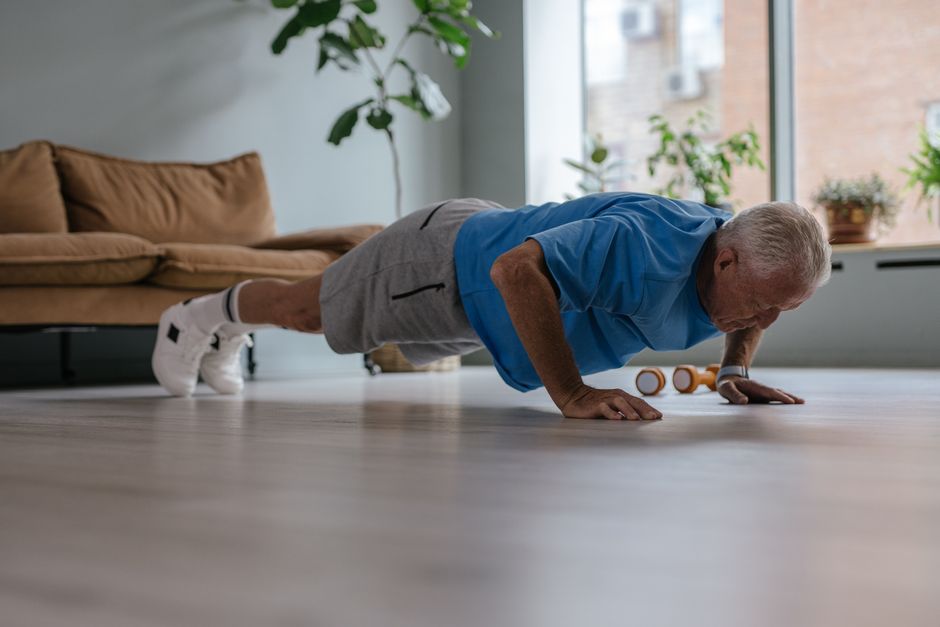
Upper body pushing patterns load the wrists, forearms, and spine. Begin with wall push-ups if floor push-ups feel too demanding. As you build strength, progress to an incline surface and then to the floor.
- Start with 2 sets of 8-12 reps
Calf Raises
Stand with feet hip-width apart, rise onto the balls of your feet, and lower slowly. Research suggests that calf raises and heel drops may be particularly useful for loading the ankle and lower leg bones. Hold a chair for balance if needed.
- Start with 2 sets of 15 reps
- Progress by doing them on one leg at a time
Step-Ups
Using a sturdy step, stair, or low platform, step up with one foot, bring the other foot up to meet it, then step back down. This single-leg loading is excellent for hip and femur (thigh bone) strength.
- Start with 2 sets of 8 per side
- Increase height gradually over several weeks
Intermediate Level: Adding Impact and Challenge
Once you can complete the foundation exercises with control and confidence for three to four weeks, you can layer in light impact work and increase resistance.
Marching in Place With High Knees
Begin with brisk marching, then progress to bringing your knees up toward hip height. The ground contact in marching provides gentle impact stimulus. This is a good transition between walking and jogging impact levels.
Jump Rope or Skipping Variations
Even simulated jump rope (arms moving in the motion without a rope) creates an impact stimulus from landing. If you have a rope, short intervals of 20-30 seconds are effective. Land softly with knees slightly bent.
Lateral Bounds
From a slight squat, push off one foot to step or lightly hop sideways onto the other foot. The lateral direction challenges bones and muscles in a plane that everyday walking does not reach.
- Start with controlled lateral steps, then add a small hop as confidence grows
- 2 sets of 8-10 reps per direction
Reverse Lunges
Step one foot back and lower your back knee toward the floor, keeping your front shin roughly vertical. Push back to standing. This loads the hip, femur, and knee in a position that mimics real-life movement.
- 2-3 sets of 10 per leg
Resistance Band or Dumbbell Rows
If you have a resistance band, anchor it at waist height and pull the handles toward your torso. This loads the upper spine and shoulder girdle bones, areas often overlooked in bone health conversations.
- 2-3 sets of 12-15 reps
For a complete beginner framework that complements these exercises, see Strength Training for Beginners at Home: Build Confidence and Lean Muscle Without Equipment or a Gym and Building a Sustainable Strength Training Routine at Home: Progressive Workouts From Bodyweight to Basic Equipment.

Sample Weekly Schedule
You do not need to exercise every day to support bone health. A schedule that alternates effort and recovery is both effective and sustainable.
| Day | Focus |
|---|---|
| Monday | Foundation strength (squats, hinges, push-ups) |
| Tuesday | Walking or light activity |
| Wednesday | Intermediate strength and calf work |
| Thursday | Rest or gentle stretching |
| Friday | Strength and impact (bounds, step-ups, marching) |
| Saturday | Walking with varied terrain |
| Sunday | Rest |
Walking on varied terrain, including hills and uneven surfaces, provides its own bone-loading benefits. If you want to develop a walking routine alongside this strength work, Building a Sustainable Walking Plan for Fat Loss and Fitness Confidence offers a step-by-step approach.
Nutrition That Supports Bone Formation
Exercise stimulates bone building, but your body needs the raw materials to complete the job.
- Calcium: Found in dairy, fortified plant milks, leafy greens (especially kale and bok choy), tofu, and almonds. Most adults need around 1,000-1,200 mg daily, though individual needs vary.
- Vitamin D: Essential for calcium absorption. Many people do not get enough through food alone, particularly in winter months or with limited sun exposure. Research on the relationship between vitamin D and overall health outcomes is discussed in depth in Vitamin D and Energy Levels: What the Research Shows About Sunlight, Supplements, and Seasonal Wellness.
- Protein: Muscle and bone both benefit from adequate protein intake. High-protein eating patterns are associated in research with better bone density outcomes, particularly alongside resistance training.
- Magnesium, vitamin K2, and phosphorus also play supporting roles. A varied, nutrient-dense diet that includes vegetables, legumes, whole grains, and quality protein sources tends to cover most of these needs.
For practical help building balanced meals that support your exercise routine, Eating for Stable Energy: Nutrient Combinations That Keep You Full and Focused All Day is a useful companion guide.

Common Mistakes to Avoid
Skipping the impact work entirely: Many people focus only on flexibility or low-impact movement and miss the bone-stimulating effects that ground reaction forces provide. Both resistance and impact contribute uniquely.
Progressing too fast: Jumping to plyometric moves before your joints and muscles are ready can lead to soreness or injury. Spend at least three to four weeks at each level before advancing.
Doing the same workout indefinitely: Bone adapts to familiar loads. If your routine never changes, the stimulus diminishes over time. Vary the exercises, direction, and load every few weeks.
Treating calcium supplements as a substitute for food and movement: Supplements may fill a genuine gap, but they do not replicate the combined effect of dietary calcium plus mechanical loading from exercise.
Ignoring upper body and spine: Many bone health programs focus on the hips and legs. The spine and wrists are also common fracture sites. Include push-up and row variations consistently.

Frequently Asked Questions
Can you really improve bone density with home exercises alone?
Research suggests that consistent weight-bearing and resistance exercise can slow bone loss and in some cases support modest gains in bone density, particularly in the hip and spine. Home workouts that include impact and bodyweight resistance can achieve this stimulus without gym equipment, though the response varies by individual, age, and baseline bone health.
How long does it take to see results?
Bone remodeling is a slow process. Meaningful changes in bone density typically take six to twelve months of consistent effort to show up on a DEXA scan. Strength and balance improvements, which also reduce fracture risk, often develop more noticeably within eight to twelve weeks.
Is this safe if I already have osteopenia or osteoporosis?
Exercise is generally considered beneficial for people with low bone density, but the specific types and intensities should be guided by a qualified healthcare professional or physiotherapist. Some high-impact or spinal flexion exercises may need to be modified or avoided depending on your individual situation.
What if I have bad knees or joint pain?
Start with the foundation level exercises and prioritize range of motion and control over load or impact. Step-ups on a low surface, seated calf raises, and wall push-ups are all joint-friendly starting points. If pain persists, consult a physiotherapist before continuing.
Does walking count as a bone density exercise?
Walking is weight-bearing and contributes to bone health, particularly for the hip and lower spine. It is a valuable foundation activity, especially when combined with varied terrain. However, it provides less stimulus than jogging or strength training alone, so pairing it with resistance exercises tends to produce better bone outcomes.
A Note on Safety and Professional Guidance
If you have been diagnosed with osteoporosis, have experienced a fragility fracture, take medications that affect bone metabolism, or have a condition that limits your balance or mobility, please consult a qualified healthcare professional before starting this or any new exercise program. A physiotherapist or exercise physiologist can help you modify movements to match your current bone health status and reduce injury risk.
This article is for general educational and informational purposes only and is not a substitute for medical advice, diagnosis, or treatment. Health needs vary by individual. Consult a qualified healthcare professional before making significant changes to your diet, exercise routine, supplements, medication, or treatment plan, especially if you have a medical condition, are pregnant or breastfeeding, take medication, or have concerns about your symptoms.
Start Small and Stay Consistent
You do not need a gym, expensive equipment, or hours of free time to support your bone health. The foundation exercises in this tutorial, practiced three to four times a week with gradual progression, give your skeleton a consistent reason to stay strong.
Choose one exercise from the foundation level and commit to it this week. Add a second move the following week. Small, regular deposits of mechanical stress add up over months and years in ways that matter for how you feel, move, and function as you age.
For a broader approach to building sustainable movement habits into a busy life, the guide on Building a Home Strength Routine as a Busy Parent: Real Workouts That Fit Into Family Life shows how to make strength training genuinely fit your schedule. And if you would like practical weekly wellness guidance delivered to your inbox, consider joining the Clean Body Mentor newsletter for evidence-informed tips you can actually use.