
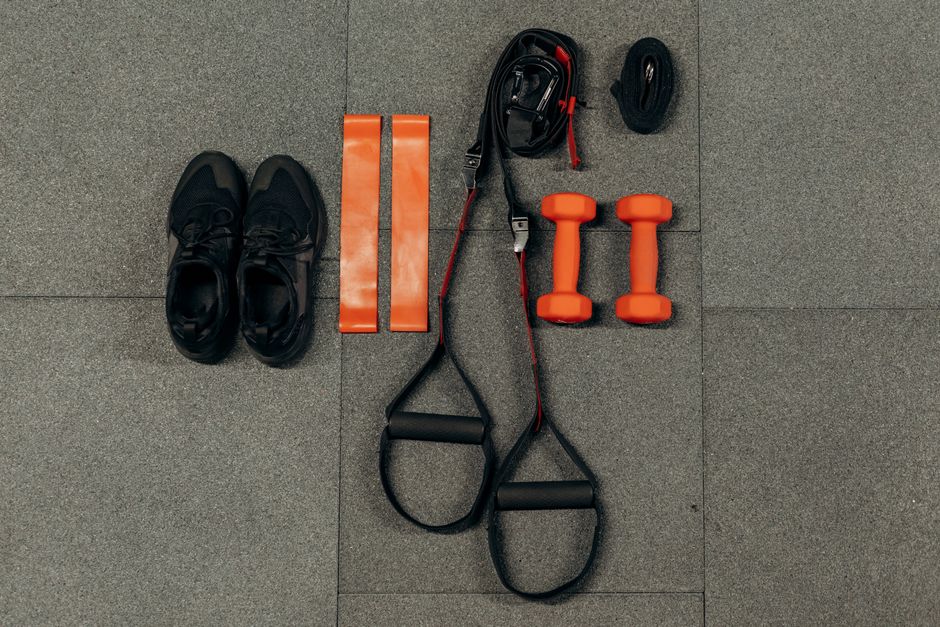
You have cleared out a corner of the living room, you are serious about building strength at home, and now you are staring at two options online: a set of resistance bands for around $20 or a pair of adjustable dumbbells that might cost $150 or more. Both promise results. Both have enthusiastic fans. Which one actually delivers?
The short answer is that both tools can support meaningful muscle growth and fat loss when used consistently. The better question is which one fits your budget, space, goals, and training experience right now. This comparison lays out the honest tradeoffs.
How Each Tool Builds Muscle
Muscle growth, technically called hypertrophy, happens when your muscles face enough mechanical tension and fatigue over time. Research published in journals tracked by the National Strength and Conditioning Association consistently shows that the stimulus for growth matters more than the specific tool used, as long as you are training close to your effort limit and progressively increasing the challenge.
Resistance bands create tension through elastic stretch. The resistance increases as the band lengthens, which means the hardest part of the movement is usually at the top. This can be useful for exercises like squats and rows, where your muscles are strongest in the extended position. Bands are also joint-friendly because they reduce compressive force, making them a reasonable starting point if you are working around discomfort or returning to movement after time off. Check out the Resistance Band Workouts for Beginners at Home: Build Strength and Confidence Without Weights or Machines guide for a practical starting plan.
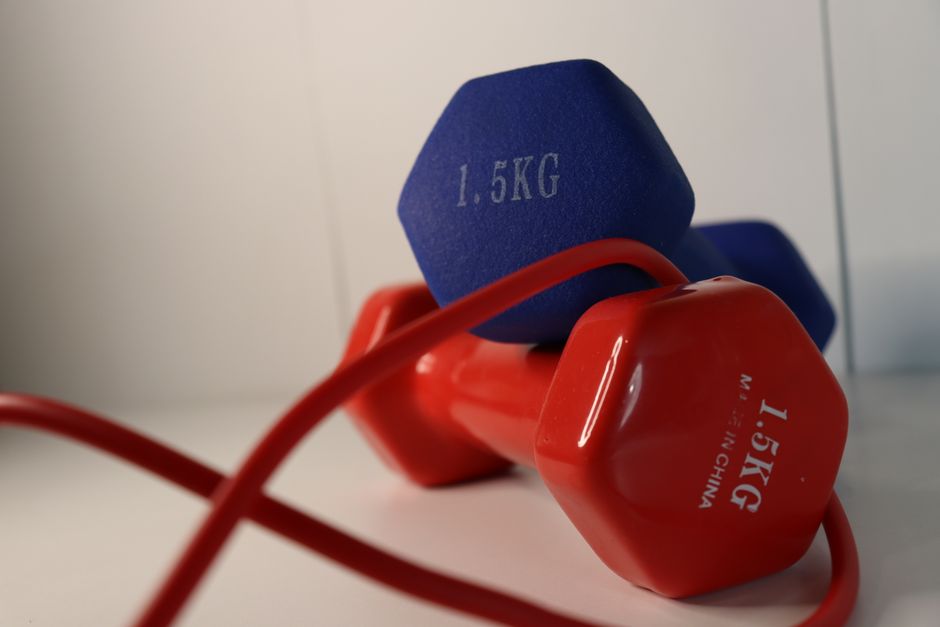
Dumbbells provide constant, gravity-based resistance throughout the full range of motion. They closely mimic the load patterns used in decades of hypertrophy research, which makes progression and comparison straightforward. Picking up a heavier dumbbell is an immediate, tangible step forward in your program.
For pure muscle-building effectiveness over the long run, dumbbells have a slight edge because the resistance curve is more predictable and adding load is simpler. However, research published in the Journal of Human Kinetics (2019) found that elastic resistance training produced comparable muscle activation to free weights in several lower-body exercises, suggesting bands are far from ineffective.
Cost: What You Actually Spend
This is where resistance bands win clearly.
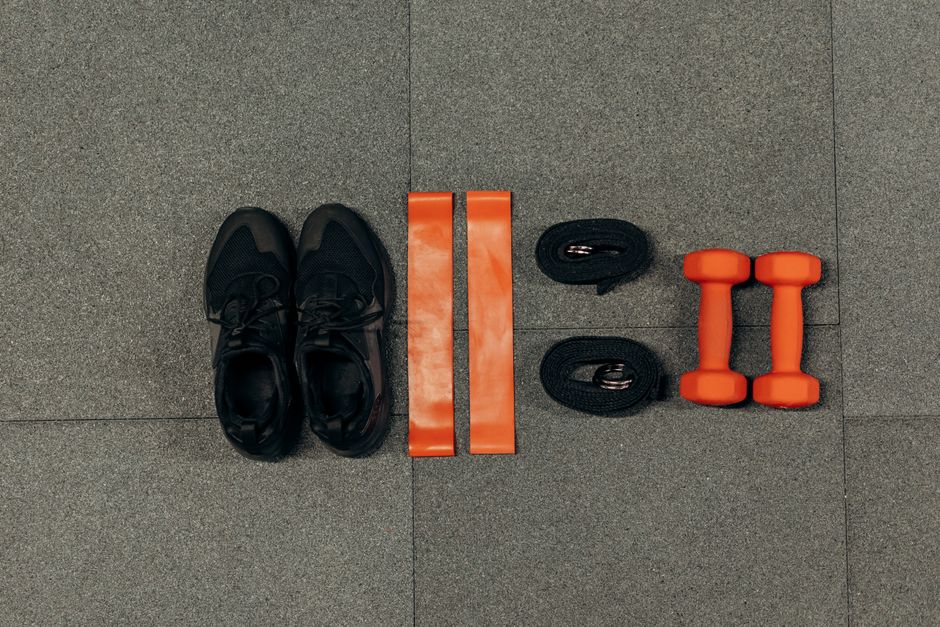
- A quality set of loop bands or tube bands with handles typically costs $15 to $40 and covers a wide range of exercises.
- A single pair of fixed dumbbells at a moderate weight runs $30 to $60. A full set from light to heavy can run $150 to $400+.
- Adjustable dumbbells reduce the space problem but still start at roughly $100 to $200 for a decent pair.
If budget is your primary constraint right now, bands let you start training today without financial stress. If you can invest more, dumbbells scale with you more reliably as strength increases.
Space: Living Room vs. Storage Closet
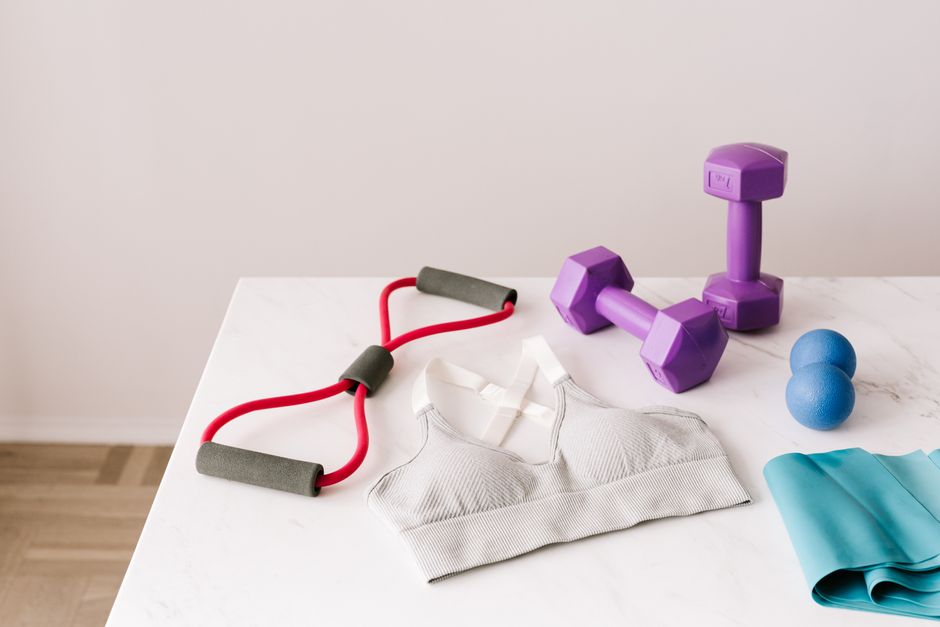
Resistance bands are the clear winner here. A full set rolls into a small bag you can hang in a closet or tuck in a drawer. They travel easily, which matters if you move frequently or want to stay consistent on trips.
Dumbbells take up floor space, and heavier ones are not light to move around. Even an adjustable pair needs a stable surface and dedicated storage. If you are working in a small apartment, bands remove the logistical friction that derails consistency.
That said, if you have a corner to spare, a pair of adjustable dumbbells paired with a simple bench or step is a surprisingly complete setup. For ideas on fitting training into a busy home life, Strength Training for Busy Parents: Build Muscle and Confidence in 20-Minute Home Sessions offers realistic session structures.
Ease of Progression
This is the area where dumbbells have the clearest practical advantage.
With dumbbells, you increase weight in defined increments. You moved from 15 lb to 20 lb on your rows, and that is measurable progress you can see and feel. Progression tracking is central to any good strength plan, and dumbbells make it easy.
With bands, progression is less precise. You can move to a thicker band, double up bands, or shorten the band to increase tension, but the exact load is harder to quantify. For beginners, this is rarely a problem because the novelty of training itself drives early gains. Over time, though, advanced lifters tend to find bands limiting without additional tools.
If you are newer to home strength training, the Building a Sustainable Strength Training Routine at Home: Progressive Workouts From Bodyweight to Basic Equipment guide explains how to structure progression regardless of the equipment you choose.
Durability and Longevity
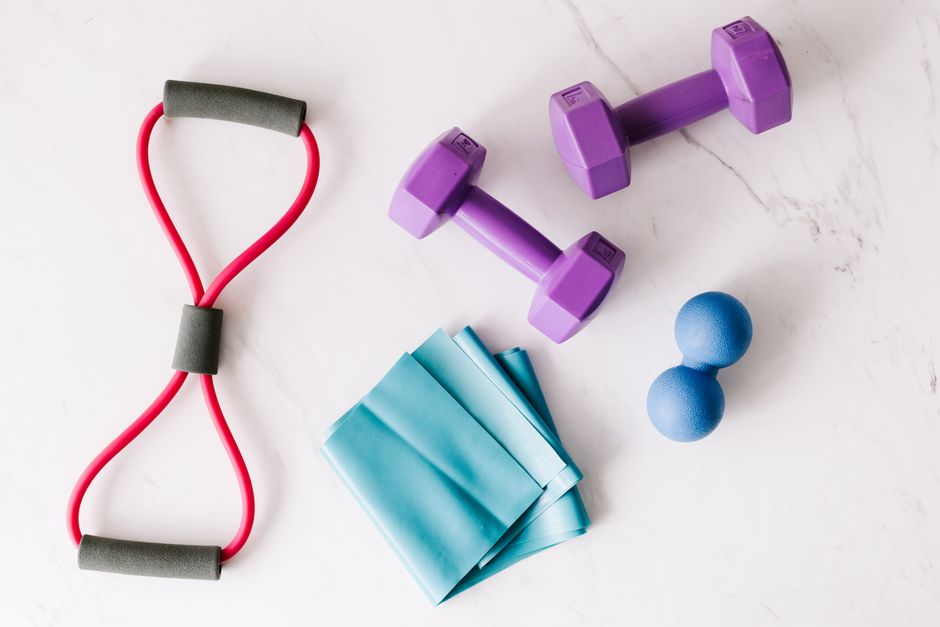
Dumbbells, particularly cast iron or rubber-coated versions, last for decades with zero maintenance. You buy them once.
Resistance bands wear out. Latex bands can crack, snap, or lose elasticity over one to three years depending on usage, UV exposure, and storage. Budget for replacement bands every year or two if you train regularly. The cost is still low, but it is not a one-time purchase.

Who Should Choose What
Resistance bands fit you well if:
- You are working with a tight budget (under $50)
- You have minimal storage space
- You are a beginner building foundational movement patterns
- You are returning to exercise after injury or postpartum recovery
- You travel often and want to stay consistent
Dumbbells fit you well if:
- You can invest $100 to $200 upfront
- You have a small dedicated training space
- You want measurable, long-term strength progression
- You are intermediate or advanced and need heavier loads
- You want a tool that never wears out
Women over 40 building bone density, for example, benefit particularly from the heavier, progressive loading that dumbbells support over time. The Strength Training for Women Over 40: Build Muscle, Bone Density, and Confidence at Home guide covers this in detail.

The Honest Recommendation
Neither tool is objectively superior. Consistency beats equipment choice every time.
If you are starting out with limited funds or space, a quality resistance band set is genuinely enough to build strength, improve body composition, and develop real training habits. If you can budget for dumbbells, they offer more reliable long-term progression with less guesswork.
The smartest move for many people is to start with bands, build the habit, and add a pair or two of dumbbells once you know which weights you actually use most. You do not need a full rack to train effectively at home.
Supporting your training with enough protein also matters as much as the equipment. The Protein Quality and Muscle Building: Comparing Plant, Animal, and Combination Sources for Home Strength Training article explains how to fuel muscle repair regardless of which tool you train with.
Pick one option, show up three days a week, and stay consistent for 60 days. That habit will do more for your results than agonizing over the perfect equipment setup.
Sources
- Lopes, J.S.S. et al. “Effects of training with elastic resistance versus conventional resistance on muscular strength.” SAGE Open Medicine, 2019. National Library of Medicine (PubMed).
- National Strength and Conditioning Association. Position statement on resistance training and hypertrophy. NSCA.com.
- American College of Sports Medicine. “Progression Models in Resistance Training for Healthy Adults.” Medicine and Science in Sports and Exercise, 2009.
This article is for general educational and informational purposes only and is not a substitute for medical advice, diagnosis, or treatment. Health needs vary by individual. Consult a qualified healthcare professional before making significant changes to your diet, exercise routine, supplements, medication, or treatment plan, especially if you have a medical condition, are pregnant or breastfeeding, take medication, or have concerns about your symptoms.