
You grab a granola bar, head to your workout, and twenty minutes in your energy drops off a cliff. Or you eat something more substantial and spend the next half-hour feeling like you are moving a brick through your midsection. Both experiences are common, and both are avoidable with a little intentional pairing.
A pre-workout snack that supports stable energy is not about eating less or eating perfectly. It is about choosing the right macronutrient ratio, portion size, and timing for the kind of movement you are actually doing.
Why Most Quick Snacks Fall Short
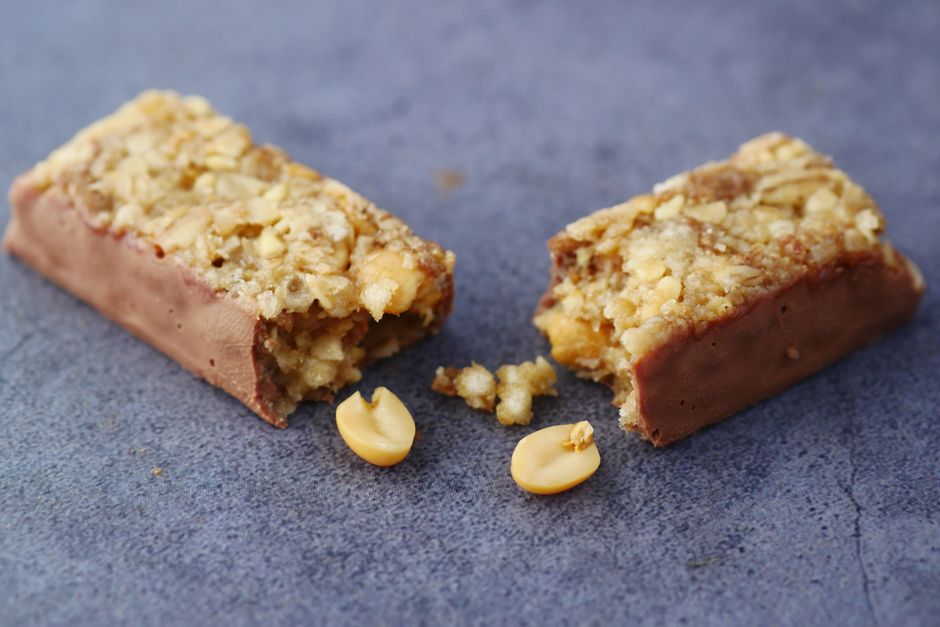
Simple carbohydrates, like a piece of fruit juice, a handful of crackers, or a sugary energy chew, digest quickly. That speed produces a fast rise in blood glucose, which may give you a brief surge of energy. The problem is the response that often follows: as insulin rises to clear that glucose, energy can drop noticeably before your workout even hits its stride.
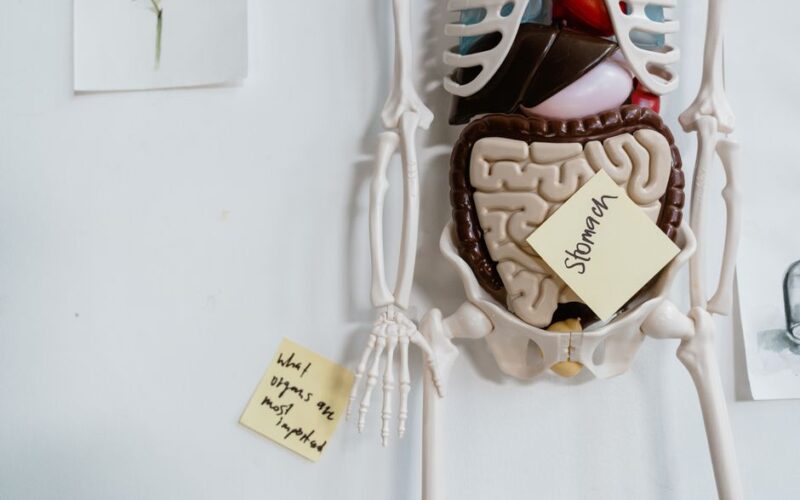
On the other end, a snack heavy in fat or raw fiber, or a large protein portion eaten too close to exercise, slows gastric emptying. That means your digestive system is competing with your muscles for blood flow during movement, which can cause cramping, bloating, or a general feeling of heaviness.
The sweet spot for a pre-workout snack energy stable enough to carry you through is a combination of moderate-glycemic carbohydrates, a small amount of protein, and minimal but strategic fat, sized and timed relative to when and how hard you plan to move. Research published in the Journal of the International Society of Sports Nutrition supports the idea that combining carbohydrates with a moderate protein source before exercise can support performance and reduce muscle breakdown compared to fasting before a session.
For a deeper look at how macro pairing affects energy across your day, How to Pair Foods for Natural Energy Without Afternoon Crashes covers the underlying reasoning in more detail.

The Timing Window and Why It Changes Everything
Timing is as important as food choice. A general framework to work from:
- 30 minutes before: Keep it small and easy to digest. Think liquid or semi-liquid options with fast-absorbing carbohydrates and minimal fat or fiber.
- 45 to 60 minutes before: A slightly larger snack with a bit more protein and a small amount of fat becomes appropriate because digestion has more time to progress before you hit peak effort.
- More than 90 minutes before: This is closer to a small meal, and you have room to include more fiber and fat without discomfort during exercise.
Meal timing matters beyond workouts too. If you want to understand why the clock matters as much as the plate, Meal Timing for Stable Blood Sugar and Sustained Energy goes into the physiology in a practical, accessible way.
Real-Food Combinations That Work
Here are specific combinations organized by timing and workout type. These are whole-food options that require no powders or specialty products.
For Low-to-Moderate Intensity (Walking, Yoga, Light Strength Work)
30 to 45 minutes before:
- Half a banana with a tablespoon of almond butter
- A small bowl of plain oats with a drizzle of honey (no milk)
- Rice cake with a thin layer of tahini and a few sliced strawberries
These combinations provide quick-access carbohydrates with just enough fat or protein to smooth the glycemic curve. Portions stay small because the intensity is lower and your carbohydrate need is modest.
For Moderate-to-High Intensity (Running, HIIT, Heavier Lifting)
45 to 60 minutes before:
- Toast with mashed avocado and two slices of turkey or a soft-boiled egg
- Greek yogurt (plain, full-fat) with a tablespoon of granola and a small handful of blueberries
- Cottage cheese on a whole-grain cracker with sliced cucumber
These options layer fast carbohydrates with a protein source that can begin supporting muscle tissue during the session. Fat content is kept moderate so gastric emptying stays reasonable within the time window.
For home-based strength sessions specifically, Building Intuitive Strength at Home: Why Bodyweight Progression Works Better Than Heavy Weights for Beginners pairs well with this snacking strategy if you are newer to structured movement.
For Endurance or Long Sessions (Cycling, Longer Runs, Cardio Over 60 Minutes)
60 minutes before:
- Sweet potato with a spoonful of nut butter and a pinch of salt
- Oatmeal made with water, topped with a tablespoon of chia seeds and a small handful of raisins
- Two rice cakes with smoked salmon and a thin smear of cream cheese
Endurance activity depletes glycogen stores more heavily, so a slightly larger carbohydrate portion is appropriate. The chia seeds and smoked salmon options add omega-3 fatty acids, which research suggests may support a modest reduction in exercise-related inflammation over time (National Institutes of Health, Office of Dietary Supplements).

What to Limit Before a Workout
Certain foods consistently disrupt comfort during exercise, not because they are unhealthy in general, but because of timing:
- High-fiber raw vegetables (broccoli, cabbage, raw onion): ferment in the gut and can produce gas during movement
- Large portions of legumes: excellent nutrition, but require more digestion time than the pre-workout window usually allows
- Dairy-heavy meals for those with lactose sensitivity: bloating can intensify during physical activity
- Fried or heavily seasoned foods: slow gastric emptying and may increase acid reflux risk during high-effort work
If digestion is already a challenge before you add exercise into the equation, Why Your Afternoon Digestion Feels Heavy and Four Foods That Actually Lighten It addresses that pattern with specific food adjustments.

Hydration as Part of the Pre-Workout Equation
A snack alone cannot stabilize your energy if you arrive at a workout dehydrated. Even mild dehydration, defined by the American College of Sports Medicine as a loss of just one to two percent of body weight in fluid, can meaningfully reduce endurance and focus.
Aim to drink six to eight ounces of water alongside your pre-workout snack. Avoid large volumes immediately before high-intensity work, which can cause sloshing and discomfort.
Recovery Follows from What You Eat Before
A stable pre-workout snack also sets up a smoother recovery. When your blood sugar does not spike and crash before exercise, you are less likely to feel ravenous or exhausted immediately after. For what to reach for once the session ends, Five Underrated Recovery Foods That Rebuild Energy and Repair Muscle After Hard Workouts offers a practical follow-up.
One Action to Start With
Choose one combination from the list above that fits your schedule and your usual workout type. Try it consistently for one week before you add anything else. Small, repeatable choices tend to build more sustainable habits than overhauling everything at once.
If you want ongoing, practical guidance on fueling movement and building healthier everyday habits, consider joining the Clean Body Mentor newsletter for weekly tips delivered without overwhelm.
This article is for general educational and informational purposes only and is not a substitute for medical advice, diagnosis, or treatment. Health needs vary by individual. Consult a qualified healthcare professional before making significant changes to your diet, exercise routine, supplements, medication, or treatment plan, especially if you have a medical condition, are pregnant or breastfeeding, take medication, or have concerns about your symptoms.
Sources
- Kerksick, C.M. et al. (2017). International Society of Sports Nutrition position stand: nutrient timing. Journal of the International Society of Sports Nutrition, 14(33). https://jissn.biomedcentral.com/articles/10.1186/s12970-017-0189-4
- National Institutes of Health, Office of Dietary Supplements. Omega-3 Fatty Acids Fact Sheet for Health Professionals. https://ods.od.nih.gov/factsheets/Omega3FattyAcids-HealthProfessional/
- American College of Sports Medicine. (2016). Exercise and Fluid Replacement Position Stand. Medicine and Science in Sports and Exercise, 39(2), 377-390.