

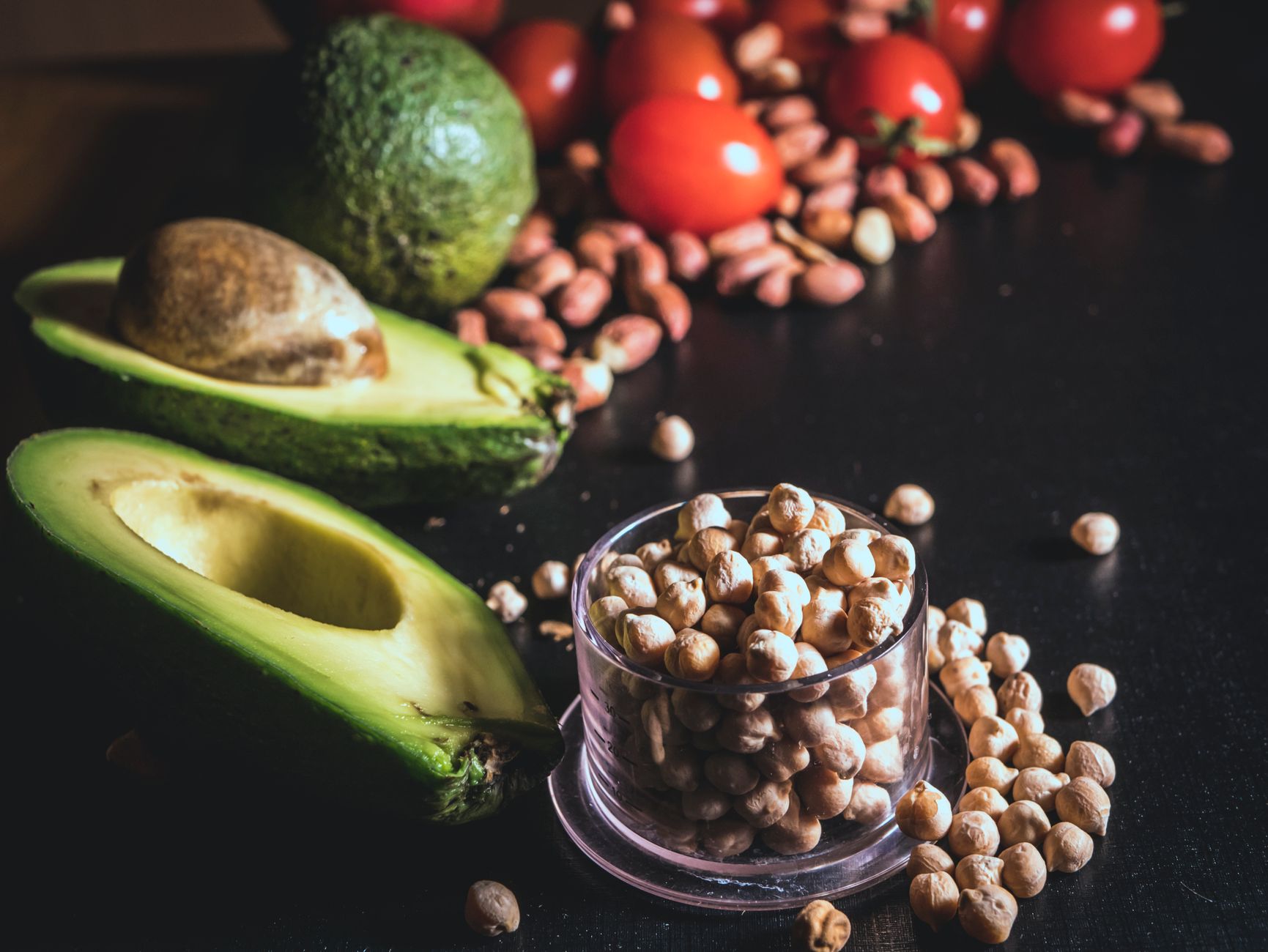
If you have searched for plant-based protein advice lately, you have probably seen the same five foods listed in a different order on every page you visited. What those lists rarely tell you is which options actually keep you full for two to three hours, which ones fit a tight grocery budget, and which ones a beginner can realistically prepare on a weeknight.
This guide cuts through that noise. Five whole-food plant proteins, ranked side-by-side across satiety science, average grocery cost, and honest prep time. No powders, no meat alternatives, no vague suggestions to “just eat more legumes.”
If you are curious about how these proteins combine into full meals, the Plant-Based Dinners That Deliver Complete Protein Without Powders or Meat guide shows you exactly how to pair them.
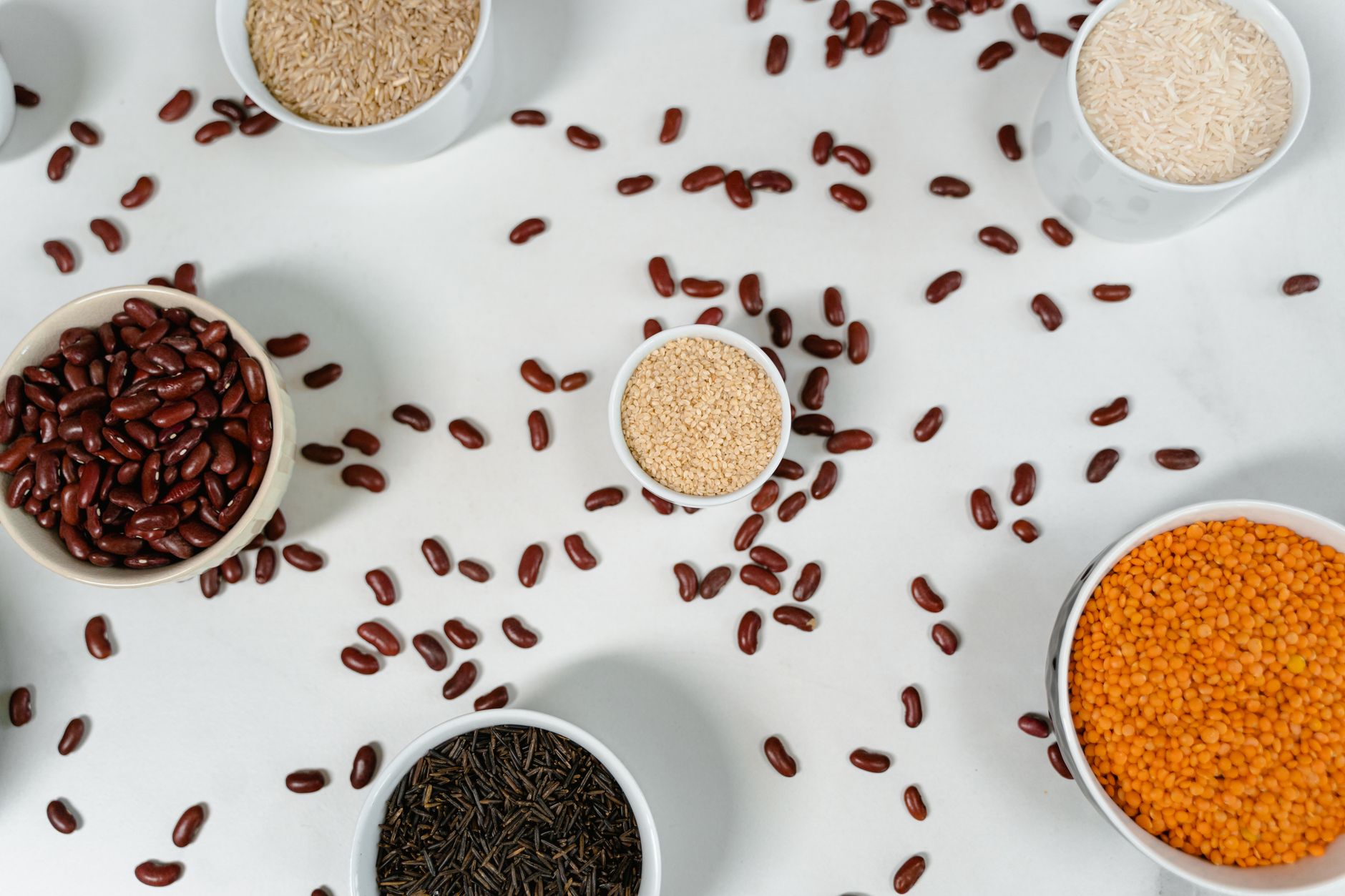
How This Ranking Works
Each food is scored on three real-world factors:
- Satiety: Does research support this food reducing hunger over two to four hours? Satiety depends on protein content, fiber, water content, and how slowly food digests.
- Cost: Average U.S. grocery price per 20 g serving of protein, based on typical store prices for dry or fresh product.
- Prep time: Realistic minutes from opening the bag to eating, including soak or cook time where it applies.
A quick note on completeness: most whole-food plant proteins are low in one or more essential amino acids. Pairing two sources across a day generally covers your needs. The Plant Protein Completeness Ranked guide explains the amino acid details if you want to go deeper.
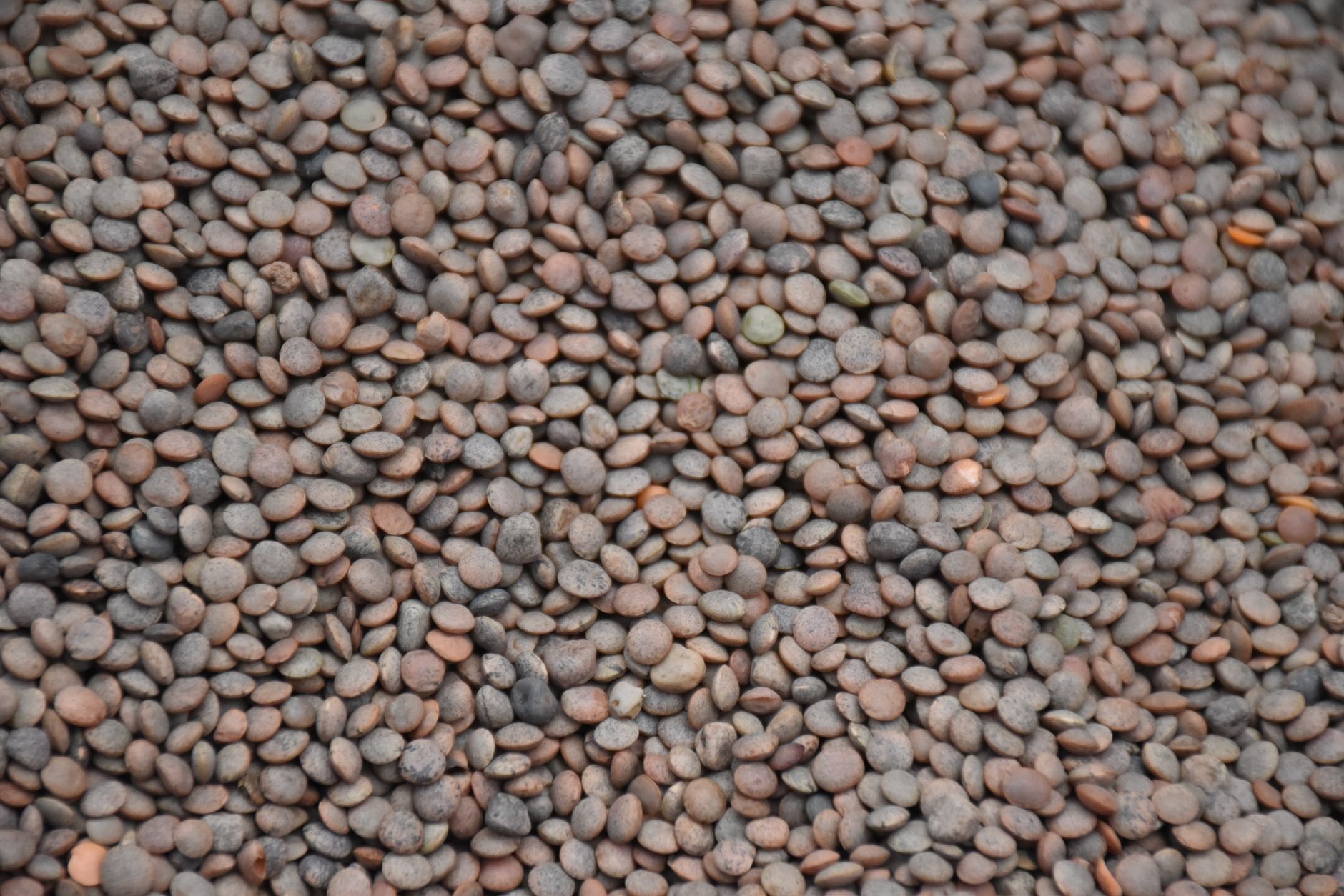
1. Cooked Lentils: Best Overall for Satiety and Budget
Protein per cup (cooked): About 18 g
Average cost per 20 g protein serving: Roughly $0.25 to $0.40
Prep time: 20 to 30 minutes (no soaking required for red lentils)
Lentils consistently rank near the top in plant based protein satiety whole foods research. A 2014 systematic review published in Obesity Reviews found that legumes including lentils reduced short-term food intake and increased satiety compared to control meals, largely because of their combined protein and soluble fiber content.
Red lentils cook in about 20 minutes without soaking, making them one of the fastest legumes you can prepare. Brown and green lentils take 25 to 35 minutes but hold their shape better for salads and grain bowls. Dry lentils typically cost under $2 per pound at most U.S. grocery stores, delivering close to 10 servings per bag.
Best for: Soups, curries, grain bowls, budget meal prep.
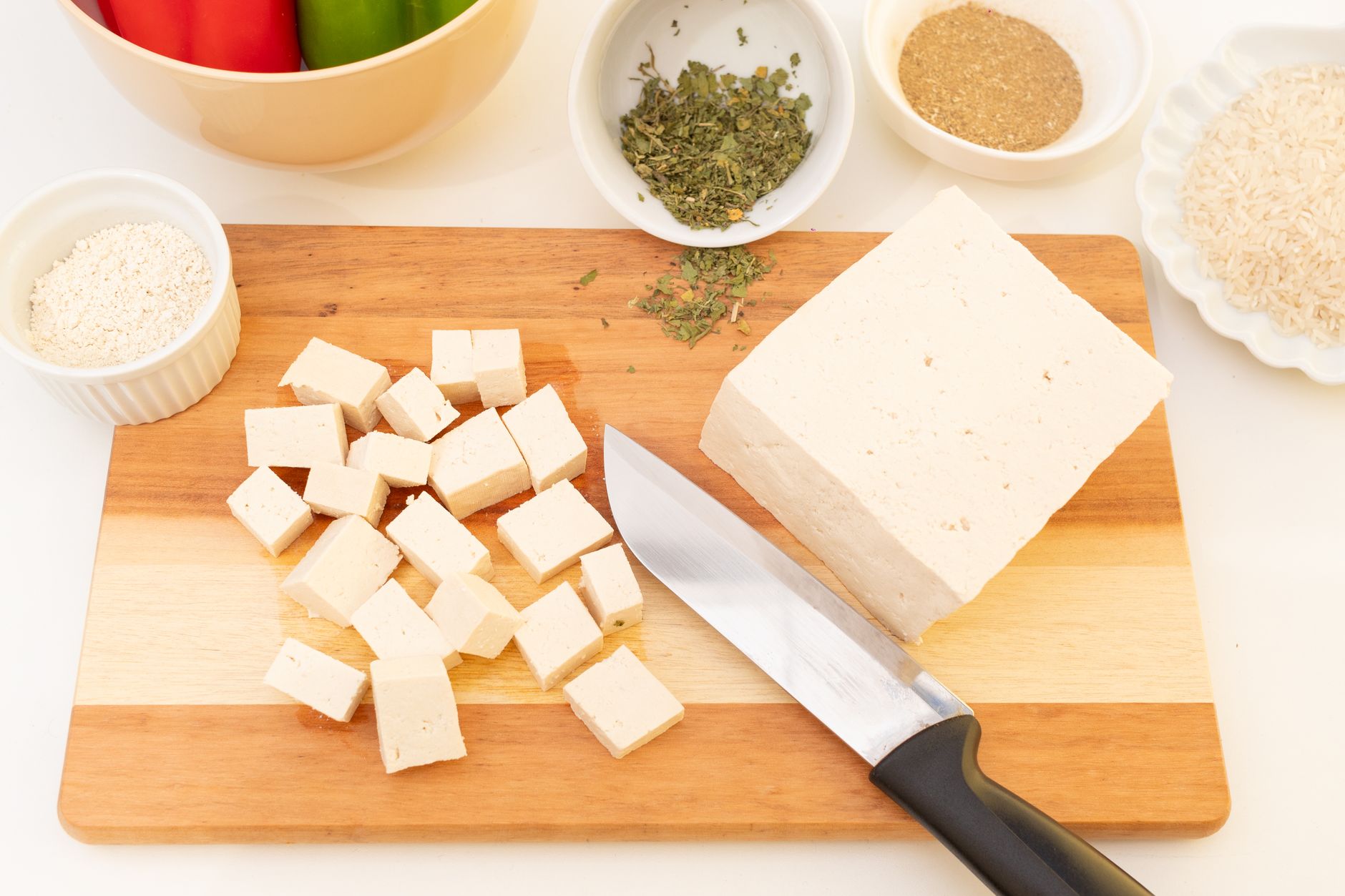
2. Firm Tofu: Best for Versatility and Moderate Prep
Protein per half-cup (firm): About 10 to 12 g
Average cost per 20 g protein serving: Roughly $0.60 to $0.90
Prep time: 10 to 15 minutes (press and pan-fry) or 5 minutes if eaten cold
Tofu is made from compressed soy milk and contains all nine essential amino acids, making it one of the few genuinely complete plant proteins. Research suggests soy protein may support satiety comparably to animal proteins when matched for calories, partly because of its high leucine content, which helps trigger fullness signals.
Firm tofu requires a quick press to remove excess water, then 10 minutes in a hot pan to develop texture. Extra-firm tofu cuts that step almost in half. The cost runs higher than lentils but stays well below most meat options. Buying in bulk or choosing store-brand tofu usually brings the price down.
Best for: Stir-fries, sheet-pan dinners, meal prep containers, high-protein snack slices.
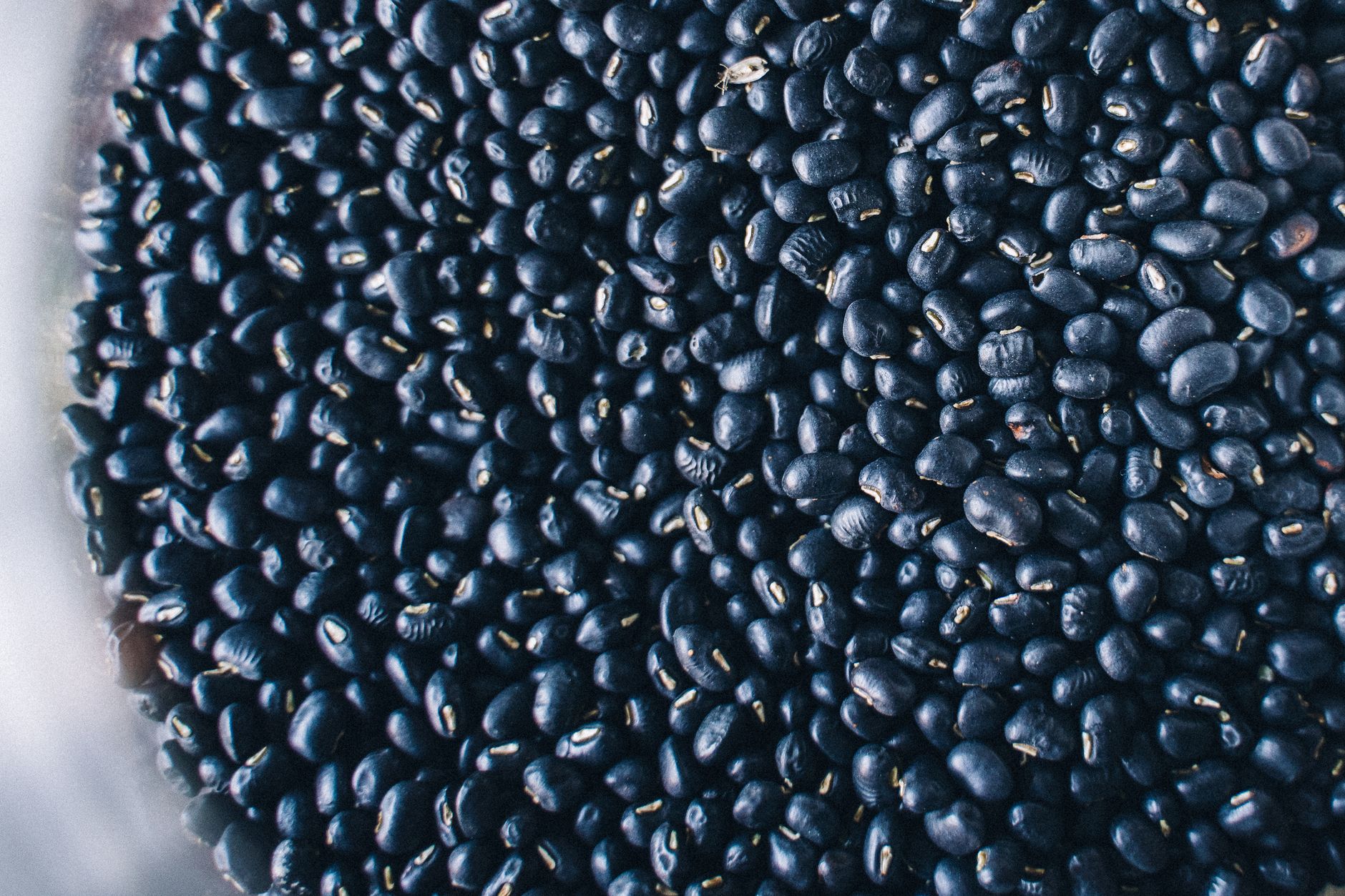
3. Black Beans: Best for Satiety Per Dollar on a Tight Budget
Protein per cup (cooked): About 15 g
Average cost per 20 g protein serving: Roughly $0.20 to $0.45 (canned) or $0.15 to $0.30 (dry cooked)
Prep time: 5 minutes (canned, drained) or 60 to 90 minutes (dry, pre-soaked)
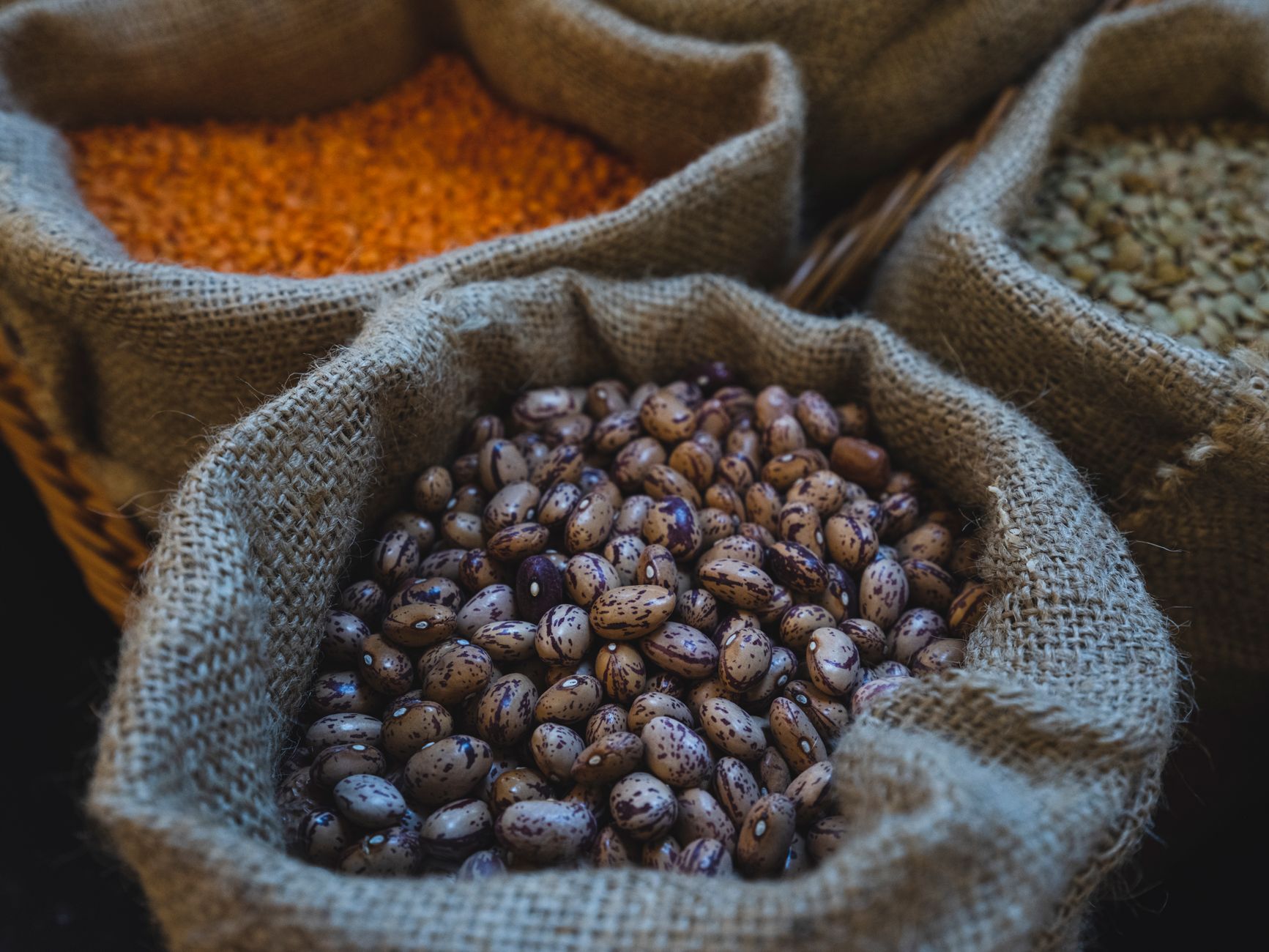
Black beans may edge out lentils on pure cost when you buy dry in bulk, though the trade-off is longer cook time. Canned black beans are one of the most accessible fast proteins in a pantry, ready after a quick rinse and warm-up.
The fiber in black beans, around 15 g per cup, works with the protein to slow digestion and keep blood sugar more stable after meals. Research from the USDA Agricultural Research Service has linked regular legume consumption with improved satiety and better weight management outcomes over time, though diet patterns matter more than any single food.
Best for: Tacos, grain bowls, quick weeknight sides, budget-first meal planning.
For a broader look at how budget-conscious plant eating fits into a healthy lifestyle, the Sustainable Weight Loss Without Restriction: How Real Meal Patterns Beat Calorie Counting guide connects these food choices to longer-term body composition goals.
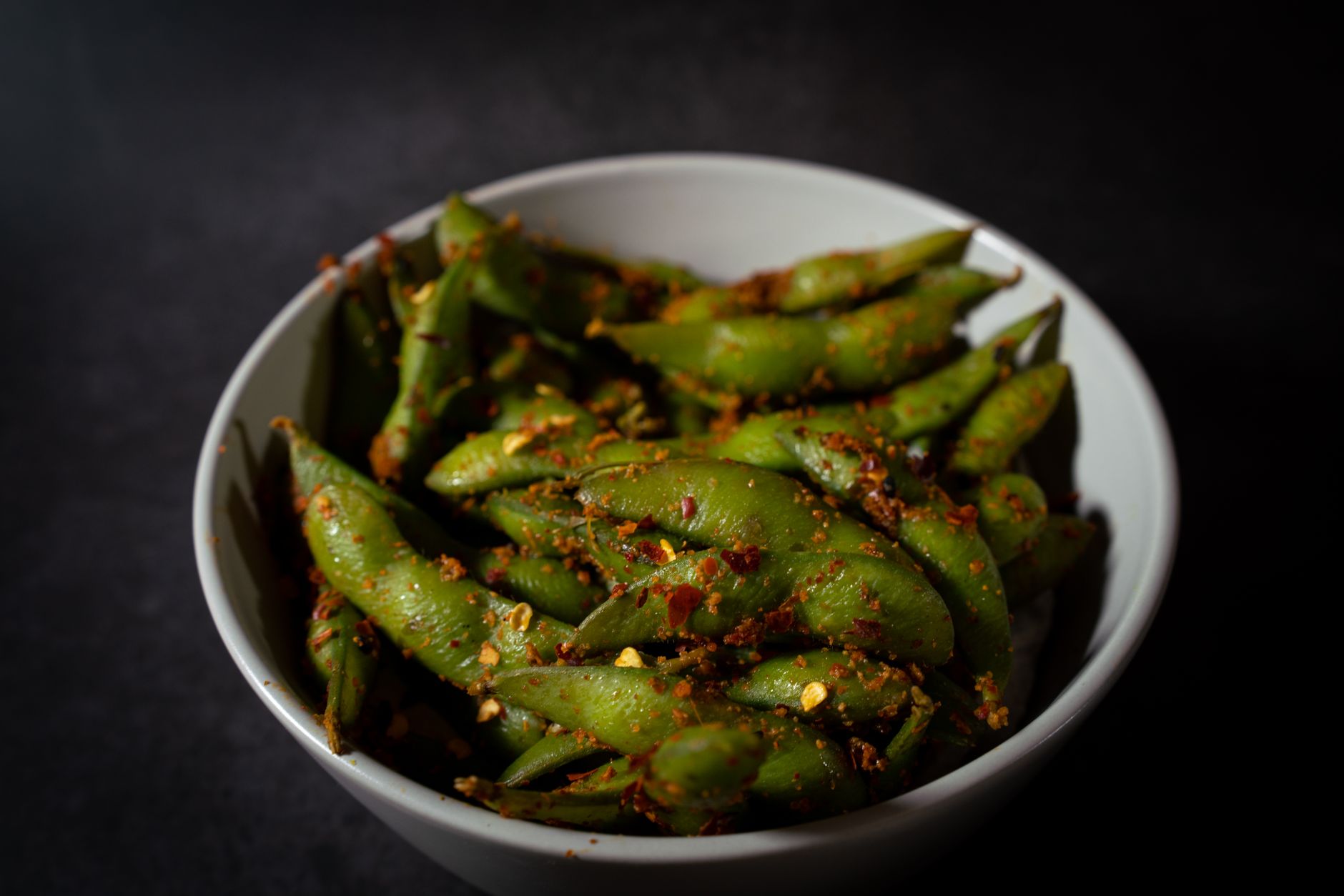
4. Edamame: Best for Snacking and Speed
Protein per cup (shelled, cooked): About 17 g
Average cost per 20 g protein serving: Roughly $0.80 to $1.20 (frozen shelled)
Prep time: 3 to 5 minutes (frozen, microwaved)
Edamame (young green soybeans) is essentially the fastest whole-food plant protein you can prepare. Frozen shelled edamame goes from freezer to bowl in under five minutes. Like tofu, it provides all nine essential amino acids.
The combination of protein, fiber, and healthy fat in edamame makes it one of the more filling snack options in this category. It costs more per gram of protein than lentils or black beans, but the speed and convenience often justify the extra spend on busy days.
Best for: Quick snacks, protein boosts added to salads, pre-workout fuel.
If you want structured snack ideas built around this kind of whole-food pairing, see High-Protein Snacks for Real Afternoon Energy: Five Whole-Food Pairings Ranked by Satiety, Speed, and Cost.
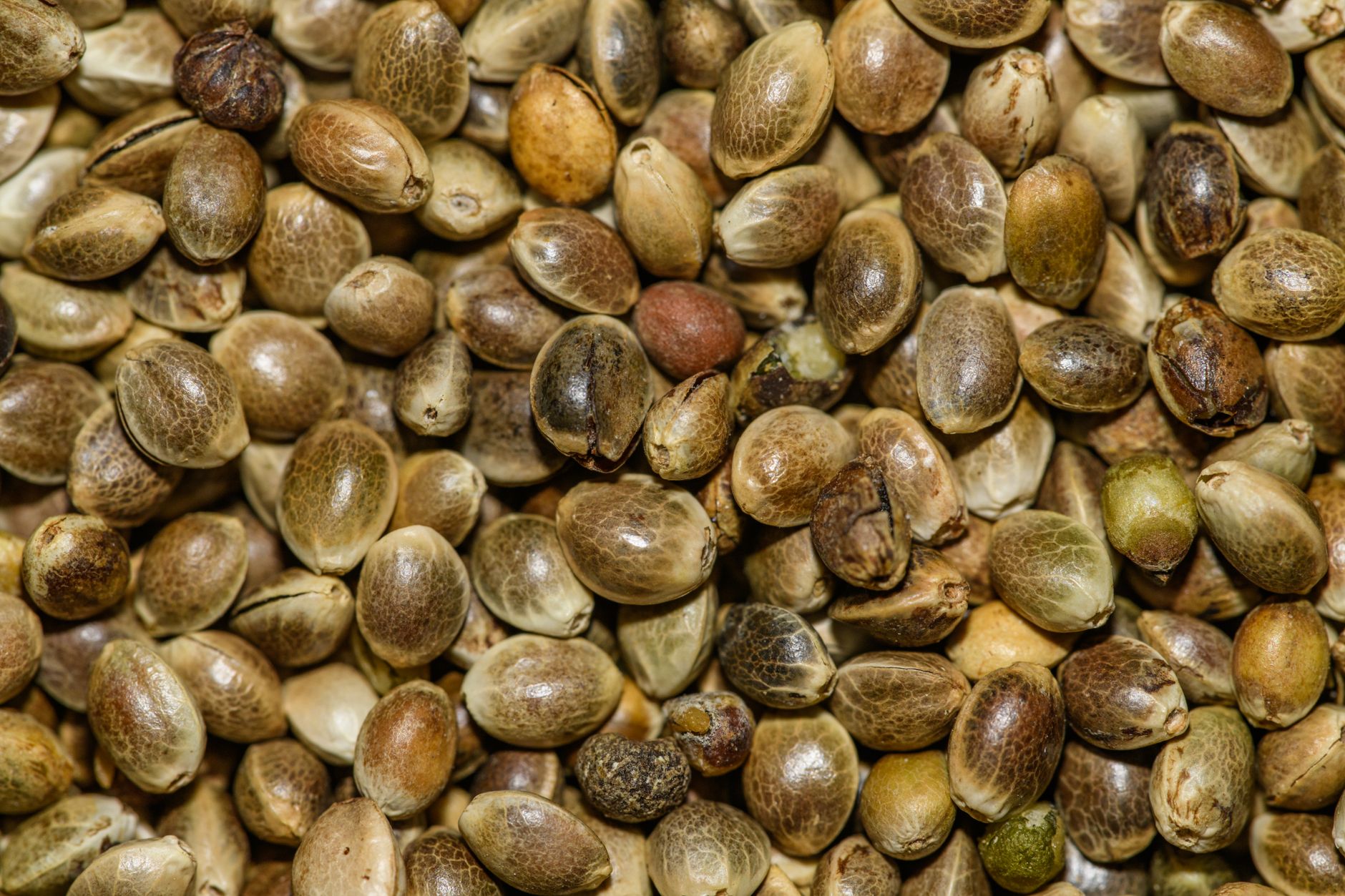
5. Hemp Seeds: Best for No-Cook Protein Boosts
Protein per 3 tablespoons: About 10 g
Average cost per 20 g protein serving: Roughly $1.20 to $1.80
Prep time: Zero (sprinkle and eat)
Hemp seeds are the most expensive option here per gram of protein, but they require zero cooking and add a mild, nutty flavor to nearly anything. They contain all nine essential amino acids and a favorable ratio of omega-3 to omega-6 fatty acids, which may support inflammation balance over time, though research on that specific benefit in humans is still developing.
Hemp seeds work best as a complement rather than a primary protein source because the serving size needed to hit 20 g of protein is fairly large. Used as a topper on oatmeal, yogurt alternatives, or salads, they add meaningful protein without changing the dish much.
Best for: No-cook protein additions, smoothie bowls, oatmeal, salads.
A Quick Side-by-Side Summary
| Protein | Per 20 g Cost | Satiety Score | Prep Time |
|---|---|---|---|
| Lentils | $0.25-$0.40 | High | 20-30 min |
| Tofu | $0.60-$0.90 | High | 10-15 min |
| Black beans | $0.15-$0.45 | High | 5 min (canned) |
| Edamame | $0.80-$1.20 | Moderate-High | 3-5 min |
| Hemp seeds | $1.20-$1.80 | Moderate | 0 min |
Which One Should You Start With?
If budget is the main constraint, dry lentils and black beans give you the most protein per dollar in the plant based protein satiety whole foods category. If speed matters more, canned black beans or frozen edamame get you to the table in under five minutes. Tofu rewards a bit of learning but opens up the most versatile cooking options once you are comfortable with it.
Choose one of these today, add it to a meal you already make, and see how your hunger levels shift over the next hour or two. That direct experience teaches you more than any ranking can.
For more protein-first meal ideas through the day, the Five High-Protein Breakfasts Ranked by Real Satiety, Cost, and Honest Prep Time for Parents on Tight Mornings guide gives you a morning-focused framework you can build on.
Sources
- Kristensen, M. D., et al. (2016). “Meals based on vegetable protein sources (beans and peas) are more satiating than meals based on animal protein sources (veal and pork).” Food and Nutrition Research. (PMC)
- McCrory, M. A., et al. (2010). “Pulse consumption, satiety, and weight management.” Advances in Nutrition. Published by Oxford University Press on behalf of the American Society for Nutrition.
- USDA Agricultural Research Service. “Legumes: Nutritional composition and health benefits.” ARS.USDA.gov.
- Rebello, C. J., et al. (2014). “Dietary fiber and satiety: The effects of oats on satiety.” Nutrition Reviews (via PubMed). Note: satiety findings for fiber extend to legume-based meals broadly.
This article is for general educational and informational purposes only and is not a substitute for medical advice, diagnosis, or treatment. Health needs vary by individual. Consult a qualified healthcare professional before making significant changes to your diet, exercise routine, supplements, medication, or treatment plan, especially if you have a medical condition, are pregnant or breastfeeding, take medication, or have concerns about your symptoms.


