

The 2 p.m. wall is not a willpower problem. It is usually a protein problem. When your midday meal skews heavy on fast-digesting carbohydrates, blood glucose rises and then falls, dragging your focus with it. A snack with enough protein slows that curve and keeps you functional for the next three to four hours.
But not every high-protein snack is equally practical. Some require a refrigerator, some cost as much as a full meal, and some need five minutes of assembly that a packed schedule simply does not allow. The five combinations below are ranked by three honest criteria: how well each combination is likely to prevent hunger for three to four hours (satiety), what it actually costs per serving based on typical grocery prices, and whether it survives a workbag or commute without cold storage.
If the afternoon energy crash is a pattern for you rather than an occasional bad day, understanding how meal timing and food pairing interact can help you get ahead of it, not just treat it snack by snack.
How the Ranking Works
Satiety is estimated based on protein content (aim for at least 10-15 grams per snack), fiber contribution, and fat content, since all three slow gastric emptying. Research published by the NIH suggests that higher-protein eating patterns reduce appetite hormones such as ghrelin more effectively than carbohydrate-matched eating. Cost per serving reflects typical U.S. grocery store prices (approximate). Portability means shelf-stable or fine at room temperature for at least four hours without spoilage risk.

1. Hard-Boiled Eggs Plus a Small Handful of Almonds
Satiety: Excellent | Cost: ~$0.70-$0.90 | Portability: Good (up to 4 hours unrefrigerated)
Two hard-boiled eggs deliver roughly 12 grams of complete protein, plus fat that slows digestion. Add about 20 almonds (roughly one ounce) and you add another 6 grams of protein, 3.5 grams of fiber, and healthy unsaturated fat. Together, the combination clears 18 grams of protein with enough fiber and fat to suppress appetite well into late afternoon.
Portability caveat: food safety guidelines from the USDA suggest that cooked eggs should not stay above 40 degrees Fahrenheit for more than two hours. In practice, pre-peeled eggs in an insulated container with a small ice pack work for most commutes. Unpeeled eggs in a cool bag survive longer without risk. If you have no cold storage at all, this combination drops to rank three on portability.
Best for: Desk workers who have access to an office fridge, or anyone with a small insulated bag.
2. Roasted Chickpeas Plus Pumpkin Seeds
Satiety: Very Good | Cost: ~$0.60-$0.85 | Portability: Excellent (fully shelf-stable)
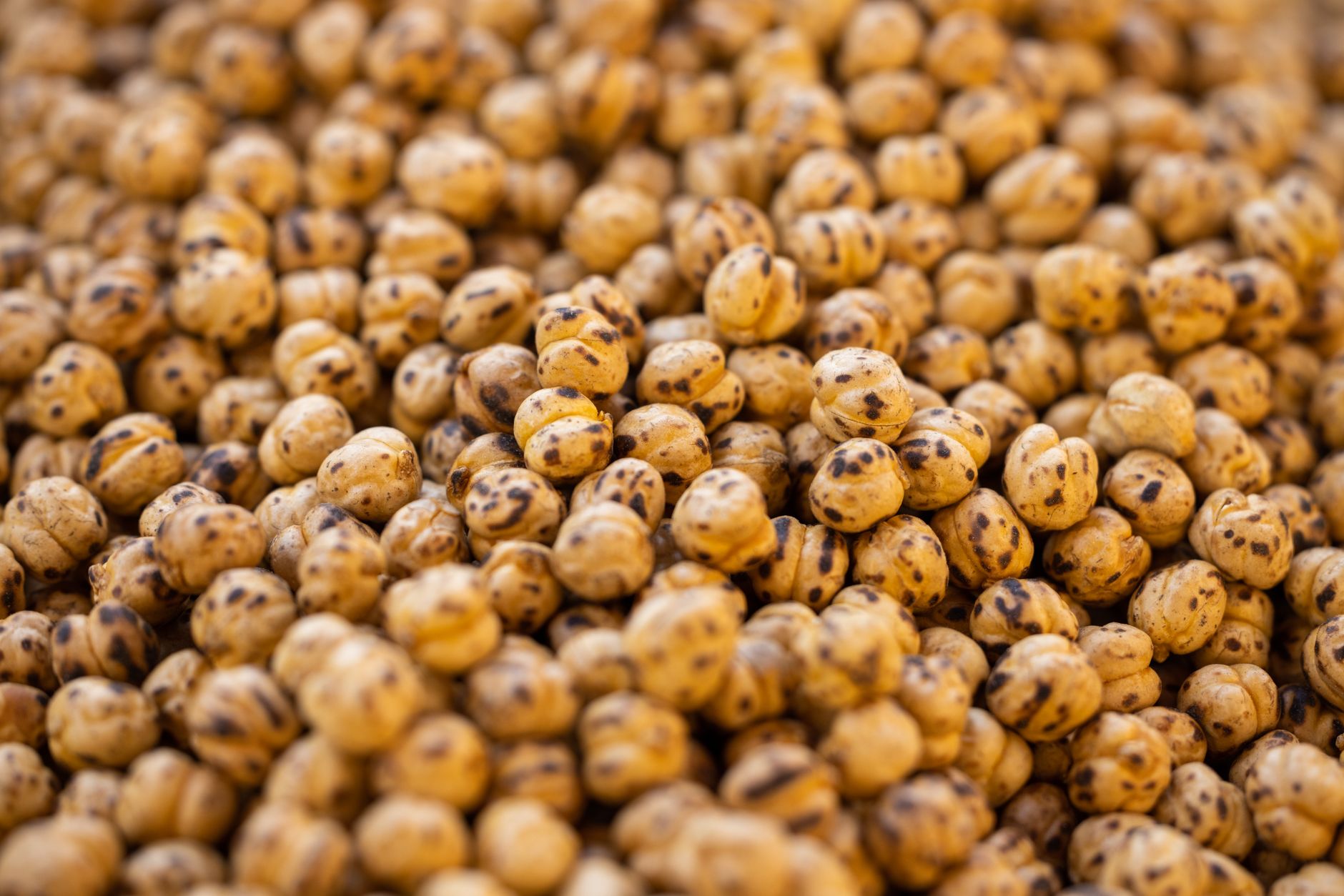
This is the strongest no-fridge option on the list. A half-cup of roasted chickpeas provides around 7-8 grams of protein and 6 grams of fiber. Add two tablespoons of pumpkin seeds (pepitas) and you layer in another 5 grams of protein plus magnesium, which research suggests may play a role in sustained energy metabolism (National Institutes of Health, Office of Dietary Supplements). Combined protein lands around 12-13 grams with substantial fiber to prevent a blood sugar spike.
You can buy pre-roasted chickpeas in shelf-stable bags or make a large batch at home on Sunday for under a dollar per serving. This combination packs flat, does not smell, and does not need refrigeration at all, making it one of the most practical high-protein snacks for afternoon energy that travels well.
Best for: Commuters, parents running between activities, or anyone whose snack lives in a bag for hours at a time. See whole-food snacking for sustained afternoon focus for more no-fridge combinations built around nuts, seeds, and whole grains.
3. Greek Yogurt (Full-Fat) Plus Chia Seeds
Satiety: Excellent | Cost: ~$1.00-$1.40 | Portability: Poor without cold storage
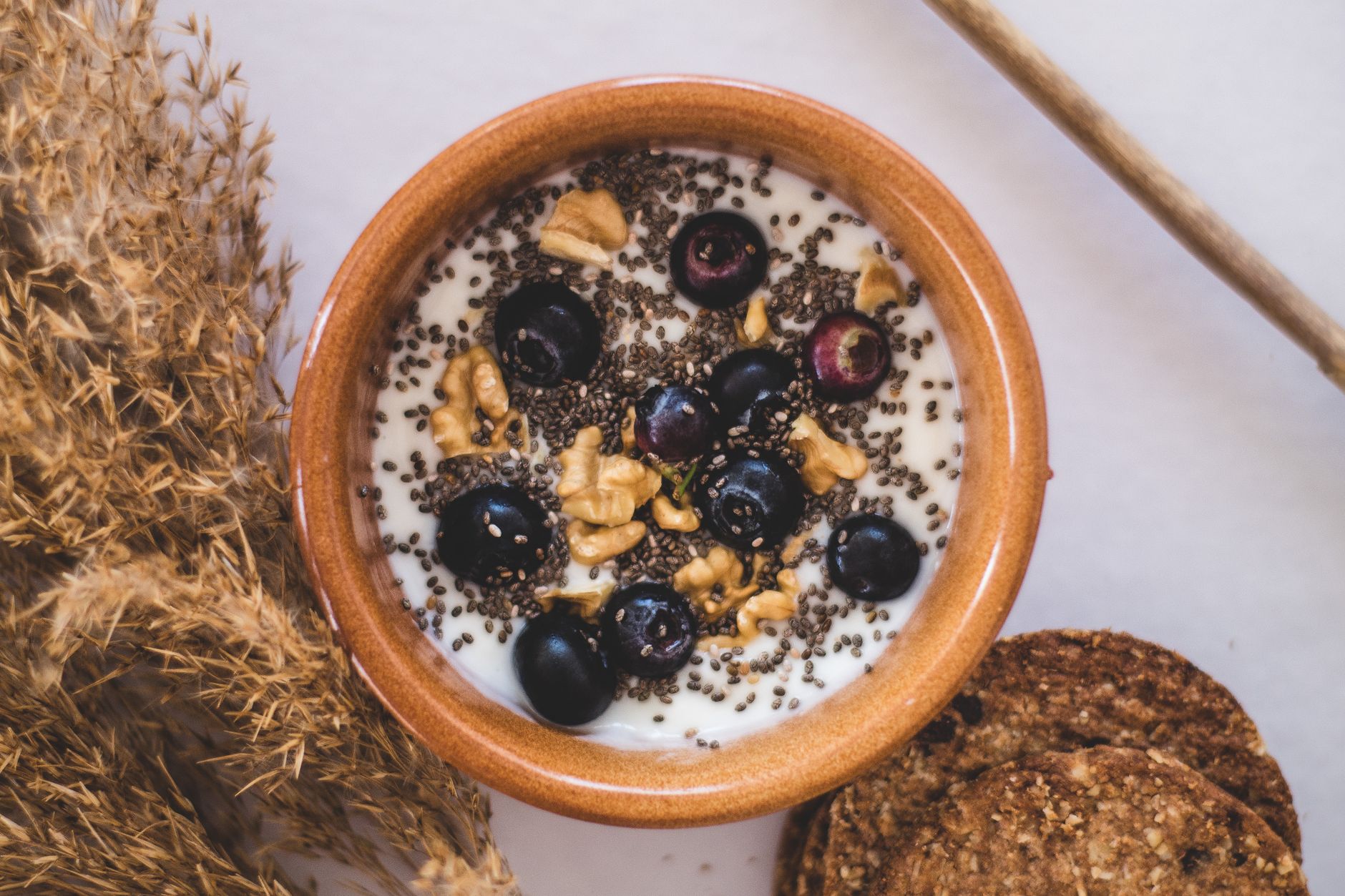
Full-fat plain Greek yogurt (3/4 cup) delivers 15-17 grams of protein, and stirring in one tablespoon of chia seeds adds 3 grams more protein plus 5 grams of fiber. The combination scores highest on satiety of any option here, largely because the protein density rivals some protein bars while the fat and fiber extend fullness further.
The problem is portability. Greek yogurt cannot safely sit above 40 degrees Fahrenheit for more than two hours (USDA food safety guidelines). Without a refrigerator or a quality cooler bag, this combination is desk-only. For people who eat at a consistent desk or have an office fridge nearby, it is the best three-to-four-hour satiety option on this list at a reasonable cost per serving.
Best for: Office workers with reliable cold storage or parents eating at home between drop-off and work.
4. Edamame (Dry-Roasted) Plus Sunflower Seeds
Satiety: Good | Cost: ~$0.75-$1.00 | Portability: Excellent
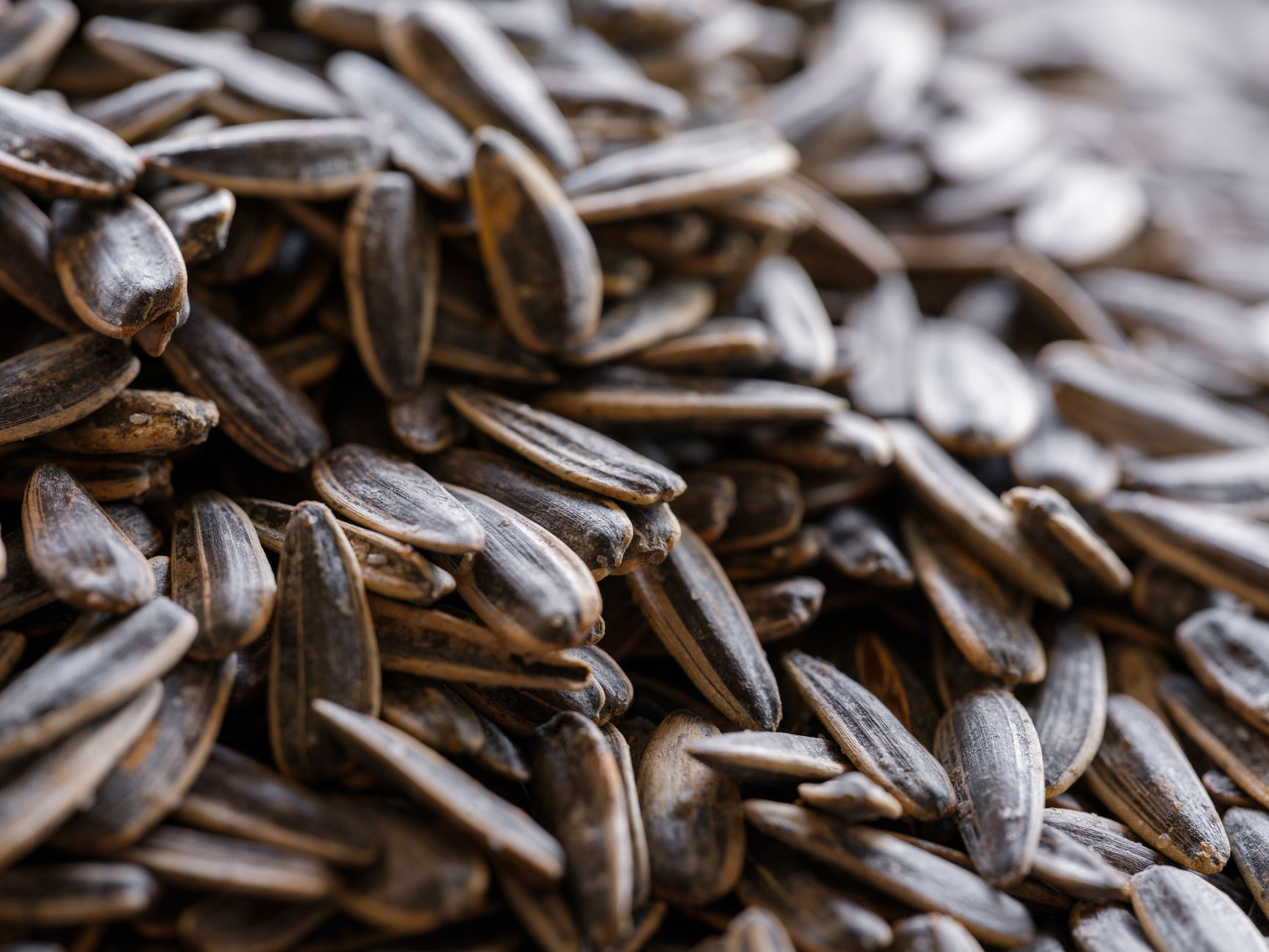
Dry-roasted edamame has become much more widely available in mainstream grocery stores. A half-cup serving typically delivers 11-13 grams of protein with significant fiber. Pair it with two tablespoons of sunflower seeds to add healthy fat and another 3 grams of protein. Total protein sits around 14-16 grams depending on brand.
Edamame is a complete protein, meaning it contains all nine essential amino acids, which is comparatively rare in plant foods. The dry-roasted format makes it shelf-stable and crunchy enough to feel satisfying as a snack rather than just fuel. Cost runs slightly higher than chickpeas but still well under a dollar-fifty for the full combination.
Best for: Plant-based eaters, people managing their weight who want volume and protein without dairy, or anyone who needs the snack fully shelf-stable. For a broader comparison of complete plant proteins, the guide on plant protein completeness goes into useful detail.
5. Canned Sardines on Whole-Grain Crackers
Satiety: Excellent | Cost: ~$1.50-$2.50 | Portability: Very Good (shelf-stable, but requires a fork or pull-tab)
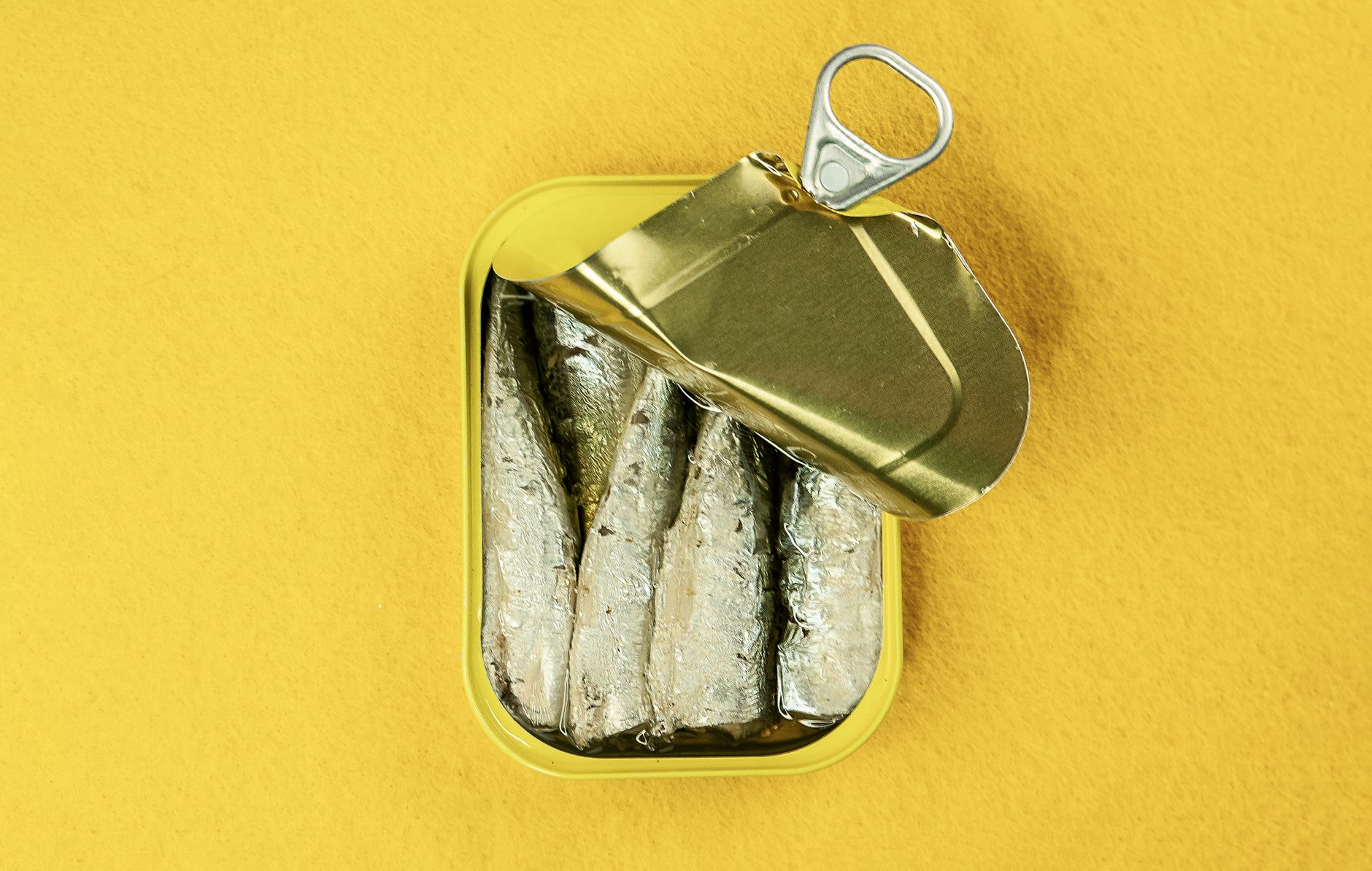
Sardines are one of the most underrated high-protein snacks for afternoon energy. A small can (3.75 oz) packed in olive oil provides around 23 grams of protein plus omega-3 fatty acids. Add six to eight whole-grain crackers for a small fiber contribution, and this becomes a genuinely filling, shelf-stable snack that resembles a mini-meal.
The barrier is social: sardines have a noticeable smell, which makes them less appropriate for open office environments or shared spaces. They also cost more per serving than the plant-based options above, though the protein-per-dollar ratio is still strong. For anyone willing to find a private space or eat at their car, this is the highest-protein option on the list and the most likely to prevent hunger until dinner.
Best for: Remote workers, people who eat lunch alone, or anyone doing a longer fast between lunch and dinner.
Putting It Together
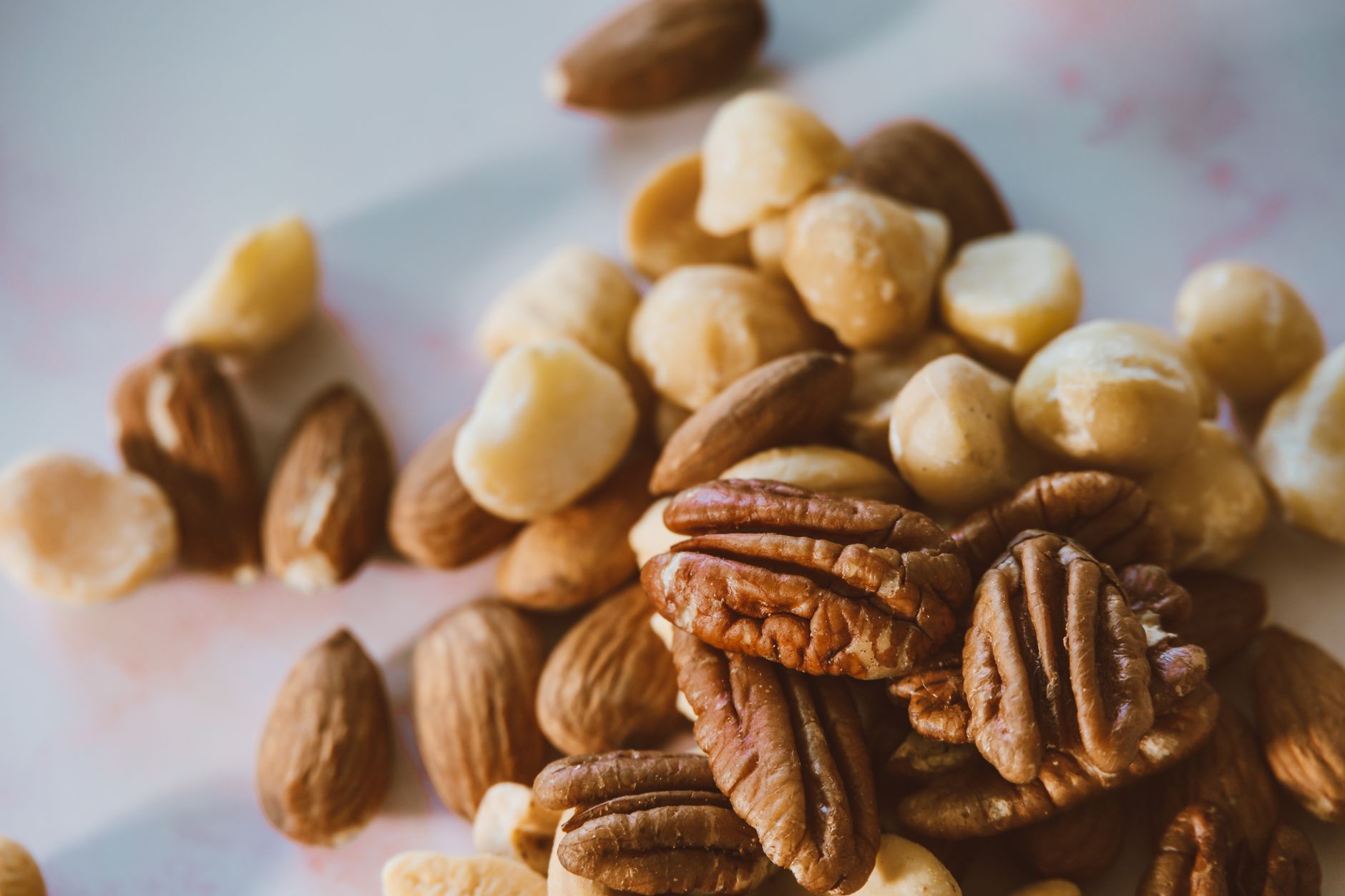
The right snack depends on your actual constraints, not on what scores highest on paper. If you have a fridge at work, Greek yogurt with chia seeds edges out everything else on satiety. If your snack lives in a bag all day, roasted chickpeas with pumpkin seeds or dry-roasted edamame with sunflower seeds are the most practical high-protein snacks for afternoon energy that require zero cold storage.
Notice that none of the five options require a protein bar, a powder, or a processed supplement. Whole-food combinations deliver protein alongside fiber, fat, and micronutrients that work together to extend fullness. If you want to explore how whole-food protein combinations stack up without bars or powders, that guide covers the rationale in more depth.
Pick one combination this week. Keep it stocked and ready so the decision is already made when 2 p.m. arrives. That small preparation habit tends to do more for sustained afternoon energy than any single perfect snack.
For more practical guidance on balanced eating, sustainable habits, and energy throughout the day, the Clean Body Mentor newsletter delivers one focused tip each week without the noise.
Sources
- NIH National Library of Medicine: protein’s role in appetite hormone regulation and satiety (search “dietary protein satiety ghrelin” on PubMed for primary studies)
- NIH Office of Dietary Supplements: Magnesium Fact Sheet for Health Professionals (ods.od.nih.gov)
- USDA FoodKeeper App and food safety guidelines for cooked eggs and dairy (foodsafety.gov)
- USDA FoodData Central: nutrient profiles for eggs, Greek yogurt, chickpeas, edamame, sardines, almonds, pumpkin seeds
This article is for general educational and informational purposes only and is not a substitute for medical advice, diagnosis, or treatment. Health needs vary by individual. Consult a qualified healthcare professional before making significant changes to your diet, exercise routine, supplements, medication, or treatment plan, especially if you have a medical condition, are pregnant or breastfeeding, take medication, or have concerns about your symptoms.


