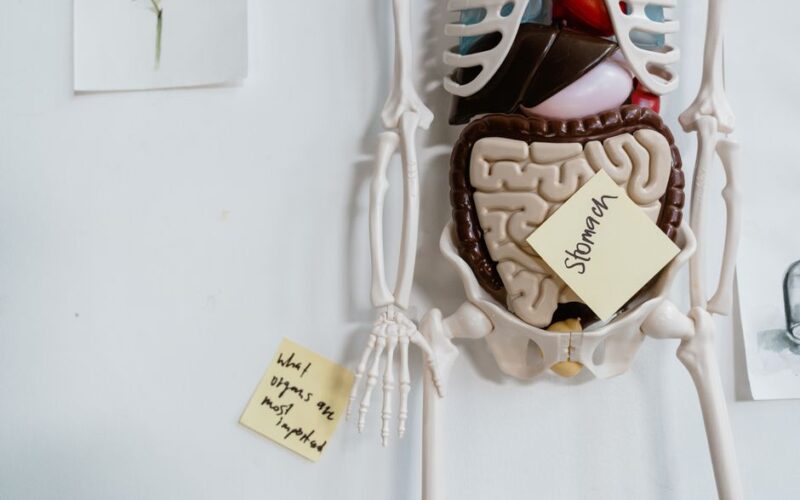


You hear it everywhere: eat more fiber. More vegetables, more legumes, more whole grains. The advice is solid, but what often goes unsaid is that jumping to higher fiber intake too quickly can leave you bloated, gassy, and reaching for antacids instead of another serving of lentils.
Fiber digestion bloating is one of the most common reasons people give up on plant-based eating before the real benefits kick in. The good news: the discomfort is usually a sign that your gut microbiome is adjusting, not a sign that fiber is wrong for your body. The key is pacing yourself and choosing your foods strategically.
This guide gives you a realistic progression system, specific food choices, and meal pairing strategies so you can build fiber intake comfortably over time.
Why Fiber Causes Bloating in the First Place
Fiber is not fully digested in your small intestine. Instead, it travels to your colon, where gut bacteria ferment it. That fermentation process produces short-chain fatty acids that feed the gut lining and support immune function, but it also produces gas as a byproduct.
When you suddenly eat far more fiber than your gut bacteria are used to handling, those bacteria go into overdrive. The result is excess gas, cramping, and the uncomfortable fullness that makes people swear off chickpeas forever.
The Academy of Nutrition and Dietetics recommends 25 grams of fiber daily for adult women and 38 grams for adult men, yet the average American eats closer to 15 grams. Closing that gap in a week is a recipe for discomfort. Closing it over four to six weeks is a recipe for real digestive improvement.
For a deeper look at how food combinations and timing affect gas and comfort, the guide on Digestive Bloating After Meals: A Practical Guide to Eating Patterns That Reduce Discomfort covers that ground well.
The Three-Stage Progression System
Stage 1: The Gentle Start (Weeks 1-2)
If you currently eat minimal vegetables and avoid legumes, start here. Your goal is to add roughly 3 to 5 grams of fiber per day beyond your current baseline, not to overhaul every meal.
Best choices at this stage:
- Cooked vegetables rather than raw (cooking softens plant cell walls and makes fiber easier to process)
- Peeled cucumber, zucchini, and well-cooked carrots
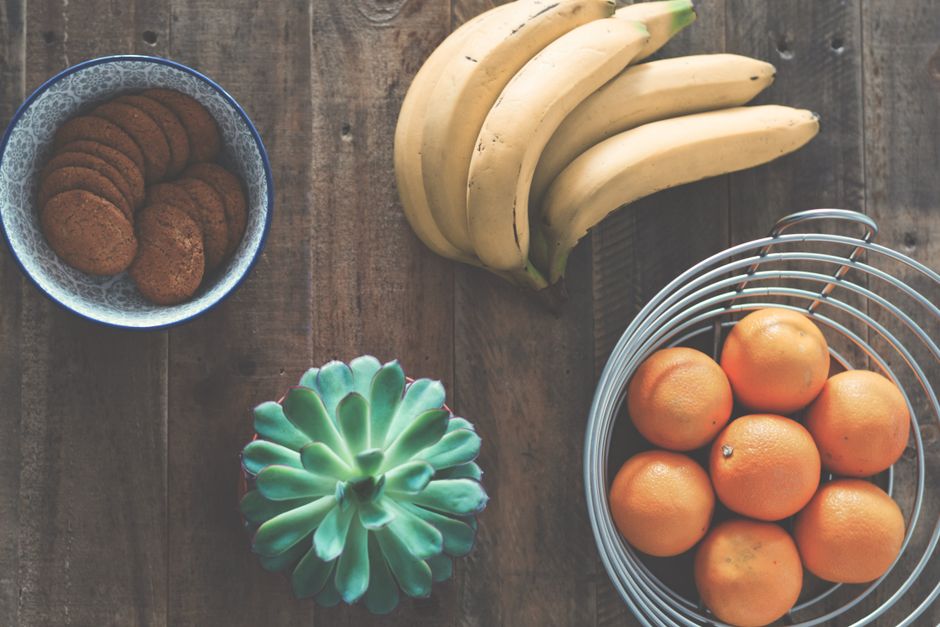
- Ripe banana (a source of gentler soluble fiber)
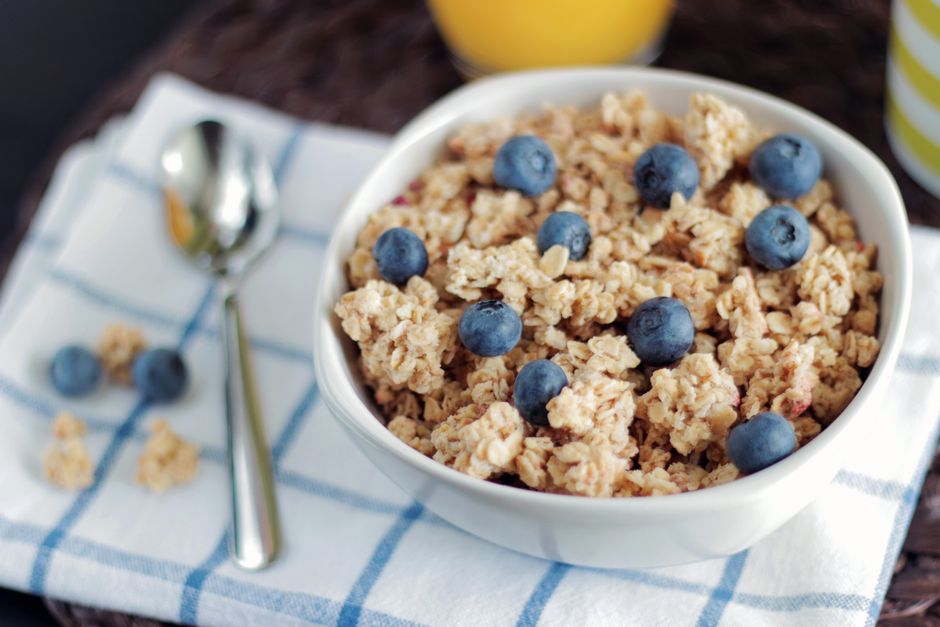
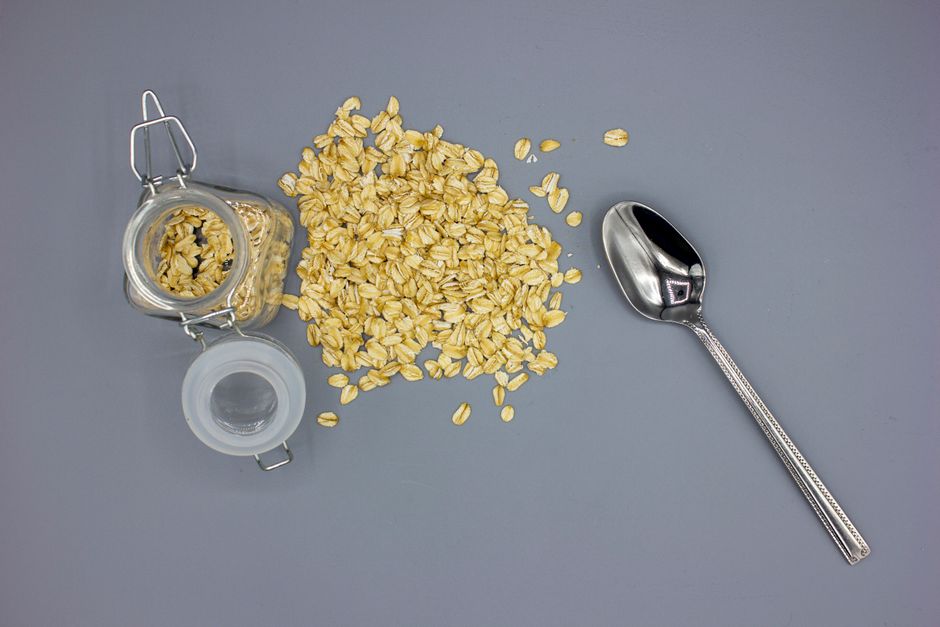
- Oatmeal made with rolled or instant oats
- White beans in small portions, rinsed thoroughly
Rinsing canned legumes reduces oligosaccharides, the fermentable compounds most responsible for gas. Cooking dried beans from scratch and discarding the soaking water achieves a similar result.
Stick with one new fiber food per meal rather than layering several at once. This makes it easier to identify which foods, if any, create the most discomfort for your individual gut.
Stage 2: Building the Foundation (Weeks 3-5)
Once you have tolerated gentle additions without significant bloating, expand your range.
Add gradually:
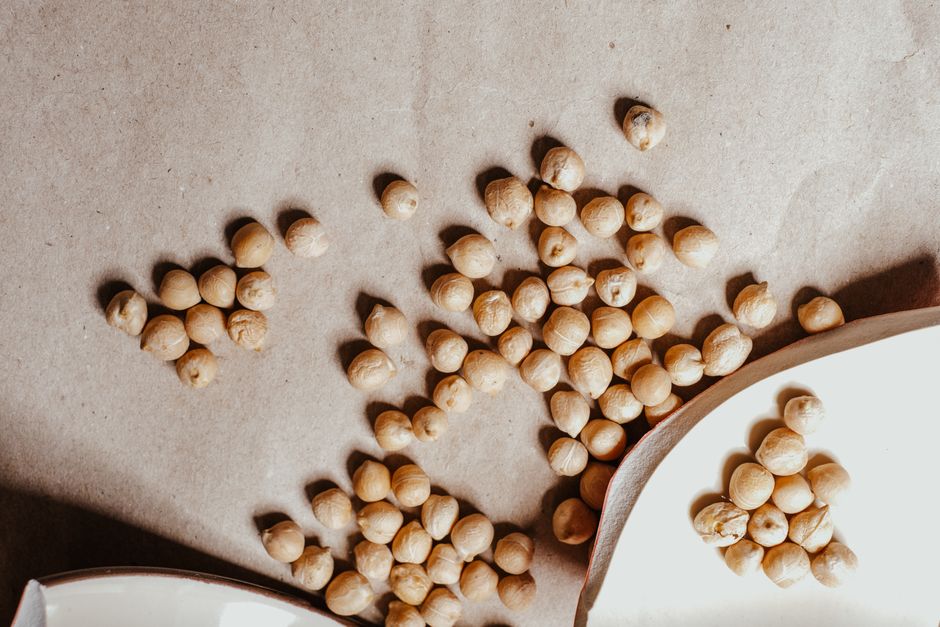
- Lentils and chickpeas (start with a quarter-cup serving)
- Roasted broccoli, cauliflower, and Brussels sprouts
- Apples and pears (with the skin, which adds insoluble fiber)
- Ground flaxseed mixed into oatmeal or yogurt
- Whole grain bread, brown rice, or quinoa
At this stage, pairing fiber-rich foods with adequate water is essential. Fiber absorbs water; without enough fluid, insoluble fiber can slow transit rather than speed it up, causing its own form of discomfort. Aim for consistent hydration throughout the day rather than drinking a large amount at once.
The article on Digestion-Friendly Meal Combinations: Foods That Work Together for Energy and Comfort explores how pairing choices affect how your body handles each meal, which is especially useful when you are increasing fiber across multiple food groups simultaneously.
Stage 3: Sustainable High-Fiber Eating (Week 6 and Beyond)
By this point, most people find that their gut has adapted enough to handle a full range of plant foods without significant gas or cramping. Your microbiome has expanded its population of fiber-fermenting bacteria, and that fermentation now produces more of those beneficial short-chain fatty acids with less uncomfortable bloating as a side effect.
You can now enjoy with confidence:
- Full servings of legumes: lentil soup, black bean tacos, edamame
- Raw salads with mixed greens, cabbage, and raw carrots
- High-fiber snacks like roasted chickpeas or trail mix with dried fruit
- Whole grains at most meals
Research published in journals covering gut microbiome science suggests that a diverse fiber intake, meaning fiber from many different plant sources, supports a more resilient and varied gut bacteria population than eating the same fiber source repeatedly. Rotating your plant foods is a simple way to build that diversity.
For practical snack ideas that pair fiber with protein for lasting energy, the High-Fiber Snacks That Actually Keep You Full guide offers specific combinations.
Meal Pairing Strategies That Reduce Discomfort
Beyond the type of fiber you eat, how you combine foods influences how much gas and bloating you experience.
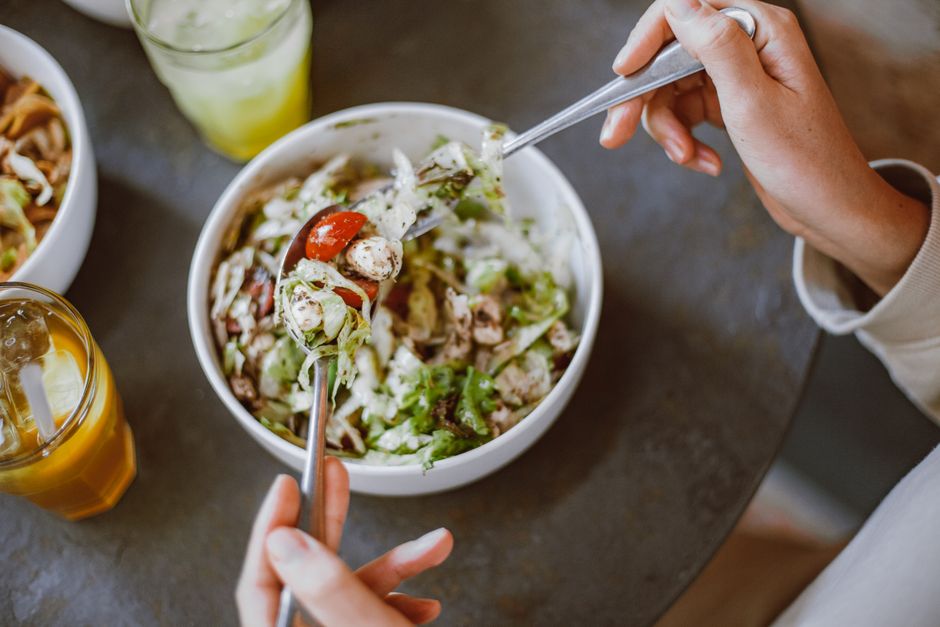
- Pair fiber with fat and protein. A meal that includes fiber alongside a protein source and healthy fat digests more evenly than a large portion of fiber eaten alone. Think lentil soup with a drizzle of olive oil and a side of Greek yogurt.
- Limit multiple high-FODMAP foods in one sitting. Foods like garlic, onion, apples, and legumes are all high in fermentable carbohydrates. Eating several at once multiplies the gas-producing effect. Choose one or two, not all four.
- Eat slowly and chew thoroughly. Fermentation and gas production increase when large, poorly chewed pieces of plant food reach the colon. Slowing down your pace gives your digestive enzymes more surface area to work with.
- Space your fiber across the day. Three moderate-fiber meals produce less digestive stress than one huge fiber load at dinner.
For readers who find that rushing through meals worsens their symptoms, the guide on Digestive Discomfort From Rushed Eating: Why Pace Matters More Than Food Choices addresses that pattern directly.
A Few Foods Worth Treating With Extra Care
Some high-fiber foods are more fermentable than others, even for adapted guts. Raw onions, raw garlic, Jerusalem artichokes, and large portions of dried fruit tend to produce the most gas for most people. This does not mean avoiding them permanently; it means introducing them in small amounts and in cooked form when possible.
Probiotic-rich foods like plain yogurt, kefir, and fermented vegetables may support the gut adaptation process. Research in this area is still developing, but the premise is that introducing more beneficial bacteria alongside increased fiber can smooth the transition. For a balanced look at what the evidence actually shows, the Digestive Health Myths vs. Evidence guide separates fact from overhype.

Your Next Small Step
Choose one thing from Stage 1 to add to your meals this week. Just one. Rinsed white beans in a soup, a bowl of oatmeal with banana, or roasted zucchini alongside dinner. Notice how your body responds over a few days, then build from there.
Gradual progress is not slow progress. It is the approach most likely to make fiber-rich eating a permanent, comfortable part of your life rather than a short-lived experiment that ended in bloating.
If you want to go deeper on gut-supportive eating, the Gut Health Foods That Improve Digestion and Mood guide covers the microbiome side of this topic with practical food recommendations.
This article is for general educational and informational purposes only and is not a substitute for medical advice, diagnosis, or treatment. Health needs vary by individual. Consult a qualified healthcare professional before making significant changes to your diet, exercise routine, supplements, medication, or treatment plan, especially if you have a medical condition, are pregnant or breastfeeding, take medication, or have concerns about your symptoms.
Sources
- Academy of Nutrition and Dietetics: fiber intake recommendations and digestive health guidance
- U.S. Department of Agriculture Dietary Guidelines for Americans (current edition): daily fiber targets by age and sex
- Sonnenburg, J.L. and Sonnenburg, E.D. (2014). Gut feelings: the emerging biology of gut-brain communication. Nature Reviews Neuroscience. Referenced for short-chain fatty acid production and microbiome adaptation.
- Baxter, N.T. et al. (2019). Dynamics of Human Gut Microbiota and Short-Chain Fatty Acids in Response to Dietary Interventions with Three Fermentable Fibers. mBio, 10(1). Referenced for microbiome diversity and fiber rotation.