

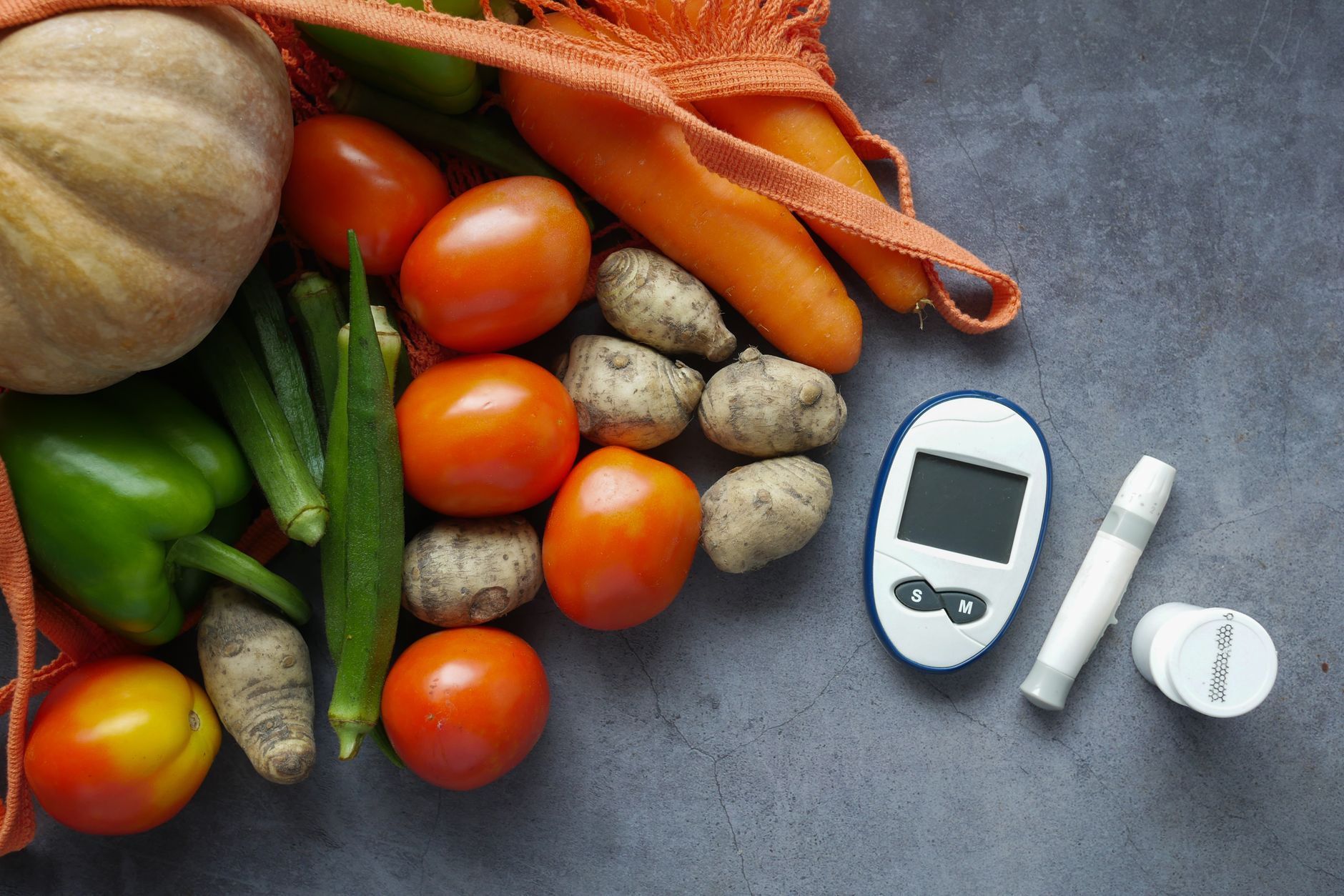
You have probably heard someone say you should “eat your vegetables first.” It sounds like vague dinner-table advice, but there is a surprisingly solid body of research behind it. Eating vegetables first at meals can measurably reduce your blood sugar spike after eating, and the effect shows up without any changes to what or how much you eat.
This comparison breaks down what the science shows, what the difference actually feels like in everyday eating, and when each approach makes sense for your goals.
What Happens Inside Your Body When You Eat Carbs First
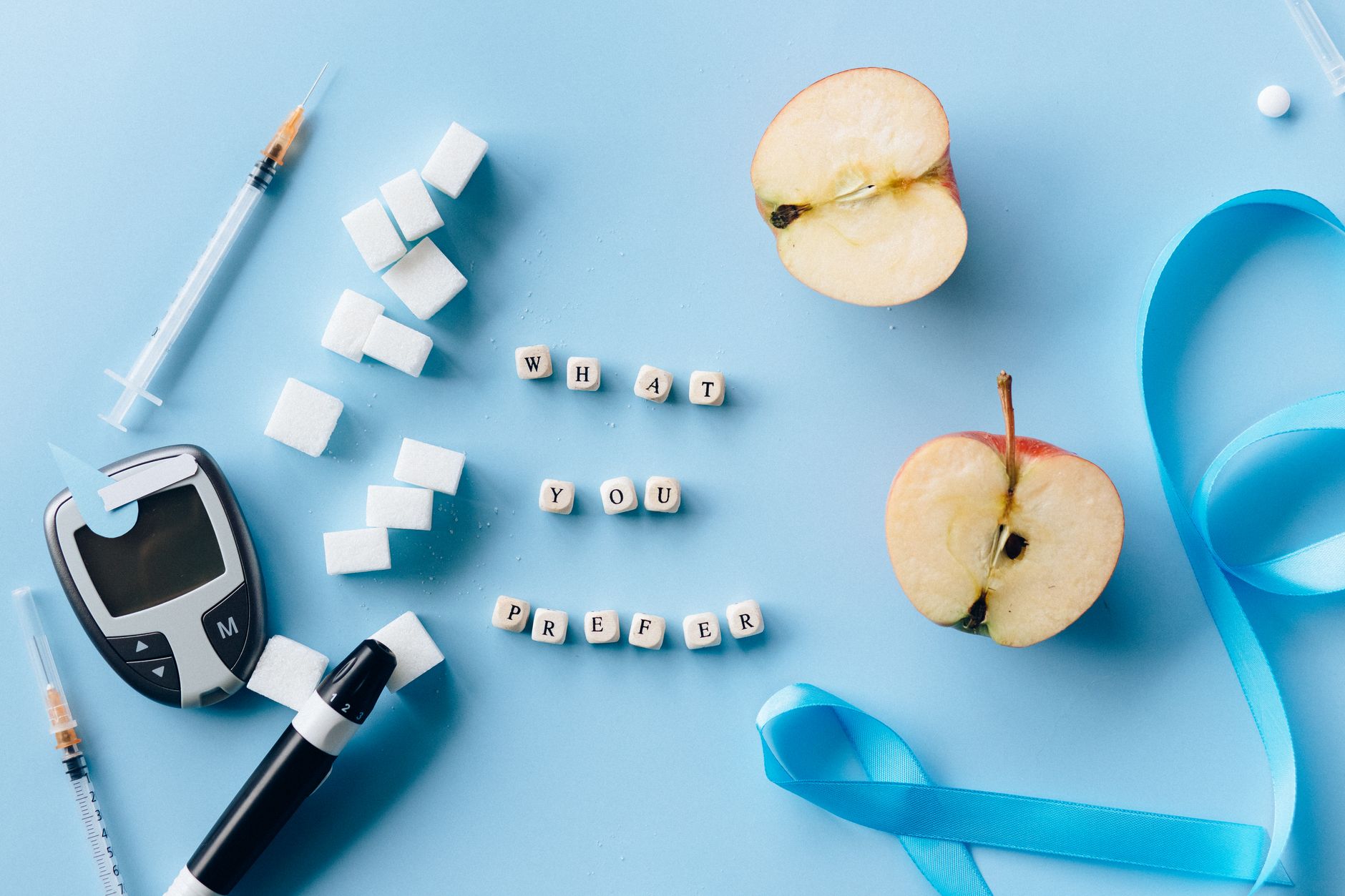
When you eat a carbohydrate-heavy food like rice, bread, or pasta early in a meal, your digestive system breaks it down quickly and glucose enters your bloodstream relatively fast. The result is a sharper rise in blood glucose, followed by an insulin response.
For most healthy adults, that spike is not dangerous. But it does influence how satisfied you feel after eating, how much energy you have an hour later, and over time, how well your body manages blood sugar overall.
If you have ever felt sluggish or oddly hungry again shortly after a large pasta meal, the glycemic pattern of that meal may be part of what drove it. For more on this connection, Why Your Energy Tanks After Eating and What Meal Composition Actually Fixes It walks through how meal composition shapes your post-meal energy in practical terms.
The Evidence Behind Eating Vegetables First
Researchers at Weill Cornell Medicine published a study in the journal Diabetes Care (Kuwata et al., 2016, expanded upon by Imai et al.) showing that the order in which foods are consumed at a meal significantly affects postprandial glucose and insulin levels in people with type 2 diabetes. Eating vegetables and protein before carbohydrates led to substantially lower blood sugar peaks compared to eating carbohydrates first.
A separate Japanese study published in Nutrients (2020) replicated similar findings in adults without diabetes, finding that a vegetable-first eating order was associated with lower postprandial glucose, reduced insulin response, and greater satiety ratings.
The mechanism is fairly well understood. Dietary fiber from vegetables slows gastric emptying, which is the rate at which food leaves your stomach and enters your small intestine. When digestion slows down, glucose enters the bloodstream more gradually, producing a smaller blood sugar spike. Protein eaten early has a similar moderating effect, partly through hormonal signaling involving GLP-1 and GIP, two incretin hormones that influence insulin release.
This means the vegetable-first strategy works not by reducing calories or carbohydrates, but by using the natural properties of fiber and protein to buffer the glycemic impact of carbs eaten later in the meal.

Eating Vegetables Last: When It Happens and What It Costs You
In practice, most people eat whatever is most appetizing or convenient first. That is often the bread roll on the table, the starchy base of a dish, or a quick bite of rice while loading the plate. Vegetables, when they are on the plate at all, often get pushed toward the end.
This is not a moral failure. It is a habit shaped by how meals are plated, how hunger feels when you sit down, and what tastes good in the moment.
But the research is clear: eating carbohydrates first does result in a higher and faster blood sugar response than eating them after vegetables and protein. For people managing prediabetes, blood sugar variability, or simply trying to avoid that mid-afternoon energy dip, that difference adds up over time.
If afternoon hunger keeps catching you off guard, Why Your Midday Appetite Spikes Two Hours After Eating and Which Snack Pairing Actually Stops It looks specifically at how post-meal glucose patterns drive appetite timing.
Side-by-Side Comparison: Veggie-First vs. Carb-First
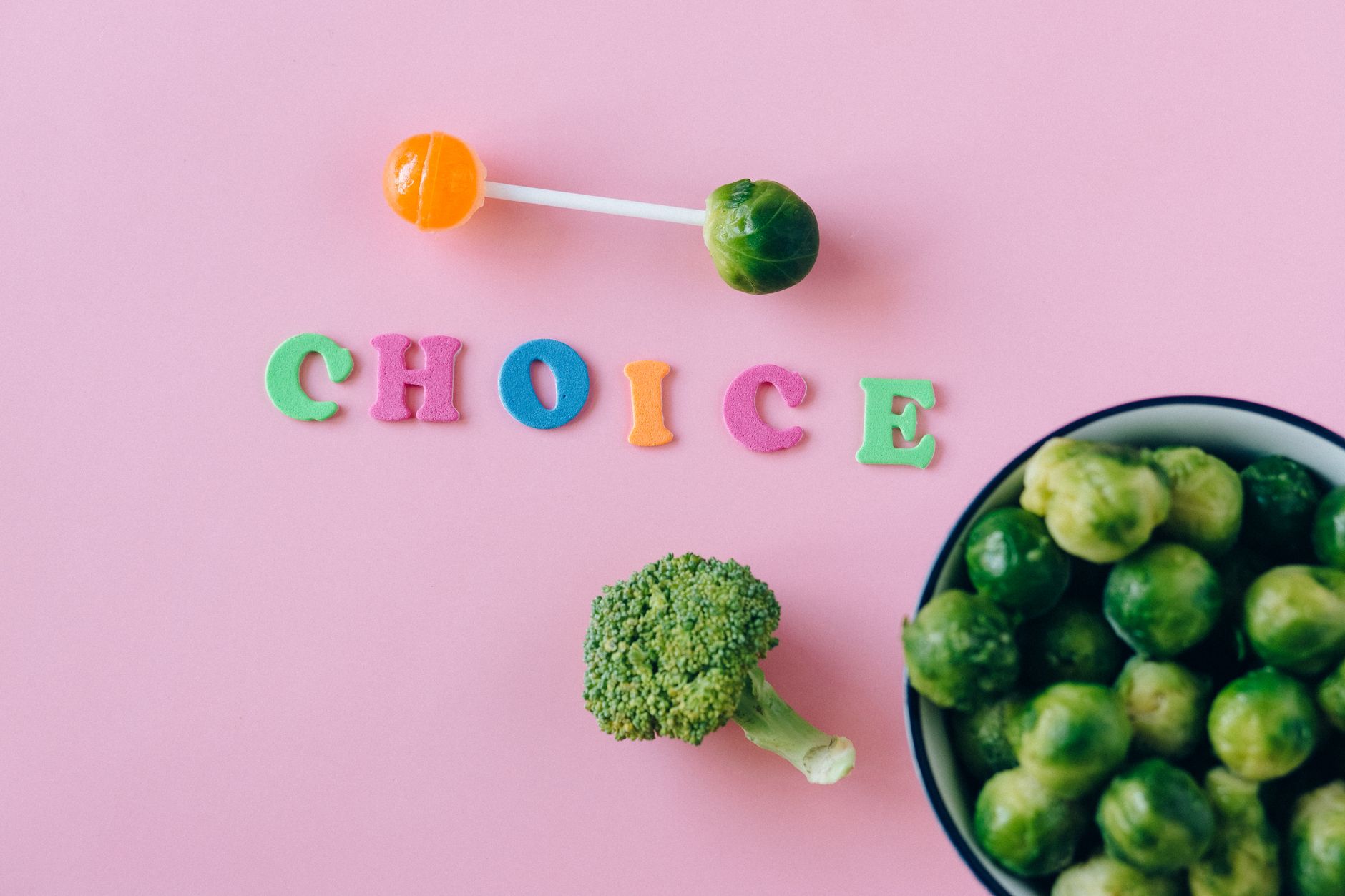
Blood sugar response: Eating vegetables first consistently produces lower postprandial glucose peaks compared to eating carbohydrates first. The difference ranges from modest to significant depending on the carbohydrate load and individual factors.
Insulin demand: Lower glucose peaks generally mean a lower insulin response, which research suggests may support steadier energy and reduced fat storage signals over time.
Satiety: Fiber and protein eaten early activate satiety hormones sooner, which may help you eat a more appropriate amount overall without consciously restricting.
Digestive comfort: Some people find that eating raw, fibrous vegetables on an empty stomach causes more bloating or gas than eating them alongside or after cooked starchy foods. If you are sensitive to this, lightly cooked vegetables eaten first may work better than raw ones.
Practical ease: Eating vegetables first requires a small, deliberate habit shift, not a new diet. It works at home, in a restaurant, and during meal prep routines.
Who Benefits Most From Eating Vegetables First
This strategy is especially relevant if you:
- Experience energy dips roughly one to two hours after eating
- Are managing prediabetes, insulin resistance, or blood sugar variability
- Want to feel fuller without eating larger portions
- Notice afternoon cravings that feel disconnected from actual hunger
For people with well-controlled blood sugar and no particular energy concerns, the benefit is real but modest. You do not have to be rigid about it at every meal. Even applying the approach to your largest or most carbohydrate-heavy meals of the day can make a noticeable difference.
If you are curious how eating order and meal timing interact across the day, Why Your Afternoon Energy Crashes at 3pm and How Meal Order Actually Fixes It connects the same principles to your afternoon performance.
How to Actually Try It at Your Next Meal
You do not need to restructure your meals. Here is a simple approach:
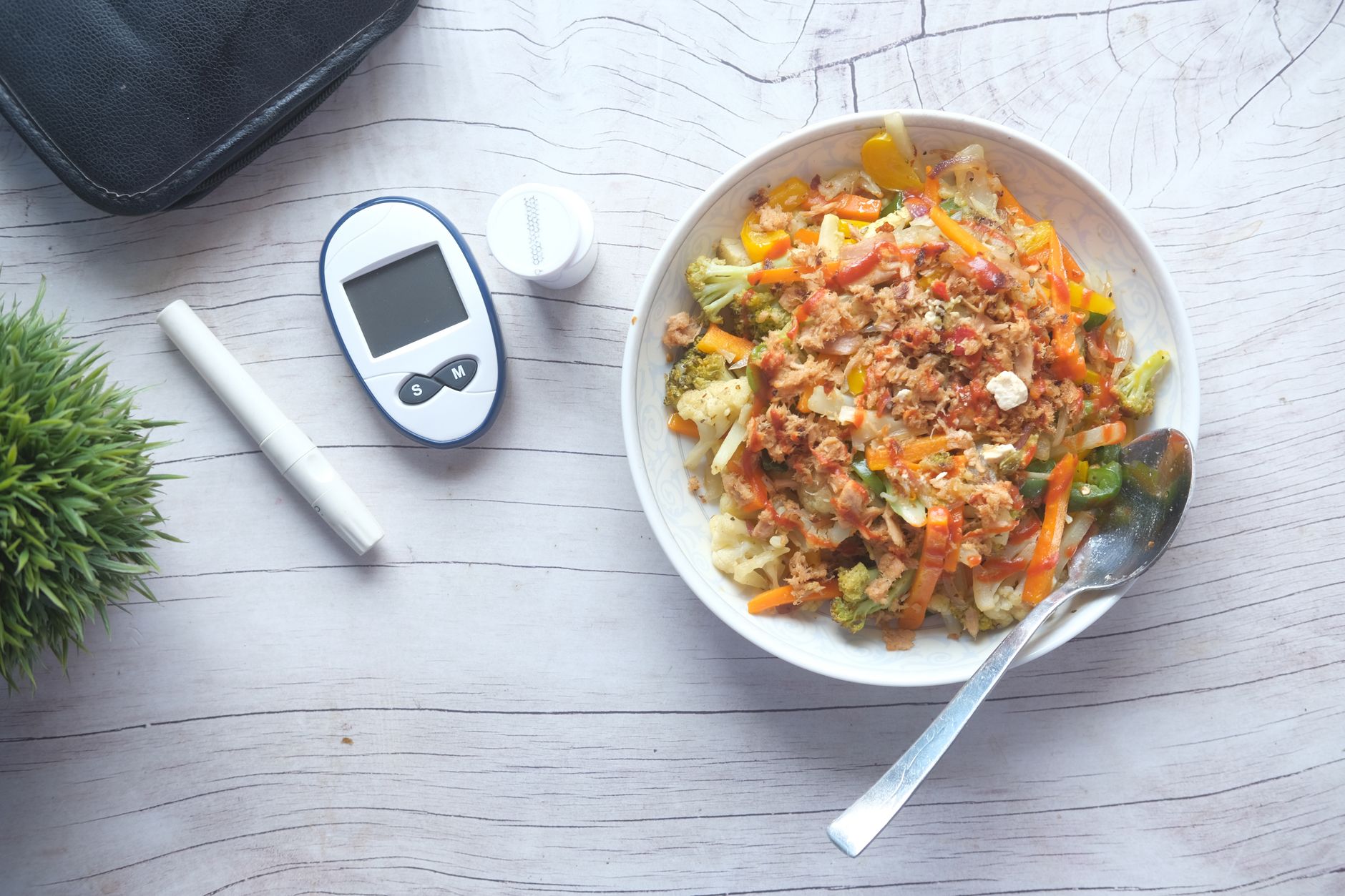
- When your plate is ready, start with the non-starchy vegetables: salad, roasted broccoli, sauteed greens, raw carrots.
- After a few bites, move to protein: chicken, fish, legumes, eggs, tofu.
- Eat your starchy carbohydrates (rice, pasta, bread, potatoes) last or alongside the remaining protein and vegetables.
This takes about 60 seconds of intentional habit change per meal. You are not removing anything, reducing portions, or following a complicated rule. You are simply changing sequence.
For people who want to bring this strategy into broader eating patterns, Digestive Comfort Without Food Swaps: How Meal Timing and Eating Order Reshape Your Afternoon Bloating is a practical companion guide.
A Realistic Takeaway
Eating vegetables first is one of the simplest, lowest-barrier nutrition strategies backed by real evidence. It costs nothing, requires no special foods, and does not ask you to restrict anything. The research suggests it can meaningfully blunt blood sugar spikes and may support satiety and steadier energy.
That said, it is a tool, not a rule. If a meal gets away from you, or vegetables end up at the end of the fork again, nothing is ruined. Progress in nutrition is built through consistent small habits, not perfection at every meal.
Choose one meal this week where you will deliberately eat your vegetables first. See how your energy and hunger feel in the two hours that follow. That single experiment can tell you more than any chart.
For broader weekly guidance on evidence-informed, practical nutrition habits, consider subscribing to the Clean Body Mentor newsletter.
This article is for general educational and informational purposes only and is not a substitute for medical advice, diagnosis, or treatment. Health needs vary by individual. Consult a qualified healthcare professional before making significant changes to your diet, exercise routine, supplements, medication, or treatment plan, especially if you have a medical condition, are pregnant or breastfeeding, take medication, or have concerns about your symptoms.
Sources
- Imai S, et al. “Eating vegetables before carbohydrates improves postprandial glucose excursions.” Nutrients, 2020. (National Institutes of Health, PubMed)
- Kuwata H, et al. “Meal sequence and glucose excursion, gastric emptying and incretin secretion in type 2 diabetes.” Diabetologia, 2016.
- American Diabetes Association. Standards of Medical Care in Diabetes. Diabetes Care, 2024 Supplement.
- USDA Dietary Guidelines for Americans 2020-2025 (dietaryguidelines.gov)


