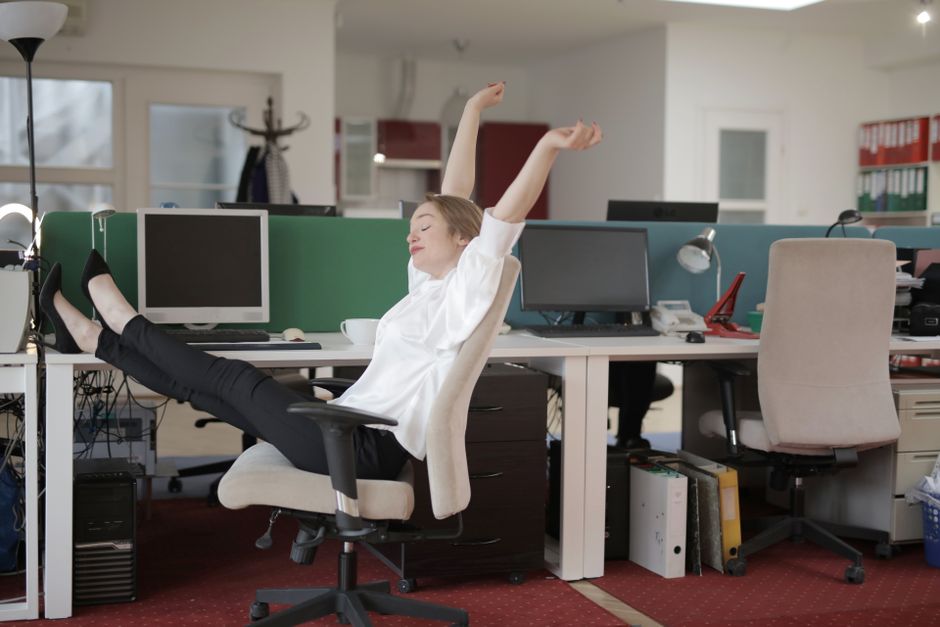
By 2pm your shoulders have crept toward your ears, your hip flexors have shortened from hours of sitting, and your focus has quietly evaporated. You do not need a gym or a yoga mat. You need five targeted desk stretches that take less time than refilling your water bottle.
This guide ranks each stretch by three things that actually matter: how much circulation it restores, how long it takes, and what the evidence says about its effect on posture and energy. Work through all five or drop in just the ones that match your biggest complaint right now.
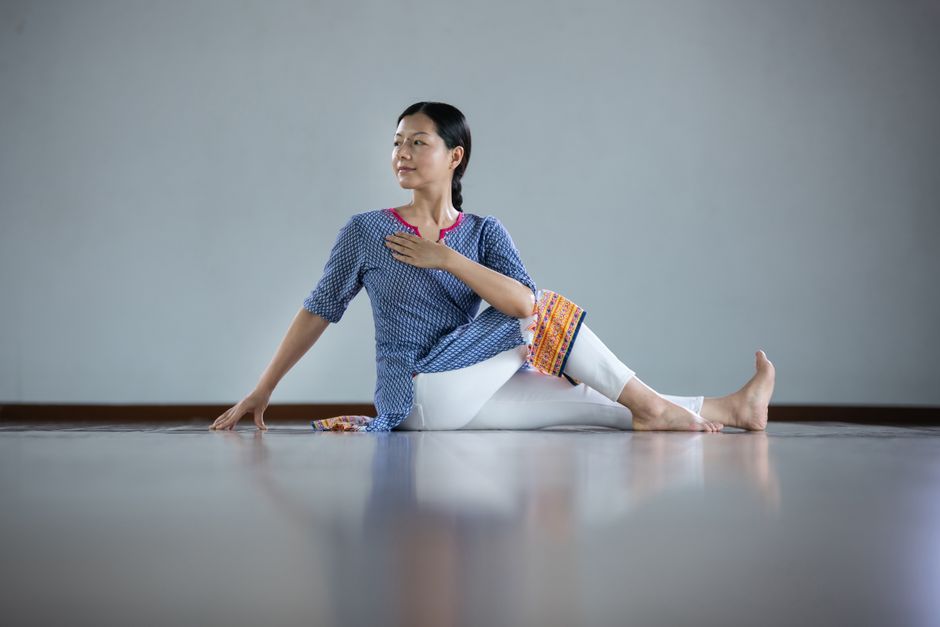
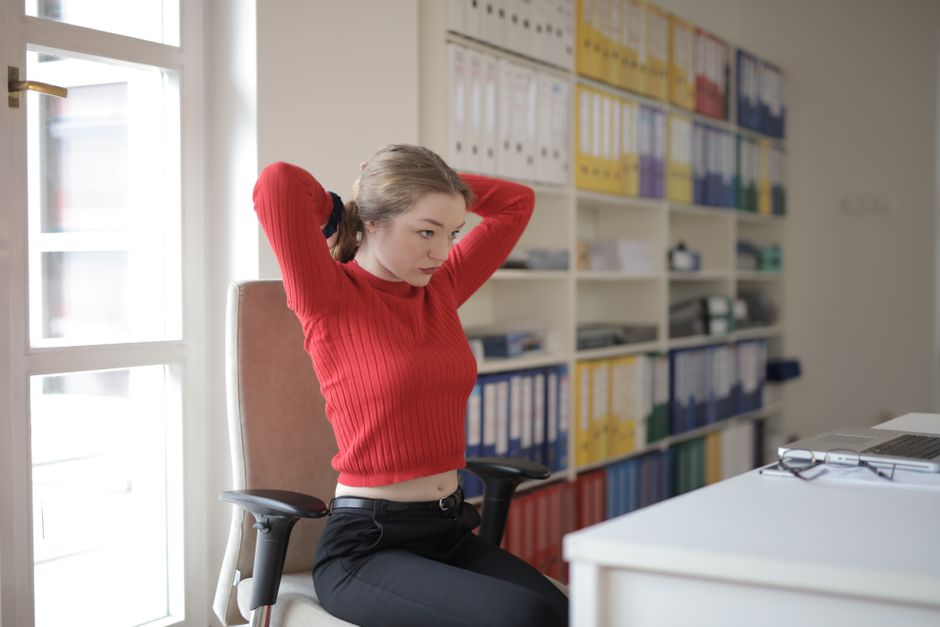
1. Seated Thoracic Extension (Biggest Return on Posture and Breathing)
Time: 45 seconds
Slouching compresses your thoracic spine and flattens your breathing. A compressed thorax reduces the space your diaphragm needs to fully expand, which research published in the Journal of Physical Therapy Science links to both reduced respiratory capacity and increased perceived fatigue.
How to do it: Sit tall and interlace your fingers behind your head. Gently arch backward over the top of your chair back, opening your chest toward the ceiling. Hold three to five slow breaths, then return upright. Repeat twice.
This single move counteracts the forward collapse that hours of screen time creates. If you have an existing neck or spine condition, keep the range small or consult a qualified healthcare professional before adding any loaded extension.
For a fuller routine targeting rounded shoulders, see Stretching for Desk Posture: Five Moves That Reverse Rounded Shoulders in 10 Minutes.
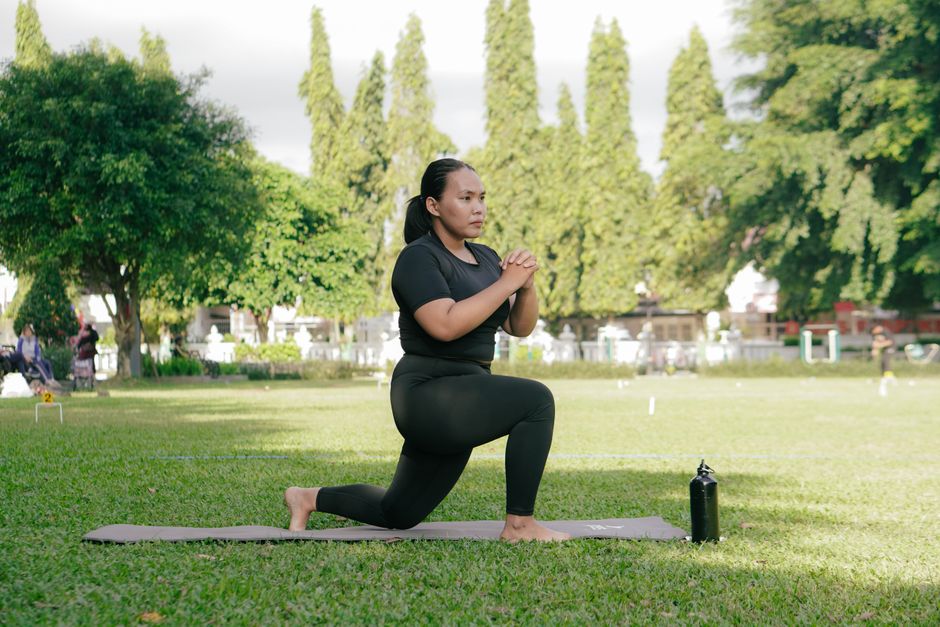
2. Hip Flexor Standing Lunge Stretch (Best for Tight Hips and Lower-Back Fatigue)
Time: 60 seconds
Sitting keeps your hip flexors in a shortened position for hours. Over time this pulls your pelvis into anterior tilt, which loads the lower back and signals a dull ache most desk workers misread as lumbar weakness. Research from the National Institutes of Health (NIH) notes that prolonged sitting is associated with hip flexor tightness that can alter gait and spinal alignment even after you stand up.
How to do it: Stand and step one foot forward into a half-lunge. Keep your back knee off the floor if balance allows, or rest it on a folded jacket for padding. Tuck your pelvis gently under and shift your weight forward until you feel a mild stretch at the front of the rear hip. Hold 20 to 30 seconds per side.
This is the one stretch most people skip because it requires standing, which is exactly why it delivers results the seated-only versions cannot match.
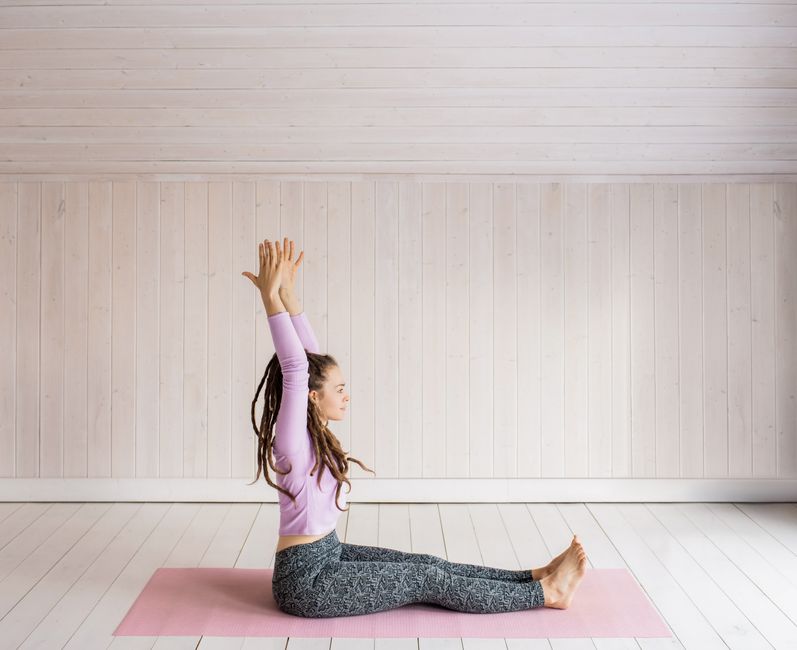
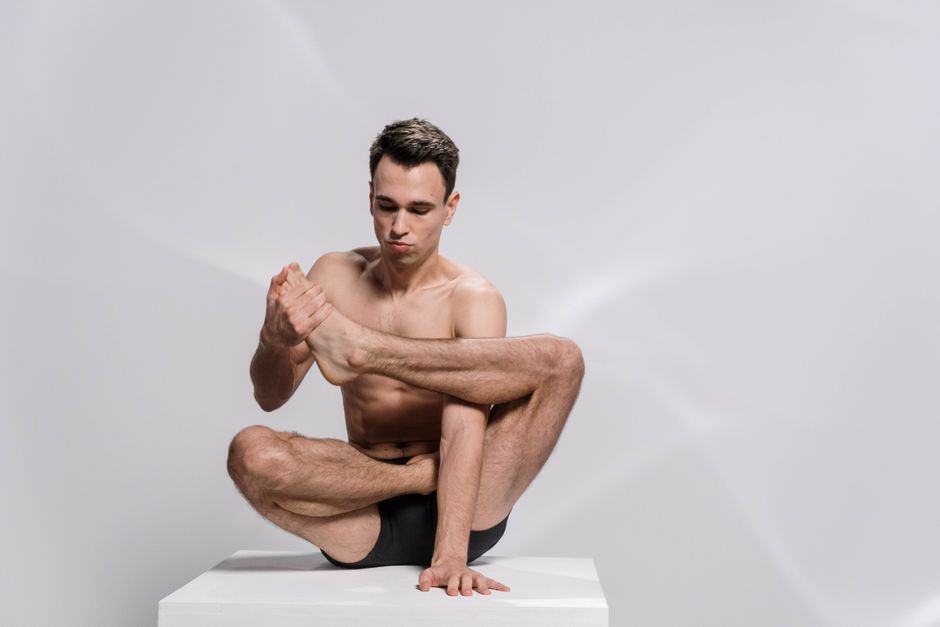
3. Seated Figure-Four Hip Opener (Quickest Circulation Fix Below the Waist)
Time: 60 seconds
When you sit, blood flow through the femoral arteries slows. Crossing one ankle over the opposite knee and gently pressing down on the bent knee creates enough hip external rotation to decompress the piriformis muscle and encourage blood return from the lower limbs. A 2015 study in Medicine and Science in Sports and Exercise found that short bouts of movement during seated work measurably improved postprandial blood flow compared to uninterrupted sitting.
How to do it: Sit upright with both feet flat. Lift your right ankle and place it on your left thigh just above the knee. Sit tall and hinge gently at the hips, leaning forward a few inches. Hold 20 to 30 seconds, then switch sides.
If your knee complains, reduce the lean or simply cross your ankle over the opposite shin instead.
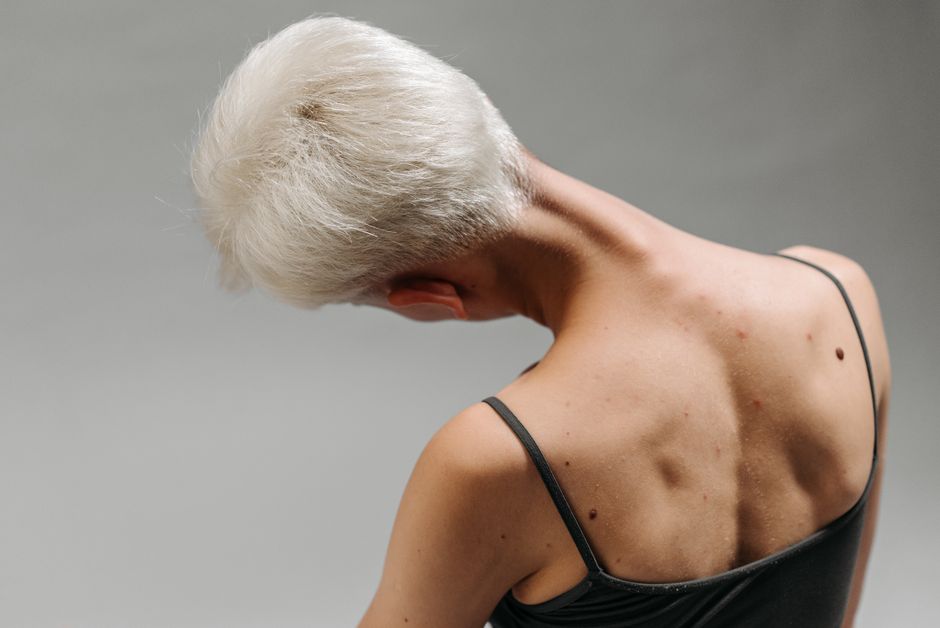
4. Neck and Upper Trap Side-Bend (Fastest Tension Release)
Time: 30 seconds
Video calls, low monitors, and phone glancing pull your head forward and load the upper trapezius. That familiar tightness from your neck into your shoulder blade is not just discomfort; it restricts blood flow to the scalp and contributes to tension headaches. If you have ever noticed your hands tingling after long calls, forward head posture compressing the brachial plexus may be part of the picture. The guide Why Your Hands Go Numb During Video Calls and Desk Stretches That Restore Sensation in Minutes explains the mechanism in more detail.
How to do it: Sit tall and place your right hand gently on the left side of your head. Without pulling, let the weight of your hand guide your right ear toward your right shoulder. Breathe slowly for three breaths, then switch sides. Keep both shoulders relaxed and down.
Thirty seconds feels almost too short. Do it anyway. The upper trap responds quickly to even brief deloading.
5. Seated Torso Rotation With Diaphragm Reset (Best for Digestion and Afternoon Focus)
Time: 45 seconds
Slouching also compresses your colon. Slow gut motility from prolonged sitting is a real phenomenon; research suggests that even short spinal movements during the workday can stimulate the vagus nerve and improve digestive comfort. If desk-related bloating sounds familiar, Digestive Bloating From Desk Posture: Why Slouching Slows Your Gut and Four Stretches That Fix It in Minutes is worth reading alongside this article.
How to do it: Sit upright with feet flat. Inhale, then as you exhale, rotate your torso to the right and place your left hand on your right knee. Hold the rotation for two slow breaths, allowing each exhale to deepen the twist gently. Return to center and repeat on the left side.
The deep exhale during rotation massages the ascending colon on the right and the descending colon on the left, which may ease that mid-afternoon bloated heaviness many desk workers feel after lunch.
How to Use These Five Together
All five desk stretches take roughly four to five minutes when done back to back. The sequence below flows logically from the spine outward:
- Thoracic extension (opens the chest and resets breathing)
- Neck side-bend (releases upper trap tension)
- Seated figure-four (restores lower-body circulation)
- Torso rotation (stimulates digestion and vagus nerve)
- Standing hip flexor lunge (lengthens hip flexors and resets pelvic alignment)
Doing this once mid-morning and once after lunch pairs well with what you eat. If your afternoon energy still flags after moving, your meals may also be contributing. Why Your Afternoon Energy Crashes at 3pm and How Meal Order Actually Fixes It explores that connection clearly.
A Realistic Starting Point
You do not need to build a perfect five-move routine from day one. Pick the single stretch that matches your biggest complaint right now, whether that is tight hips, neck tension, or sluggish digestion, and practice it every day this week. Consistency over days beats perfection over one afternoon.
If you want broader movement support beyond desk stretches, the Clean Body Mentor newsletter delivers practical weekly guidance on movement, meals, and sustainable healthy habits. You are welcome to join whenever it feels right.
Sources
- Cho, M. (2015). Effects of sitting posture on respiratory function in young adults. Journal of Physical Therapy Science, 27(7). National Institutes of Health PubMed database.
- Dunstan, D.W. et al. (2012). Breaking up prolonged sitting reduces postprandial glucose and insulin responses. Diabetes Care. American Diabetes Association.
- Thorp, A.A. et al. (2015). Prolonged sedentary time and physical activity in workplace and non-work contexts. Medicine and Science in Sports and Exercise. American College of Sports Medicine.
- National Institutes of Health (NIH): general guidance on musculoskeletal effects of prolonged sitting, available at nih.gov.
This article is for general educational and informational purposes only and is not a substitute for medical advice, diagnosis, or treatment. Health needs vary by individual. Consult a qualified healthcare professional before making significant changes to your diet, exercise routine, supplements, medication, or treatment plan, especially if you have a medical condition, are pregnant or breastfeeding, take medication, or have concerns about your symptoms.