

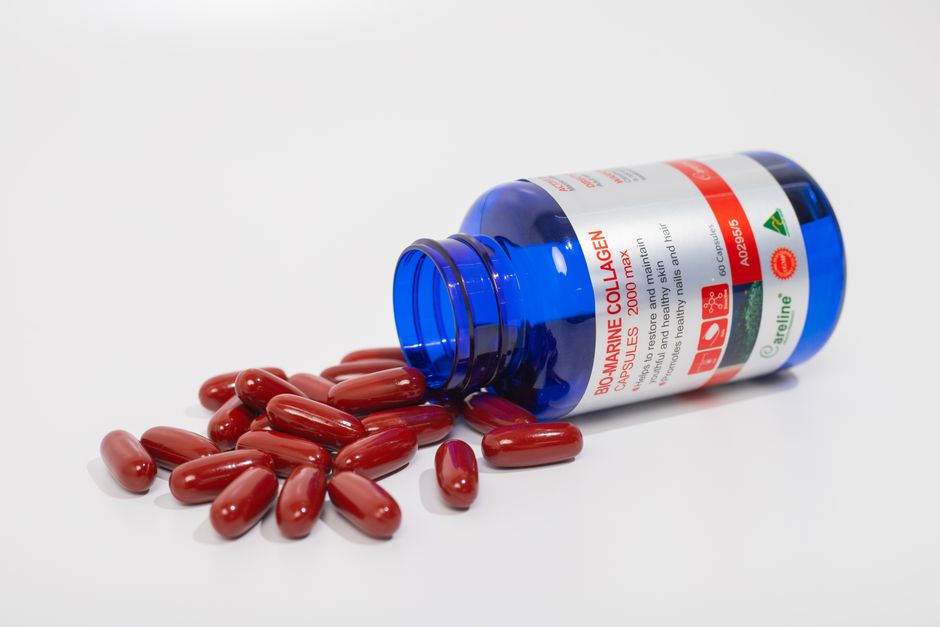
If your knees ache after a run, your joints feel stiff in the morning, or you are simply trying to stay mobile as you get older, you have probably seen collagen supplements and bone broth marketed as the answer. The products are everywhere, the claims are bold, and the price tags vary wildly.
The honest summary: some evidence supports certain collagen-focused strategies, but the research is still maturing, and a thoughtful dietary pattern may accomplish much of the same thing for less money. This comparison breaks down what each approach actually delivers so you can make a choice that fits your budget, lifestyle, and real needs.
What Collagen Actually Does in Your Body
Collagen is the most abundant protein in the human body. It provides structure to cartilage, tendons, ligaments, skin, and bone. Your body builds collagen by combining amino acids, primarily glycine, proline, and hydroxyproline, with vitamin C acting as a required co-factor for the process.
Collagen production naturally slows starting in your mid-twenties and continues declining with age. Physical stress, inadequate protein intake, and low vitamin C can accelerate that decline. Supporting collagen synthesis, therefore, comes down to supplying the right raw materials consistently, not necessarily buying any particular product.
Collagen Supplements: What the Research Actually Shows
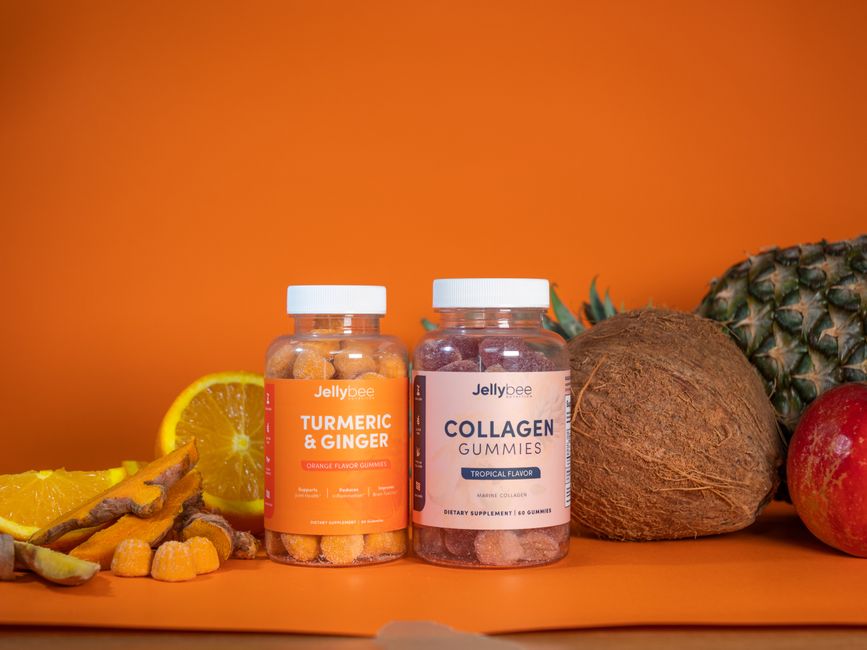
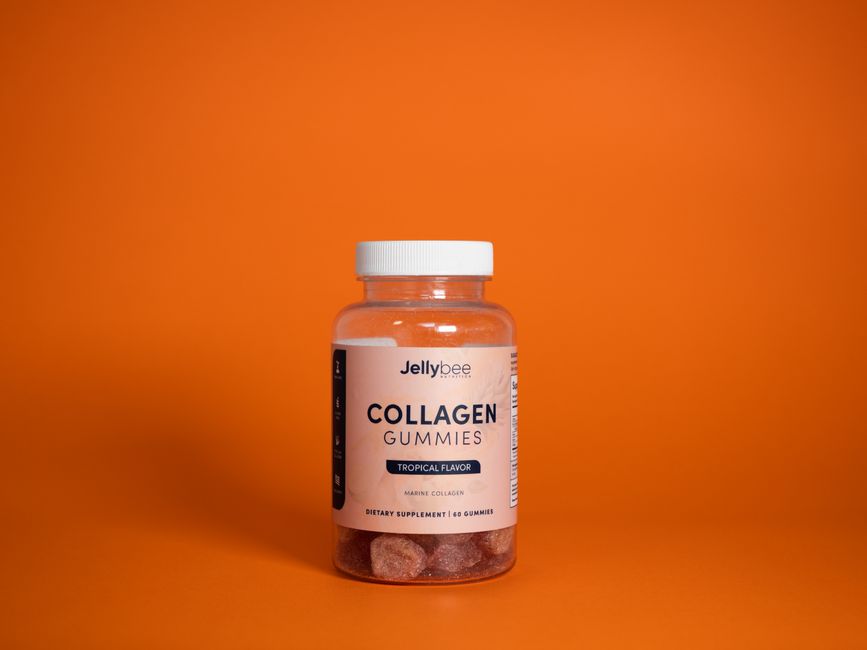
Hydrolyzed collagen peptides (the form found in most powders) are broken into smaller fragments that absorb efficiently through the gut. Several randomized controlled trials suggest collagen peptides may help reduce joint discomfort in people with osteoarthritis and may support cartilage tissue in athletes with activity-related knee pain. A frequently cited review published in the British Journal of Sports Medicine (Shaw et al., 2017) found that gelatin combined with vitamin C before exercise increased collagen synthesis markers in connective tissue, though the study was small.
The evidence is real but modest. Many trials are funded by supplement manufacturers, sample sizes tend to be small, and effect sizes vary. The doses used in positive studies typically range from 10 to 15 grams of hydrolyzed collagen daily, often combined with vitamin C, taken 30 to 60 minutes before activity.
What it costs you: Quality collagen peptide powders run roughly 1.50 to 2.50 USD per serving. That adds up over months.
Who it may suit: People who want a convenient, measured dose, those who dislike cooking, or athletes with specific connective-tissue recovery goals.
The limitation: Collagen peptides are not a complete protein. They lack tryptophan and are low in several essential amino acids, so they should not replace your primary protein sources. Pairing them with a balanced diet matters more than the powder alone. For a broader look at how whole-food protein sources compare, Whole-Food Plant Proteins Ranked by Satiety, Cost, and Prep Time is a useful starting point.

Bone Broth: Nourishing, But Not the Miracle It Is Sold As
Bone broth is made by simmering animal bones (often with connective tissue and cartilage) for many hours. The process extracts gelatin, collagen-related peptides, minerals, and glycine. It is genuinely nutritious and has been a staple in many food cultures for centuries.
Here is the honest catch: the collagen and gelatin content of bone broth varies enormously depending on the bones used, cooking time, and whether acid (like a splash of vinegar) is added to draw out minerals. A cup of commercial bone broth may contain 2 to 5 grams of protein, far less than the 10 to 15 gram doses studied in collagen peptide trials.
Bone broth is also low in vitamin C, which your body needs to actually synthesize collagen. Drinking broth without adequate vitamin C in your overall diet means you are missing a critical step.
What it costs you: Homemade bone broth from leftover roast chicken or beef bones can cost nearly nothing. Store-bought versions range widely in price and quality.
Who it may suit: People who enjoy warming, savory foods, home cooks already making stock, and anyone who wants a low-effort protein addition to soups and grains.
The limitation: Inconsistent collagen content and no built-in vitamin C. Think of it as a supportive food, not a therapeutic dose.
If you are interested in how recovery nutrition integrates with training, Hydration for Strength Training Recovery: When Water Alone Falls Short and What Electrolytes Actually Do covers the complementary side of that picture.
Whole-Food Collagen Builders: The Approach Most People Overlook
Your body does not strictly need pre-formed collagen. It needs the amino acid building blocks and co-factors to make its own. A dietary pattern that provides these consistently is arguably the most sustainable and cost-effective approach.
Key nutrients and where to find them:
- Glycine and proline: Found in meat, poultry, fish (especially skin-on), eggs, and legumes
- Vitamin C: Citrus fruit, bell peppers, kiwi, strawberries, broccoli (the USDA notes that most adults can meet their vitamin C needs through whole foods alone)
- Zinc: Pumpkin seeds, legumes, meat, and shellfish (zinc supports collagen-forming enzymes)
- Copper: Nuts, seeds, organ meats, and dark leafy greens
- Lysine: An essential amino acid found in meat, fish, dairy, eggs, and legumes that supports collagen cross-linking
A practical example: a dinner of roasted chicken thighs (with skin), a side of broccoli, and a small handful of pumpkin seeds provides glycine, proline, vitamin C, and zinc in one meal, no powder required.
Plant-based eaters can still support collagen synthesis well by prioritizing vitamin C-rich vegetables, legumes, and zinc-containing seeds, though they may need to pay closer attention to overall protein variety. The guide to Five Whole-Food Dinner Recipes That Deliver Complete Protein on a Plant-Based Budget offers practical meal ideas that fit this approach.
What it costs you: Very little beyond a balanced grocery run.
Who it may suit: Anyone building sustainable habits, budget-conscious households, and people who prefer food-first nutrition strategies.
Side-by-Side Comparison
| Approach | Typical collagen/protein per serving | Vitamin C included | Cost per day | Convenience |
|---|---|---|---|---|
| Collagen peptides | 10-15 g peptides | No (add separately) | Moderate-high | High |
| Bone broth | 2-5 g protein (variable) | No | Low-moderate | Medium |
| Whole-food pattern | Variable, potentially high | Yes (from produce) | Low | Medium |
Which Approach Should You Actually Choose?
The answer depends on your priorities:
- If you want measured, consistent dosing with minimal effort, hydrolyzed collagen peptides taken with a vitamin C source before or after exercise represent the most studied protocol. Keep expectations realistic: the benefit is modest and gradual.
- If you enjoy cooking and want to reduce food waste, making bone broth from leftover bones is a smart, low-cost habit. Pair it with vitamin C-rich vegetables in the same meal to make the most of it.
- If you want the most sustainable long-term strategy, building a dietary pattern that consistently supplies glycine, proline, vitamin C, zinc, and lysine is evidence-informed, budget-friendly, and supports whole-body health beyond just joints.
For recovery-focused readers, combining any of these collagen strategies with broader practices like adequate sleep, controlled training load, and appropriate movement matters as much as the protein source. The article Seven Recovery Practices That Actually Reduce Muscle Soreness Better Than Ice Baths or Compression Sleeves is a good companion read.
The clearest takeaway: none of these three approaches is a shortcut, and all three work best when the rest of your nutritional foundation is solid. Choose the one you will actually stick to.
Ready to take one small step? Pick a single change this week: add a vitamin C-rich vegetable to dinner, stir collagen peptides into your morning coffee, or batch a pot of bone broth from your next roast. Consistent, small actions matter more than the perfect protocol. Subscribe to the Clean Body Mentor newsletter for practical, evidence-informed wellness guidance every week.
Disclaimer: This article is for general educational and informational purposes only and is not a substitute for medical advice, diagnosis, or treatment. Health needs vary by individual. Consult a qualified healthcare professional before making significant changes to your diet, exercise routine, supplements, medication, or treatment plan, especially if you have a medical condition, are pregnant or breastfeeding, take medication, or have concerns about your symptoms.

Sources
- Shaw G, et al. (2017). Vitamin C-enriched gelatin supplementation before intermittent activity augments collagen synthesis. British Journal of Sports Medicine. (Author and journal cited; verify full details at bjsm.bmj.com)
- National Institutes of Health Office of Dietary Supplements: Vitamin C Fact Sheet for Health Professionals (ods.od.nih.gov)
- USDA FoodData Central (fdc.nal.usda.gov) for amino acid and micronutrient content of whole foods
- Proksch E, et al. (2014). Oral supplementation of specific collagen peptides has beneficial effects on human skin physiology. Skin Pharmacology and Physiology. (Supporting context on collagen peptide absorption)


