


You’re sitting at your desk around 2:15 p.m. Nothing dramatic happened. You ate lunch. You had your coffee. And yet something shifts: a low-grade irritability, a flattening of motivation, maybe a vague sense of dread or sadness that feels disproportionate to the day. You reach for a snack or another cup of coffee, but neither quite fixes the feeling.
Here’s what’s often happening beneath the surface: the emotional dip arrives well before true hunger does, and food alone rarely resolves it. The more likely culprit is a combination of mineral depletion, mild fluid imbalance, and a blood-sugar pattern that affects how your nervous system regulates mood. Afternoon mood crash electrolyte timing turns out to be a more useful lens than willpower or snack choices.

The Mood-Before-Hunger Gap Is Real
Your gut-brain axis (the communication highway between your digestive tract and your central nervous system) doesn’t send one clean signal. It sends many, and they arrive at different speeds. Blood-sugar fluctuations can influence neurotransmitter activity and cortisol output within an hour of a meal. Electrolyte changes travel faster through nerve pathways than hunger hormones like ghrelin, which tend to build gradually and peak later.
Research published by the National Institutes of Health notes that sodium, potassium, and magnesium all play direct roles in nerve conduction and the regulation of mood-relevant neurotransmitters, including serotonin and dopamine precursors. When these minerals dip, the nervous system’s signaling becomes less efficient before your stomach registers any emptiness.
This explains a pattern that many people recognize but rarely name: the emotional flatness hits around 2 p.m., hunger arrives closer to 3 or 3:30 p.m., and by then you’ve already eaten something reactive (usually something sweet or caffeinated) that doesn’t address the original deficit.
For a deeper look at how gut-brain timing shapes this cycle, the companion guide Why Your Afternoon Mood Crashes Before Your Energy Does: Gut-Brain Timing and Which Lunch Pairs Actually Prevent It covers the neurological side in more detail.

A Case Study: What Changed When Timing Shifted
Consider a composite picture drawn from common patterns: a person working from home, eating a moderate lunch around noon (a grain bowl with vegetables and a small amount of protein), drinking water inconsistently through the morning, and skipping any structured afternoon hydration. By 2 p.m., they’re irritable and unfocused. By 3 p.m., they’re craving something crunchy or sweet.
When three changes were introduced over two weeks, the afternoon pattern shifted noticeably:
-
Lunch protein was increased. Moving from roughly 15 grams to 30 or more grams of protein at lunch stabilized post-meal blood sugar more effectively. This aligns with research on protein’s role in glucagon response and satiety signaling (see the NIH’s coverage of dietary protein and glycemic stability).
-
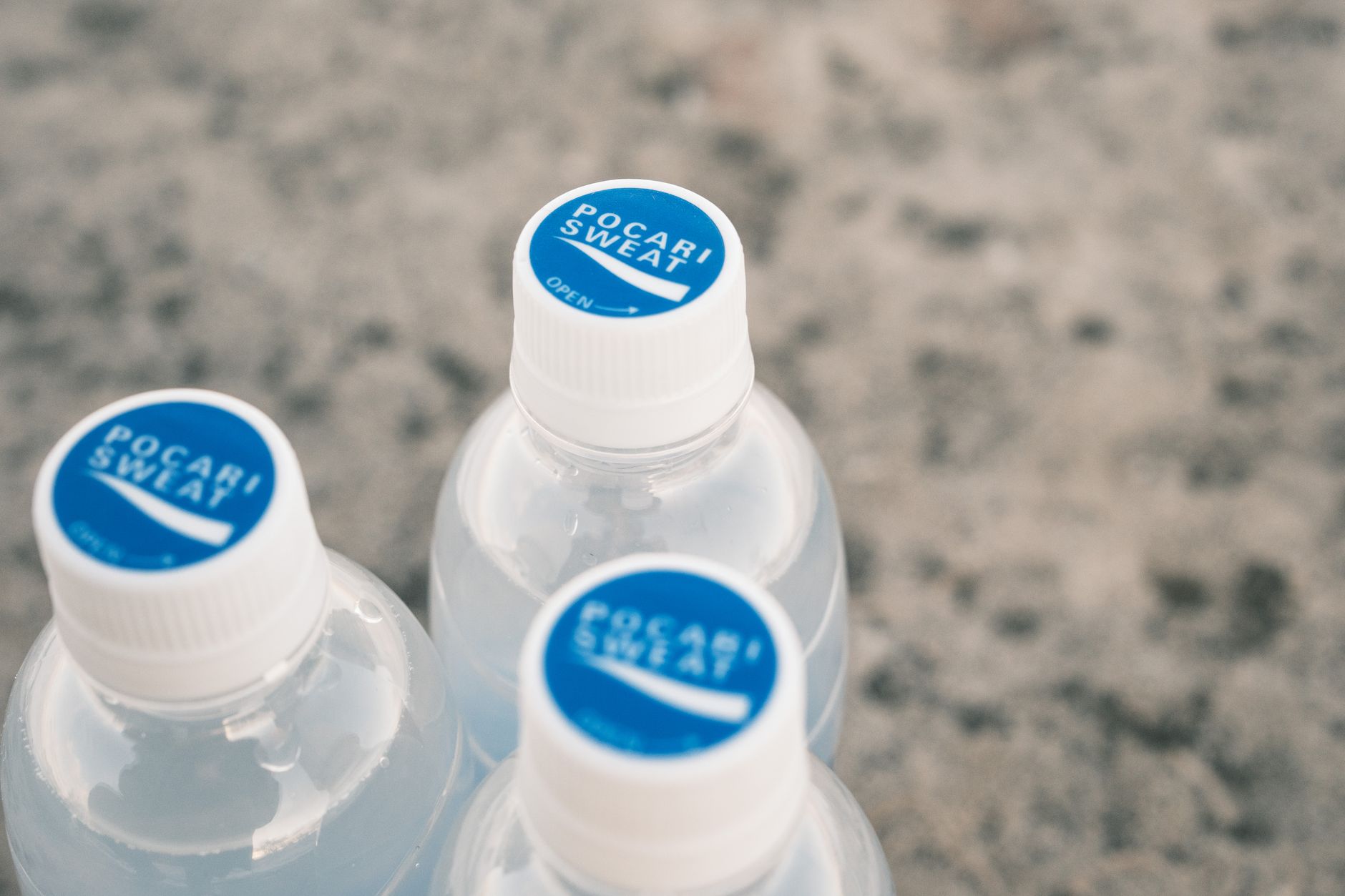
A small electrolyte drink was timed at 1:30 p.m. Not a sugary sports drink but a low-calorie option providing sodium (around 300-500 mg), potassium (around 150-300 mg), and magnesium (around 40-60 mg), consumed 90 minutes after lunch. This window falls just as the post-meal absorptive phase begins to taper.
-
The afternoon coffee was delayed or removed. Caffeine taken at 2 p.m. or later can suppress adenosine and mask fatigue without addressing the mineral gap, which then rebounds harder in the evening. Caffeine Timing: Morning vs. Afternoon Tea and Coffee Ranked by Focus, Sleep, and Energy Stability explores the specific timing tradeoffs.
The result was not dramatic, but it was consistent: the 2 p.m. mood dip became noticeably less intense within four to five days, and the craving for reactive snacks reduced on its own.
Why Electrolytes Affect Mood Before They Affect Energy
Most people associate electrolytes with physical endurance or post-workout recovery. But minerals like magnesium and potassium are equally critical to cognitive and emotional regulation. Magnesium in particular has a well-documented role in modulating the HPA (hypothalamic-pituitary-adrenal) axis, the system that governs your stress hormone response.
When magnesium is low, the HPA axis tends to be more reactive, which means smaller stressors produce a larger cortisol spike. By early afternoon, after several hours of waking activity and mild ongoing stress, that reactivity can manifest as irritability, low mood, or difficulty concentrating, all before you feel conventionally hungry.
The Electrolytes vs. Water Alone for Sustained Afternoon Focus: When Minerals Actually Matter for Energy and Concentration article covers the evidence behind mineral timing and cognitive function in more detail.
Sodium matters too. Mild hyponatremia (lower-than-optimal blood sodium) is associated in clinical literature with low mood and cognitive sluggishness even when it doesn’t reach diagnosable thresholds. Sweating lightly through a morning of work at a warm desk, combined with drinking plain water and skipping sodium-containing foods at lunch, can nudge you toward this range by mid-afternoon.
Practical Timing Strategies That Work With Your Day
You don’t need a supplement protocol to shift this pattern. The most sustainable changes are structural:
Anchor lunch protein near 30 grams. This doesn’t require elaborate meal prep. Eggs, Greek yogurt, canned fish, or a legume and grain combination can hit this range simply. Why Your Afternoon Brain Fog Lifts When You Eat Protein First at Lunch outlines the specific sequencing logic.
Time a small electrolyte source 60-90 minutes after lunch. Options include a pinch of sea salt in water with a squeeze of lemon, a potassium-rich snack like a banana paired with a small amount of salted nuts, or a low-sugar electrolyte powder. The goal is to replenish before the nervous system signals distress, not after.
Eat lunch away from your screen. Eating while multitasking impairs the cephalic phase of digestion and may blunt the satiety signaling that would otherwise carry you comfortably to a later hunger window. Mindful Eating Without Guilt: How Slowing Down Changes Hunger Signals More Than Portion Control makes this case with more context.
Drink 8 to 12 ounces of water with that electrolyte source. Not a large bottle all at once; a moderate amount timed intentionally helps the minerals absorb and signals the body to stay out of a mild conservation mode that can contribute to fatigue and mood shifts.

Separating What the Evidence Supports
It’s worth being clear about what the research does and doesn’t confirm. The connection between magnesium depletion and mood is supported by multiple systematic reviews, including work published in the journal Nutrients (2017, Boyle et al.). The role of sodium in cognitive and emotional regulation is documented in clinical physiology, though most studies focus on more severe depletion.
What is less established is whether supplementing electrolytes in already well-nourished individuals produces measurable mood improvements. The benefit seen in practice may partly reflect improved hydration, reduced blood-sugar volatility from the protein anchor at lunch, and the behavioral effect of a consistent afternoon routine rather than the minerals alone. That matters: it means the whole pattern is the intervention, not any single element.
If your afternoon mood crashes are severe, persistent, or accompanied by symptoms like significant anxiety, fatigue that doesn’t improve with rest, or changes in appetite over weeks rather than hours, those patterns deserve a conversation with a qualified healthcare professional rather than a hydration adjustment.

A Small Change Worth Trying Today
Choose one element from above and try it consistently for five days before adding another. The 1:30 p.m. electrolyte timing is a good starting point because it requires the least change to your existing routine and creates a natural checkpoint in your afternoon. Notice whether the mood shift is earlier, milder, or shorter. That observation, more than any single strategy, will tell you what your body actually needs.
For more practical approaches to afternoon energy and nutrition, the Clean Body Mentor newsletter delivers weekly, evidence-informed guidance without extreme diets or unrealistic expectations.
This article is for general educational and informational purposes only and is not a substitute for medical advice, diagnosis, or treatment. Health needs vary by individual. Consult a qualified healthcare professional before making significant changes to your diet, exercise routine, supplements, medication, or treatment plan, especially if you have a medical condition, are pregnant or breastfeeding, take medication, or have concerns about your symptoms.

Sources
- Boyle, N.B., Lawton, C., and Dye, L. (2017). The effects of magnesium supplementation on subjective anxiety and stress. Nutrients, 9(5), 429. Published via PubMed/NIH.
- National Institutes of Health, Office of Dietary Supplements: Magnesium Fact Sheet for Health Professionals (ods.od.nih.gov).
- National Institutes of Health, Office of Dietary Supplements: Potassium Fact Sheet for Health Professionals (ods.od.nih.gov).
- Renneboog, B., et al. (2006). Mild chronic hyponatremia is associated with falls, unsteadiness, and attention deficits. The American Journal of Medicine, 119(1), 71.e1-71.e8.
- Dhillon, K.K., and Gupta, S. (2023). Biochemistry, Renal Glucose Reabsorption. StatPearls, NIH/NCBI.


