


Most people do not abandon movement because they are lazy. They abandon it because they chose the wrong movement for their actual life. You set a gym membership goal in January, went four times, and then stopped. Or you downloaded a walking app, logged three enthusiastic days, and never opened it again. Sound familiar?
This comparison is not about which option burns the most calories in a clinical trial. It is about which one you will still be doing in month two, month six, and next year. When it comes to outdoor walking vs. gym sustainable weight loss, the research on adherence matters far more than the research on metabolic peak output.

What the Research Says About Adherence
Consistency is the biggest determinant of long-term fat loss and body composition change, and consistency depends heavily on enjoyment and perceived effort. A 2012 study published in the journal Health Psychology found that people who found their exercise personally meaningful reported significantly higher adherence at six months compared with those who chose exercise based on calorie burn alone.
Gym dropout rates are well documented. Research published in ACSM’s Health and Fitness Journal has repeatedly noted that roughly half of new gym members stop attending within six months. Walking, by contrast, has one of the highest long-term adherence rates of any physical activity, particularly in adults over 35, partly because the entry barrier is nearly zero.
If you are curious about the psychological side of why strength training momentum tends to collapse around week three, the Clean Body Mentor guide on Strength Training Motivation Fades by Week Three: The One Habit That Makes It Stick at Home goes deeper on that specific challenge.

Calorie Burn and Metabolic Impact: Honest Numbers
Gym strength training wins on resting metabolic rate over time. Building lean muscle increases the number of calories your body burns at rest, which supports a gradual calorie deficit without requiring you to exercise more. The CDC notes that muscle-strengthening activities, combined with aerobic movement, produce better body composition outcomes than either approach alone.
Outdoor walking, meanwhile, delivers a surprisingly solid calorie burn when you account for duration and terrain. A 150-pound adult walking briskly for 45 minutes burns approximately 200 to 250 calories, comparable to a moderate gym session for a beginner. Add hills or varied surfaces and that number rises. The article on Trail Walking vs. Flat Pavement: Which Surface Builds Better Foot Stability and Everyday Strength explains how changing terrain adds load without changing effort perception.
For sustainable weight management, the winning approach is the one you repeat consistently enough to maintain a modest, long-term calorie deficit. A 30-minute walk four days a week beats a 60-minute gym session you attend twice and then skip.

Mental Health and Mood: Where Walking Has a Structural Advantage
Outdoor walking has a measurable edge over indoor gym training for stress reduction and mood regulation. Research from Stanford University found that participants who walked in a natural environment for 90 minutes showed reduced activity in the region of the brain associated with rumination compared with those who walked in an urban area or exercised indoors.
Nature exposure adds what researchers call “attention restoration,” a cognitive reset that is harder to replicate in a gym environment. For people managing chronic stress or anxiety, that reset can make outdoor walking feel genuinely restorative rather than obligatory.
Strength training, however, produces consistent mood benefits through a different mechanism: the progressive mastery loop. Each time you add a small amount of resistance or complete a form milestone, your nervous system registers a competence signal. That signal is motivating. If you have been intimidated by gym environments in the past, How to Build Intuitive Strength Training Confidence When Gym Intimidation Has Kept You Home is worth reading before you rule it out.
Cost and Accessibility: A Practical Comparison
| Factor | Outdoor Walking | Gym Training |
|---|---|---|
| Monthly cost | Near zero | $20 to $80+ |
| Equipment needed | Supportive shoes | Variable |
| Weather dependency | High | Low |
| Time flexibility | High | Moderate |
| Skill barrier | Very low | Low to moderate |
| Social accountability | Low (unless group) | Moderate to high |
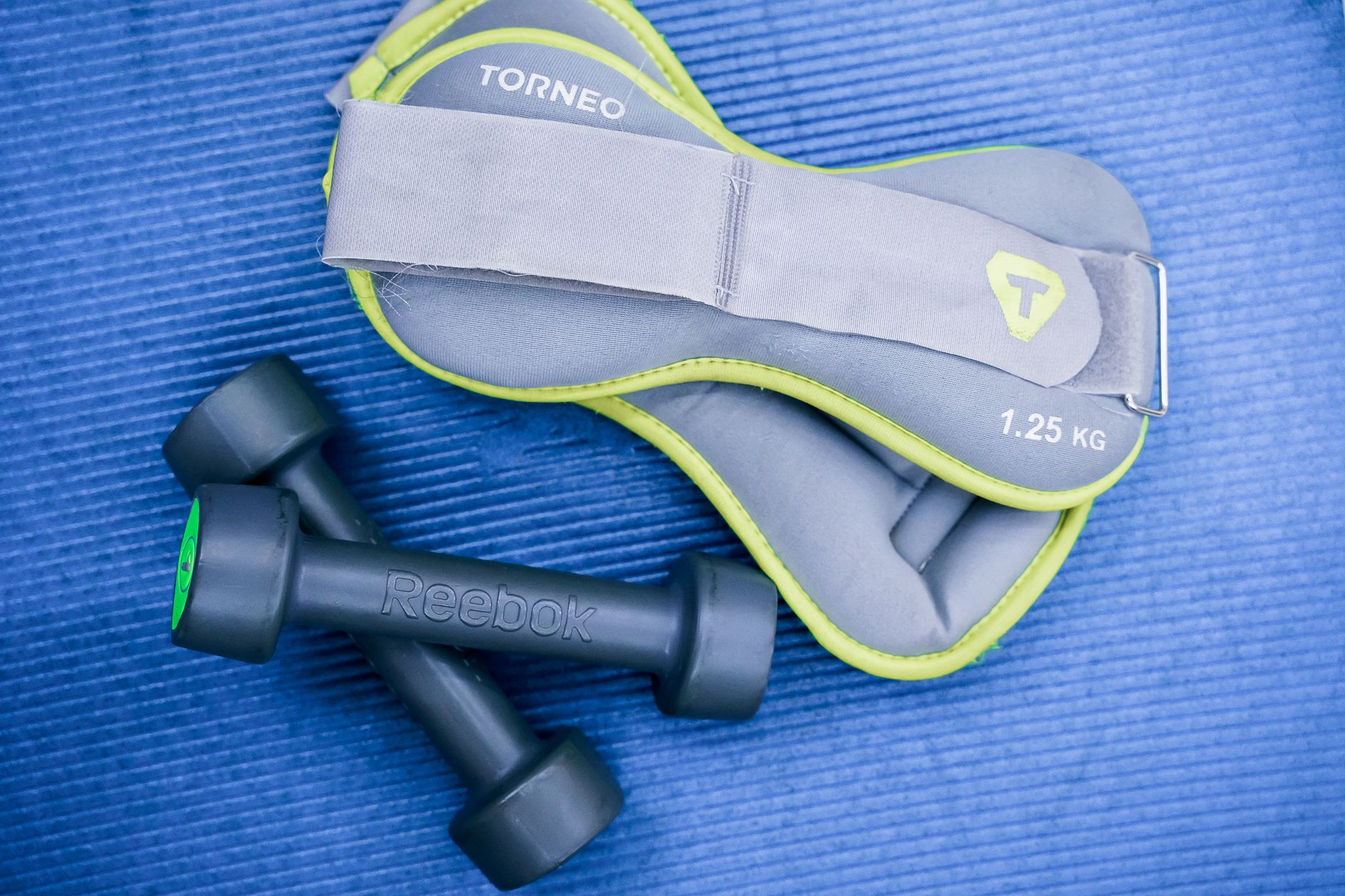
Cost matters for long-term adherence. A gym membership that feels financially punishing can create resentment rather than motivation. Walking is free. That said, a home-based strength program using bodyweight or resistance bands can capture most of the metabolic benefits of gym training at minimal cost. The comparison of Resistance Bands vs. Dumbbells vs. Bodyweight for Home Strength can help you evaluate which tool fits your budget and space.
Which One Fits Your Psychology?
This is the question that actually determines success. Consider your honest answers to these prompts:
- Do you feel energized after being outside, or do you need to escape weather and noise to focus?
- Do you enjoy visible, measurable progress (reps, weights, body composition), or does slower, cumulative change suit your patience?
- Is your biggest obstacle time, cost, intimidation, boredom, or logistics?
- Have you historically stuck with solo activities or group/structured formats?
If you need low friction and mental relief, outdoor walking has a structural advantage. If you respond to progress metrics and want body composition change with less weekly time investment, strength training earns its place.
The most sustainable outcome for most busy adults is probably both, introduced one at a time. Start with the lower-friction option to build the habit of moving consistently, then layer in the second modality once the first feels automatic. Building a Realistic Walking Routine That Survives Beyond Week Four outlines the behavioral mechanics of making that first layer stick.

A Practical Starting Point
Choose one action from the list below and practice it for two weeks before adding anything else:
- If you choose walking: Commit to 20 to 30 minutes, three days a week, same time each day. Use a fixed route so decision fatigue does not become an obstacle.
- If you choose gym or home strength training: Schedule two sessions per week, focus on three compound movements, and define what “done” looks like before you start so you do not negotiate with yourself midway through.
- If you are undecided: Take a 20-minute outdoor walk today. Notice whether it felt restorative or frustrating. That response tells you something real.
Sustainable weight management is not built on the perfect program. It is built on the program you actually do. If your food choices need attention alongside your movement plan, Sustainable Weight Loss Without Restriction: How Real Meal Patterns Beat Calorie Counting is a natural companion read.
If you found this comparison useful, the Clean Body Mentor newsletter delivers practical weekly guidance across movement, nutrition, and mental well-being directly to your inbox.
This article is for general educational and informational purposes only and is not a substitute for medical advice, diagnosis, or treatment. Health needs vary by individual. Consult a qualified healthcare professional before making significant changes to your diet, exercise routine, supplements, medication, or treatment plan, especially if you have a medical condition, are pregnant or breastfeeding, take medication, or have concerns about your symptoms.

Sources
- Segar, M. et al. (2012). Reframing exercise choice. Health Psychology. American Psychological Association.
- U.S. Centers for Disease Control and Prevention. Physical Activity Basics: How Much Physical Activity Do Adults Need? cdc.gov/physicalactivity
- Gregory, N.C. et al. ACSM’s Health and Fitness Journal. Data on gym membership retention and exercise dropout rates.
- Bratman, G.N. et al. (2015). Nature experience reduces rumination and subgenual prefrontal cortex activation. Proceedings of the National Academy of Sciences. Stanford University.


