

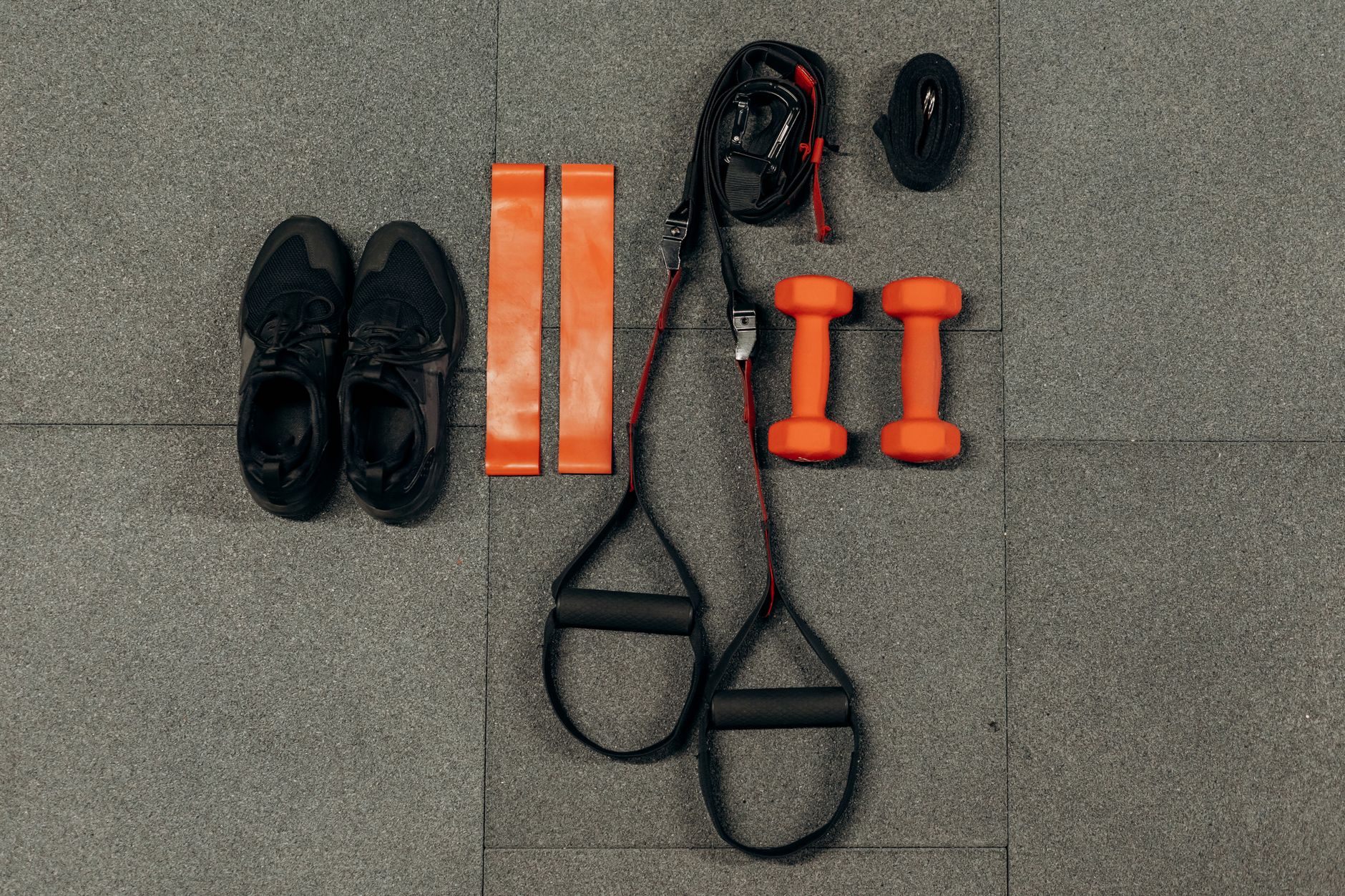
You have fifteen to thirty minutes, a small living room, and a genuine desire to build strength at home. The question is not whether home strength training works. Research published by the National Strength and Conditioning Association and reviewed in multiple peer-reviewed journals confirms that progressive resistance, regardless of its source, stimulates muscle growth when effort and consistency are present. The real question is: which tool will you actually keep using?
This comparison breaks down resistance bands, dumbbells, and bodyweight training across five practical factors: cost and access, storage and convenience, learning curve for beginners, muscle-building potential, and long-term sustainability. No hype, no gatekeeping.
Cost and Access: What You Pay to Get Started
Bodyweight wins here with no argument. You need zero equipment. A yoga mat (optional) is the only spend, and even that is a nicety rather than a requirement. If budget is a barrier right now, bodyweight is your on-ramp.
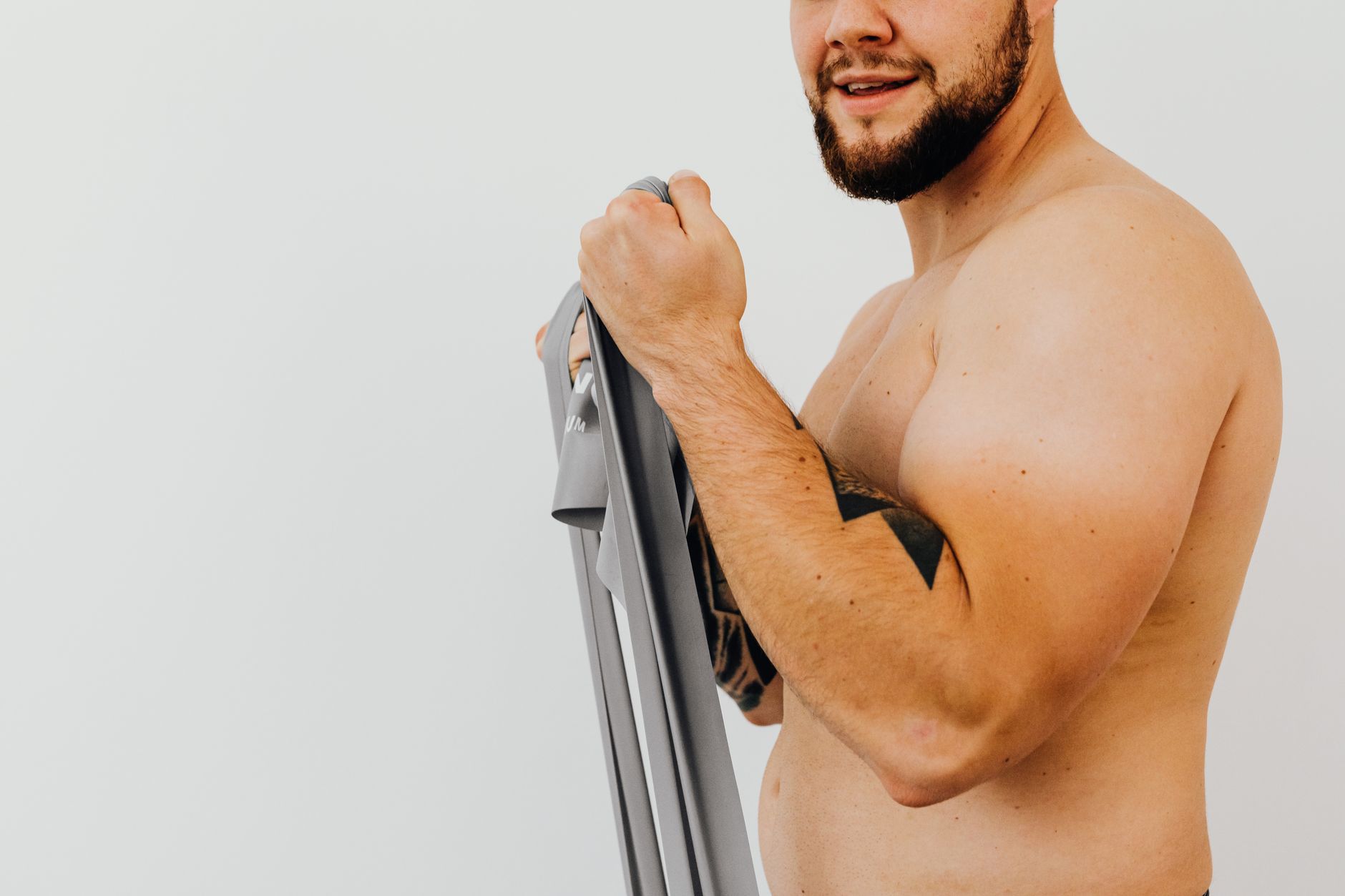
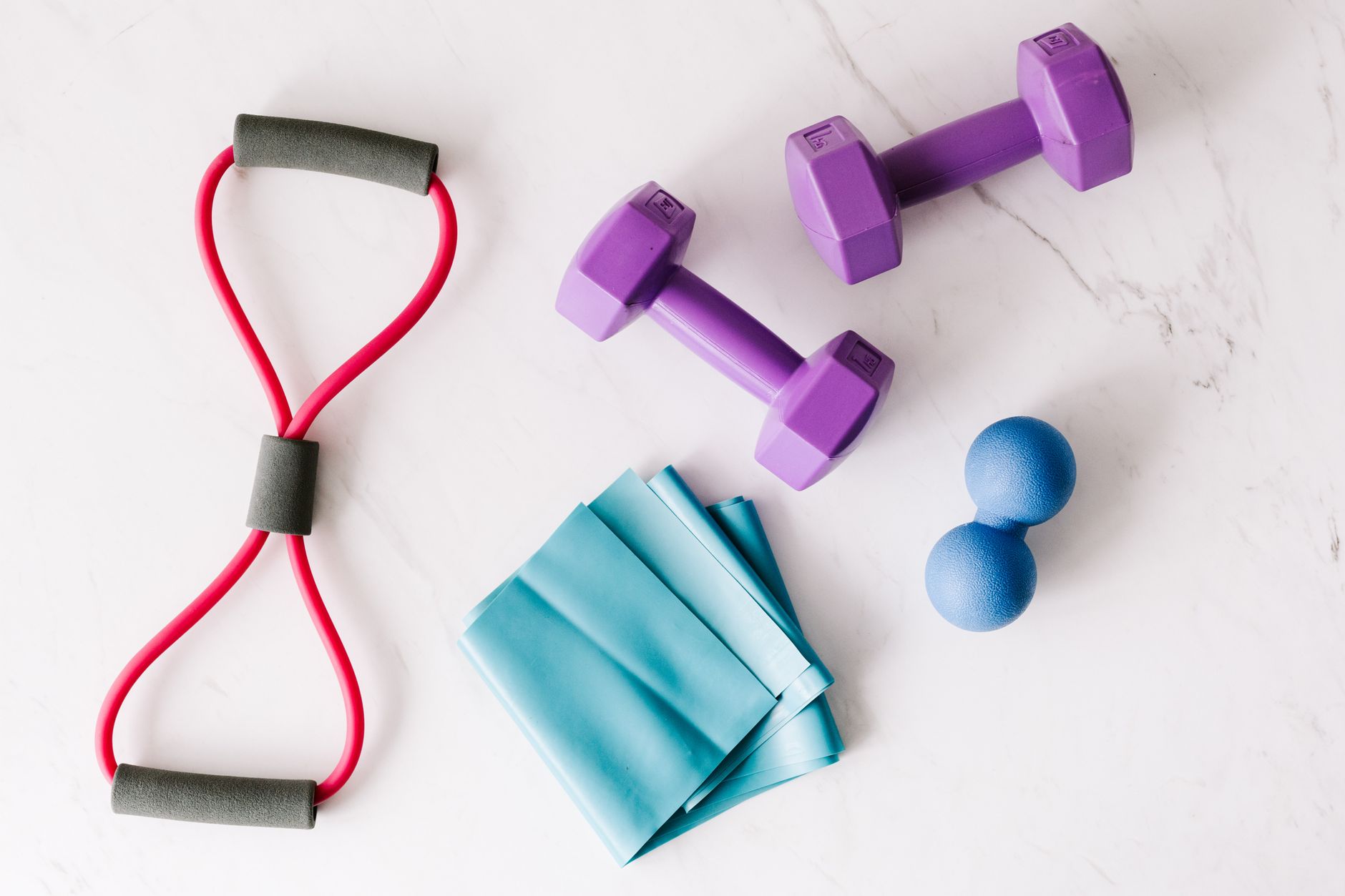
Resistance bands are the next most affordable option. A quality set of loop bands or tube bands with handles typically runs $15 to $40. They are widely available online and in general retail stores. For the price of a single dumbbell, you get a range of resistance levels.
Dumbbells cost more, especially as your strength grows and you need heavier weights. A pair of fixed dumbbells in a useful range (say, 10 lbs to 25 lbs) can run $50 to $150 or more. Adjustable dumbbells solve the progression problem but carry a steeper upfront cost, often $100 to $300. If budget allows, they are frequently worth it.
Winner for tight budgets: Bodyweight, then bands.
Storage and Convenience: Real Life in a Small Space
Bodyweight needs no storage. Resistance bands fit in a drawer or a small bag. Both are genuinely apartment- and travel-friendly.
Dumbbells are bulkier. Even a compact set takes up floor space and they are heavy to relocate. If storage is limited, a single pair of adjustable dumbbells takes up roughly the same footprint as a shoebox, which makes them far more practical than a full rack.
Convenience also includes setup time. With bodyweight or bands, you can start training in under sixty seconds. Dumbbells require only a few more seconds to grab, but that friction matters on days when motivation is thin.
Winner for small spaces and fast setups: Bodyweight or bands.
Learning Curve: How Quickly Can a Beginner Move Safely
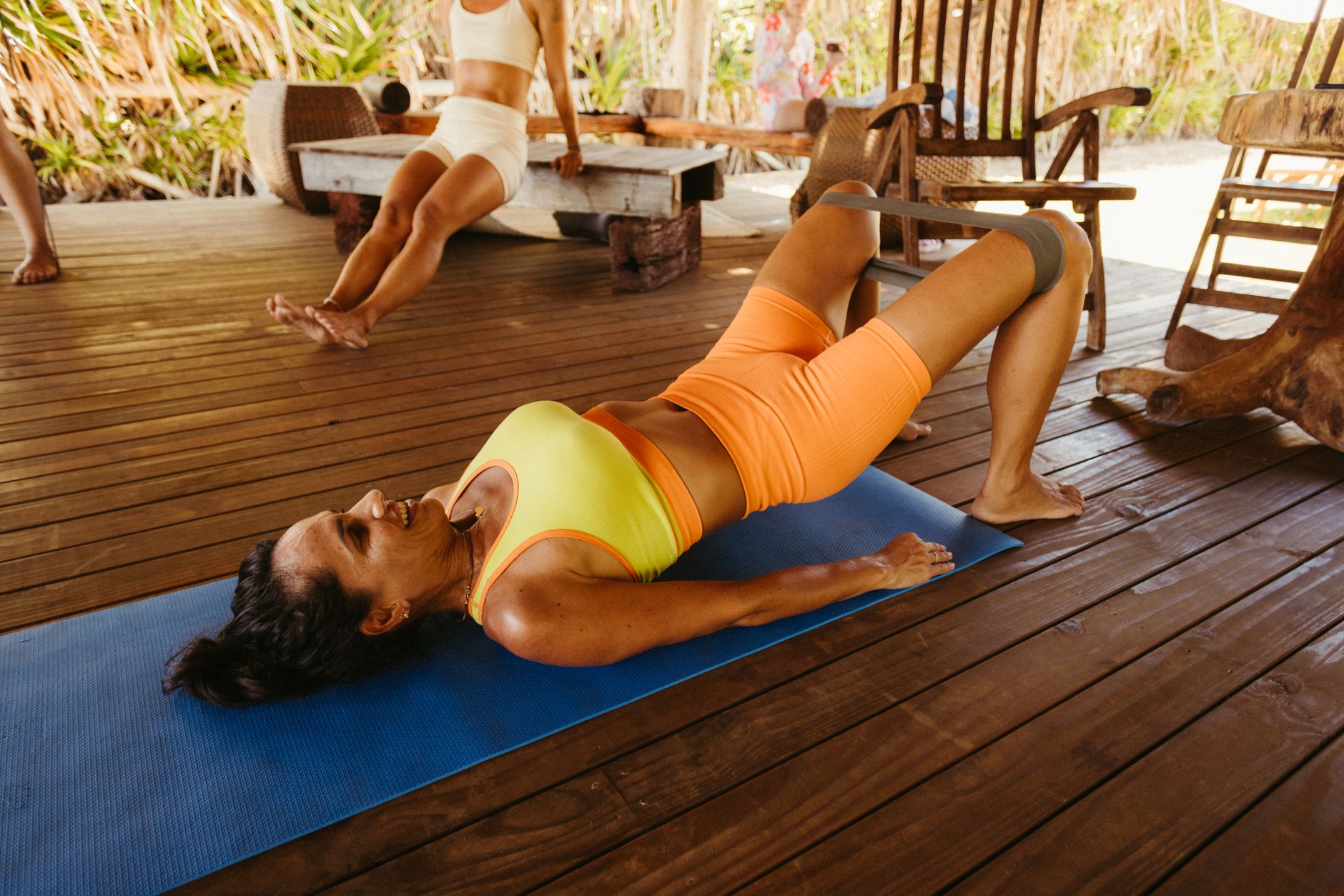
Bodyweight training has a moderate learning curve. Fundamental movements, such as squats, push-ups, lunges, and hip hinges, require coaching attention to form but do not involve external load, so the injury risk for most beginners is relatively low. That said, poor form is still possible, and Home Leg Strength Without Equipment: Five Progressive Bodyweight Drills for Stairs, Walking, and Real Life is a helpful starting point for lower-body movement patterns.
Resistance bands require a similar foundational movement understanding but add one complexity: band tension changes through the range of motion, which is different from how free weights feel. Beginners sometimes use bands incorrectly by choosing a resistance that is too light to create enough stimulus. Anchoring points also matter for certain exercises.
Dumbbells feel intuitive to most people because the weight is constant and the exercises (curls, presses, rows) are familiar from popular culture. The learning curve is real for compound lifts like Romanian deadlifts, but for basic movements, beginners often adapt quickly. Reading about Strength Training Without Ego: How Five Beginners Built Real Muscle With Honest Form Over Heavy Weight can help you approach early sessions with the right mindset.
Winner for intuitive ease: Dumbbells for simple moves, bodyweight for zero-equipment entry.
Muscle-Building Potential: What Does the Research Actually Say
All three methods can build meaningful muscle when progressive overload is applied consistently. A 2019 review in the Journal of Human Kinetics found resistance band training produced comparable strength gains to free-weight training in several muscle groups, particularly for beginners and intermediate exercisers. Bodyweight studies, including research from the European Journal of Applied Physiology, show significant hypertrophy is achievable when difficulty is progressively increased through leverage, tempo, and volume.
That said, there are real practical differences.
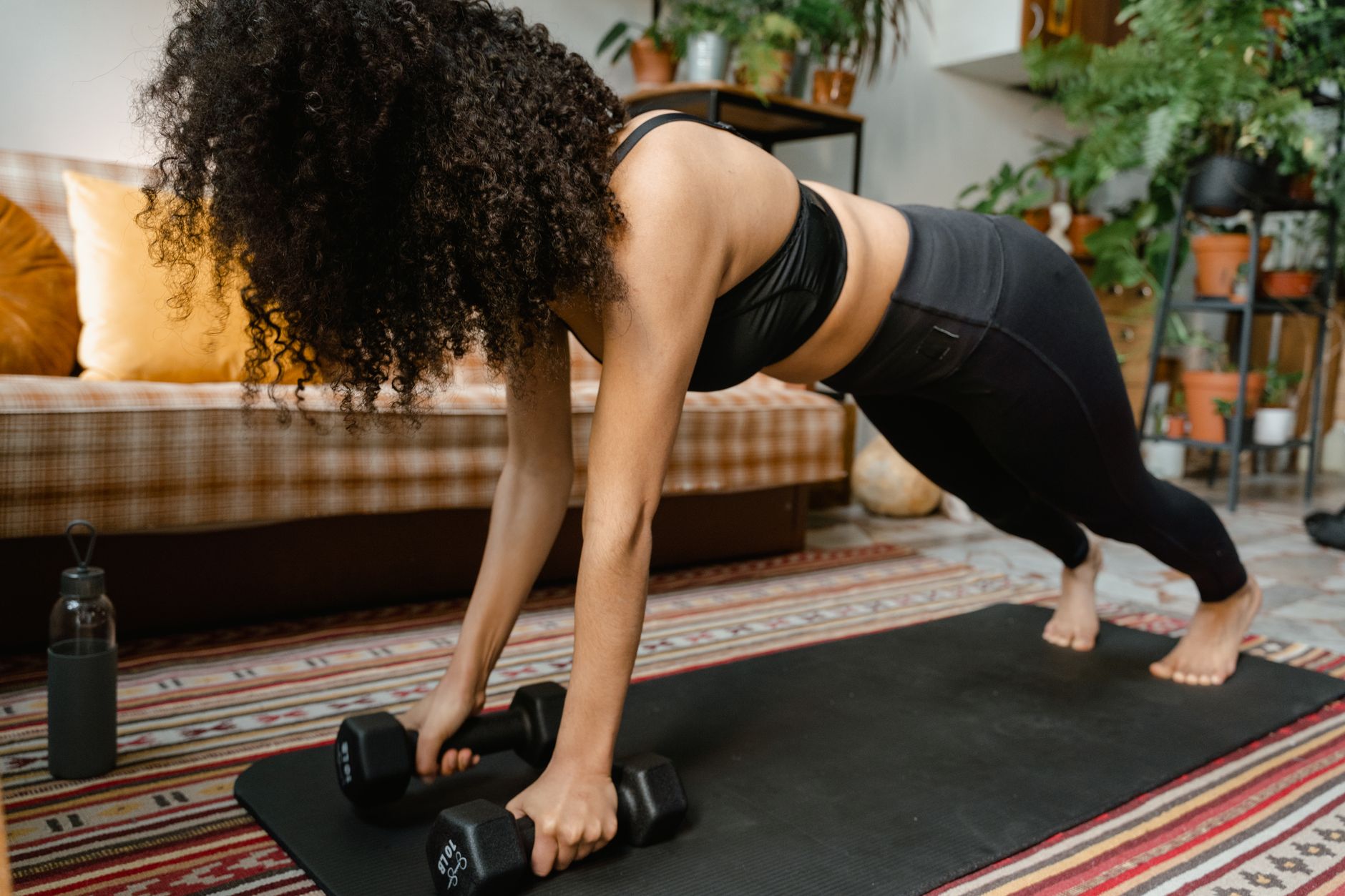
Bodyweight becomes harder to progress for upper-body pushing and pulling after a certain strength level unless you use creative variations (archer push-ups, single-leg work, slow eccentrics). Lower-body bodyweight training, such as the drills in a beginner home strength training program, scales surprisingly well.
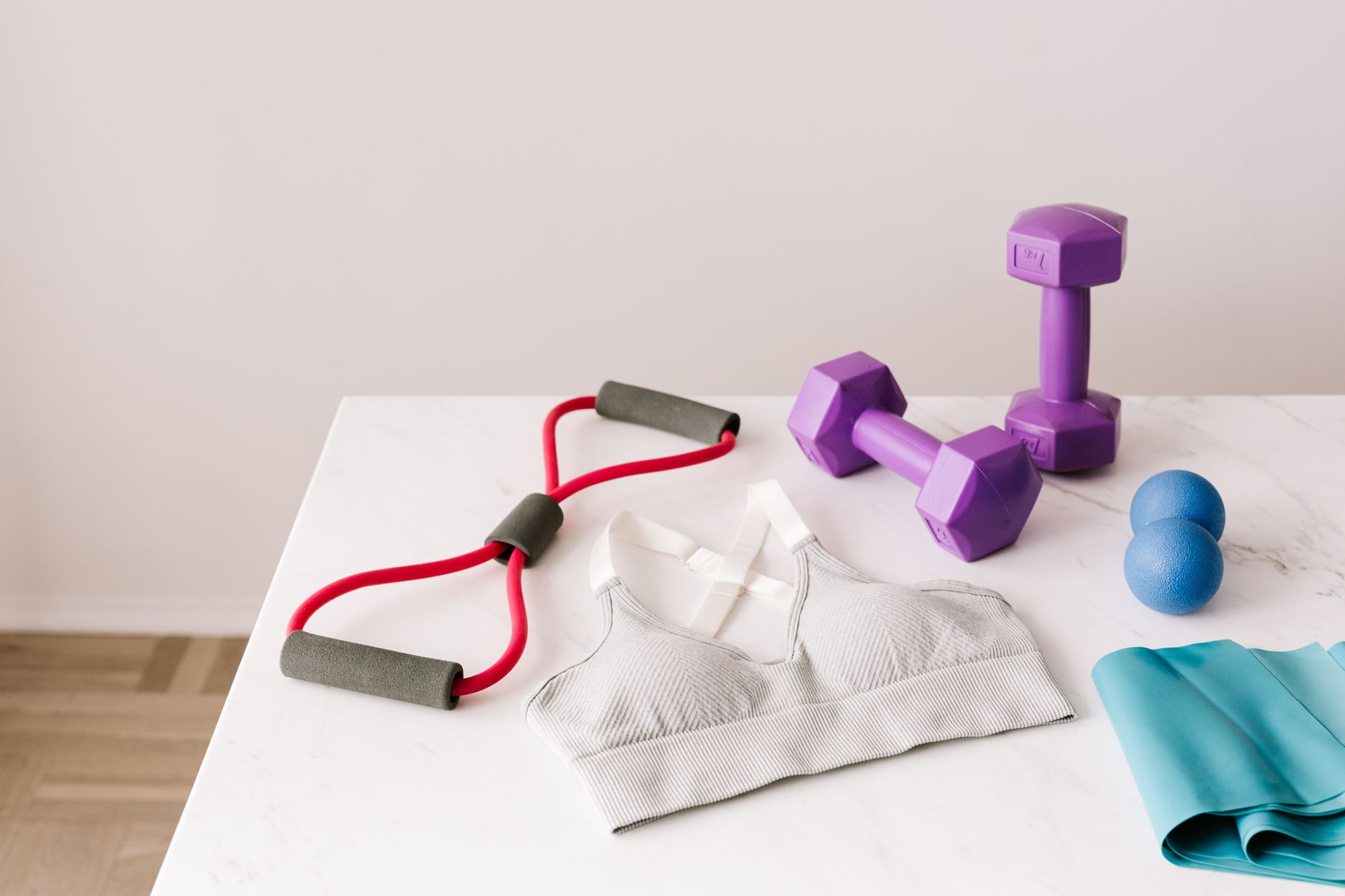
Bands offer accommodating resistance, meaning the band gets harder as you stretch it, which challenges muscles differently than free weights. This can be a genuine advantage for joint health. Bands also allow pulling movements that are difficult to replicate with bodyweight alone (rows, pull-aparts), which matters for balanced upper-body development.
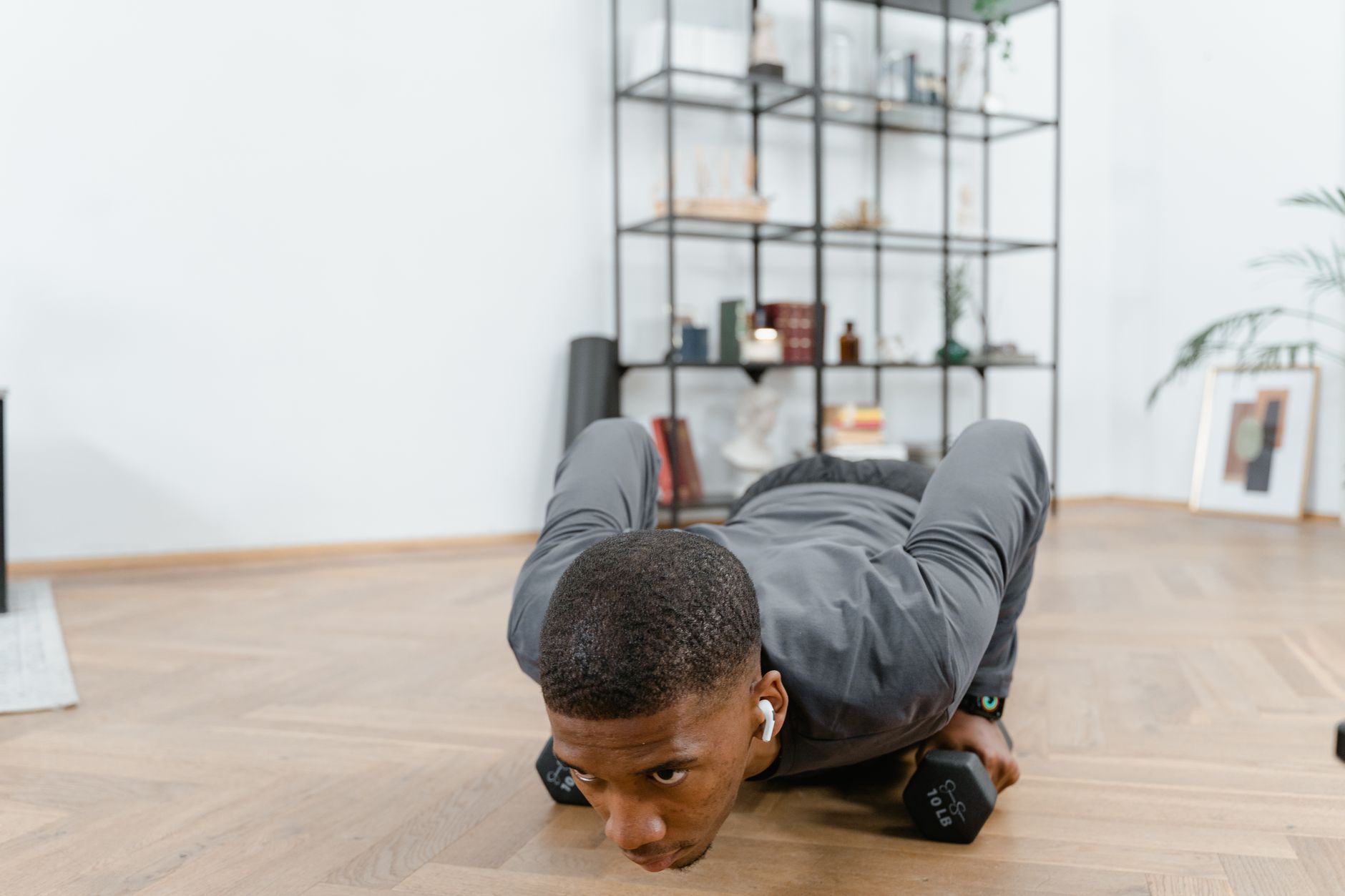
Dumbbells offer the clearest, most linear path to progressive overload. You increase the weight incrementally, track it easily, and the stimulus is straightforward. For anyone aiming for meaningful body composition change over six to twelve months, dumbbells tend to outperform the other two for upper-body development at intermediate levels.
Honest verdict: All three build muscle for beginners. Dumbbells scale most predictably. Bands and bodyweight are not consolation prizes. They simply require more creative programming to maintain progression.
Sustainability: Which Option Will You Actually Keep Doing
This is the most underrated factor. The best tool is the one that shows up with you consistently. If you hate lifting heavy things, dumbbells will collect dust. If you find bands feel awkward, you will skip sessions. If bodyweight feels too easy or too boring, you will drift away.
Consistency research consistently (and unsurprisingly) shows that enjoyment and perceived competence are stronger predictors of exercise adherence than optimal programming. A related Clean Body Mentor guide explores why strength training motivation fades by week three and the one habit that makes it stick.
Home Workouts That Fit Unpredictable Family Schedules also makes the case that a fifteen-minute session you complete beats a forty-five-minute plan you skip.
A Practical Recommendation by Situation
- No budget, small space, total beginner: Start with bodyweight. Add bands within a few months.
- Small budget, want variety and pulling exercises: Resistance bands are the best single investment.
- Budget allows and you want clear, trackable progress: A pair of adjustable dumbbells paired with some band work gives you the most complete home gym under $200.
- Already consistent with bodyweight: Add either bands or a single set of dumbbells to reignite progression.
You do not need all three tools to get strong. You need one you will use, plus a plan to make it progressively harder over time.
Sources
- Lopes, J.S.S. et al. (2019). “Effects of training with elastic resistance versus conventional resistance on muscular strength.” Journal of Human Kinetics, 68, 233-247. (National Center for Biotechnology Information, PubMed)
- Calatayud, J. et al. (2015). “Muscle activation during push-ups with different suspension training systems.” Journal of Human Kinetics, 49. (PubMed)
- National Strength and Conditioning Association. Position statement on resistance training for general fitness.
This article is for general educational and informational purposes only and is not a substitute for medical advice, diagnosis, or treatment. Health needs vary by individual. Consult a qualified healthcare professional before making significant changes to your diet, exercise routine, supplements, medication, or treatment plan, especially if you have a medical condition, are pregnant or breastfeeding, take medication, or have concerns about your symptoms.


