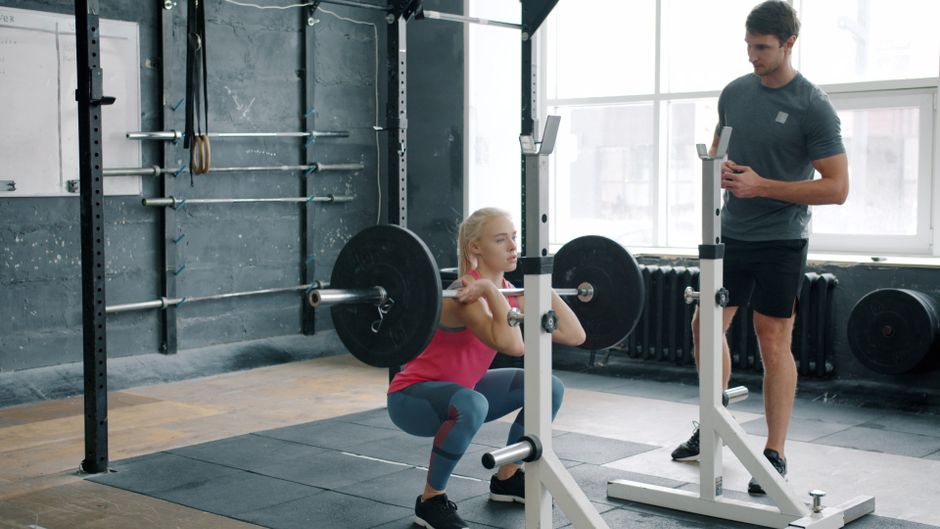
The weight rack can feel like a stage. When you are new to lifting, it is easy to assume everyone around you is watching and judging, and that picking up a lighter dumbbell is somehow embarrassing. That pressure pushes many beginners to load more weight than their bodies are ready for, which is one of the fastest routes to injury, discouragement, and quitting.
But what happens when you strip ego out of the equation entirely? This case study follows five people who committed to beginner strength training with proper form as their north star. Their results were quieter than a loaded barbell dropped from shoulder height, and far more lasting.
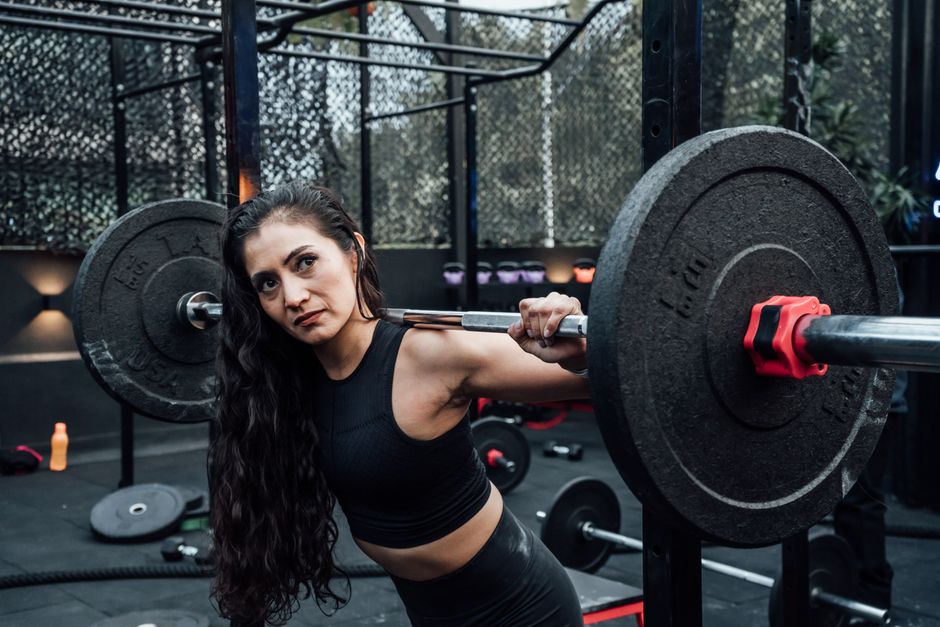
Why Form Beats Weight for Beginners
Research consistently shows that muscle activation depends more on how you perform a movement than how much load you apply. A 2019 study published in the Journal of Strength and Conditioning Research found that slower, more controlled repetitions increased muscle activation in the quadriceps compared with faster, heavier reps. For beginners, whose nervous systems are still learning movement patterns, controlled technique builds the neuromuscular foundation that heavy lifting later depends on.
The American College of Sports Medicine recommends that beginners prioritize technique and range of motion before increasing load, noting that improper mechanics under heavy weight are a leading contributor to acute and overuse injuries in new exercisers. Getting strong starts with moving well.

The Five Beginners
Case 1: Marcus, 42, Former Desk Worker
Marcus had avoided the gym for years because he felt he would look foolish compared to regulars. When he finally started, he used an empty barbell for squats for three full weeks. His focus was hip hinge mechanics, knee tracking, and depth. At week four he added 10 pounds. By month three, his squat was controlled, deep, and pain-free at 95 pounds. More importantly, he had not had the lower-back flare-ups that plagued him during two earlier attempts when he had rushed to load the bar.
Case 2: Dani, 29, Busy Parent
Dani had a 20-minute window most evenings. She chose three bodyweight movements: a split squat, a push-up, and a hip hinge with a water jug. She practiced each slowly, pausing at the bottom of every rep. She did not add resistance until she could complete 12 clean reps without her form breaking down. After eight weeks, she added a resistance band to each movement. After 16 weeks, she was handling light dumbbells with the same quality of movement she had built bodyweight. For a related guide, see Home Workouts That Fit Unpredictable Family Schedules.
Case 3: Priya, 55, Returning to Exercise After Knee Surgery
Priya’s physical therapist had cleared her for general exercise but recommended she build slowly. She worked with a certified trainer for two sessions just to establish her baseline movement quality. Her training emphasized single-leg exercises at bodyweight, controlled step-downs, and wall sits. She filmed herself from the side once a week to check knee alignment. Her progress was measured not in pounds lifted but in whether her knee stayed over her second toe on every rep. At 12 weeks she added light dumbbells. At six months she was doing lunges with 15 pounds and had no pain.
Case 4: Jerome, 34, Former High School Athlete
Jerome’s challenge was different. He had the athletic background to lift heavy, but years of inactivity meant his motor patterns had faded. He came in with confidence but quickly learned his shoulder mobility was limiting his overhead press mechanics in ways that could cause injury. Instead of grinding through, he spent four weeks on shoulder mobility and scapular stability drills before touching the barbell. This patience paid off: when he did press, the movement felt natural, and he progressed steadily without the shoulder impingement he had experienced in a previous gym phase. This connects to what the research around muscle memory returning faster than you think describes for returning athletes.
Case 5: Leila, 38, Gym Newcomer With Anxiety
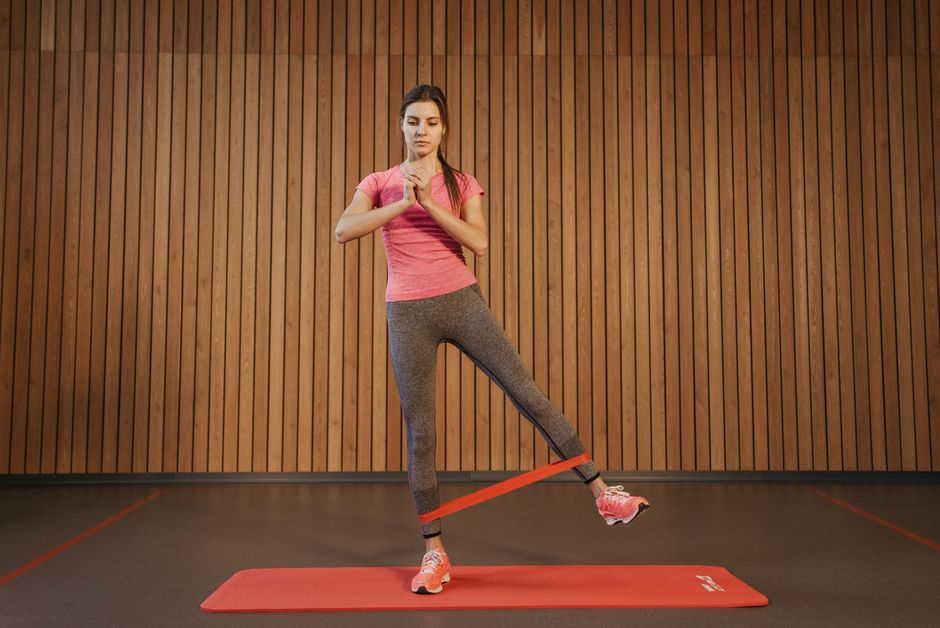
Leila had never set foot in a gym. She began with resistance bands at home, using video feedback on her phone to check her form. She focused on three movements: a banded row, a glute bridge, and a wall push-up. Her only progression rule was simple: if her form held for two sets of 10 at a given resistance, she moved up one band level on her next session. She did not rush. After 10 weeks she felt confident enough to try a small community gym, and she walked in already knowing how her body moved. That self-knowledge replaced the anxiety she had expected to feel.
What All Five Had in Common
Looking across these five experiences, three patterns emerge:
- They used objective markers before adding load. No one increased weight or resistance until they could complete a full set with clean mechanics. The question was always “can I do this well?” before “can I do more?”
- They accepted slower visible progress and got faster real progress. None of them had dramatic early numbers. All of them were still training consistently at the six-month mark, which most beginners who ego-lift never reach.
- They managed soreness as feedback, not punishment. Each person learned to distinguish useful muscle fatigue from warning pain. If you want to understand that difference in more depth, this beginner guide to strength training fatigue vs. muscle soreness is worth reading before your next session.
Practical Starting Points for Your Own Training
If these cases resonate with you, here are realistic entry points:
- Choose three to four compound movements (squat, hinge, push, pull) and practice them with no or minimal load for two to three weeks.
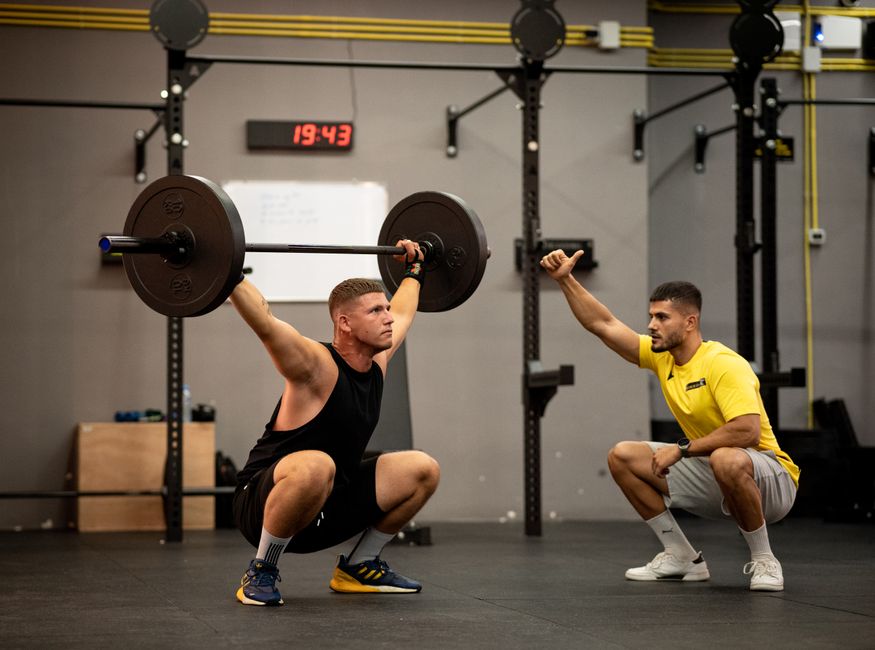
- Film one set per movement from the side once a week. You do not need a trainer to notice if your knees cave, your back rounds, or your range of motion cuts short.
- Set a form standard before a load standard. Decide what “good enough to progress” looks like for each movement before you start adding weight.
- Track reps and quality, not just pounds. A training log that notes how the movement felt is more useful early on than one that only records numbers.
Supporting your training with consistent protein intake also matters. Five plant proteins ranked by real satiety and cost is a practical starting point if you want to build a nutrition habit alongside your movement practice: Five Plant Proteins Ranked by Real Satiety, Cost, and Honest Prep Time for Beginners.
The Real Point of Starting Light
None of these five people were weak. They were patient. That distinction matters because patience in early training is not settling for less. It is investing in a movement foundation that lets you train harder, longer, and more safely over time. The ego-driven beginner who loads the bar too early often quits within weeks due to injury or discouragement. The form-first beginner is still showing up six months later, lifting more than the ego-driver ever reached.
Choose one movement you have been rushing through, slow it down this week, and notice what you actually feel. That single habit shift may do more for your strength than any weight increase you have tried.
This article is for general educational and informational purposes only and is not a substitute for medical advice, diagnosis, or treatment. Health needs vary by individual. Consult a qualified healthcare professional before making significant changes to your diet, exercise routine, supplements, medication, or treatment plan, especially if you have a medical condition, are pregnant or breastfeeding, take medication, or have concerns about your symptoms.
Sources
- Schoenfeld, B.J., et al. (2019). “Resistance Training Volume Enhances Muscle Hypertrophy.” Journal of Strength and Conditioning Research.
- American College of Sports Medicine. ACSM’s Guidelines for Exercise Testing and Prescription, 10th edition. ACSM.org.
- National Strength and Conditioning Association. Position statement on progression models in resistance training for healthy adults. NSCA.com.