


If you’ve ever felt ravenous for no obvious reason in the week before your period, you’re not imagining it and you’re definitely not lacking willpower. Menstrual cycle appetite changes are real, hormone-driven shifts that follow a predictable weekly rhythm. Most general nutrition advice skips this entirely, leaving you to wonder why your hunger feels so inconsistent month to month.
This guide maps appetite patterns through each cycle phase and offers practical eating strategies for the weeks when hunger climbs. No restriction, no shame — just useful information that works with your body instead of against it.

A Quick Map of Your Four Cycle Phases
Before getting into specific eating strategies, it helps to know roughly what’s happening hormonally each week. Cycle length varies, but a typical 28-day cycle breaks into:
- Menstrual phase (days 1-5): Estrogen and progesterone are both low. Bleeding begins.
- Follicular phase (days 6-13): Estrogen rises as a follicle matures. Energy often improves.
- Ovulation (around day 14): Estrogen peaks briefly. Luteinizing hormone triggers egg release.
- Luteal phase (days 15-28): Progesterone rises sharply and then drops before menstruation restarts.
Research published in the European Journal of Nutrition (2011) and replicated in later studies suggests that resting metabolic rate increases slightly during the luteal phase, with some estimates ranging from roughly 100 to 300 extra calories per day compared to the follicular phase. That metabolic shift has real appetite consequences.

1. Menstrual Phase: Honor Comfort Without Overthinking Food
During your period, prostaglandins (hormone-like compounds that trigger uterine contractions) can also affect your digestive tract, sometimes causing cramping, bloating, or loose stools. Appetite here tends to be moderate or reduced, though cravings for warm, easy-to-digest foods are common.
What tends to work:
- Warm, nourishing meals like soups, grain bowls, and stews
- Iron-rich foods such as lentils, dark leafy greens, and fortified cereals to replace blood iron loss
- Gentle movement rather than intense output
If digestion feels off during your period, you’re not alone. The Digestive Comfort on Your Menstrual Cycle: Why Your Gut Changes Week to Week and What to Eat Each Phase guide goes deeper on the gut-cycle connection and offers specific meal ideas for each phase.

2. Follicular Phase: Appetite Tends to Feel Easiest Here
As estrogen climbs during the follicular phase, many people report feeling their most energized and least hungry. Appetite is often naturally moderate, blood sugar tends to feel more stable, and cravings are usually quieter.
This is a good phase to build consistent meal habits that you can lean on later in the cycle when hunger ramps up. Focus on balanced eating with adequate protein, fiber, and healthy fats at each meal to keep energy steady.
This is also typically the phase when physical performance feels strongest. If you’re curious about how training capacity shifts across the cycle, Why Your Menstrual Cycle Affects Your Recovery Needs and How to Adjust Your Workouts Each Week covers how to structure movement accordingly.
3. Ovulation Window: A Brief Shift in Hunger and Energy
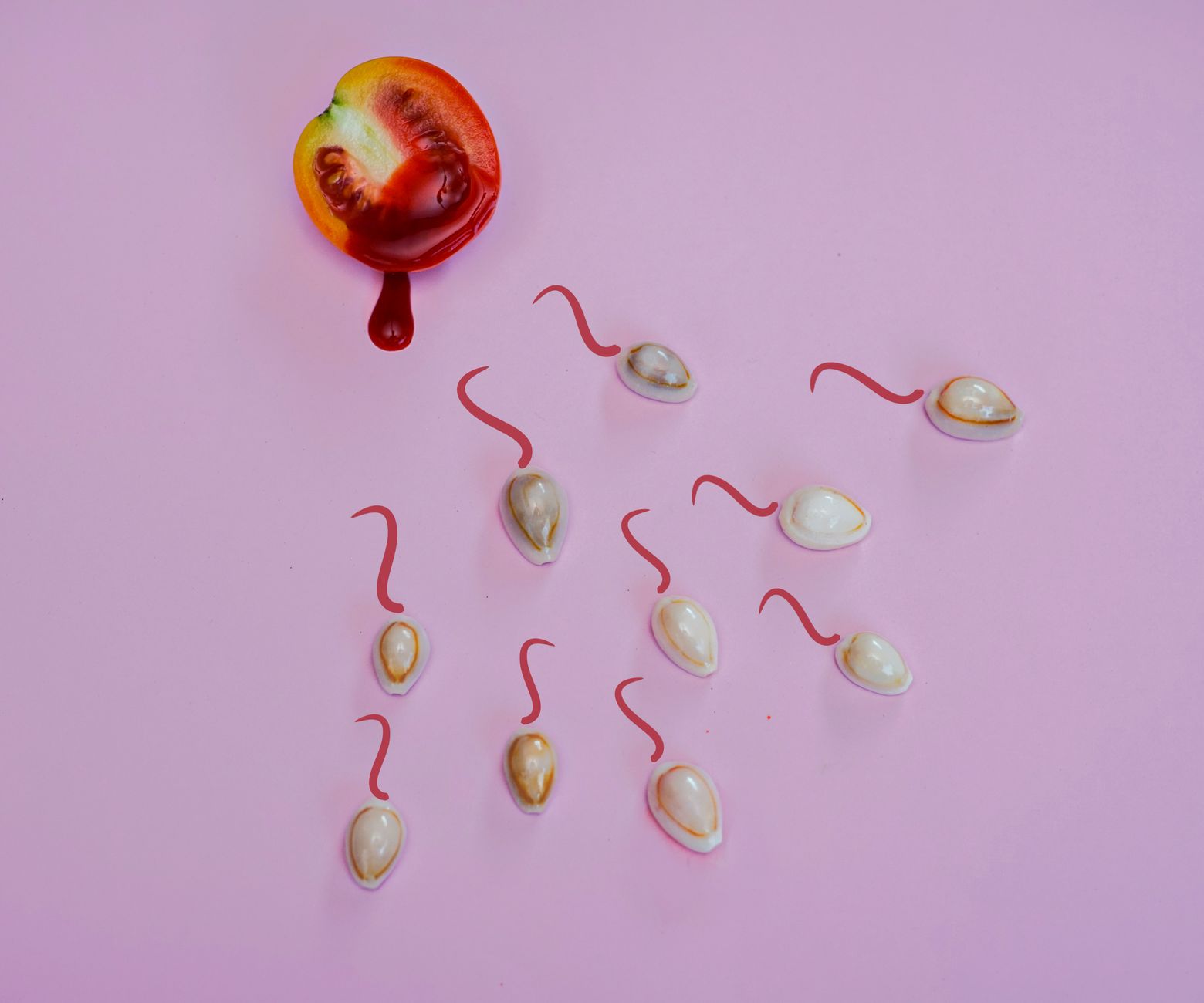
Around ovulation, estrogen peaks and may temporarily suppress appetite. Some people feel an energy surge and report feeling less hungry for a day or two. This is short-lived. Within a few days, progesterone takes over and the landscape shifts considerably.
If you notice an afternoon appetite spike around this time, it may be worth reading about Why Your Midday Appetite Spikes Two Hours After Eating and Which Snack Pairing Actually Stops It, since the fix often comes down to protein and fiber pairing rather than portion control.

4. Luteal Phase: This Is When Hunger Climbs Most
This is the phase most people are asking about when they search for information on menstrual cycle appetite changes. Progesterone rises significantly in the luteal phase, and research suggests it may:
- Increase resting metabolic rate by an estimated 100-300 calories per day (European Journal of Nutrition, 2011)
- Reduce insulin sensitivity slightly, making blood sugar swings more likely
- Increase cravings for carbohydrates and higher-fat foods
- Drive serotonin fluctuations that can amplify emotional eating impulses
This is not a character flaw. It’s physiology. And it responds well to a few targeted strategies.
Practical approaches for the luteal phase:
- Eat slightly more without guilt. A 100-300 calorie increase spread across the day is a small, realistic adjustment. Think one extra snack or a slightly larger dinner rather than a dramatic change.
- Prioritize protein at every meal. Protein slows gastric emptying, supports stable blood sugar, and reduces the intensity of cravings. Aim for a palm-sized protein source at breakfast, lunch, and dinner.
- Lean into complex carbohydrates. Oats, sweet potatoes, brown rice, and legumes satisfy carbohydrate cravings while providing fiber to buffer blood sugar swings.
- Don’t fear the craving for chocolate. Dark chocolate (70% or above) contains magnesium, which drops before menstruation. A small serving is a reasonable response to what your body may actually need.
- Reduce ultra-processed snacks not by restriction but by competition. Keep roasted nuts, boiled eggs, hummus, or fruit with nut butter accessible so a satisfying option is already available when hunger spikes hit.
- Watch for emotional hunger triggers. The serotonin dip in the late luteal phase can make stress or boredom feel like hunger. A brief check-in — am I actually hungry, or am I tired or anxious? — can help distinguish physical from emotional need without judgment.
Mindful eating practices can be genuinely useful here. Mindful Eating Without Guilt: How Slowing Down Changes Hunger Signals More Than Portion Control offers a practical starting point if that idea is new to you.

What About Calorie Tracking During Your Cycle?
If you use calorie tracking for weight management goals, it’s worth knowing that a strict daily target ignores this natural variability. Rather than fighting the luteal phase with restriction, many registered dietitians suggest working with a weekly or monthly average instead. This allows for natural fluctuation without triggering a restrict-binge cycle. If this is an area where you’re unsure how to adjust, a registered dietitian can help you build a strategy that fits your specific cycle and goals.

Practical Meal Timing Notes
Meal timing also shifts across the cycle. In the luteal phase, eating slightly more at lunch and an earlier, protein-rich dinner may help reduce late-night cravings, which tend to be strongest when you’re tired and serotonin is lower. If you’re curious about how rest day eating intersects with hunger regulation, How Meal Timing on Rest Days Shapes Your Digestion and Hunger Signals offers relevant context.
One Small Step Worth Taking
Choose one phase from this article — most likely the luteal phase if that’s where you feel most affected — and try one specific change this cycle. Add a protein-rich afternoon snack. Keep a small square of dark chocolate on hand. Notice whether your hunger feels emotional or physical before reaching for food.
Consistency across one or two cycles tells you far more than a single dramatic overhaul. If you want practical weekly wellness guidance delivered to your inbox, joining the Clean Body Mentor newsletter is a simple way to stay supported.
This article is for general educational and informational purposes only and is not a substitute for medical advice, diagnosis, or treatment. Health needs vary by individual. Consult a qualified healthcare professional before making significant changes to your diet, exercise routine, supplements, medication, or treatment plan, especially if you have a medical condition, are pregnant or breastfeeding, take medication, or have concerns about your symptoms.

Sources
- Barr, S.I., et al. “Energy intakes are higher during the luteal phase of ovulatory menstrual cycles.” European Journal of Nutrition, 2011. (Organization: Springer; search PubMed for the original abstract.)
- U.S. National Library of Medicine, MedlinePlus: Menstrual cycle overview. https://medlineplus.gov/menstruation.html
- National Institutes of Health, Office of Research on Women’s Health: Research on hormones and appetite. https://orwh.od.nih.gov


