


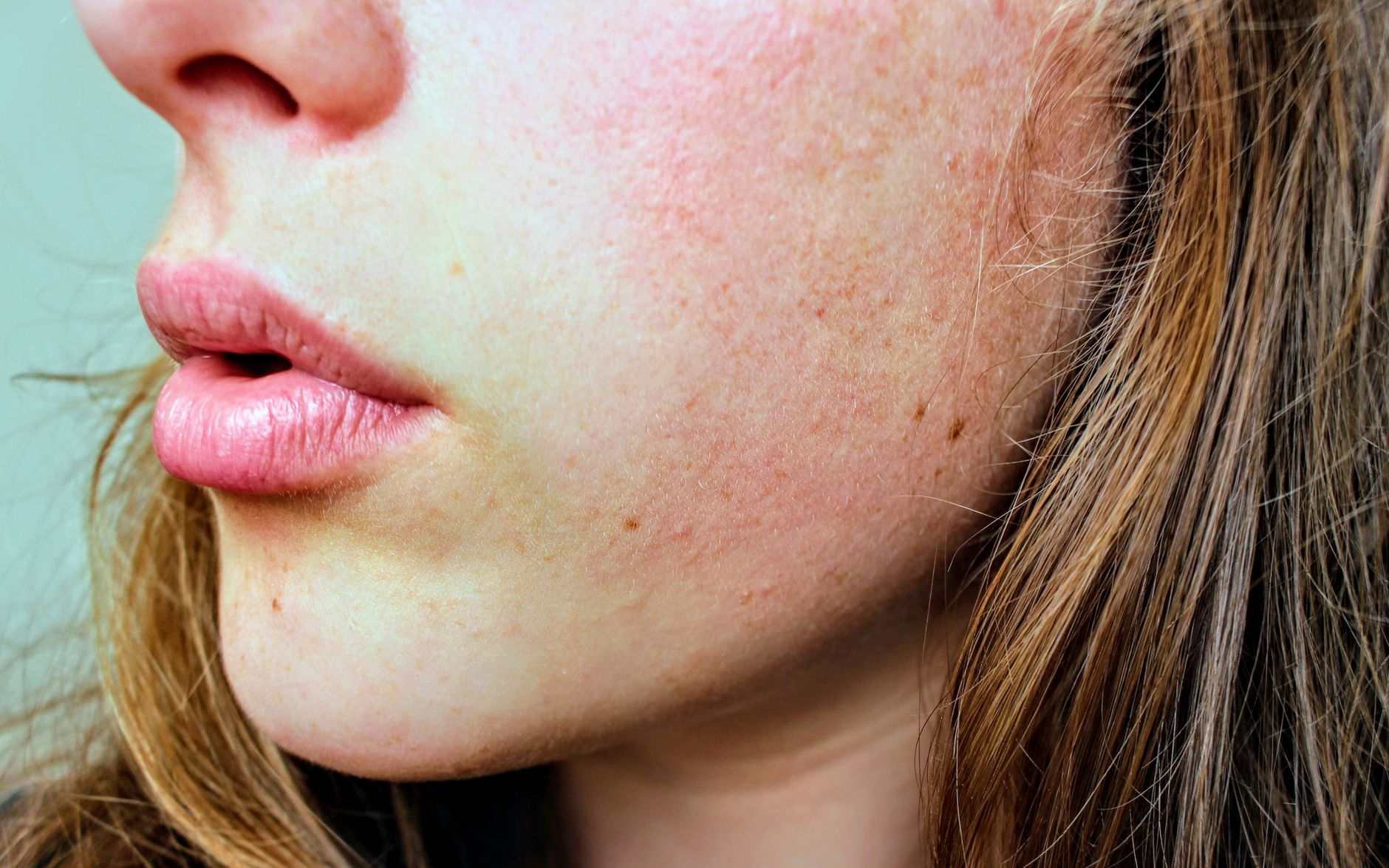
If your skin has been uncooperative lately and you have already cycled through new cleansers, serums, and moisturizers with little to show for it, the problem may not be on your face at all. Research published in journals such as Nutrients (National Library of Medicine) and Frontiers in Microbiology consistently points to a bidirectional relationship between the gut and the skin, often called the gut-skin axis. Inflammation, nutrient absorption, and microbial balance inside your digestive system can all show up on your complexion in ways that no topical product can fully address.
This is not a “detox your organs” story or a fear-based health warning. It is a practical look at what gut health and skin clarity actually share, and what you can realistically adjust at the dinner table.
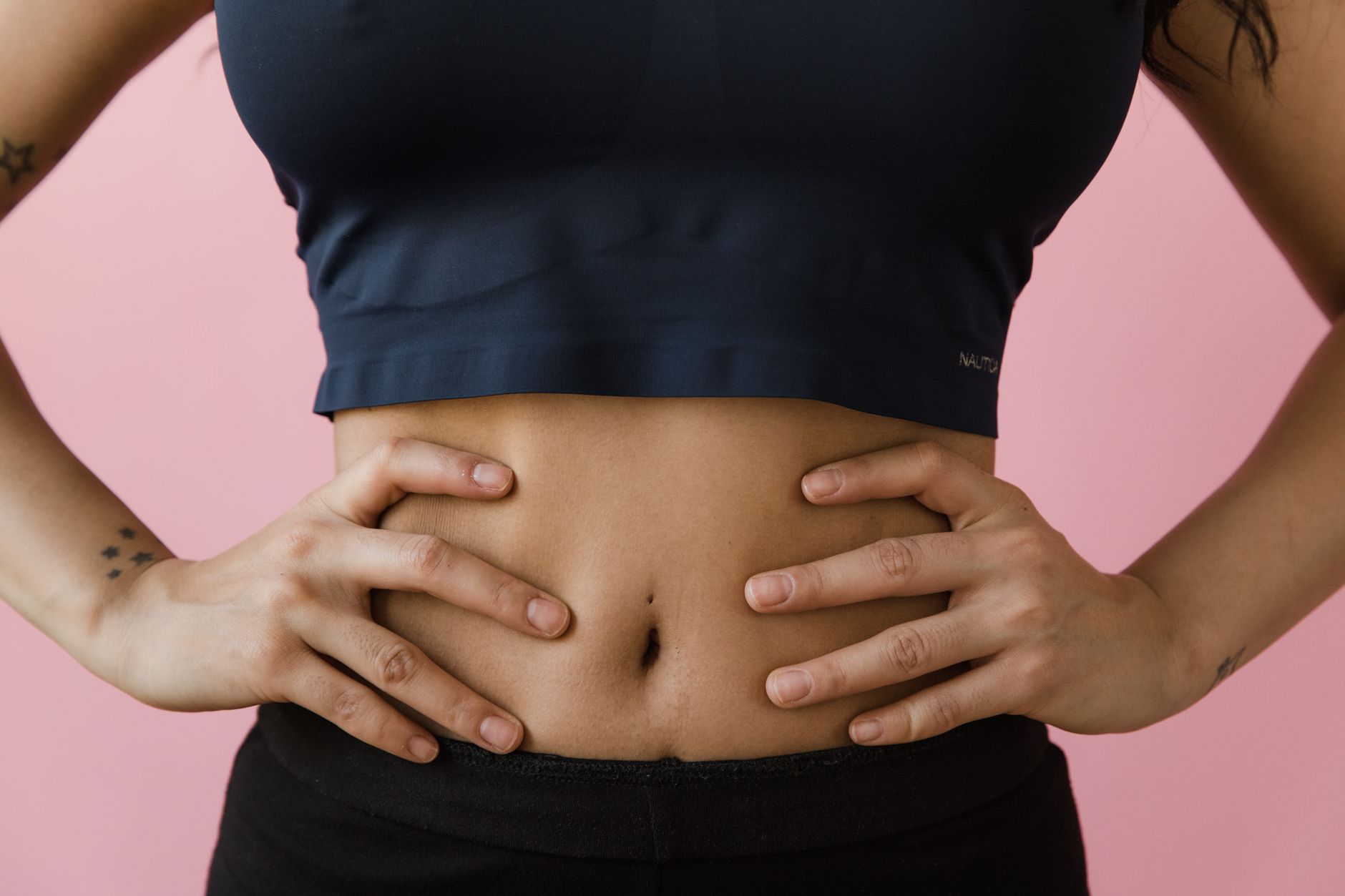
What the Gut-Skin Axis Actually Means
Your gut lining is the site where nutrients from food enter your bloodstream. When that lining is chronically irritated or when your microbiome (the ecosystem of trillions of bacteria in your digestive tract) is out of balance, two things tend to happen simultaneously.
First, absorption of skin-supportive nutrients such as zinc, vitamin A, and omega-3 fatty acids becomes less efficient. Second, low-grade systemic inflammation can rise, which research suggests may worsen conditions like acne, eczema, and rosacea. A 2018 review in Frontiers in Microbiology noted that people with acne vulgaris showed distinct differences in gut microbiome diversity compared to people with clearer skin.
None of this means your gut is “toxic” or that you need to follow a restrictive elimination protocol. It means digestion is worth paying attention to as part of a whole-person wellness approach.

Three Practical Ways Digestion Affects Your Complexion
1. Nutrient delivery to skin cells
Skin cells turn over constantly. That regeneration requires reliable delivery of vitamin C (collagen synthesis), zinc (wound healing and sebum regulation), and essential fatty acids (barrier function). If transit time through your gut is too fast or chronic low-grade inflammation is present, absorption of these nutrients may be compromised even when your diet looks adequate on paper.
2. Inflammatory signaling
Research suggests that an imbalanced gut microbiome can contribute to systemic inflammatory signals that may aggravate skin conditions sensitive to inflammation. This is not a guarantee that fixing your gut will clear your skin entirely, but it is a credible mechanism worth supporting.
3. Stress hormones and the gut-brain-skin triangle
Your gut produces about 90 percent of the body’s serotonin (Johns Hopkins Medicine). Chronic digestive discomfort increases cortisol output, and elevated cortisol is linked to increased sebum production and slower skin repair. Supporting digestion can help dampen that stress loop, which benefits both your mental well-being and your complexion.

Meal Timing Strategies That Support Both Gut and Skin
You do not need to overhaul your diet. These timing adjustments are small, sustainable, and based on how digestion actually works.
Eat your biggest meal midday when possible. Digestive enzyme activity follows a circadian rhythm. Studies reviewed by the NIH National Institute of Diabetes and Digestive and Kidney Diseases suggest that calorie-heavy meals eaten earlier in the day are processed more efficiently than the same meals eaten late at night. Late heavy eating slows motility, extends the window of fermentation in the colon, and can contribute to bloating that correlates with elevated inflammatory markers. If a large dinner is unavoidable, aim to finish eating at least two to three hours before lying down.
Allow three to four hour gaps between meals. The migrating motor complex, a wave of muscular contractions that sweeps debris through your small intestine, activates primarily in a fasted state between meals. Constant grazing can interrupt this cleansing cycle. Giving your gut a few hours between meals supports that process, reduces fermentation buildup, and may ease bloating.
For more on how meal timing specifically shapes digestive signals, the guide on How Meal Timing on Rest Days Shapes Your Digestion and Hunger Signals is worth reading alongside this one.
Food-Pairing Habits That Reduce Gut Stress
Start meals with vegetables or fiber before protein and fat. This sequence slows glucose entry into the bloodstream and primes digestive enzyme release. Research on eating order and glycemic response (published in Diabetes Care, 2015) found that eating vegetables before carbohydrates significantly reduced post-meal blood sugar spikes, which also dampens the inflammatory response. The guide on Why Your Eating Order at Meals Changes Digestion More Than Portion Size walks through the mechanics clearly.
Add a fermented food daily, not a supplement cabinet. Plain yogurt with live cultures, kefir, kimchi, sauerkraut, and miso are well-studied sources of live microorganisms. A 2021 study in Cell (Wastyk et al.) found that a diet high in fermented foods increased microbiome diversity and reduced inflammatory proteins over 10 weeks. A small spoonful of sauerkraut alongside lunch is enough to contribute to that pattern.
Pair fat-soluble nutrients with healthy fats. Vitamins A, D, E, and K are fat-soluble, meaning they require dietary fat to be absorbed. If you eat a salad with no dressing or steamed carrots alone, you may absorb less beta-carotene than if you pair them with olive oil or avocado. This is a small but meaningful detail for skin-supportive nutrient delivery.
Be thoughtful about alcohol and highly processed foods before skin-sensitive periods. Both can increase intestinal permeability, reduce microbial diversity, and provoke inflammatory signals. This is not a moral judgment about food choices; it is a practical tradeoff to know when you are managing a flare.

Breathing, Posture, and the Often-Missed Digestive Disruptors
It is easy to overlook that how you eat matters as much as what you eat. Eating quickly while stressed activates the sympathetic nervous system, which redirects blood away from the digestive tract. Slouching at a desk compresses the stomach and slows motility.
If afternoon bloating is part of your experience, Digestive Bloating From Desk Posture: Why Slouching Slows Your Gut and Four Stretches That Fix It in Minutes offers a simple and genuinely underrated angle on this problem. Similarly, Breathwork for Digestion: How Intentional Breathing Stops Afternoon Bloating Better Than Food Swaps covers how diaphragmatic breathing before meals can shift you into a rest-and-digest state.
One Realistic Starting Point
If you want to test this connection without overhauling your entire routine, pick one of the following and practice it consistently for two to three weeks:
- Eat your largest meal before 3 p.m. at least four days a week.
- Add one tablespoon of fermented food to one meal daily.
- Start each lunch and dinner with a vegetable or salad before the rest of the plate.
- Finish eating two to three hours before you lie down.
Small, consistent changes are what actually shift gut microbiome composition over time. Research suggests that meaningful microbial changes can begin within two weeks of dietary shifts, so patience combined with consistency is the most practical plan.
If your skin concerns are persistent, severe, or accompanied by significant digestive symptoms, working with a registered dietitian and a dermatologist together gives you the most targeted support.
This article is for general educational and informational purposes only and is not a substitute for medical advice, diagnosis, or treatment. Health needs vary by individual. Consult a qualified healthcare professional before making significant changes to your diet, exercise routine, supplements, medication, or treatment plan, especially if you have a medical condition, are pregnant or breastfeeding, take medication, or have concerns about your symptoms.
Sources
- Fabbrocini, G. et al. (2018). “Microbiome and acne.” Frontiers in Microbiology. National Library of Medicine.
- Wastyk, H.C. et al. (2021). “Gut-microbiota-targeted diets modulate human immune status.” Cell, 184(16). doi:10.1016/j.cell.2021.06.019
- Shukla, A.P. et al. (2015). “Food order has a significant impact on postprandial glucose and insulin levels.” Diabetes Care, 38(7). American Diabetes Association.
- Johns Hopkins Medicine. “The Brain-Gut Connection.” hopkinsmedicine.org
- NIH National Institute of Diabetes and Digestive and Kidney Diseases. Digestive Diseases and Nutrition resources. niddk.nih.gov


