

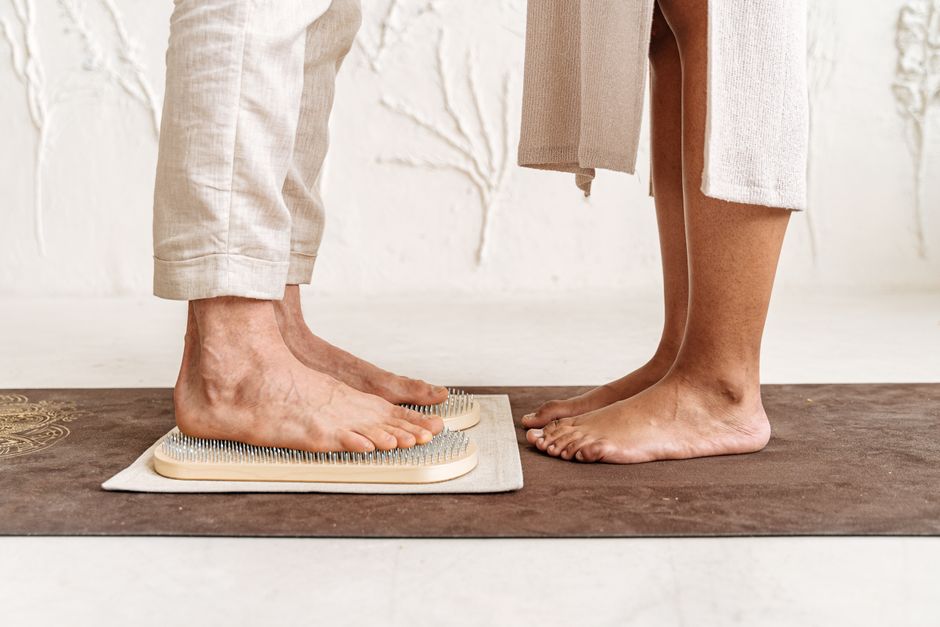
If you spend most of your day seated, your feet are quietly losing strength. The arches, small stabilizing muscles, and the sensory feedback system that keeps you balanced all soften when they spend eight or more hours cushioned and still inside a shoe. Then, the moment you get up and move, those same structures are asked to carry your full body weight without any real preparation.
That creates a tension worth understanding: barefoot time builds the foot strength and proprioception that sedentary routines erode, but hard pavement, uneven terrain, and existing structural issues can make unshod walking a genuine injury risk. The answer is not all-or-nothing. It is knowing which situation calls for which approach.
What Barefoot Walking Actually Does for Your Feet
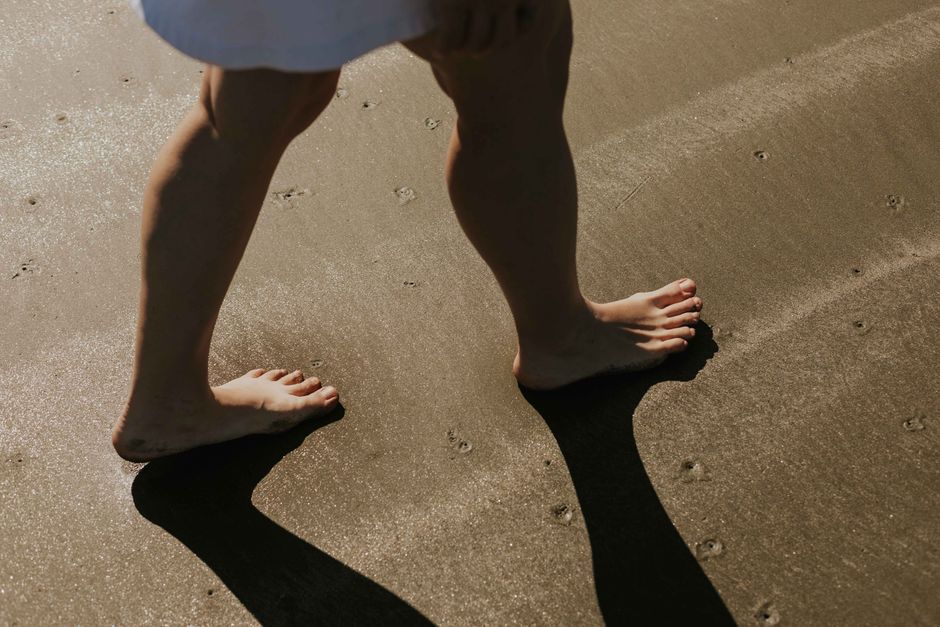
Research suggests that walking and standing barefoot on appropriate surfaces activates small intrinsic foot muscles that supportive footwear largely bypasses. A 2022 study published in Scientific Reports (Nature portfolio) found that regular barefoot walking was associated with stronger intrinsic foot muscles and improved arch function compared to habitually shod populations.
The barefoot walking benefits go beyond muscle activation. Proprioception, your body’s sense of where it is in space, depends partly on sensory receptors in the foot’s skin and connective tissue. When you walk barefoot on a varied surface, those receptors send richer feedback to your nervous system, which may help refine balance and gait patterns over time. Research from the Journal of Electromyography and Kinesiology has noted improved balance outcomes in populations who include regular barefoot activity.
For desk workers in particular, adding even short barefoot sessions at home can begin reversing the deconditioning that hours of sitting creates. If you want a progressive starting point, the guide on How to Build Foot Strength When Sitting All Day: Progressive Drills You Can Do at Your Desk pairs well with this approach.
When Barefoot Time Raises Your Risk
The case for going shoeless gets complicated quickly once you change the surface, the duration, or the person.
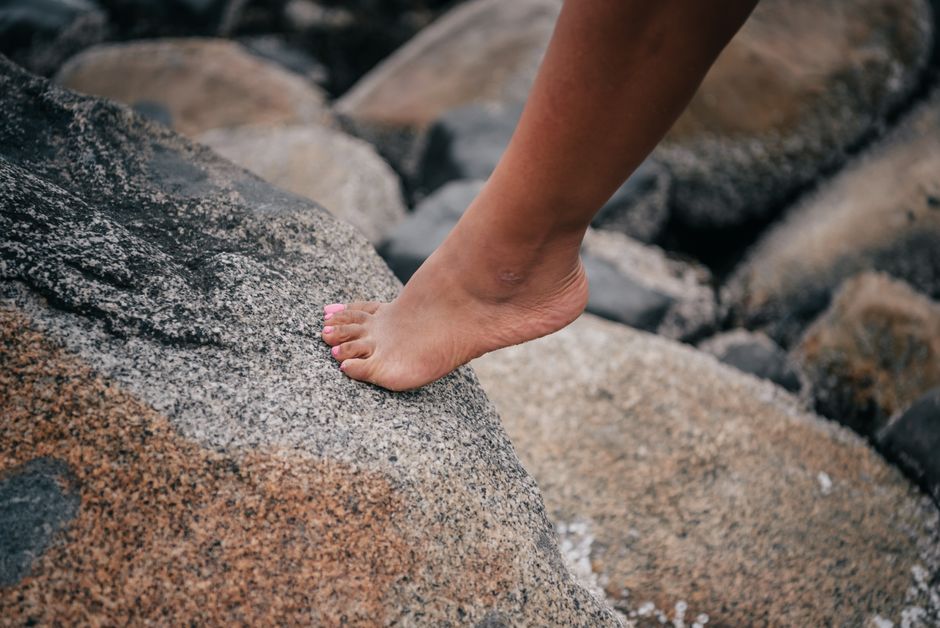
Hard, uniform surfaces. Concrete and tile give your foot no natural cushion or varied feedback. Extended barefoot walking on these surfaces increases ground-reaction force through the heel and forefoot, which may stress tendons and joints that are not conditioned for it. Research suggests the transition to barefoot walking, like any new physical demand, should be gradual rather than sudden.
Pre-existing structural conditions. Flat feet, plantar fasciitis, Achilles tendinopathy, and certain forms of arthritis can be aggravated by unsupported walking. If you have one of these conditions, talk with a podiatrist or physical therapist before reducing shoe support significantly.
Outdoor and public environments. Pavement, gravel, and public pool areas carry obvious physical hazards. Beyond cuts and bruises, shared warm, moist environments increase exposure to fungi and bacteria. Protective footwear in gyms, locker rooms, and outdoor hard paths is a straightforward preventive measure.
Running and high-impact activity. Barefoot running has its proponents and its evidence base, but it also has a documented injury risk during transition periods. If you are a beginner, Building a Realistic Walking Routine That Survives Beyond Week Four focuses on walking, which is a safer starting point than barefoot jogging.
Supportive Shoes: When They Genuinely Help
A well-fitted supportive shoe does several things worth valuing. It distributes load more evenly across the foot, reduces peak plantar pressure in vulnerable areas, and provides a stable platform for high-intensity movement.
Supportive footwear tends to earn its place in these scenarios:
- Long-distance walking or hiking on mixed terrain, where fatigue and uneven surfaces increase ankle sprain risk.
- Strength training sessions that involve loaded squats, deadlifts, or lateral movements, where a stable base directly affects form and safety. The article on Strength Training Fatigue vs. Muscle Soreness: A Beginner’s Guide to When to Push Through and When to Rest touches on how proper movement mechanics reduce cumulative injury risk.
- Occupational standing for nurses, teachers, or retail workers logging four-plus hours on hard floors, where cumulative load is the primary concern.
- Any acute foot or lower limb injury during the healing phase, when protecting tissue takes priority over strengthening it.
The goal is not to treat your shoes as a permanent crutch, but to use them purposefully when the demand genuinely warrants support.
A Practical Weekly Balance for Desk Workers
If you sit for most of the day and want to build foot strength without overdoing barefoot exposure too fast, this rough weekly rhythm gives you a reasonable starting structure:
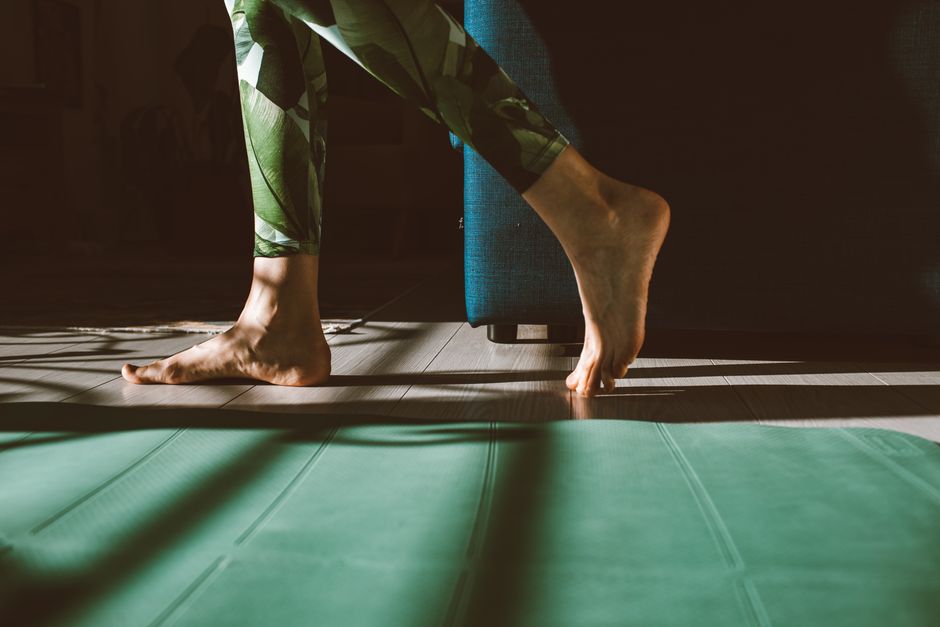
Daily: 10 to 20 minutes barefoot on soft surfaces at home, like a carpet or yoga mat. Use this time for light stretching, calf raises, toe spreads, and slow walking between rooms. This is enough to stimulate intrinsic muscles without overloading unprepared tissue.
Three to four days a week: Wear minimalist or zero-drop shoes for indoor chores or brief errands. These reduce artificial heel elevation without fully removing ground-contact feedback, acting as a middle step between maximum cushion and nothing at all.
Active movement sessions: Wear task-appropriate footwear. If you are lifting, wear a stable flat-soled shoe. If you are hiking, wear the appropriate boot. If you are doing a beginner walking workout, a neutral running shoe with modest cushion works well for most people.
Avoid: Going from desk-bound all week directly to a 60-minute barefoot walk on the weekend. That kind of sudden load spike is exactly the scenario that leads to plantar fascia strain.
Consistency matters more than duration here. Even five minutes of barefoot toe-spreading exercises daily, done over several months, builds capacity that weekend barefoot bursts cannot replicate.
Surfaces Matter as Much as Shoes
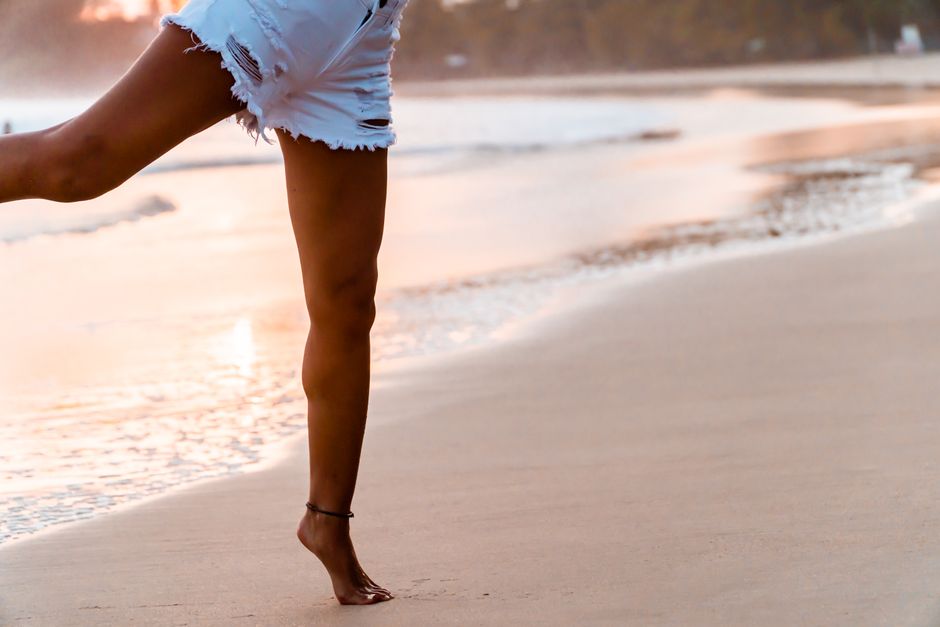
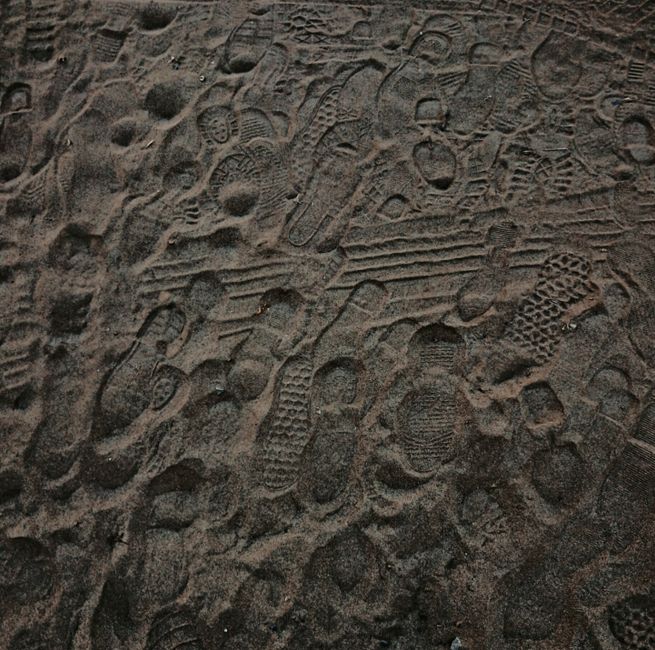
One detail that often gets skipped in barefoot-versus-shoes discussions is surface quality. Grass, natural dirt paths, sand, and yoga mats offer the sensory variety and give that make barefoot activity both safer and more effective for proprioceptive training. Smooth hardwood floors are a step below that but still reasonable. Concrete and asphalt are the least forgiving starting points.
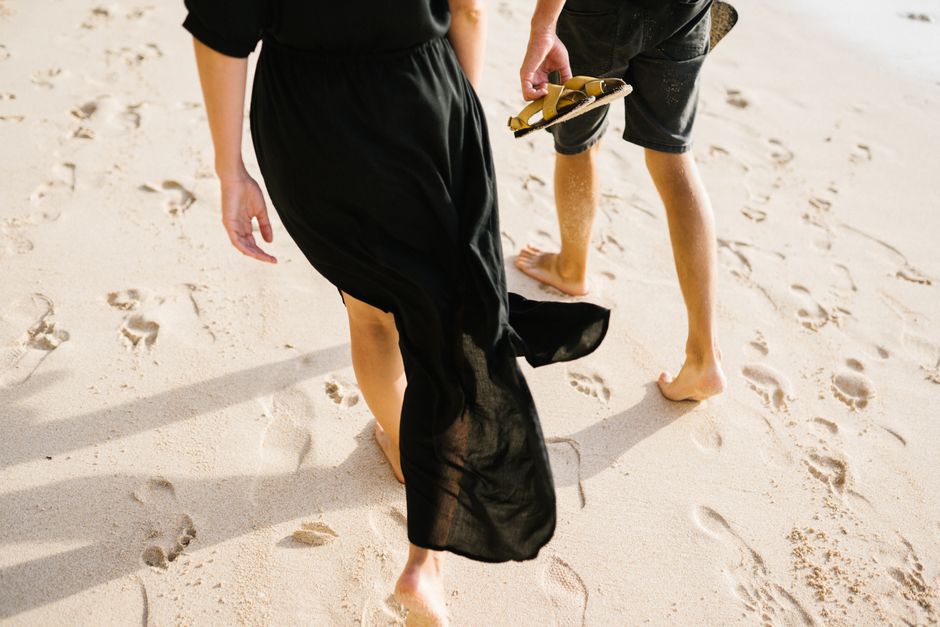
If you have access to a small patch of grass or a beach, that is genuinely a good place to begin building barefoot walking habits. The irregular micro-texture activates the receptors that flat, rigid surfaces leave dormant.
Choosing One Action and Starting There
You do not need to overhaul your footwear choices all at once. A realistic starting point is picking one of these and doing it for two weeks:
- Spend 10 minutes barefoot on a soft surface each morning, doing gentle toe and calf exercises.
- Swap one pair of thick-soled casual shoes for a lower-drop option for indoor wear.
- Take one weekly walk on grass or natural ground without shoes, beginning with five to ten minutes.
Small, consistent shifts tend to build lasting capacity far more reliably than dramatic overhauls. If you find the foot-strength side of this interesting, the guide on How to Build Foot Strength When Sitting All Day: Progressive Drills You Can Do at Your Desk has a structured drill sequence that works alongside this approach.
For broader movement support, the Clean Body Mentor newsletter offers practical weekly guidance on building sustainable habits, one realistic step at a time.
This article is for general educational and informational purposes only and is not a substitute for medical advice, diagnosis, or treatment. Health needs vary by individual. Consult a qualified healthcare professional before making significant changes to your diet, exercise routine, supplements, medication, or treatment plan, especially if you have a medical condition, are pregnant or breastfeeding, take medication, or have concerns about your symptoms.
Sources
- Holowka, N. B., et al. (2022). “Foot muscle size and cross-sectional area in habitually barefoot and shod populations.” Scientific Reports. Nature portfolio.
- Robbins, S., and Hanna, A. M. (1987). “Running-related injury prevention through barefoot adaptations.” Medicine and Science in Sports and Exercise. National Library of Medicine.
- Strength and Conditioning Journal references on intrinsic foot muscle activation. American College of Sports Medicine publications.
- U.S. Centers for Disease Control and Prevention: guidance on protective footwear in public environments (CDC.gov).


