

Most high-protein breakfast ideas look great on a recipe blog and fall apart by 7:15 a.m. when someone spills their juice, the dog needs to go out, and you have exactly eight minutes before the first school drop-off.
This guide skips the idealized morning and ranks five whole-food breakfast proteins by three criteria that actually matter: how long they tend to keep you satisfied (satiety window), what they realistically cost per serving, and how much hands-on time they require. Each ranking is honest about tradeoffs so you can match the option to your actual week rather than a hypothetical one.
If you want the deeper research behind why breakfast protein timing shapes your appetite all day, Why Your Breakfast Protein Matters More Than Meal Size: How One Food Choice Shapes Your Hunger All Day is worth bookmarking after you finish here.

How the Rankings Work
Satiety window is estimated based on protein content, fiber contribution, and the food’s glycemic impact, drawing on research from the National Institutes of Health on dietary protein and appetite regulation. Cost is based on average U.S. grocery prices at mid-2024, calculated per single adult serving. Prep time is hands-on time only, not passive steps like boiling or overnight soaking.

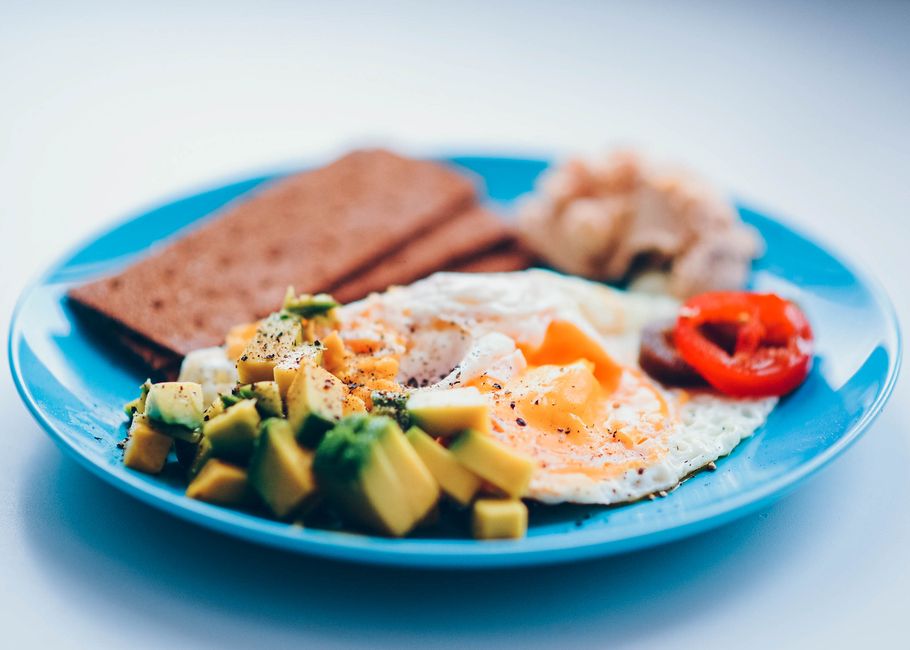
1. Eggs (Scrambled or Hard-Boiled Ahead): The Reliable Workhorse
Satiety window: 3 to 4 hours
Cost per serving (2 large eggs): roughly $0.50 to $0.80
Hands-on prep time: 3 minutes scrambled; 0 minutes if hard-boiled the night before
Two large eggs deliver about 12 grams of protein along with leucine, an amino acid that research published in the Journal of Nutrition links to greater post-meal fullness. The fat content slows gastric emptying, which helps the satiety window stretch.
The real advantage for parents is batch prep: hard-boil six eggs on Sunday, and Tuesday’s breakfast becomes a 90-second plate. Pair with a piece of whole-grain toast or a handful of cherry tomatoes and the fiber contribution bumps the satiety window closer to four hours.
The honest tradeoff: scrambled eggs need attention at the stove. If your mornings involve supervising two kids getting dressed simultaneously, pre-boiling is the smarter plan. For more on pairing egg protein with fiber and healthy fats, see Balancing Omega-3s, Fiber, and Protein at Breakfast: Five Three-Food Combinations That Keep You Stable Until Lunch.
2. Greek Yogurt (Full-Fat or 2%, Plain): Fast, Flexible, Kid-Friendly
Satiety window: 2.5 to 3.5 hours
Cost per serving (170g container): roughly $1.00 to $1.50
Hands-on prep time: under 2 minutes
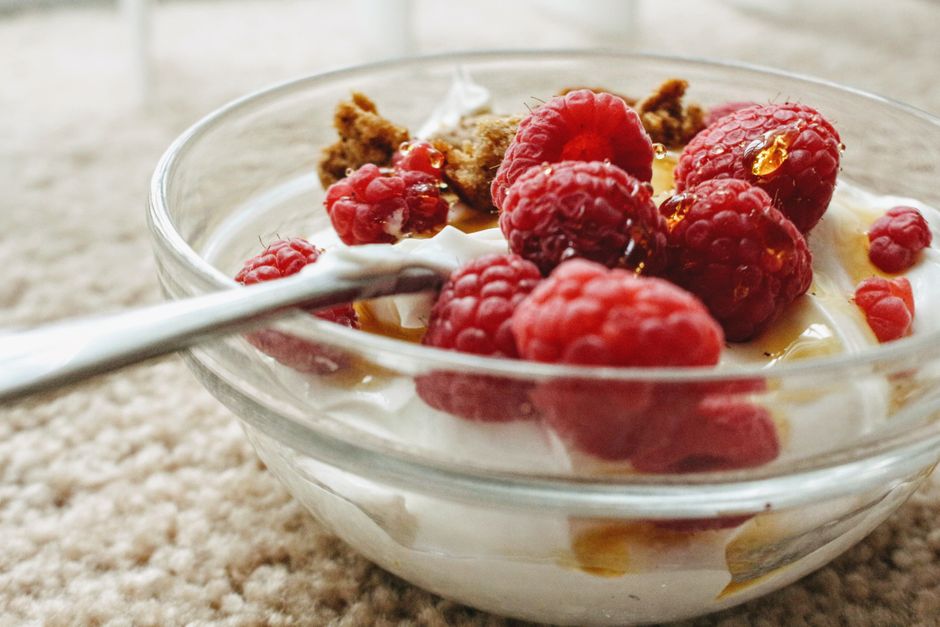
A 170-gram serving of plain Greek yogurt provides 15 to 17 grams of protein, depending on the brand. It is one of the fastest high-protein breakfast ideas on this list because it requires no cooking. Add berries and a tablespoon of hemp seeds, and you have a meal with protein, fiber, and omega-3s in about 90 seconds.
Full-fat versions tend to hold satiety slightly longer than fat-free versions because the fat slows digestion. Plain is preferable to flavored yogurt because flavored varieties can contain as much as 20 grams of added sugar per serving, which can undercut the satiety benefit by triggering a faster blood glucose rise and fall.
The honest tradeoff: cost adds up quickly if you are feeding the whole family. Buying a large 32-ounce tub and portioning it yourself cuts the per-serving cost nearly in half compared to individual containers.
3. Cottage Cheese (Low-Sodium, 2%): The Underrated Option
Satiety window: 3 to 4 hours
Cost per serving (half cup): roughly $0.60 to $0.90
Hands-on prep time: 1 minute
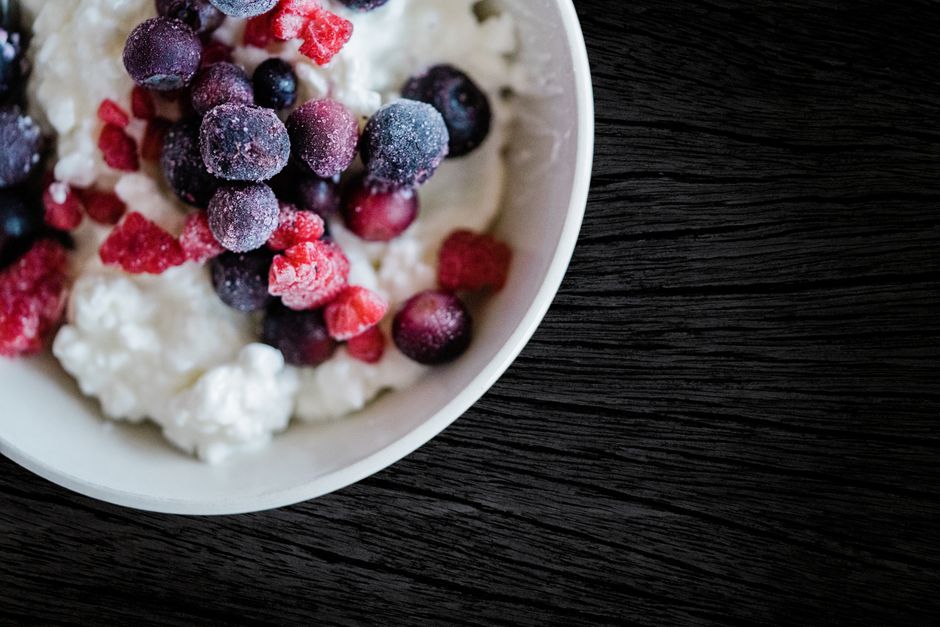
Cottage cheese delivers around 14 grams of protein per half cup, with a casein-dominant protein profile. Research suggests casein digests more slowly than whey, which may extend the satiety window compared to some other dairy options. It is also one of the more budget-friendly proteins on this list.
Parents who are skeptical about texture can blend it smooth in 20 seconds with an immersion blender and use it as a base for savory bowls topped with cucumber and everything-bagel seasoning, or sweet bowls topped with sliced banana and a drizzle of nut butter.
The honest tradeoff: sodium content in some brands runs high. Check the label and aim for under 350mg per serving when possible.

4. Legumes (Canned Chickpeas or Black Beans): The Budget Champion
Satiety window: 4 to 5 hours
Cost per serving (half cup, canned): roughly $0.30 to $0.50
Hands-on prep time: 3 to 5 minutes
Legumes rank highest for satiety duration on this list, and it is not particularly close. A half cup of canned chickpeas provides about 7 grams of protein and 6 grams of fiber. The fiber-protein combination slows digestion significantly, and a 2021 review in Nutrients found that legume consumption was associated with greater post-meal satiety compared to other carbohydrate sources.
For breakfast specifically, warmed chickpeas with olive oil, cumin, and an egg on top is a satisfying five-minute meal. Black beans on a warmed corn tortilla with a fried egg is another option that keeps many adults full past noon.
The honest tradeoff: legumes require slightly more thought to incorporate at breakfast in Western meal cultures where most people default to cereal or toast. The payoff is the longest satiety window at the lowest price point. For more on plant-based protein comparisons, Legumes vs. Eggs vs. Greek Yogurt: Which Breakfast Protein Keeps You Full Longest Without the Crash goes deeper.
5. High-Protein Smoothie (Whole-Food Base): Portable but Variable
Satiety window: 1.5 to 3 hours (highly dependent on ingredients)
Cost per serving: roughly $1.50 to $3.00
Hands-on prep time: 4 to 6 minutes
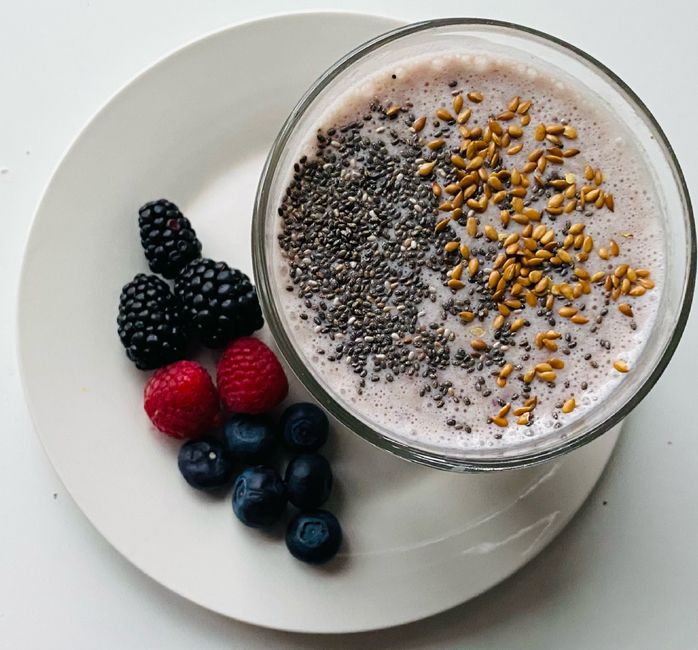
A smoothie built from Greek yogurt or cottage cheese, a handful of spinach, frozen banana, and hemp seeds can deliver 18 to 22 grams of protein. The portability is a genuine advantage for parents eating in the car or at a desk. Blending takes under two minutes; cleanup takes the rest.
The satiety window, however, is the most variable on this list. Liquid meals digest faster than solid ones for most people, meaning a smoothie that looks nutritionally identical to a bowl of Greek yogurt may keep you full for less time. Adding oats, nut butter, or chia seeds to thicken the texture improves satiety meaningfully. For a detailed look at how texture and temperature affect fullness, High-Protein Smoothie Recipes That Actually Keep You Full Until Lunch: Texture, Temperature, and Ingredient Order Compared covers this well.
The honest tradeoff: cost and equipment. A good blender is a one-time investment, but ingredient costs accumulate faster than eggs or cottage cheese, especially if you are buying fresh fruit year-round.

Quick Reference: How They Stack Up
| Breakfast | Protein (approx.) | Satiety Window | Cost/Serving | Hands-On Time |
|---|---|---|---|---|
| Legumes | 7-9g + fiber | 4-5 hrs | $0.30-$0.50 | 3-5 min |
| Eggs | 12g | 3-4 hrs | $0.50-$0.80 | 0-3 min |
| Cottage Cheese | 14g | 3-4 hrs | $0.60-$0.90 | 1 min |
| Greek Yogurt | 15-17g | 2.5-3.5 hrs | $1.00-$1.50 | 2 min |
| Smoothie | 18-22g | 1.5-3 hrs | $1.50-$3.00 | 4-6 min |
One Realistic Step Forward
You do not need to overhaul your entire morning to get more protein at breakfast. Pick the option that fits your current Tuesday, not an optimistic version of it. If budget is the main constraint, a can of chickpeas costs less than a dollar and will carry you further into the morning than most alternatives. If speed is the bottleneck, hard-boiling eggs on Sunday removes the weekday decision entirely.
Consistency with one realistic choice tends to do more for sustained energy and appetite regulation than rotating between ambitious options you eventually abandon. If you want to extend this thinking into the rest of your day, High-Protein Afternoon Snacks Ranked by Real Satiety, Cost, and No-Equipment Prep is a natural next read.
Sources
- National Institutes of Health, National Library of Medicine: dietary protein and satiety research (search PubMed for “dietary protein satiety appetite regulation”)
- Leidy HJ et al. “The role of protein in weight loss and maintenance.” American Journal of Clinical Nutrition, 2015.
- Rebello CJ et al. “A review of the nutritional value of legumes and their effects on obesity and its related co-morbidities.” Nutrients, 2021.
- USDA FoodData Central (fdc.nal.usda.gov) for nutritional composition data.
This article is for general educational and informational purposes only and is not a substitute for medical advice, diagnosis, or treatment. Health needs vary by individual. Consult a qualified healthcare professional before making significant changes to your diet, exercise routine, supplements, medication, or treatment plan, especially if you have a medical condition, are pregnant or breastfeeding, take medication, or have concerns about your symptoms.


